





 Portuguese
  English
  Spanish
 3 min of reading



The Recently Approved Tax Reform Gives Campos dos Goytacazes the Right to Determine Its Own IBS Tax Rates, a New Tax That Will Replace ICMS and ISS.
The Recently Approved Tax Reform in the Chamber of Deputies Authorizes States and Municipalities, Such as Campos dos Goytacazes, to Establish Their Own IBS (Tax on Goods and Services) Rates, a New Tax That Will Replace the Current ICMS (Tax on Circulation of Goods and Services) and ISS (Tax on Services).
Disputes Surrounding the Reform
Critics of the Reform Argue That the Autonomy Granted to Municipalities to Determine Their IBS Rates May Undermine Efforts to Simplify the National Tax System. However, Supporters of the Approved Text Reject This View, Arguing That Variations in Rates from One Place to Another Will Be Limited. They Also Claim That the New Provision Reinforces the Autonomy of States and Municipalities, an Aspect Strongly Demanded by Critics of the Reform.
The Mentioned Tax Reform is Now Awaiting Analysis in the Federal Senate. The Political Process Involved in Implementing a Rate Higher than That Practiced in the Rest of the Country Cannot Be Ignored, as It May Be Seen as an Advantage or Disadvantage Depending on One’s Perspective.
-
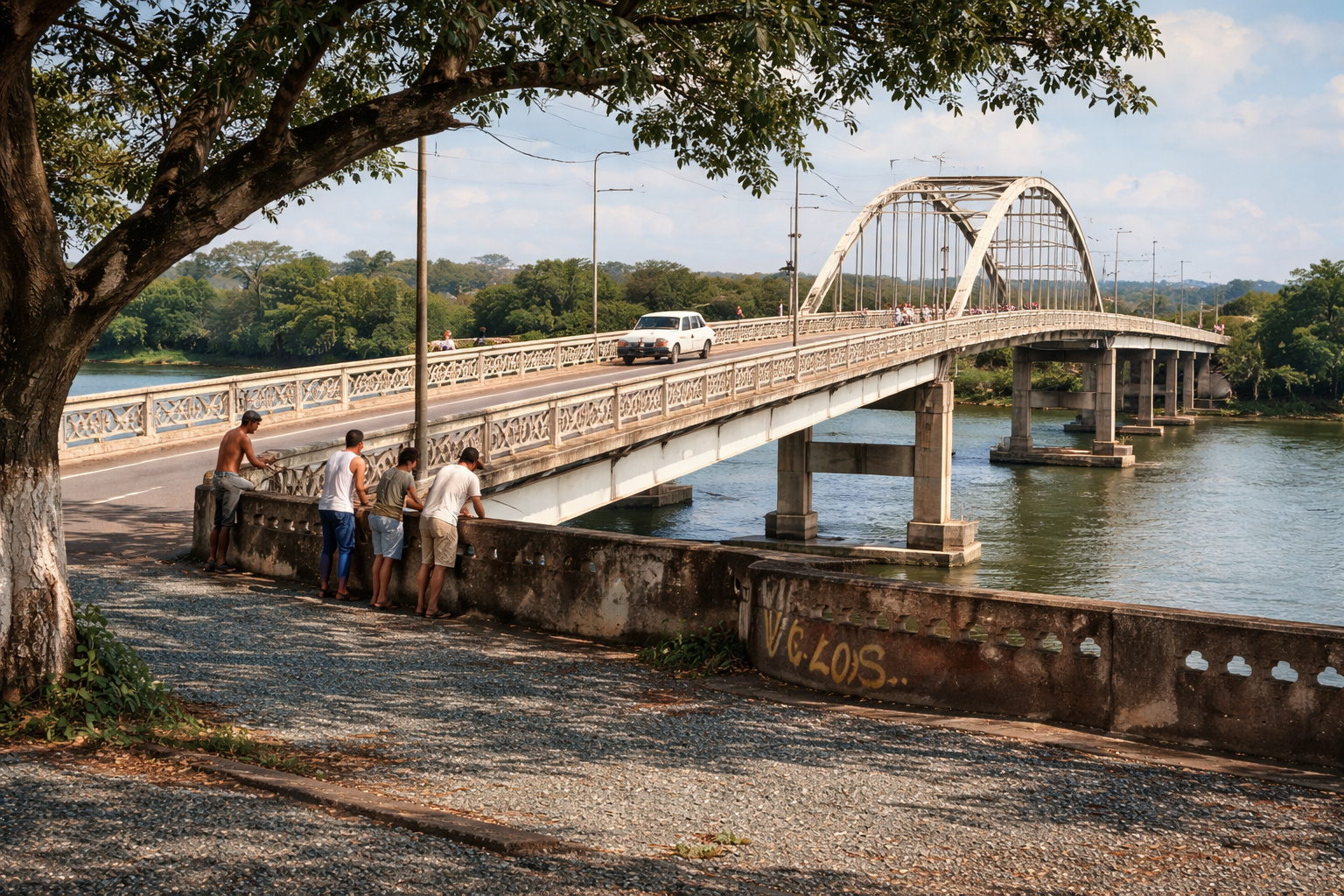
Families have been living for over 30 years under a bridge in Mato Grosso, revealing a housing deficit, irregular occupation in APP, and dependence on fishing as the main source of income.
-
What Changed at Florianópolis Beaches? New Rule Surprises Pet Owners and Restricts Dogs on the Sand at Specific Times

-
Economic Diversification Accelerates in Itatiaiuçu to Reduce Mining Dependence
-
Extreme Rains: Cold Front, Supercell, and Atmospheric Trough Cause Tragedy in MG


The Consequences of the New IBS
From an Optimistic Perspective, Political Cost Could Restrict the Desire of Rulers to Increase Taxation on Their Taxpayers. However, From a Pessimistic View, There Would Be Pressure to Set a Reference Rate as High as Possible to Meet All Entities Without Customizing the Burdens.
The Text of the PEC (Proposed Constitutional Amendment) Approved in the Chamber of Deputies Foresees the Unification of Five Consumption Taxes into Two New Ones: the IBS (Under State and Municipal Competence) and the CBS (Contribution on Goods and Services) at the Federal Level. The Transition Would Begin in 2026, with Full Migration Anticipated by 2033.
Implementation of the Tax Reform and Its Challenges
After the Promulgation of the PEC, a Resolution from the Federal Senate Will Set the Reference Rate for Each Federative Sphere, “Which Will Be Applied Unless Otherwise Provided in Specific Legislation.” This Law Must Be Approved in the Local Legislative Body and May Define the Collection in Its Territory, Even if This Means a Rate Different from That Applied in Other Places.
The Difference is That, After the Reform, the Choice Will Occur in a Simpler System than the Current One, Where Governors and Mayors Establish Multiple Rates Differentiated According to Goods, Services, or Sectors.
In Practice, Each Entity May Adopt a Higher or Lower Rate for All Goods and Services Covered by the IBS. However, Any Ruler Who Wishes to Increase the IBS Rate in Their Territory Will Need to “Bear the Political Burden” of This Decision.
Conclusion: The Future of the Tax Reform in Campos dos Goytacazes
Experts in the Tax Area Argue That Allowing Rate Changes Does Not Nullify the Goal of Simplifying the System. However, Other Critics of the Reform Believe That Changing the Rates May Encourage Pressure to Establish the Reference Rate as High as Possible.
In Any Case, the Autonomy Guaranteed to States and Municipalities Such as Campos dos Goytacazes to Set Their Own IBS Rates is a Significant Change in the National Tax System. How This New Reality Will Unfold Remains to Be Seen.










Seja o primeiro a reagir!