





 Portuguese
  English
  Spanish
  5 min of reading
  0 comments


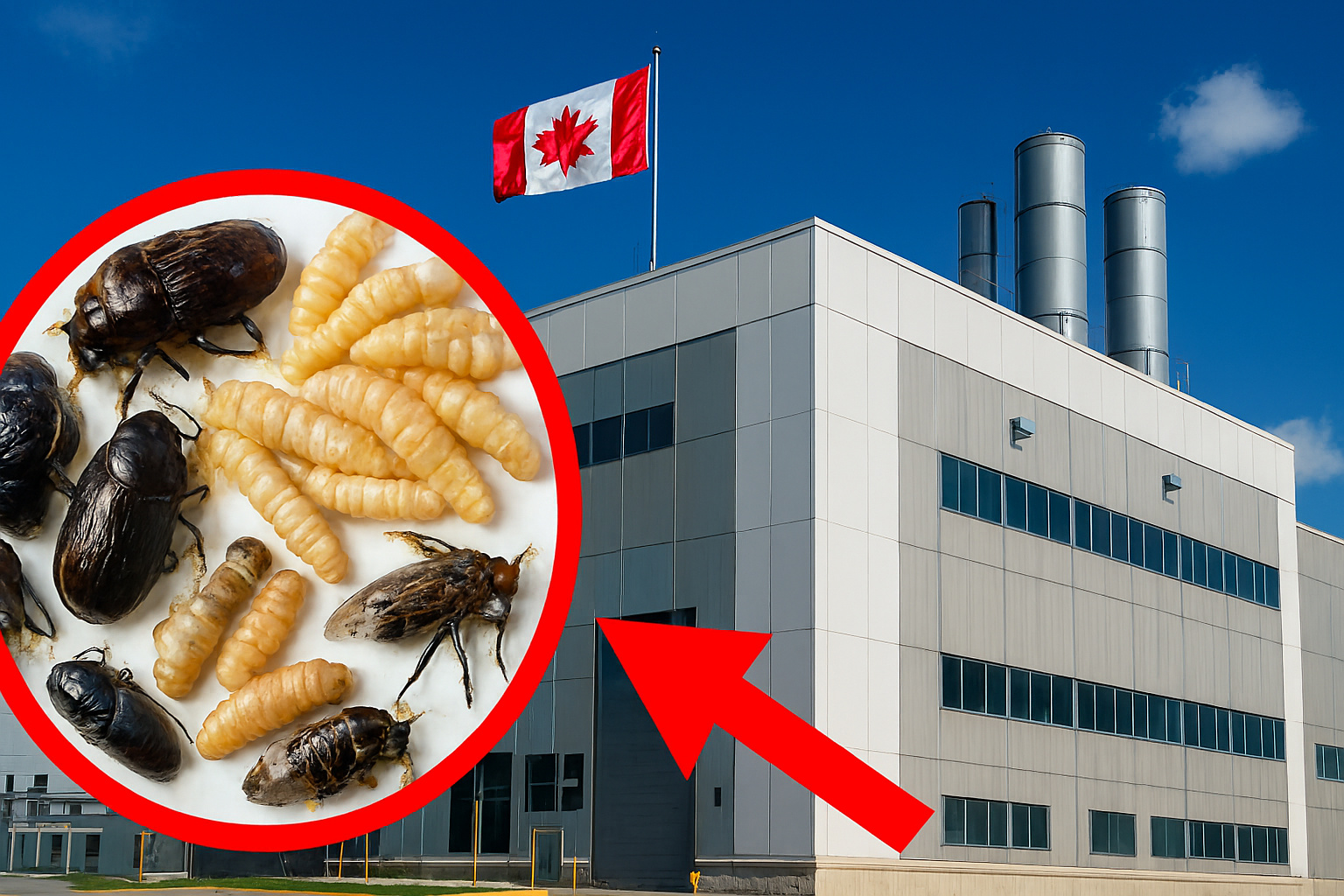
With A Factory Capable Of Producing Up To 13 Thousand Tons Per Year, Canada Transforms Insects Into Industrial Protein For Feed, Aquaculture, And Pets.
Canada Has Definitively Entered The Global Board Of The New Protein Race By Installing One Of The Largest Insect Protein Industrial Plants In The World. Located In The Province Of Ontario, The Facility Operated By Aspire Food Group Is Designed To Produce Up To 13 Thousand Tons Per Year Of Cricket-Derived Protein Meal, Placing The Country At The Center Of A Transformation That Promises To Deeply Alter The Food Base Of Aquaculture, Animal Feed, And The Premium Functional Protein Market.
This Is Not An Academic Experiment Nor A Craft Startup. It Is A Highly Automated Bioindustry, Operating In A Controlled Environment 24 Hours A Day, With Robotics, Artificial Intelligence, Total Climate Control, Lot Traceability, And Direct Integration With Global Feed Supply Chains For Fish, Birds, Pets, And, On A Smaller Scale, Supplements For Human Consumption.
The Surge Of Insect Protein As A Global Response To The Food Crisis
The Growth Of The Global Population, Pressure On Arable Land, Water Scarcity, And Instability In Grain Supply Have Transformed Alternative Protein Into A Strategic Food Security Issue. Soy, The Historical Base Of Animal Feed, Faces Environmental, Geopolitical, And Logistical Bottlenecks. At The Same Time, Aquaculture Continues To Expand Rapidly, Demanding Huge Volumes Of Highly Digestible Protein.
-
Natville puts R$ 700 million on the table for new factories in the Northeast, generating jobs and boosting the local economy.
-
With 74% of companies facing difficulties in hiring, technicians and engineers in renewable energy are becoming scarce in Brazil and are essential to support the expansion of solar, wind, and green hydrogen projects.

-
Historic bankruptcy of Centauro shocks the market, and the century-old company puts more than 500,000 products, machines, and complete infrastructure up for online auction.

-
New shoe factory in Ceará is expected to create 400 jobs and strengthen the local economy.

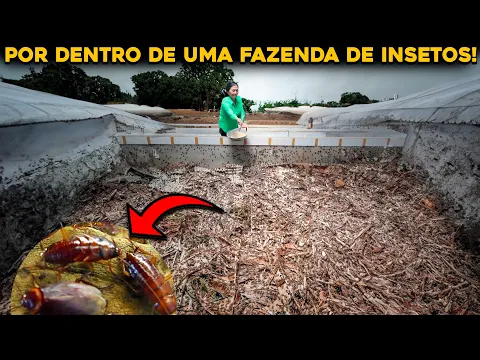

In This Scenario, Insects Arise As The Protein With The Highest Known Biological Efficiency Rate. Crickets Require About 2 Kg Of Feed To Produce 1 Kg Of Protein, While Cattle May Require Up To 10 Kg For The Same Equivalence. The Gain In Efficiency Has Verticalized The Discussion: Insects Have Ceased To Be A Curiosity And Become A Strategic Asset Of The Global Bioeconomy.
The Canadian Factory That Acts As A Biological Assembly Line
The Plant Installed By Aspire In Ontario Is Considered One Of The First On The Planet To Operate As A Fully Automated Insect Farm In Continuous Industrial Scale. In It, The Production Cycle Is Controlled At All Stages: Cricket Breeding, Growth In Vertical Modules, Automated Feeding, Temperature And Humidity Control, Mechanical Harvesting, Industrial Drying, Milling, And Standardization Of Protein Meal.
Everything Happens Inside Closed Sheds, Without Climatic Interference, Without External Pests, And With Minimal Water Consumption. Production Occurs Every Day Of The Year, Eliminating Seasonality Typical Of Traditional Agriculture.
Production Capacity At Scale That Changes The Market Game
The Unit Was Designed To Achieve Up To 13 Thousand Tons Annually Of Insect Protein, A Volume Sufficient To Supply:
- Large Feed Plants For Aquaculture;
- Premium Pet Food Factories;
- High Conversion Poultry Formulations;
- Functional Protein Supplements.
This Scale Places The Canadian Factory On Par With The Largest Alternative Protein Bioindustries On The Planet, Surpassing Dozens Of Pilot Projects Spread Across Europe And Asia.
The Investment That Reveals The Seriousness Of The Project
The Estimated Investment Value For The Plant Ranges From US$ 80 Million To US$ 100 Million, Financed By Private Funds, Venture Capital, And Support Lines For Bioeconomy And Industrial Innovation. The Amount Reveals Something Essential: It Is No Longer An Experimental Bet, But A Mature Industry In Formation.
This Type Of Investment Only Occurs When There Are Firm Contracts With Buyers, Predictability Of Global Demand, And Proven Economic Viability.
Why Aquaculture Is The Main Destination Of This Protein
The Majority Of The Canadian Factory’s Production Is Directed Towards Fish Feed In Aquaculture, Especially Salmon, Tilapia, And Trout. These Fish Require Diets Rich In Highly Digestible Protein, Something That Insects Naturally Provide. Cricket Meal Has A Protein Content Between 65% And 70%, In Addition To Being Naturally Rich In Iron, Zinc, Vitamin B12, And Essential Amino Acids.
For Aquaculture, This Means Faster Growth, Lower Mortality, Better Feed Conversion, And Less Pressure On Wild Fish Stocks.
The Environmental Impact Compared To Conventional Meat
Environmental Numbers Place Insect Protein At A Level Practically Unreachable By Conventional Livestock:
- Up To 90% Less CO₂ Emissions;
- Up To 80% Less Water Consumption;
- Minimal Land Use;
- Repurposing Of Agricultural Byproducts As Insect Feed;
- Almost Zero Waste Generation.
While Beef Requires Pastures, Deforestation, Irrigation, Grains, And Long Production Cycles, Crickets Grow In Weeks, Inside Vertical, Closed, And Extremely Efficient Structures.
Jobs, Robotics, And The New Biological-Based Industry
The Factory Generates Hundreds Of Qualified Direct Jobs, Involving Automation Engineers, Biologists, Biosafety Technicians, Robot Operators, Environmental Control Specialists, And Food Processing Professionals.
In Addition, It Moves An Indirect Supply Chain Of Equipment Suppliers, Sensors, Climate Control Systems, Refrigerated Logistics, Industrial Packaging, And Export.
What Is At Stake Is Not Just Protein But The Formation Of A New Biological-Based Industry In The Heart Of North America.
The Regulatory Role Of Canada In Sanitary Security
Production Is Rigorously Monitored By The Canadian Food Inspection Agency, Which Establishes Protocols For:
- Total Traceability
- Microbiological Control
- Food Safety
- Certification By Lot
Insect Protein Is Also Recognized By The FAO As One Of The Strategic Solutions For Global Food Security In The Coming Decades, Especially For Animal Feed And Aquaculture.
Insects Replacing Soy On A Global Scale
One Of The Deepest Impacts Of This Movement Lies In The Gradual Replacement Of Imported Soy. Today, A Large Portion Of Global Animal Feed Depends On Grains Produced In A Few Countries, Creating Logistical Bottlenecks, Environmental Pressure, And Price Volatility.
With Insect Protein, Countries Start To Produce Their Own Protein Base Inside Industrial Sheds, Without Depending On Climate, Harvests, Or Imports. This Represents One Of The Most Significant Structural Breaks In The Recent History Of Animal Nutrition.
Why Canada Became Fertile Ground For This Industry
Canada Brings Together Three Decisive Factors:
- Relatively Cheap Energy;
- Regulatory Stability;
- Access To US And European Markets;
- Tradition In Biotechnology And Agribusiness;
- Cold Climate Ideal For Efficient Internal Thermal Control.
This Transforms The Country Into A Strategic Platform For Exporting Alternative Protein To The Entire West.
From Food Curiosity To The Silent Axis Of The New Global Protein
The Most Impressive Thing Is That, While A Large Portion Of The Population Still Associates Insects With Something Exotic, The Animal Feed Sector Already Treats This Protein As A Strategic Food Infrastructure. The End Consumer May Not Even Notice, But A Growing Portion Of The Fish, Chicken, And Even The Pet They Consume Is Already Fed Insects.
The Protein Of The 21st Century Does Not Arise Only In The Field. It Is Born In Climate-Controlled Sheds, Under Sensors, Robots, And Bioengineering.
What This Factory Represents For The Future Of Food
The Canadian Plant Is Not An Isolated Case. It Is The Visible Sign Of A Silent Transformation: The Progressive Migration Of The Global Protein Base From Traditional Sources To Highly Efficient, Controlled, And Sustainable Alternative Proteins.
The Insect Transforms From A Symbol Of Primitive Survival To A Technological Pillar Of Global Food Security.









-

-

-

-

-

-

65 pessoas reagiram a isso.