





 Portuguese
  English
  Spanish
 3 min of reading


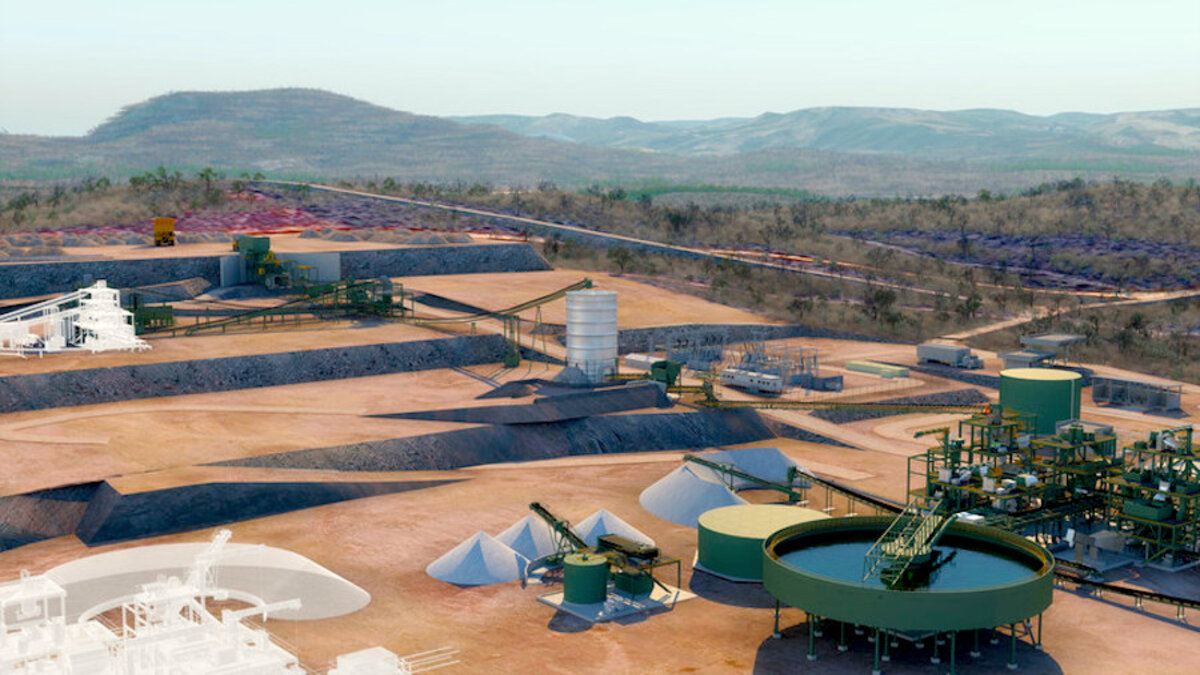
Sigma Lithium Is Revolutionizing The Mining Sector With ESG Practices Across The Entire Production Chain And Investing In The Sustainability Market For Electric Transportation, Arriving In Brazil With A Focus On The Environmental Segment.
Sigma Lithium is a standout company in the sustainable mining sector, as it has developed a production system fully aligned with ESG practices. Thus, as of this Sunday (06/26), the company not only utilizes sustainability in its lithium production but also contributes to the international electrification market for transportation by selling lithium for battery production and using equipment in electric vehicles, now arriving in Brazil to bring its ideals to the country.
Mining With ESG Practices Is Possible And Sigma Lithium Combines Both Worlds And Now Invests In The Environmental Segment In The National Territory
The mining sector remains one of the main culprits for significant environmental impacts in Brazilian territory, but in recent years, companies have been increasingly seeking new alternatives for sustainability in the segment. This is the case for Sigma Lithium, one of the largest lithium producers in the world, which is currently receiving international recognition for adopting ESG practices in its production and processing chain, ensuring greater environmental commitment in its operations.
Now, the company arrives in Brazil to bring ESG mining and is building a hard rock lithium mining operation in Minas Gerais, a key component of the batteries used in electric vehicles.
-
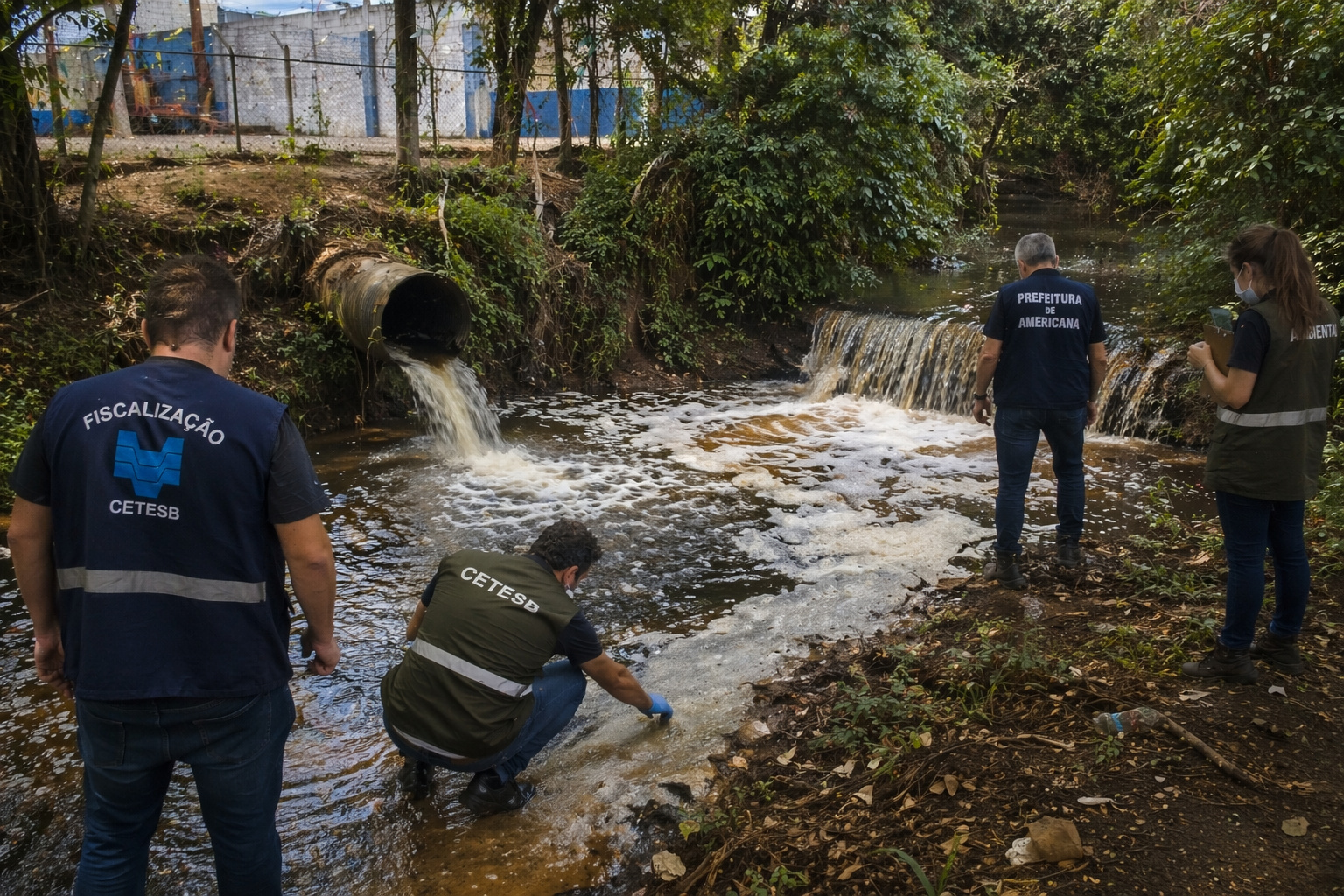
A fine of R$ 115 thousand puts Goodyear at the center of an environmental case in Americana after oil and grease appeared in a stream and the company was forced to act quickly.
-
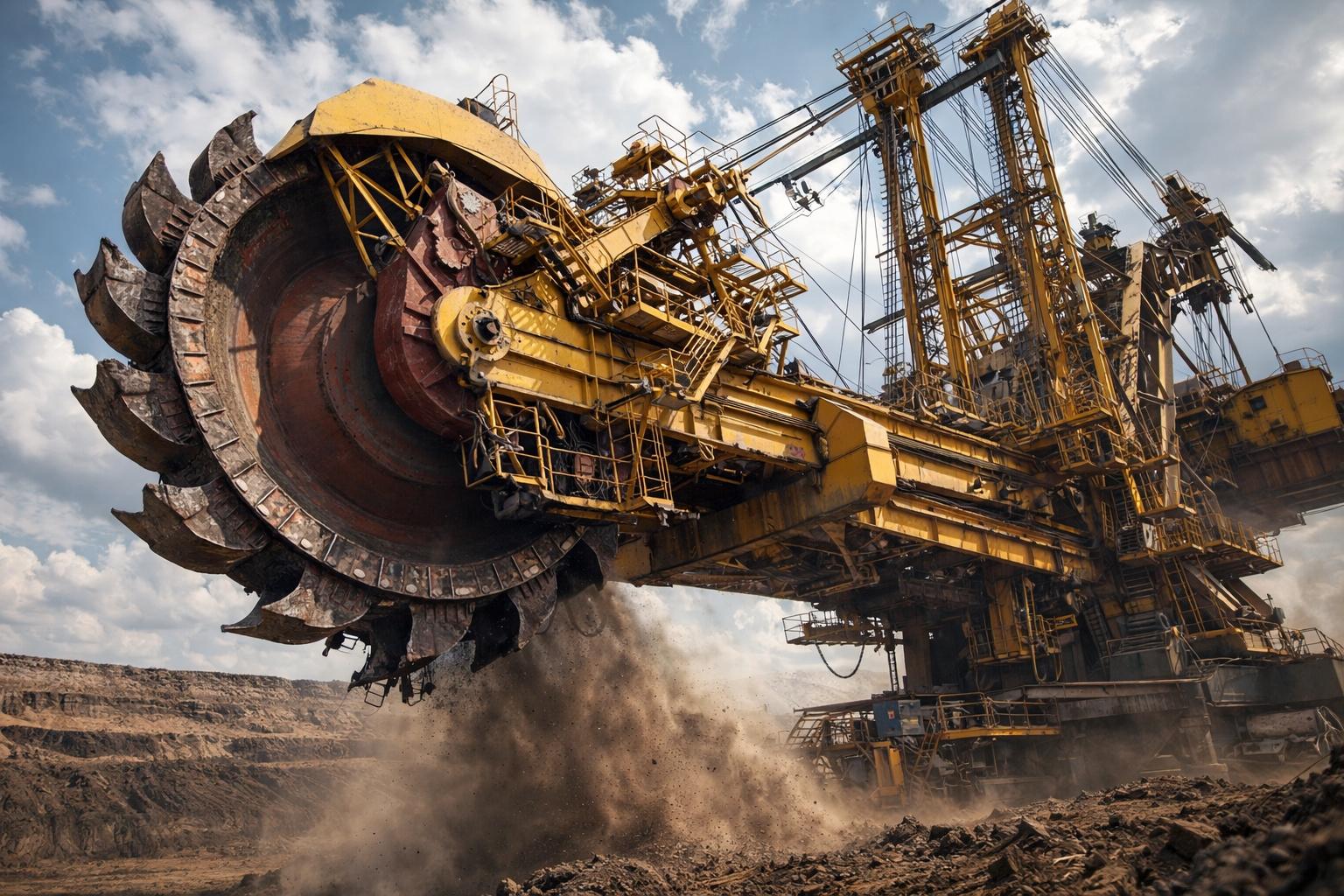
A machine capable of removing up to 12,000 cubic meters of earth per hour helps to feed part of the European energy matrix, and this mining colossus almost never appears when discussing the real cost of electricity.
-
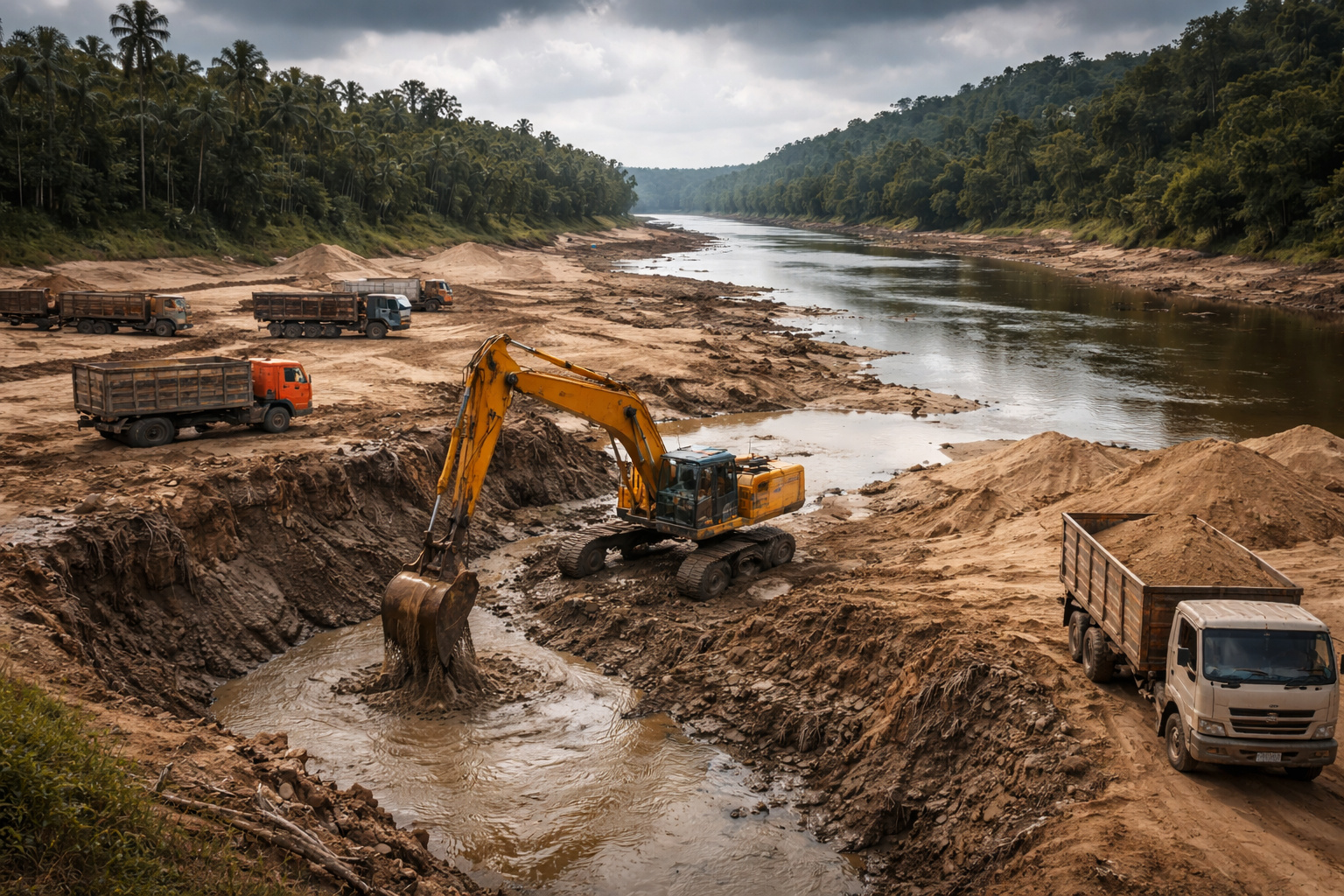
In Kerala, India, known as “the land of God,” dredging machines are extracting sand from rivers 40 times faster than nature can replenish it, riverbeds have already dropped nearly 2 meters, rivers have begun to dry up, and scientists who investigated the floods of 2018 discovered that decades of uncontrolled mining have weakened the rivers to the point where they can no longer contain the water.
-
Lack of workers and an aging population: Japan bets on AI robots in factories, logistics, and infrastructure to keep the economy and essential services active.

The project is named Grota do Cirilo and is the company’s latest venture in Brazilian mining, aiming to bring sustainability to the sector in the country. Moreover, the project is expected to generate 500 direct jobs and 6,000 indirect jobs in the region, along with 888 million reais in royalty revenue over the next 15 years.
The main characteristic of sustainability and ESG practices at the mineral exploration mine is the company’s energy supply, which will be fully sourced from renewable energy. Thus, a clean hydric source located 50 kilometers from the mining project will be utilized.
Furthermore, Sigma Lithium emphasizes that all water used in the energy production process will be reused to ensure greater sustainability in its supply, with 90% being reused and 10% lost through evaporation.
Sigma Lithium Aims To Utilize ESG Practices To Invest In The Market For Electrification Of Transportation With The Production Of Lithium For Batteries
In addition to ESG practices in the lithium production chain in Minas Gerais, Sigma Lithium has already partnered with the Federal Institute of Northern Minas Gerais to offer a four-semester course in the mining field, with the primary goal of training local employees to work on the project. In this way, the company not only invests in sustainability but also seeks to support social causes.
The company’s main focus with this entire lithium production chain is the international transportation market, specifically electric vehicles that utilize batteries made with the material.
Thus, Ana Cabral-Gardner, co-CEO of the company, reinforces the commitment of the company to the electric transportation sector and states: “This consumer demands carbon neutrality. It is counterintuitive to buy a car to decarbonize the environment if you are burning coal to produce lithium.”
The issue of sustainability in transportation remains the great challenge of the international market, and with its ESG lithium production, the company intends to invigorate the scenario with new perspectives on the use of the material in the manufacturing of electric vehicles worldwide.






Seja o primeiro a reagir!