





 Portuguese
  English
  Spanish
  4 min of reading
  0 comments


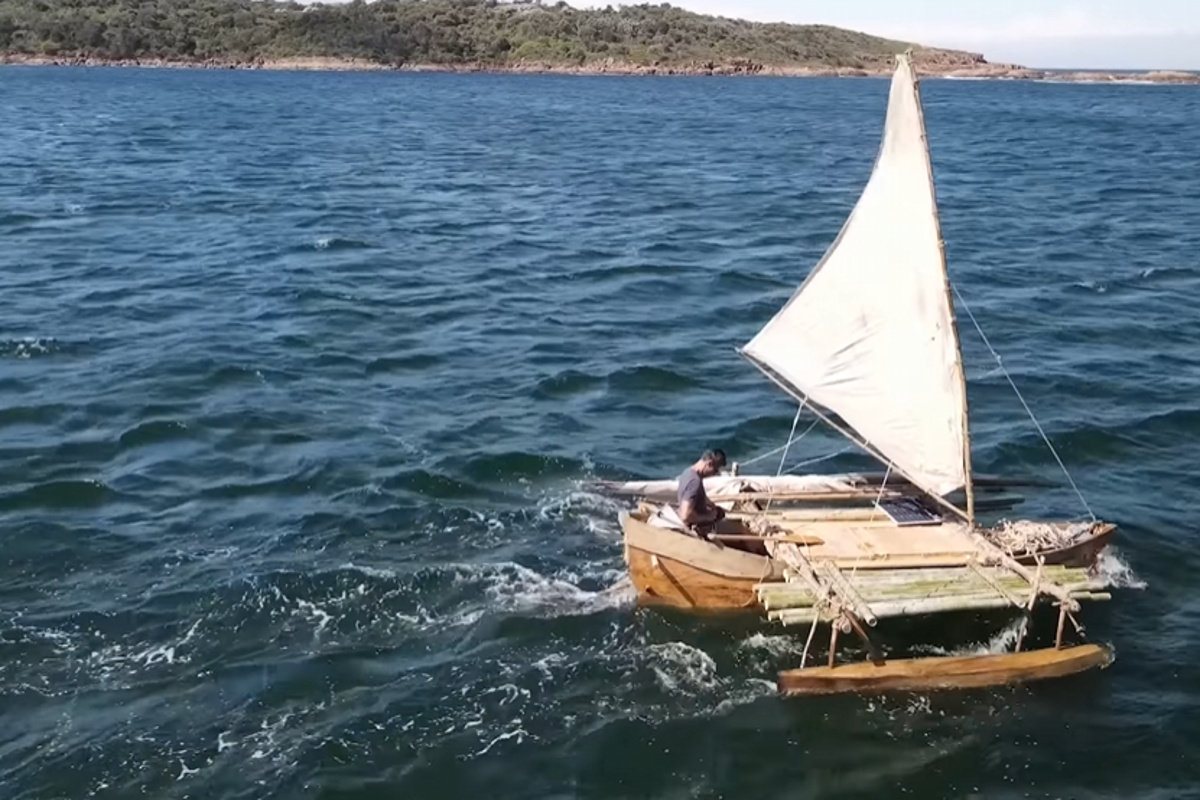
Survival Project Led By Outback Mike Documents Every Step Of The Hand-Built Construction Of A Traditional Vessel Capable Of Facing Open Waters In Australia
A retired military pilot decided to start one of the most ambitious handcrafted survival projects ever recorded in individual nautical building initiatives.
Throughout the journey documented in 2026, Outback Mike transforms a solid log approximately 50 years old into a functional dugout canoe, built entirely by hand.
From the first cut made with a chainsaw to the final moment when the vessel glides over the water, each phase demonstrates extraordinary patience, resilience, and manual skill.
Thus, what initially was just raw wood sourced from Newcastle, Australia, gradually becomes a vessel capable of facing the waters of the Great Barrier Reef.
This transformation reveals how traditional wood carving techniques can still produce functional vessels, even in modern projects documented by independent creators.
-
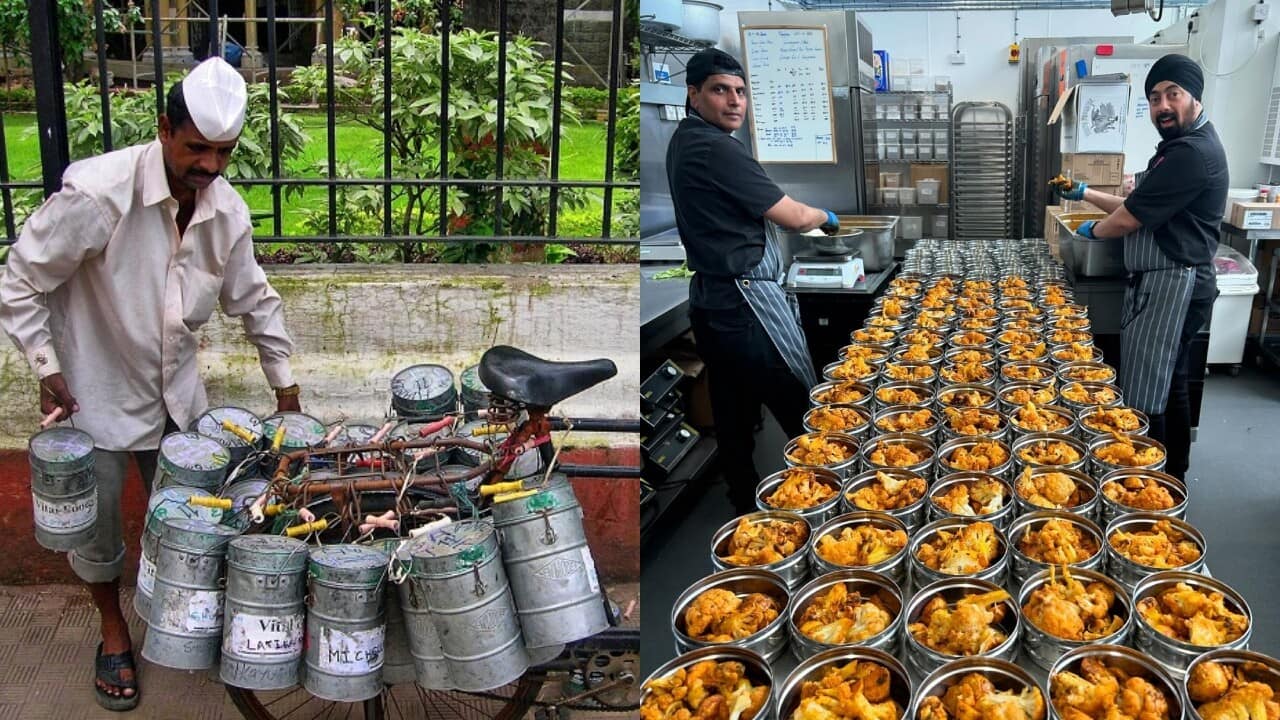
How 5,000 Indian dabbawalas manage to deliver around 200,000 lunchboxes a day in Mumbai for over 130 years using bicycles, crowded trains, and a manual system that continues to operate with impressive accuracy.
-
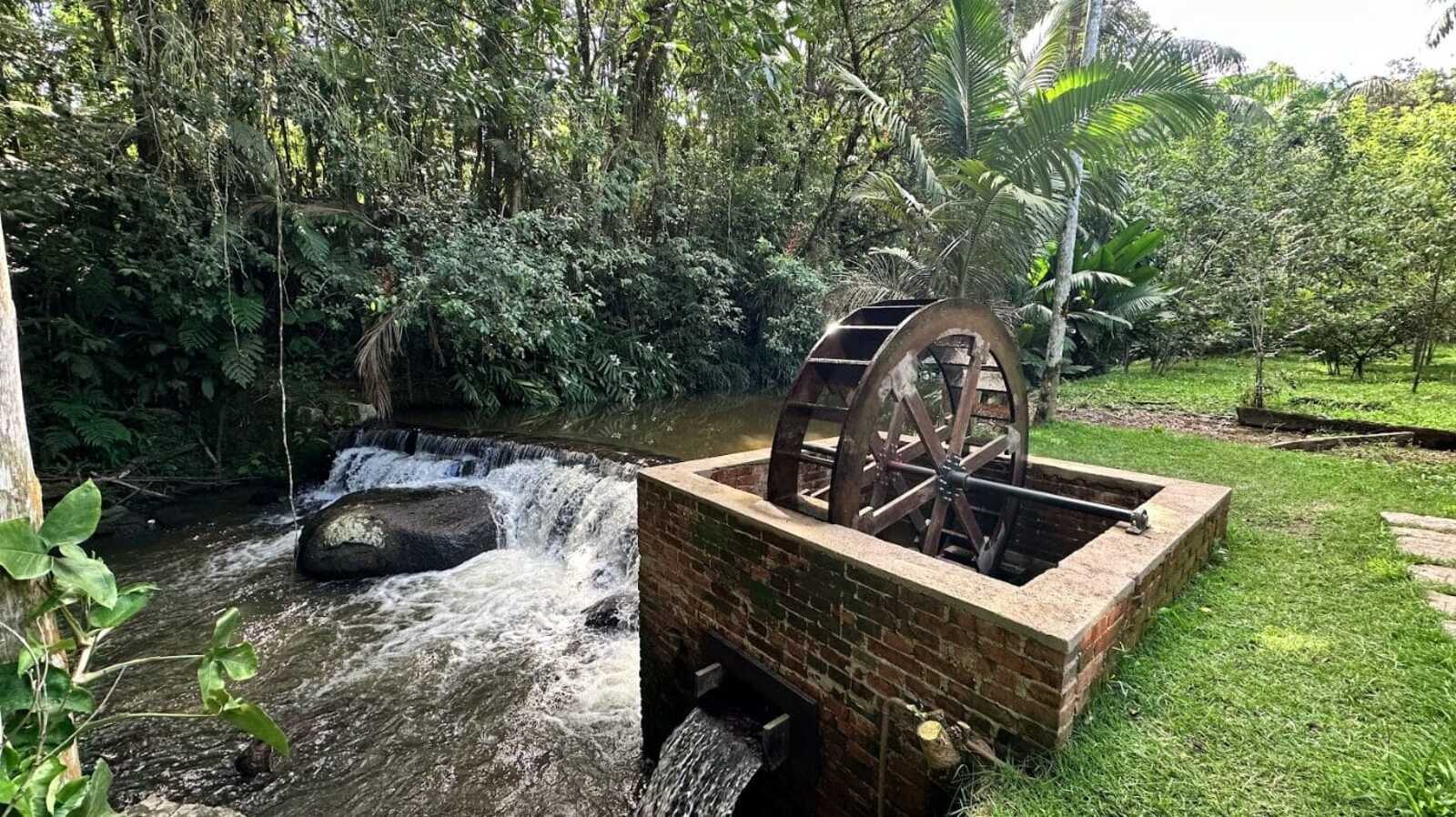
While restoring a historic mansion from 1910, a brick structure with an old turbine that generated energy from the Rio do Testo emerged, along with a hidden door and a rare floor concealed under layers of wax.
-
Italian researchers have detected what appears to be a second Sphinx buried under the sands of Egypt, and satellite scans reveal a gigantic underground megastructure hidden beneath the Giza Plateau for over 3,000 years.

-
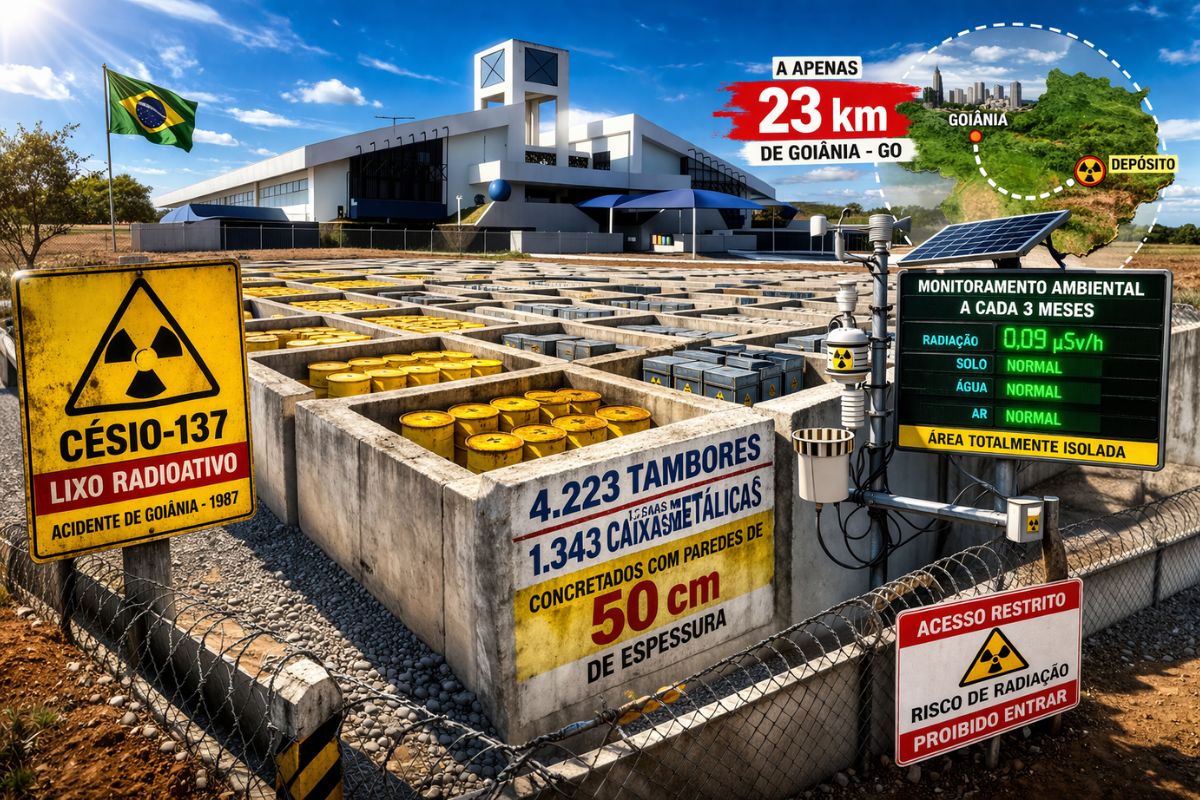
There are 4,223 drums and 1,343 metal boxes concreted with 50-centimeter walls that store the radioactive waste from Cesium-137 in the worst radiological accident in Brazil, just 23 kilometers from Goiânia, with environmental monitoring every three months.

Handcrafted Construction Begins With Log Preparation
The first phase of the project consists of completely removing the tree bark, a procedure necessary to prepare the log for structural work.
Next, the process of excavating the interior of the wood begins, a stage that defines the core of the future canoe.
During this process, much of the internal material is carefully removed, allowing the log to take on the shape of a hull.
At the same time, the builder needs to maintain a balance between structural strength and the weight of the vessel.
This work requires constant precision, as an improper thickness can compromise the buoyancy or durability of the canoe.

Controlled Burning Protects The Wood Of The Vessel
Subsequently, a traditional technique is applied to preserve the wood structure.
This involves controlled burning of the interior of the canoe, a procedure used to eliminate worms present in the wood.
This method allows for the removal of pests without damaging the log’s structure.
Additionally, the process also facilitates the internal finishing of the vessel.
After this stage, the refinement of the structure begins, when the hull curves are adjusted and the final shape starts to emerge.<br Gradually, the wood begins to take on the hydrodynamic shape necessary for navigation.
Historical Inspiration Influences The Planned Expedition
The project is not limited solely to handcrafted construction.
Additionally, it incorporates a historical inspiration related to maritime survival in the Australian region.
Outback Mike cites as a reference the story of shipwreck survivor James Morrill, a historical figure connected to the Great Barrier Reef region.
This narrative served as motivation to develop the planned expedition with the vessel.
Thus, the project combines tradition, history, and artisanal techniques in a single documented journey.
Planned Expedition Covers 1,500 km In The Great Barrier Reef
After the canoe construction is completed, the plan includes a maritime expedition of approximately 1,500 kilometers.
The route crosses areas of the Great Barrier Reef, considered the largest coral reef system on the planet.
To face the marine conditions, the vessel was prepared with additional adjustments.
Among these adaptations is the installation of side floats, which help ensure stability in rough seas.
These elements allow the canoe to maintain balance even in open waters.
Technical Challenges Of Hand-Built Construction
Building a fully hand-carved canoe involves significant technical challenges.
Among the main ones are maintaining the structural balance of the hull and ensuring the vessel has adequate buoyancy.
Additionally, the builder needs to control the final weight of the vessel to keep it navigable.
Another important factor is to preserve the natural strength of the wood throughout the carving process.
These precautions demonstrate how traditional techniques still require great practical experience.

Safety Recommendations For Canoe Construction
During the project, Outback Mike also provides guidance for those wishing to build similar vessels.
Among the recommendations are choosing suitable structural wood and performing pest treatment.
Additionally, the builder emphasizes the importance of maintaining uniform thickness in the hull and planning stability systems.
These measures help reduce risks during navigation.
Thus, the project not only documents the transformation of a log into a vessel but also shares practical knowledge about handcrafted dugout canoe construction.
In this way, what began as raw wood from Newcastle gradually transforms into a functional vessel prepared for open waters.
And in light of this impressive process, how far can a fully hand-carved canoe take a survival expedition in the ocean?








-

-

-

-

-

-

32 pessoas reagiram a isso.