





 Portuguese
  English
  Spanish
  5 min of reading
  0 comments



Did You Know It’s Possible to Live Well Spending Little in Brazil? Discover the Cheapest Cities to Live in 2025, with Rent, Electricity Bills, and Grocery Costs That Fit Your Budget, Along with Safety and Quality Infrastructure
With the cost of living in capital cities skyrocketing, living in large metropolises and urban centers has become a financial challenge for thousands of Brazilians. Sky-high rents, expensive transportation, and the cost of food have led families to reassess their options. Meanwhile, other cities have been gaining prominence as accessible and complete alternatives. In 2025, there are places in Brazil that combine affordable housing, safety, infrastructure, and quality of life.
In this article, you will discover which cities these are and why they may be ideal for those who want to live well while spending less.
-
Inside an active volcano in Africa, residents use volcanic rocks to build houses in an impressive setting.

-
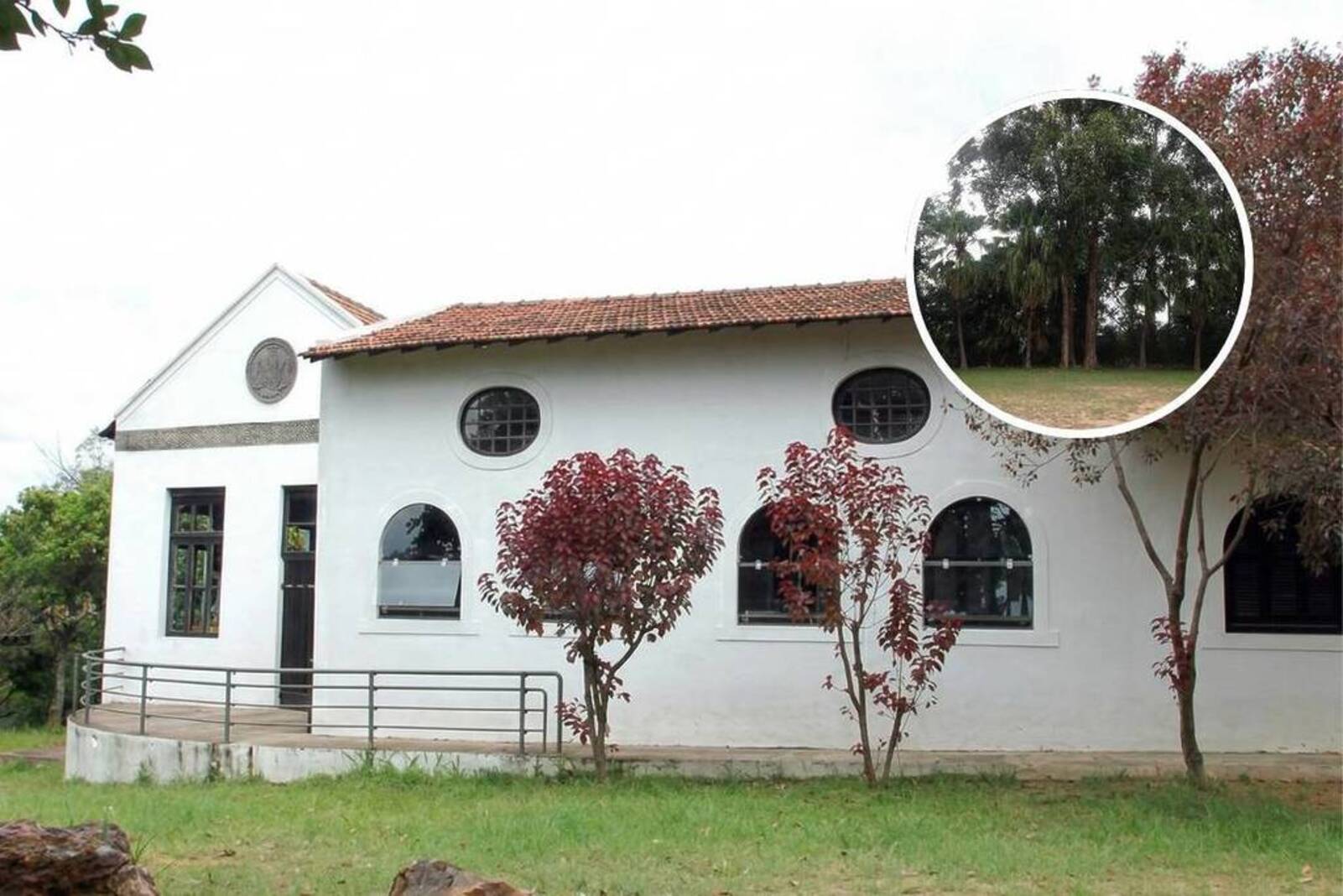
After 14 years of waiting, a rammed earth mansion built in 1702 in the North Zone of São Paulo will become a park with leisure facilities and green areas, with a million-dollar investment.
-
With 2 unfinished nuclear reactors, up to 25 billion in costs, and proven fraud, the Nukegate case has left 800,000 consumers still paying today for energy that will never be produced.

-
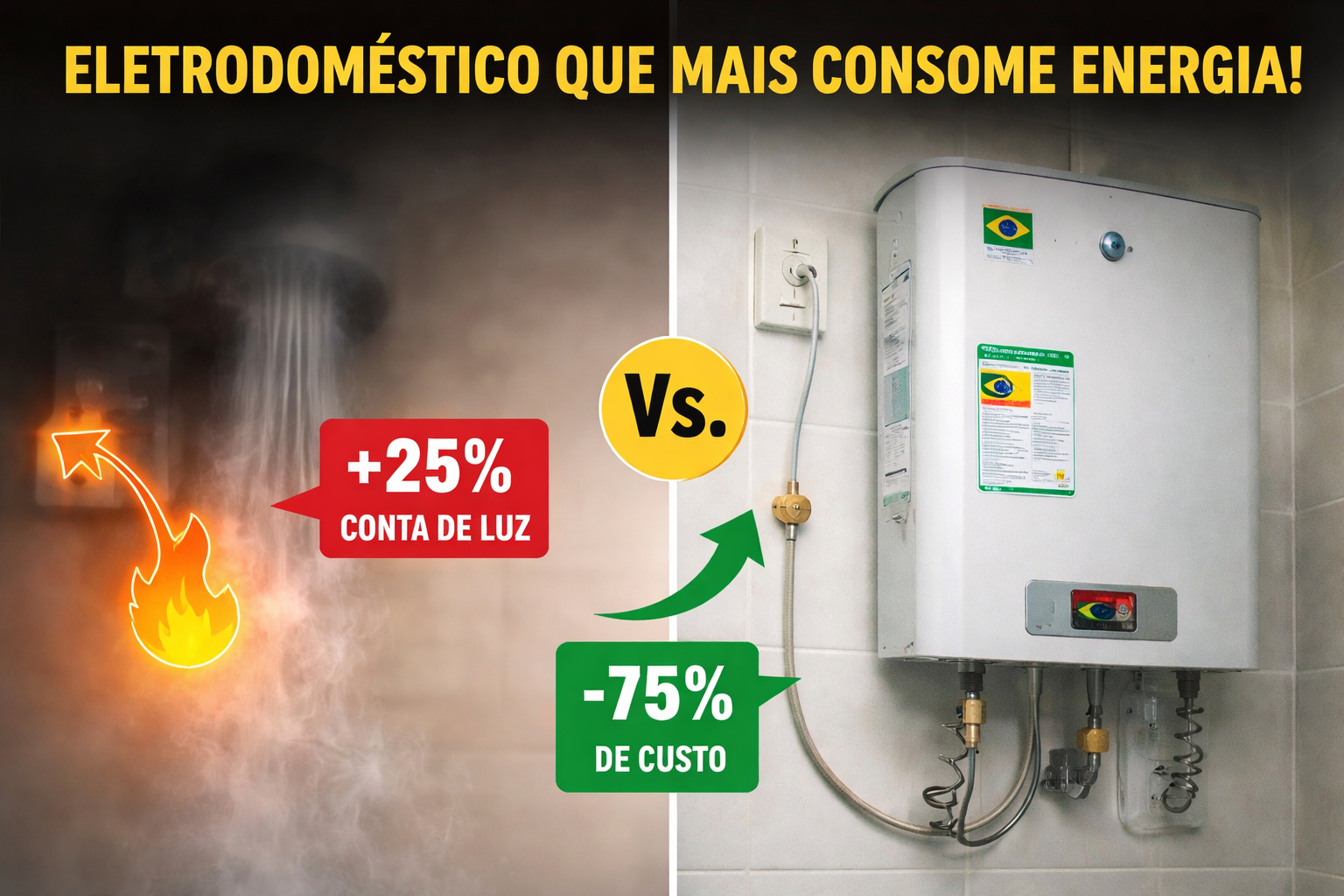
The household appliance that consumes the most energy in Brazilian homes is not the air conditioner; it is located in the smallest room of the house, is used daily, and can account for up to 25% of the electricity bill, while an alternative in the same outlet can reduce this cost by up to 75%.
What Makes a City Affordable to Live In?
The concept of the cheapest city in Brazil goes beyond low prices. It involves analyzing a set of factors: average housing costs, public transportation, food, health, and education. Additionally, the availability of efficient services and good urban infrastructure makes a significant difference.

According to the Institute of Applied Economic Research (IPEA), regions with lower population density, good urban planning, and local public investments tend to offer a lower cost of living without sacrificing quality. “The perception of well-being is directly related to the availability of essential services and public safety,” points out economist Victor Araújo, a researcher at Ipea.
Meet Araguari (Minas Gerais), Marabá (Pará), and Mossoró (Northeast):
Some medium-sized Brazilian cities are standing out in 2025 as excellent alternatives for those seeking economy with quality. One example is Araguari, in Minas Gerais, which attracts new residents due to low rental prices and good coverage of municipal public services. Meanwhile, Marabá, in Pará, stands out for its affordable supermarket prices and real estate, as well as a growing commercial sector.
Another highlight is Mossoró, in the Northeast, which establishes itself as a city with efficient urban infrastructure and prices below the national average. The city has universities, regional hospitals, and a good urban transportation network, along with a dry and stable climate, ideal for those seeking quality of life in the interior of Brazil.
João Pessoa: The Northeastern Capital That Combines Low Cost and Natural Beauty
If you’re looking for an affordable capital without sacrificing paradise beaches, João Pessoa is the ideal choice. Located in the heart of the Northeast, the city has established itself as one of the best places to live in Brazil, with great cost-benefit in housing, urban mobility, and leisure.
The website Expatistan indicates that João Pessoa has one of the lowest costs of living among Brazilian capitals. Furthermore, recent data from the João Pinheiro Foundation highlights that the public safety index and the quality of health services are above the national average, making the city attractive for families and retirees.
Capitals with Lower Rents than Cities like São Paulo or Brasília
Besides João Pessoa, other capitals offer a balanced and accessible urban life. Vitória, in Espírito Santo, is a good example: it has lower rents than cities like São Paulo or Brasília, along with an efficient public transportation system and excellent urban beaches.
These capitals are suitable for those who seek the dynamism of large cities but without the financial burden that major centers usually impose. The presence of universities, expanding jobs, and urban safety contribute to this balance.
Small Cities with a Much Lower Cost of Living Compared to Metropolises
It’s not always necessary to go far to find good opportunities. Patos de Minas, Ijuí, and Ourinhos are small to medium-sized municipalities that stand out for their organization, quality of public services, and strong presence of educational and industrial hubs.
These cities have attracted young people, retirees, and professionals seeking a more peaceful environment, with leisure options and professional growth. Furthermore, the cost of living is much lower compared to metropolises, allowing for better financial control and quality of life.
Living Well While Spending Little: Reality or Illusion?
It is perfectly possible to live with comfort and dignity in cities with a low cost of living. However, it is essential to balance expectations. A municipality with affordable prices may have limitations in certain services—thus, the evaluation should be thorough.
For urban planner Ana Cecília Lima, “the secret is to look for cities with a balance between population size, safety, mobility, and essential services. Not always the smallest city is the best option, but rather the one that offers quality basic support at fair prices.”
What to Consider Before Moving?
Before making any decision, visit the location, talk to residents, explore the neighborhoods, and analyze official data on health, safety, and education. Also, consider the job market and connections to other cities.
The platform Numbeo offers updated comparisons on the cost of living among various Brazilian cities and can be a useful tool in this process. Another tip is to use the Atlas of Human Development to assess indicators such as HDI, income, and access to public services.
Living Well Without Spending Much Is a Strategic Choice
Given the current economic challenges, searching for cities where it’s possible to maintain a good quality of life without compromising the budget has become a smart strategy. Whether in capitals like João Pessoa, a reference in the Northeast, or in medium-sized municipalities like Mossoró and Araguari, the options are becoming increasingly attractive.
The cheapest city in Brazil may vary according to lifestyle and individual needs. However, with planning and good information, it is possible to find destinations that offer comfort, safety, and well-being—all at a much fairer cost.
And you? Have you lived or know any of these cities? Do you want to start a new life in a cheaper and quieter place? Tell us in the comments and share this article with anyone who also dreams of living well while spending little!







-

Uma pessoa reagiu a isso.