





 Portuguese
  English
  Spanish
  5 min of reading
  0 comments


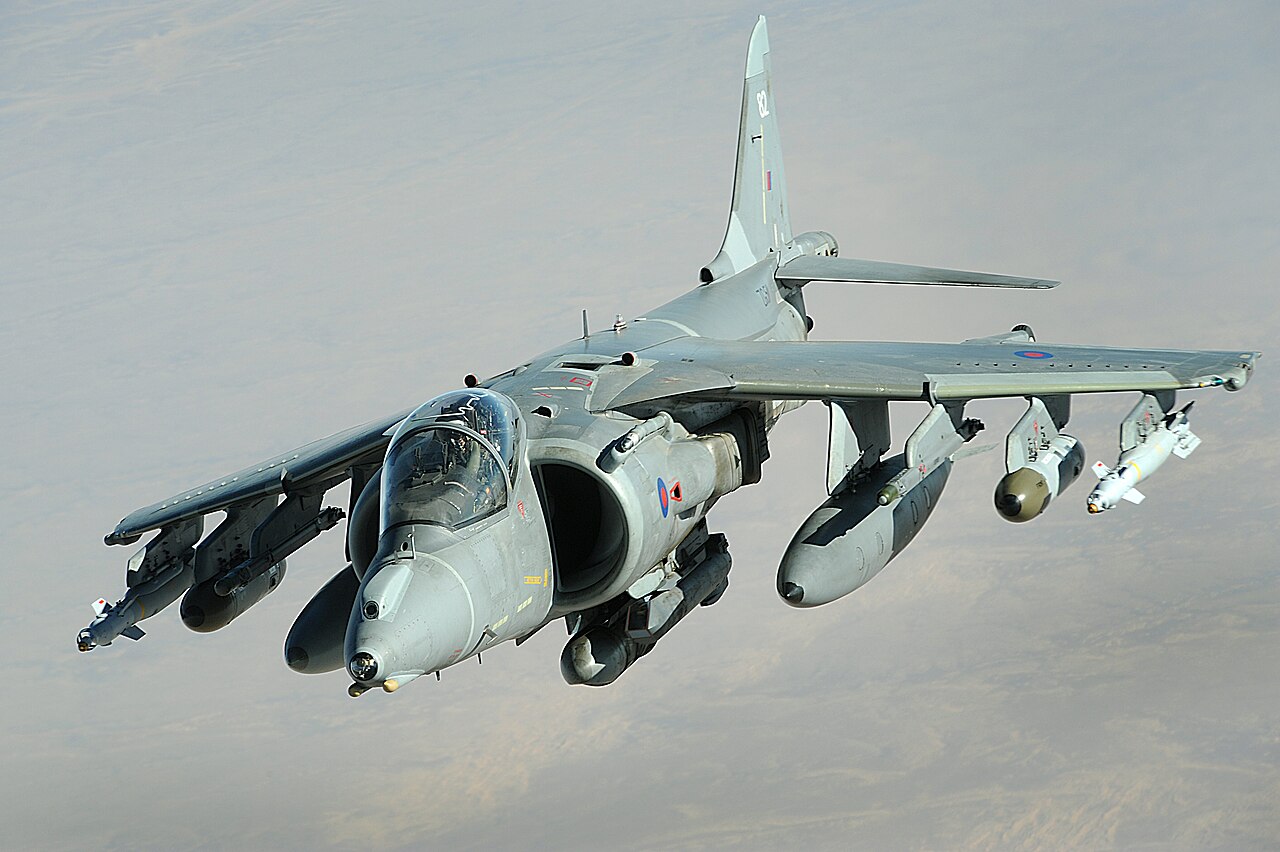
Harrier uses thrust vectoring to brake sharply in flight and surprise enemies with the VIFF maneuver in aerial combat.
During the Cold War, the British aerospace industry introduced one of the most radical innovations in the history of military aviation: the Hawker Siddeley Harrier, an attack fighter capable of taking off and landing vertically and, more importantly, altering the direction of its engine thrust during flight. Developed in the United Kingdom and later adopted by the United States, the Harrier was described by the Royal Air Force Museum as the world’s first jet fighter with vertical takeoff and landing capability, while technical analyses published by the U.S. Naval Institute highlighted its operation on short runways, improvised surfaces, and even severely damaged areas.
The central differentiator of the aircraft was the thrust vectoring system, which allowed the redirection of engine gases in mid-flight through four rotating nozzles. In a technical analysis by the U.S. Naval Institute, the Harrier could maintain thrust directed backward in conventional flight or alter this vector to vertical, for braking or intermediate positions, paving the way for the maneuver known as VIFF, short for Vectoring In Forward Flight. In a technical report from NASA, engineers and pilots from the agency and the then Royal Aerospace Establishment noted that, as early as the 1970s, they began exploring the use of in-flight thrust vectoring (VIFF) to enhance the Harrier’s maneuverability, solidifying one of the most unusual solutions ever brought to the field of combat aviation.
Thrust vectoring system allows redirection of thrust in mid-flight
The Harrier uses a Rolls-Royce Pegasus engine equipped with four movable nozzles that can be rotated during flight. These nozzles direct the flow of hot gases downward, backward, or partially forward, depending on the need.
-
The Army requests R$ 456 billion to defend Brazil, but an expert says that the figure is only alarming on paper and remains small compared to the military shortfall accumulated by the country: “just one foreign aircraft carrier arriving here and they will have an air force larger than ours.”
-
With 7,000 tons and 107 meters, the first drone carrier in Europe was launched into the sea and will be operated by the Portuguese Navy after the testing phase; meet the NRP D. João II.
-
Measuring less than 6 meters, the smallest boat in the U.S. Navy proves that size isn’t everything, being essential for naval operations; meet the Boomin Beaver.
-
The U.S. focused on the more advanced F-35, but cannot produce it in volume; China accelerates industrial scale and aims for up to 300 fighters per year. With a smaller and aging American fleet, air superiority is no longer guaranteed, and deterrence against Beijing is under pressure.
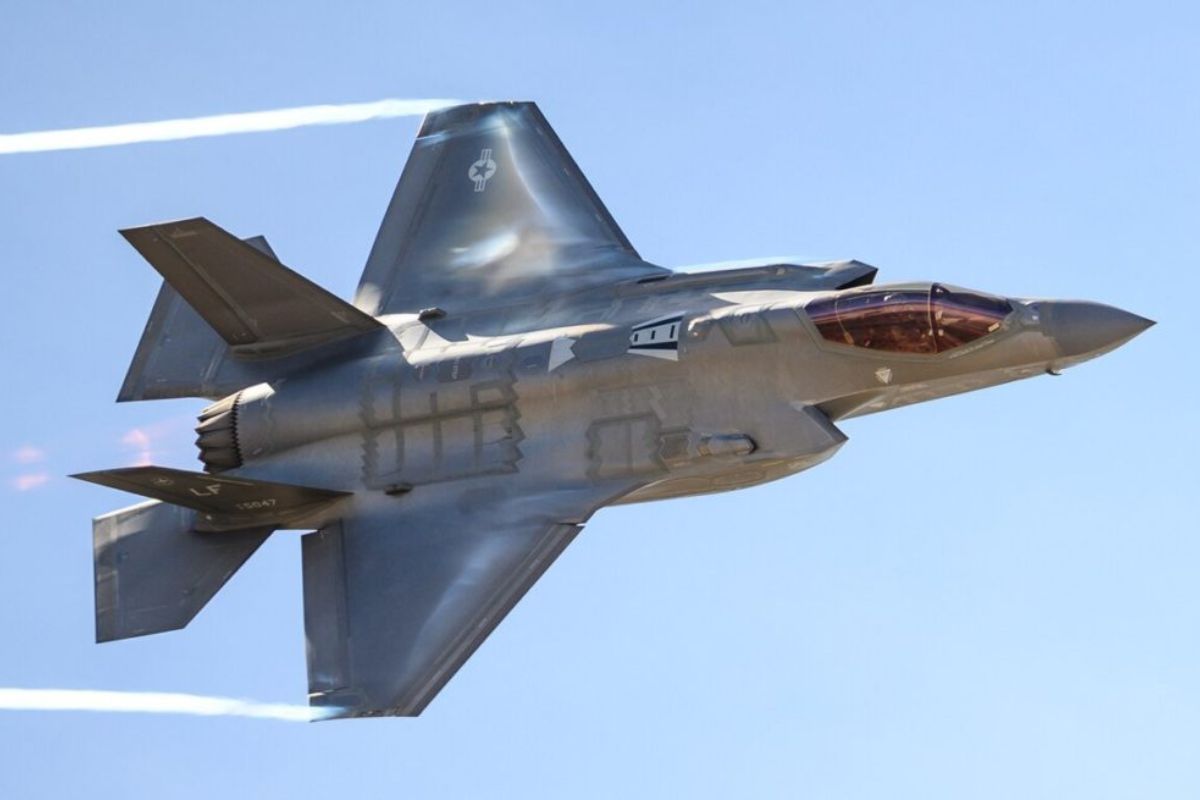
This system allows the pilot to change the flight dynamics of the aircraft in real-time, something impossible in conventional fighters, which rely solely on aerodynamic surfaces for maneuvers.
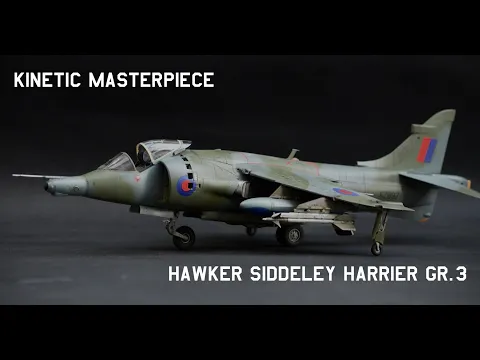

During normal flight, the nozzles remain pointed backward, generating horizontal thrust. However, by rotating them, the pilot can drastically reduce the aircraft’s speed without relying on traditional aerodynamic drag.
VIFF maneuver allows extreme deceleration in seconds
The VIFF maneuver consists of partially or fully redirecting thrust downward or forward while the aircraft is still at high speed. In tests reported by military pilots, the Harrier can quickly reduce its speed from around 925 km/h, creating a sudden deceleration.
This deceleration is so intense that it completely alters the dynamics of an aerial combat, especially in pursuit situations.
While conventional fighters need to maintain speed to sustain flight and maneuverability, the Harrier can interrupt this logic by drastically reducing its speed in seconds.
Technique can cause enemy aircraft to overshoot the target
One of the most impressive effects of the VIFF maneuver is its tactical impact. In a combat situation, when an enemy fighter is in direct pursuit, the Harrier’s sudden deceleration can cause the pursuer to overshoot the target.
This phenomenon occurs because the opposing pilot does not have enough time to react to the sudden change in speed, creating a window of opportunity for a counterattack.
This characteristic has transformed the Harrier into an aircraft with unpredictable behavior in combat, making it difficult for opponents accustomed to traditional flight dynamics to respond.
Initial tests showed extreme forces acting on the pilot
Historical reports of tests indicate that the forces involved in the VIFF maneuver are significant. During experiments conducted by test pilots, the deceleration generated by thrust vectoring produced intense physical effects inside the cockpit.
In one such report, associated with Captain Harry Blot of the United States military aviation, executing the maneuver at high speed resulted in such abrupt deceleration that the pilot was thrown against the seat restraint systems.
These episodes illustrate the level of force involved in the maneuver, which requires precise control and adequate physical preparation from the pilot.
Harrier combines VTOL capability with unique behavior in combat
In addition to the VIFF maneuver, the Harrier also stands out for its vertical takeoff and landing (VTOL) capability. This feature allows it to operate on short runways, improvised bases, and even smaller ships.
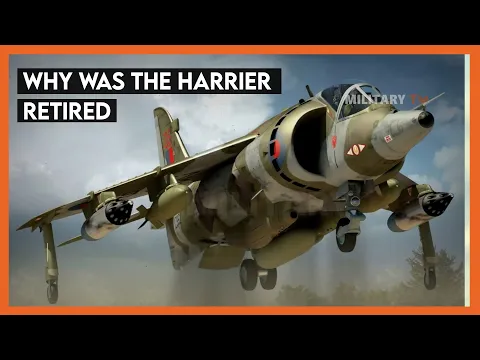
The combination of VTOL with in-flight vectoring creates a set of capabilities that is not replicated by other conventional fighters, making the Harrier a unique platform.
This operational versatility was one of the factors that contributed to its adoption by different armed forces over the decades.
Operational limitations restrict use in modern combat
Despite its unique capabilities, the use of the VIFF maneuver in real combat presents limitations. The extreme deceleration can temporarily reduce the aircraft’s energy, making it vulnerable if not executed at the right moment.
Additionally, fuel consumption and the structural stress associated with frequent use of vectoring require careful planning.
These factors have led to the maneuver being used in a limited way, more as a specific tactical resource than as a standard strategy.
Technology influenced the development of modern aircraft
The thrust vectoring concept introduced by the Harrier has influenced the development of more recent aircraft. Modern fighters like the F-22 and the Su-35 use vectoring systems, although with different objectives focused on extreme maneuverability.
However, none of these models exactly replicate the Harrier’s behavior, which combines vectoring with abrupt deceleration in flight. This keeps the Harrier as a unique reference in the history of aerospace engineering.
Aircraft marked a break in the traditional logic of aerial combat
Traditionally, aerial combat depends on speed, altitude, and kinetic energy. The Harrier introduced the possibility of breaking this logic by allowing a sharp reduction in speed without total loss of control.
This break created a new type of dynamic, where unpredictability becomes a relevant strategic factor. Although it did not replace conventional models, the Harrier demonstrated that new approaches can alter established fundamentals.

The Harrier was used in various operational scenarios, including the Falklands War, where it operated from British aircraft carriers. Its ability to operate in confined spaces was crucial in this context.
The aircraft was also widely employed by the United States Marine Corps, reinforcing its versatility in expeditionary operations.
These applications demonstrated that the concept was viable not only in tests but also in real operations.
Did you already know of a fighter capable of decelerating in mid-flight to deceive the enemy?
Leave your opinion in the comments and tell us if maneuvers like VIFF still have a place in modern aerial combat dominated by sensors and long-range missiles.








Seja o primeiro a reagir!