





 Portuguese
  English
  Spanish
  3 min of reading
  0 comments


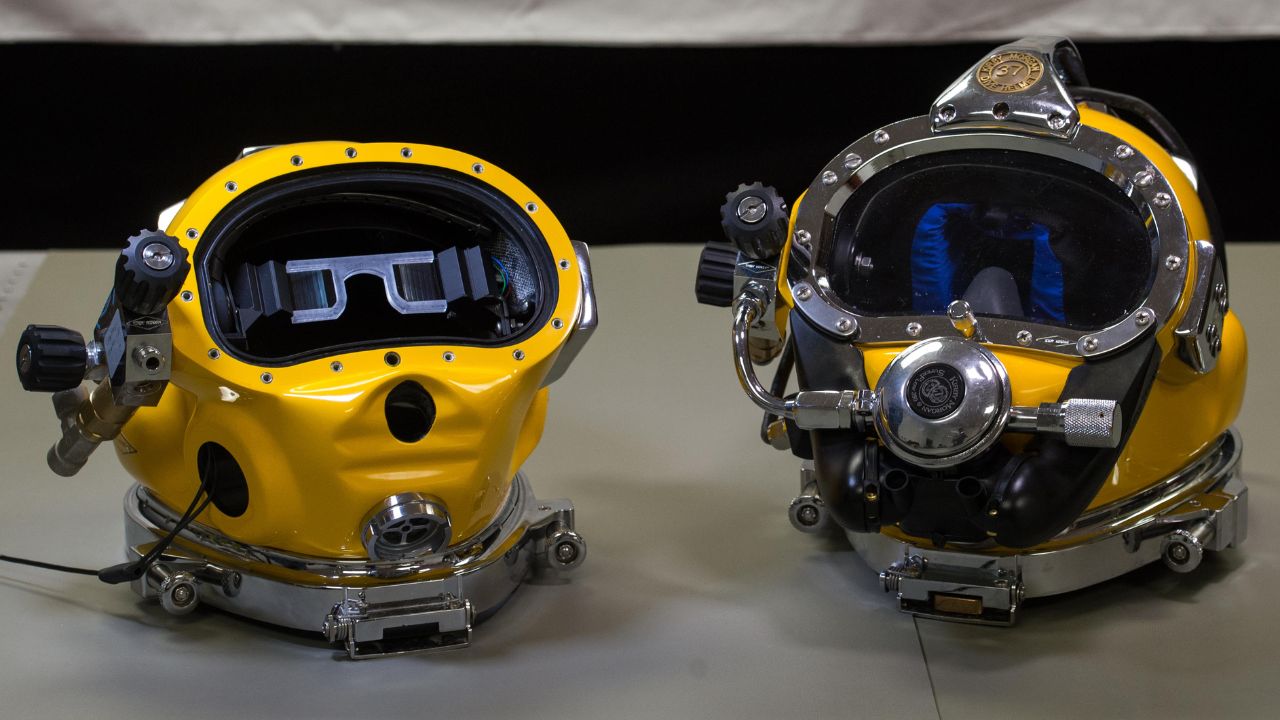
With Augmented Reality Technology, the DAVD Helmet Helps Divers See in Darkness, Access 3D Maps, Depth Readings, and Enhance Safety in Extreme Submarine Operations.
If you think that working underwater is like exploring a giant aquarium full of colorful fish, I’m sorry to say, but the reality is very different. For deep-sea divers, the submerged environment is not just a sea of challenges – it’s almost another planet. Total darkness, mud, sludge, and freezing temperatures make every simple task a true test of survival. But a new technology is changing everything: the augmented vision helmet equipped with the Divers Augmented Vision Display (DAVD) system.
Challenges Faced by Deep-Sea Divers
Imagine being over 40 meters deep, unable to see a hand’s breadth in front of you. This is the daily scenario for many divers who perform essential work, such as repairs on underwater structures and ship inspections. The extreme cold, caused by the freezing water and the mixture of helium and oxygen in their suits, only worsens the situation, requiring constant heating to avoid hypothermia.
Furthermore, divers rely on umbilical cords that provide communication and vital support, such as breathing gas. However, limited visibility and communication difficulties make each operation a highly complex mission, with supervisors on the surface trying to describe details that the diver cannot see.
-
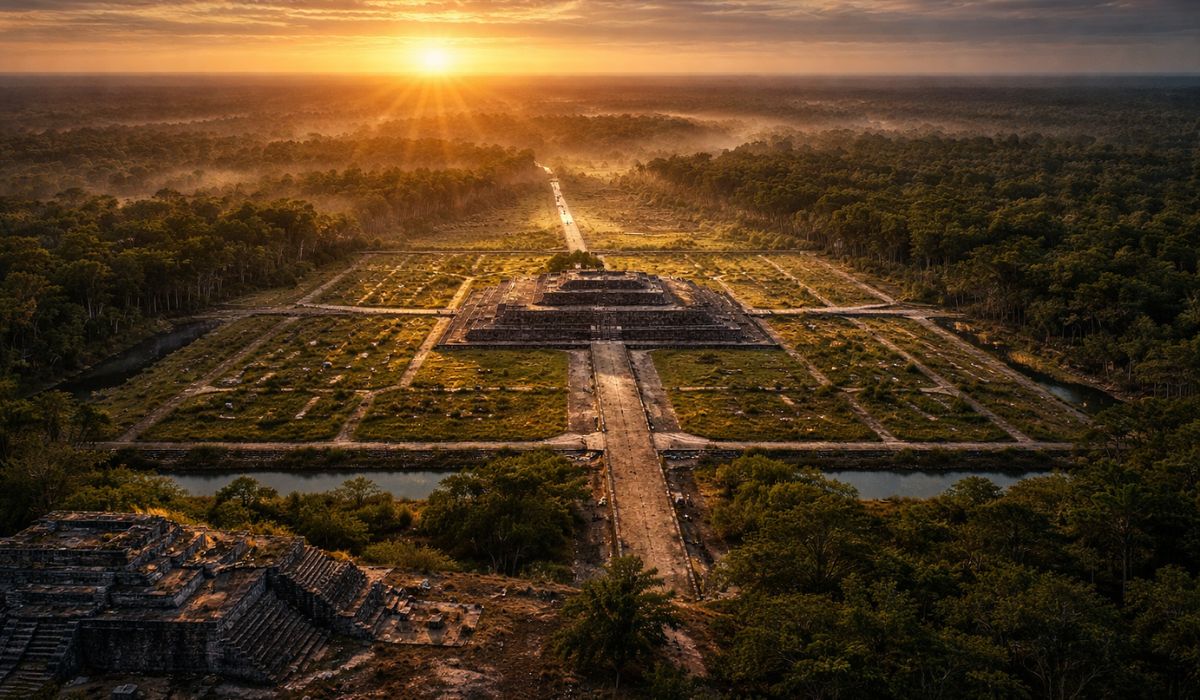
In Mexico, a 3,000-year-old Maya site with the dimensions of an entire city may have been built as a colossal map of the cosmos, created to represent the order of the universe and reveal how this people organized space, time, and rituals.
-
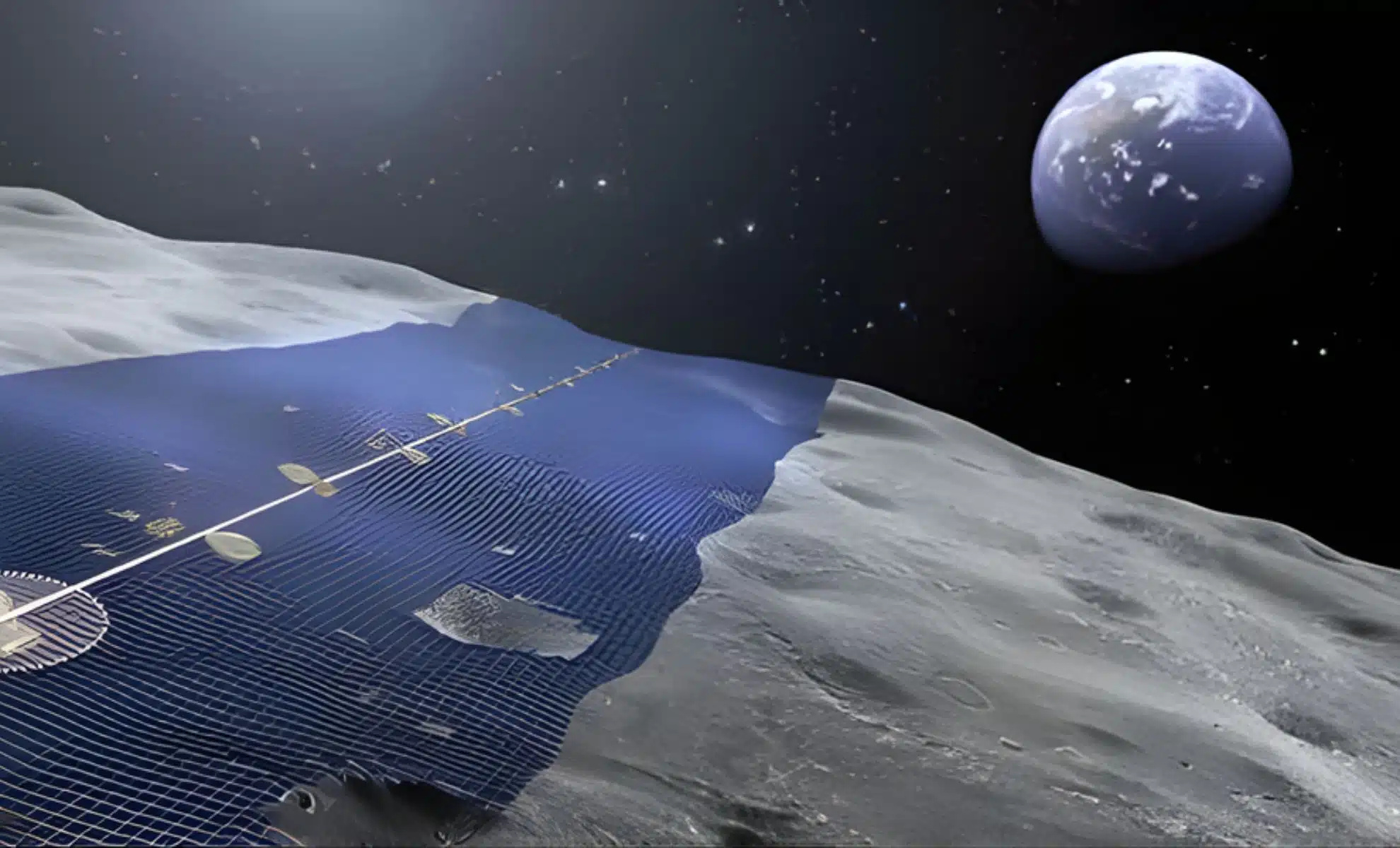
Japan wants to build a solar ring of 10,900 kilometers on the Moon to continuously send energy to Earth.
-
Weighing almost 1 ton, with temperatures of up to 3,000°C, the ability to launch 10,000 fragments within a radius of 1 km, capable of penetrating concrete and melting steel, Turkey’s terrifying bomb emerges as one of the most destructive non-nuclear weapons ever presented.

-
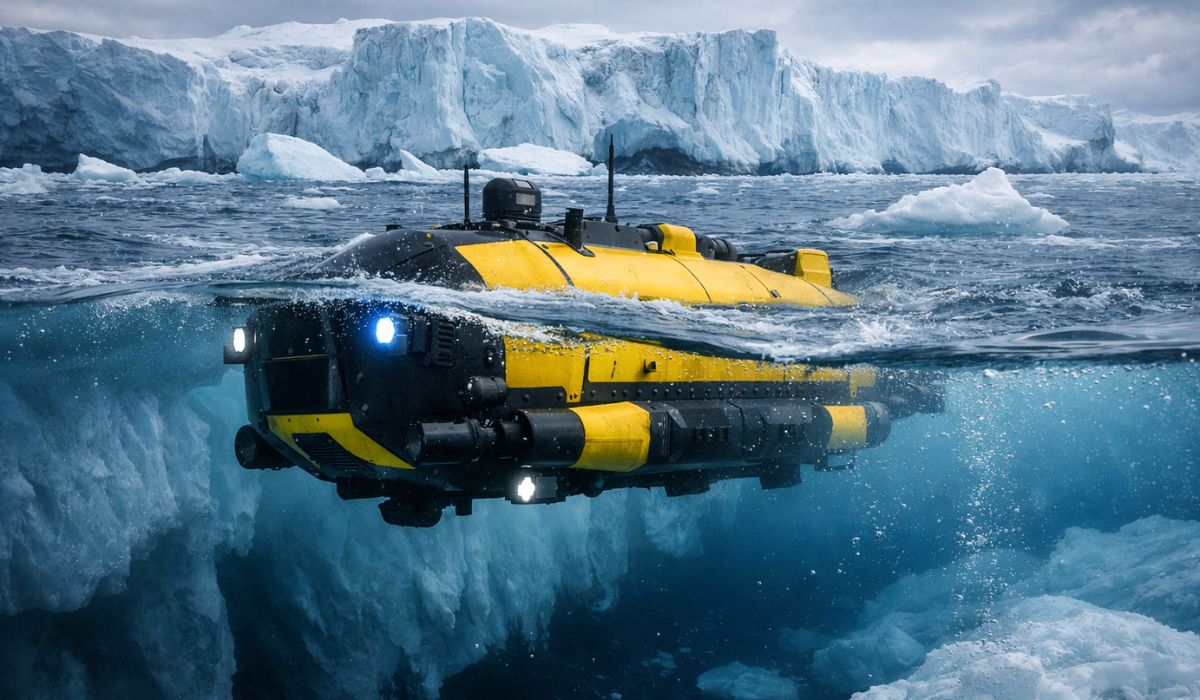
After a submarine disappeared beneath the “Doomsday Glacier,” scientists announce a new monstrous machine capable of operating at 3,000 meters depth to return to the heart of the ice and investigate a threat that could raise sea levels worldwide.

The Emergence of DAVD Technology

To tackle these challenges, the Office of Naval Research (ONR) and Coda Octopus created the DAVD system, an augmented reality device that transforms regular helmets into true information centers. Instead of relying solely on cameras that transmit images to the surface, the DAVD provides data directly to the diver’s visor, creating a much more immersive and functional experience.
With the DAVD, the diver no longer has to rely only on descriptions from a supervisor. The system offers real-time visual information, such as 3D sonar maps, depth readings, gas levels, and even technical models for repairs. It’s as if the helmet transforms into an underwater version of a futuristic control panel.
Key Features of DAVD
The DAVD includes essential tools for divers, such as digital compasses, timers, and navigation instructions with waypoints. This information is displayed directly on the visor, allowing the diver to stay focused on the task without relying on external commands.
Another highlight of the DAVD is its ability to display 3D maps and annotated videos. For example, in an inspection of a submerged bridge, the diver can see exactly where repairs need to be made, eliminating guesswork and reducing the time spent on tasks.
Impacts of DAVD on Submarine Operations
Since 2016, the DAVD has been tested in various situations, including recovery operations after disasters, such as the wildfires in Maui in 2023. It has also been used in the inspection of the USS Arizona memorial in Pearl Harbor, demonstrating its efficiency in both technical and historical tasks.
With the DAVD, divers have more control over their operations, making the work not only faster but also safer. The accuracy of the data reduces the risk of accidents and improves decision-making in high-pressure environments.







-

-

-

-

9 pessoas reagiram a isso.