





 Portuguese
  English
  Spanish
 5 min of reading


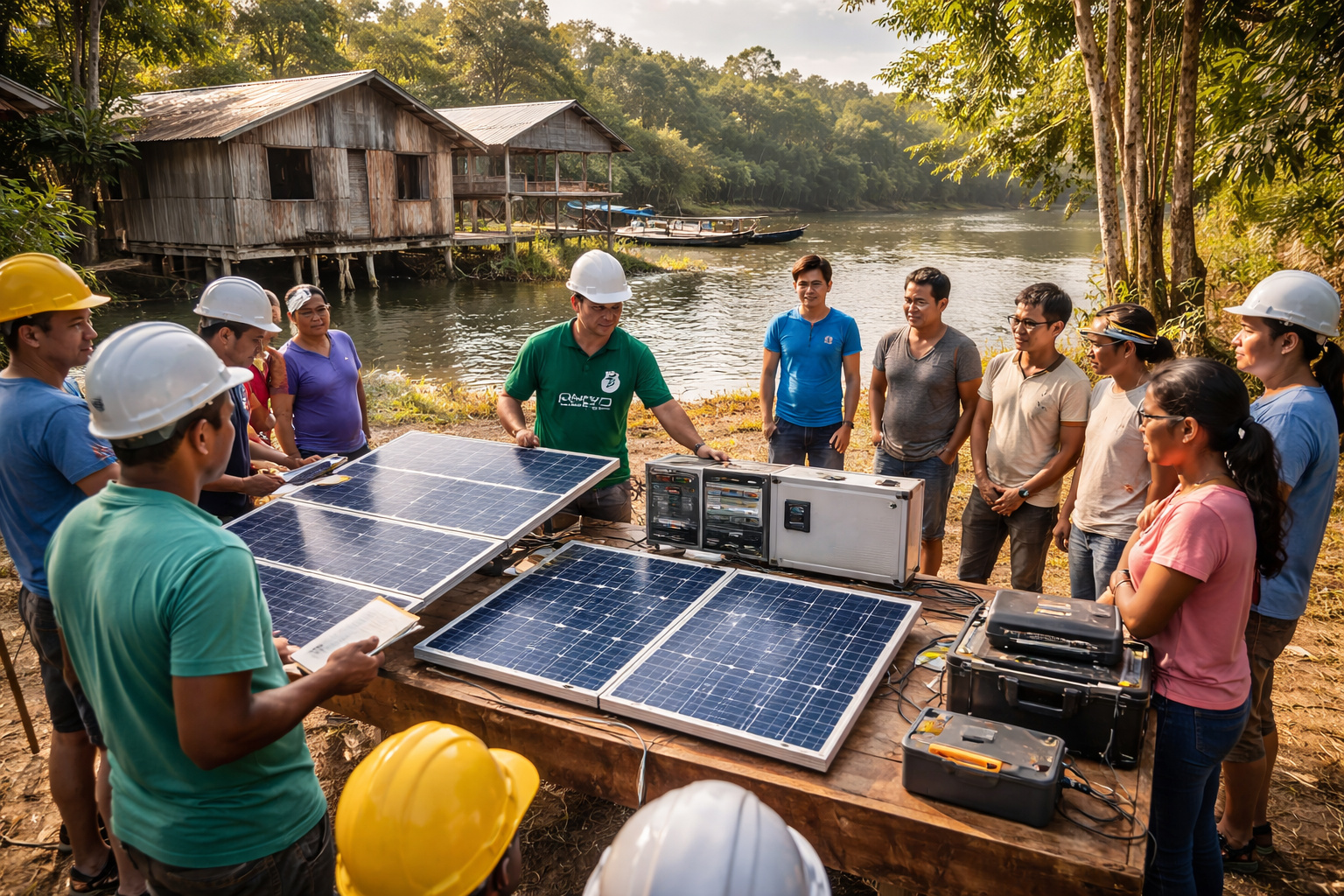
Over the past few years, solar energy has taken on an increasingly relevant role in the debate on sustainable development and social inclusion. However, in areas far from large urban centers, access to technical training and technology still represents a structural challenge. In light of this scenario, an educational program focused on training in solar energy is promoting significant changes in riverside communities in the Amazon.
The initiative is developed by BYD Indústria de Baterias LTDA and is part of the company’s investments in Research, Development, and Innovation (R&D) directed towards the Northern region of Brazil. In total, more than R$ 1.1 million is being invested in the project, which aims to train 320 riverside inhabitants in photovoltaic solar energy systems.
From the beginning, the program was structured to operate outside the metropolitan region of Manaus, reaching populations that face daily limitations in infrastructure, access to energy, and professional qualification opportunities.
-
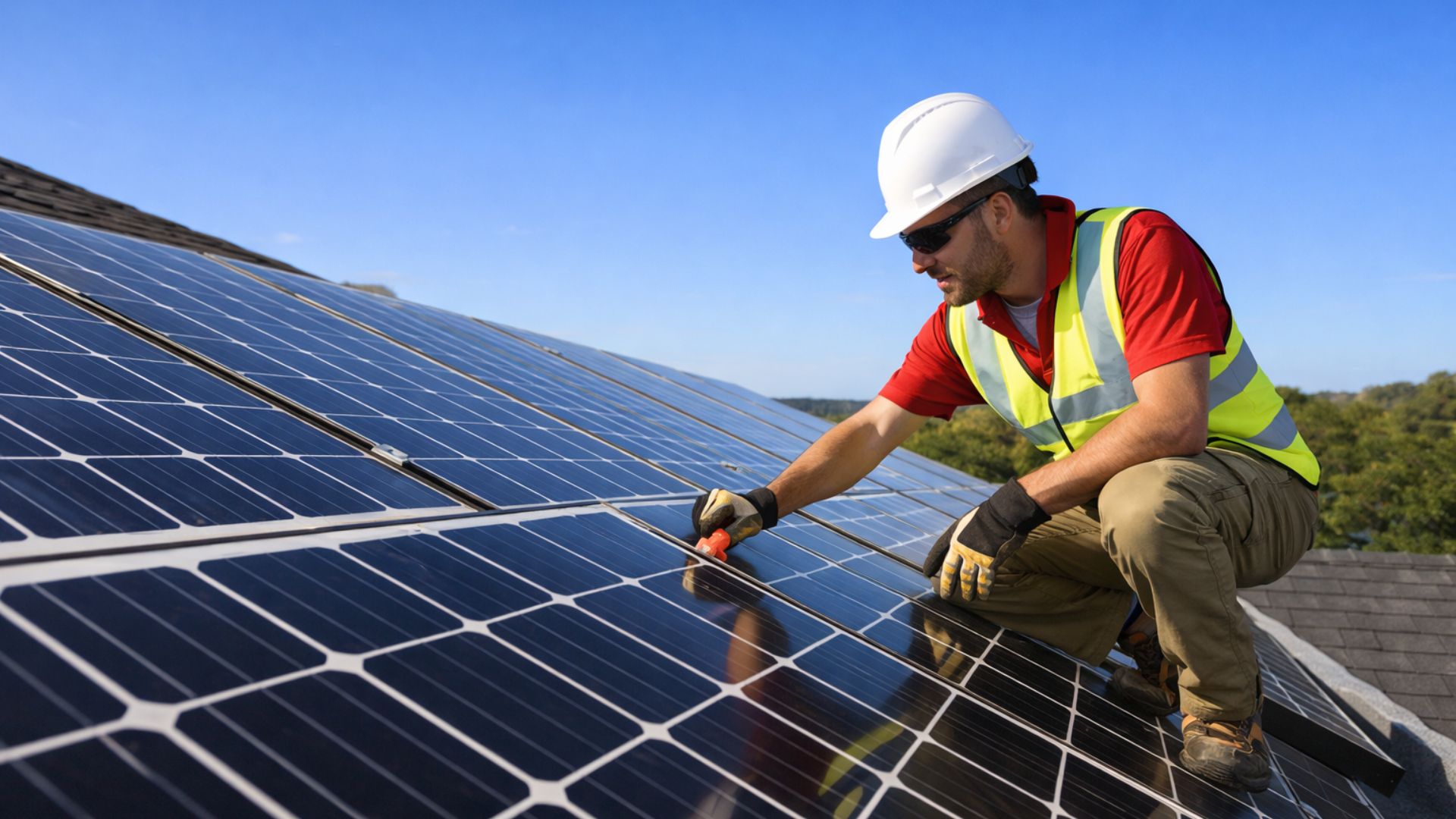
Seagri’s headquarters invests in solar energy with Neoenergia Coelba and promises to cut electricity costs, highlighting a strategic advance in sustainability and energy efficiency within state public administration.
-
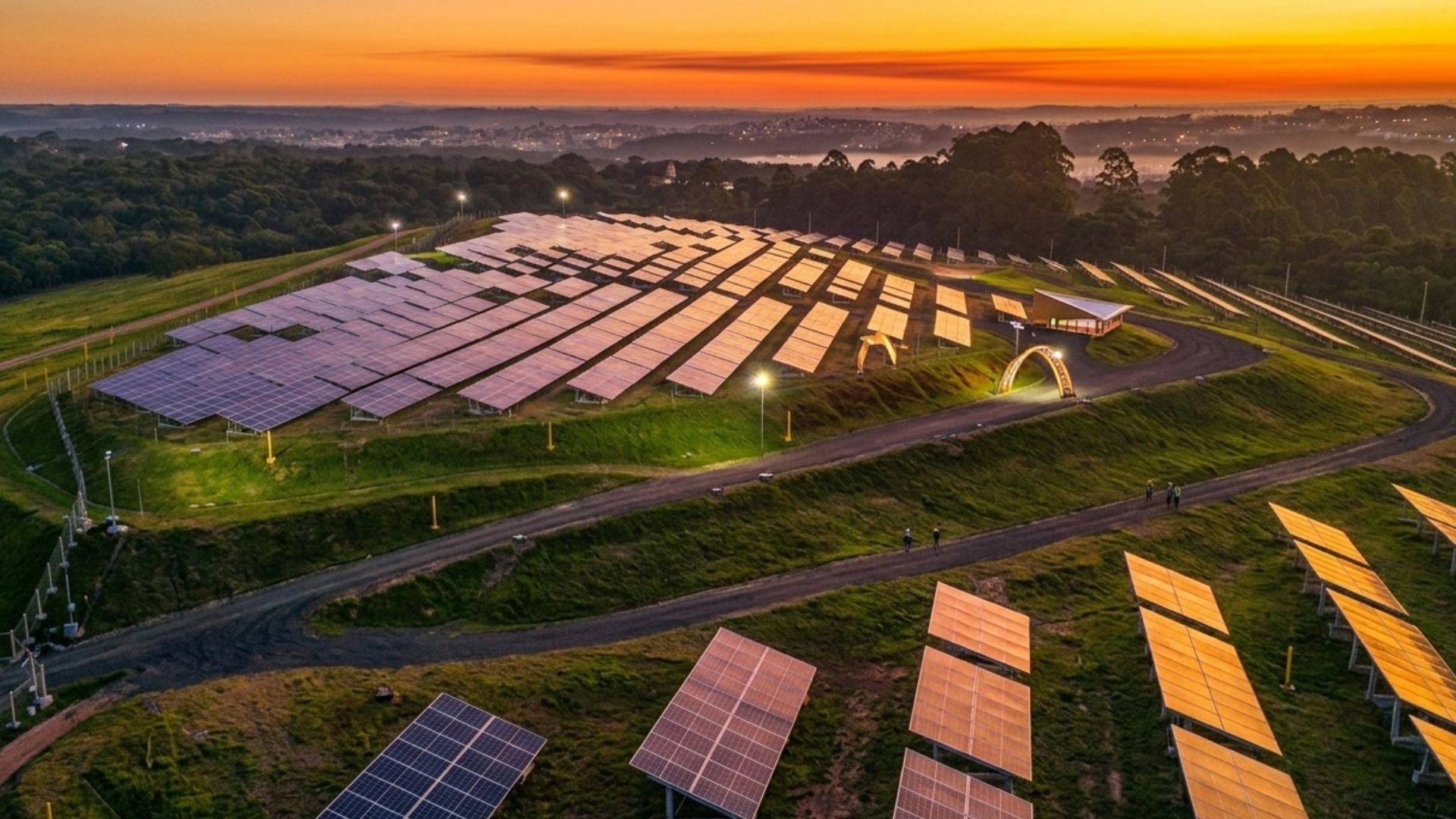
Solar Pyramid draws attention by converting solar energy into million-dollar savings and repositioning the City Hall of Curitiba as an example of innovation, sustainability, and intelligent use of public resources.
-
Europe records strong euro economy with solar energy in March and sparks curiosity about which country leads growth that redefines the energy market and reduces costs.

-
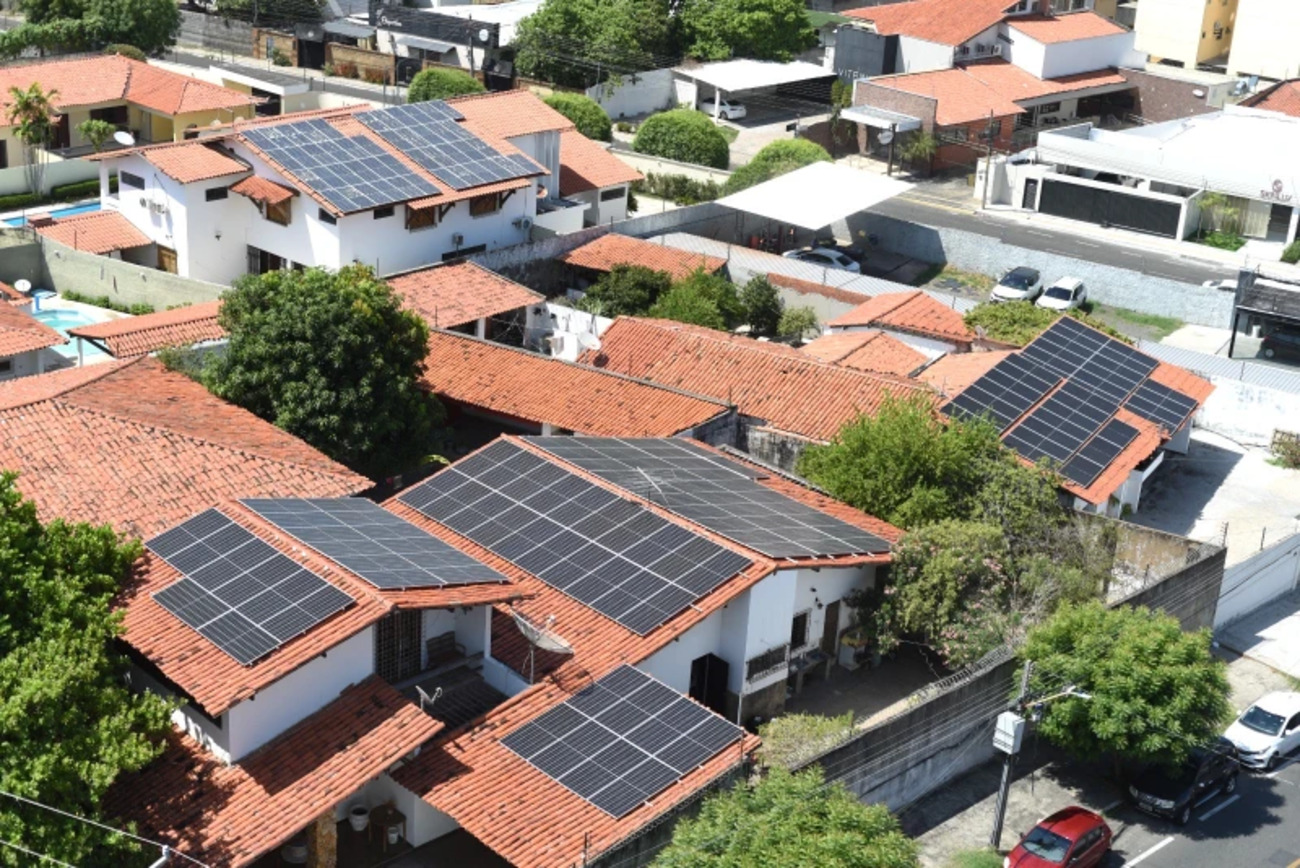
Piauí reaches a historic milestone in energy transition: State records nearly 160,000 households powered by solar energy and leads growth in the Northeast.

Solar Energy as a Tool for Social Inclusion
Historically, many riverside communities in the Amazon depend on precarious solutions for electricity supply. In several cases, access to energy occurs through diesel generators, which present high costs, environmental impact, and limited operation.
In this context, solar energy emerges as a strategic alternative. In addition to reducing dependence on fossil fuels, it allows for greater energy autonomy, especially in isolated regions. However, for this transition to be sustainable, it is essential to invest in local training.
For this reason, BYD’s program goes beyond the installation of equipment. It focuses on technical training as a basis for social transformation, enabling the residents themselves to understand, operate, and maintain the solar systems.
Thus, energy ceases to be merely a resource and becomes a source of knowledge and income generation.
Program Structure and Investment in Knowledge
According to the company, the educational program is designed to offer practical and theoretical training in photovoltaic solar energy. Participants learn from basic electricity concepts to the installation, operation, and maintenance of solar systems adapted to the Amazonian reality.
Moreover, the content takes into account local specificities. The training addresses challenges such as climate, river logistics, and characteristics of riverside housing. This way, the knowledge transmitted becomes applicable and aligned with the real needs of the communities.
The investment of over R$ 1.1 million reflects the project’s dimension. According to BYD, the resources are part of the R&D commitments aimed at promoting regional development and the diffusion of clean technologies in the Northern part of the country.
Consequently, the program strengthens not only professional qualification but also local technological capabilities.
Direct Impacts on Riversides Communities
As training progresses, the impacts become visible. Firstly, riverside inhabitants begin to understand the functioning of solar systems, reducing dependence on external technicians. This represents a gain in autonomy and a decrease in costs in the long run.
Additionally, technical training opens up new job opportunities. The trained participants can work in the installation and maintenance of solar systems in their own communities and in neighboring areas. Thus, solar energy also becomes a source of income.
Another relevant effect involves the improvement of quality of life. With more stable access to electricity, schools, health posts, and residences begin to have better operating conditions. Therefore, solar energy contributes to advancements in areas such as education, health, and communication.
Therefore, the impact of the program goes beyond the energy field and reaches social development.
Energy, Sustainability, and Regional Development
From an environmental standpoint, the initiative also presents significant gains. The replacement of diesel generators with solar systems reduces greenhouse gas emissions and minimizes environmental contamination risks, especially in sensitive areas such as the Amazon.
Furthermore, by training local residents, the program creates a more sustainable model for solar energy expansion. Instead of relying solely on external solutions, communities become protagonists of the energy transition.
According to regional development experts, this type of approach increases the chances of success for renewable energy projects in remote areas. After all, when knowledge remains within the territory, technology tends to be better utilized and preserved.
Thus, the program reinforces the idea that sustainability involves, at the same time, the environment, the economy, and social inclusion.
The Role of the Private Sector in the Energy Transition
BYD’s actions in the Amazon highlight the growing role of the private sector in promoting the energy transition. According to the company, investments in R&D aim not only to develop technologies but also to create a positive impact in the regions where it operates.
In this sense, the solar energy training program aligns with a long-term vision. By training local professionals, the company contributes to the creation of an ecosystem favorable to the expansion of renewable energy in Northern Brazil.
Moreover, the initiative aligns with global trends that link technological innovation to social responsibility. Increasingly, clean energy projects incorporate educational components as a way to ensure lasting results.
Therefore, technical training emerges as a key element of the energy transition in vulnerable regions.
A Path to Autonomy and a Sustainable Future
As the program progresses and new classes are formed, the impact tends to multiply. The knowledge acquired by the 320 trained riverside inhabitants does not remain confined to the course. It circulates through the communities, strengthens local networks, and inspires new initiatives.
More than just teaching about solar panels, the program stimulates a shift in mindset. Energy comes to be seen as a tool for autonomy, innovation, and development.
Thus, training in solar energy in the riverside communities of the Amazon represents a concrete step towards a more sustainable and inclusive future. By combining technology, education, and social commitment, the initiative demonstrates that the energy transition can — and should — reach all territories, including those historically distanced from major economic decisions.








Seja o primeiro a reagir!