Portuguese
  Spanish


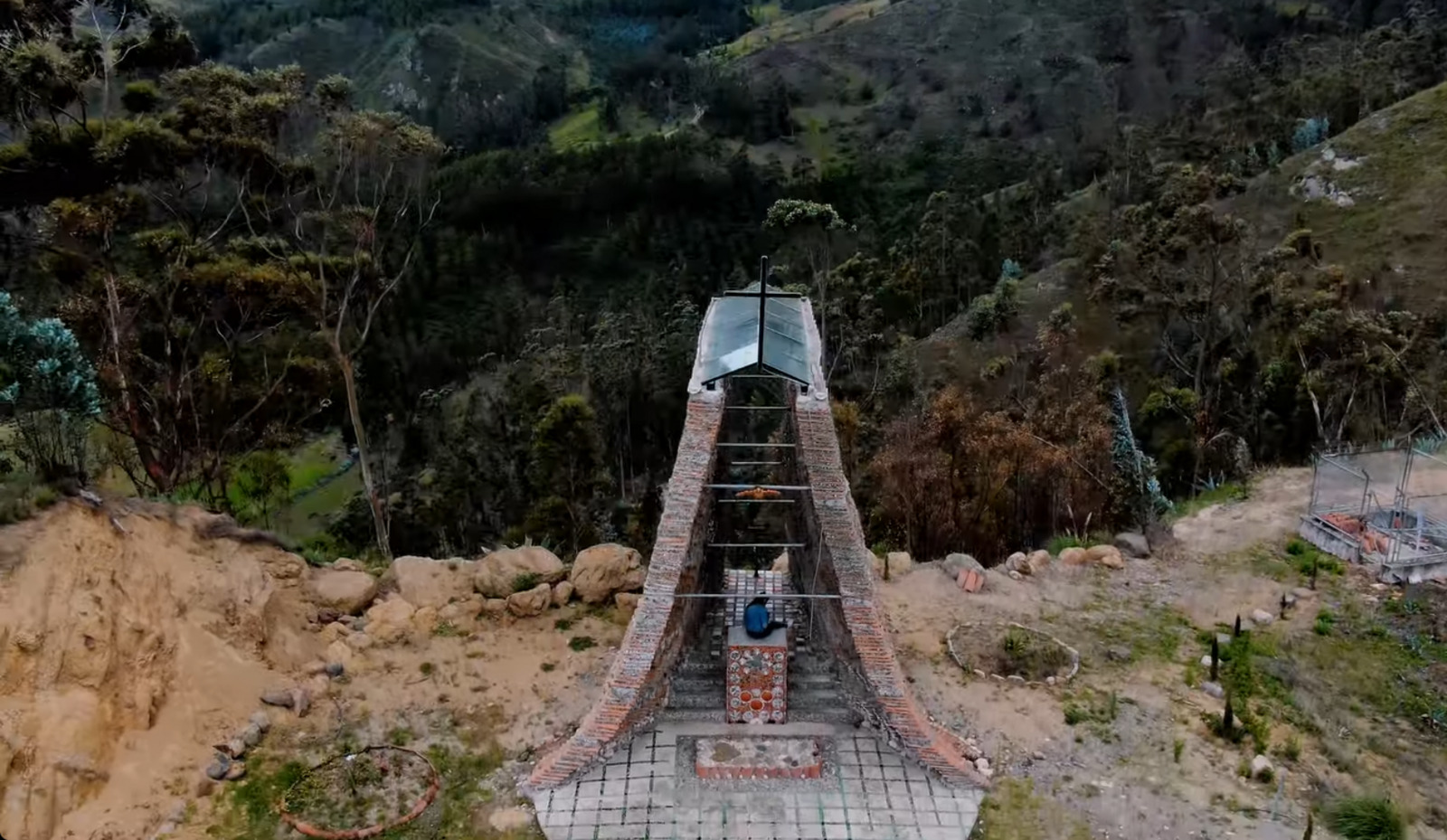


Chapel Built with Recycled Tiles Completed in 2020 at the Highest Point of the Taquil Cemetery in Loja Becomes Central Space for Annual Mass and Local Tourist Attraction
At the highest point of the Taquil cemetery, in rural Ecuador, the chapel built with recycled tiles was completed in 2020 to host the annual mass in honor of the deceased, becoming a religious, community, and tourist reference in the region.
Chapel Built with Recycled Tiles Reinforces Religious Tradition in Taquil
Located in an area marked by collective practices and a strong Catholic tradition, the chapel built with recycled tiles has become part of the daily life of the local population.
The religious monument occupies a strategic position in the territory, strengthening the relationship between memory, spirituality, and landscape.
-
India excavates a 28 km artificial lake in the Thar Desert, lines the bottom with a giant plastic sheet to prevent 1.41 million tons of water from disappearing into the sand, and attempts to supply 5 million people throughout the year.

-
12-year-old girl develops a virtual receptionist with artificial intelligence for small businesses and demonstrates how the combination of creativity, programming, and automation can boost productivity, reduce repetitive tasks, and expand access to digital transformation.

-
A rock weighing almost 500 tons seems to defy gravity for over 11,000 years in Finland and remains balanced on a tiny base without collapsing or moving.
-
At 76 years old, a retired man reveals a subterranean labyrinth he dug by hand for 30 years under his own garden, descending 6 meters into sand dunes, erecting 1.5-meter concrete walls with calculations from his mathematician wife, and transforming a “crazy” idea into a hidden cave with a bridge and waterfall.


Conceived by the firms Jimenez Arquitectos and FB+estudio, the project involved the participation of the parish priest, community leaders, and residents.
The main challenge was to optimize construction and financial resources while respecting existing limitations.
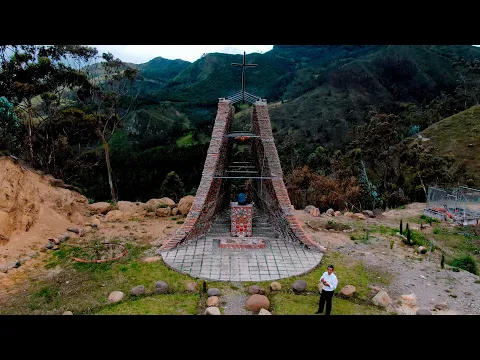

Project Prioritizes Simple Solutions and Integration with the Landscape
The architectural proposal adopted solutions considered simple and efficient, aligned with the local context. Since religious celebrations often take place outdoors, an open chapel was chosen, valuing the natural environment around it.
The spatial configuration establishes a direct connection between the sacred space and the landscape. The structure was designed to respond to environmental conditions and the religious practices of the community, maintaining coherence with the local reality.
Minga Facilitates Construction with Reused Materials
The work was executed through minga, a traditional collective work system. This model allowed the active participation of the inhabitants in the construction of the chapel built with recycled tiles, reinforcing the community character of the project.
Given the economic limitations and rural migration that resulted in abandoned houses, the project prioritized the reuse of available materials. Recycled tiles were used, along with stone, earth, and wood, reducing costs and impacts.
Construction System Ensures Ventilation and Natural Lighting
The system is based on the overlapping of tiles. In the first third of the chapel, a continuous layer was formed.
In the remaining two-thirds, tubes direct the wind, ensuring ventilation and comfort for visitors.
The curved walls dissipate the force of the winds and guide the gaze toward the landscape. A zenith opening allows natural light to enter, intensifying the spiritual atmosphere of the space and reinforcing its architectural identity.
Artistic Elements Expand Religious and Tourist Function
The main façade features a sculpture of the Holy Spirit. The altar, flooring, and part of the masonry received mosaics made from recycled materials, incorporating an artistic dimension to the ensemble.
In addition to hosting the annual celebration, the chapel built with recycled tiles has established itself as a point of tourist interest. The influx of visitors boosts small local economies, strengthening cultural identity and community life in Taquil.
With information from Casa Vogue.