





 Portuguese
  English
  Spanish
  4 min of reading
  56 comments


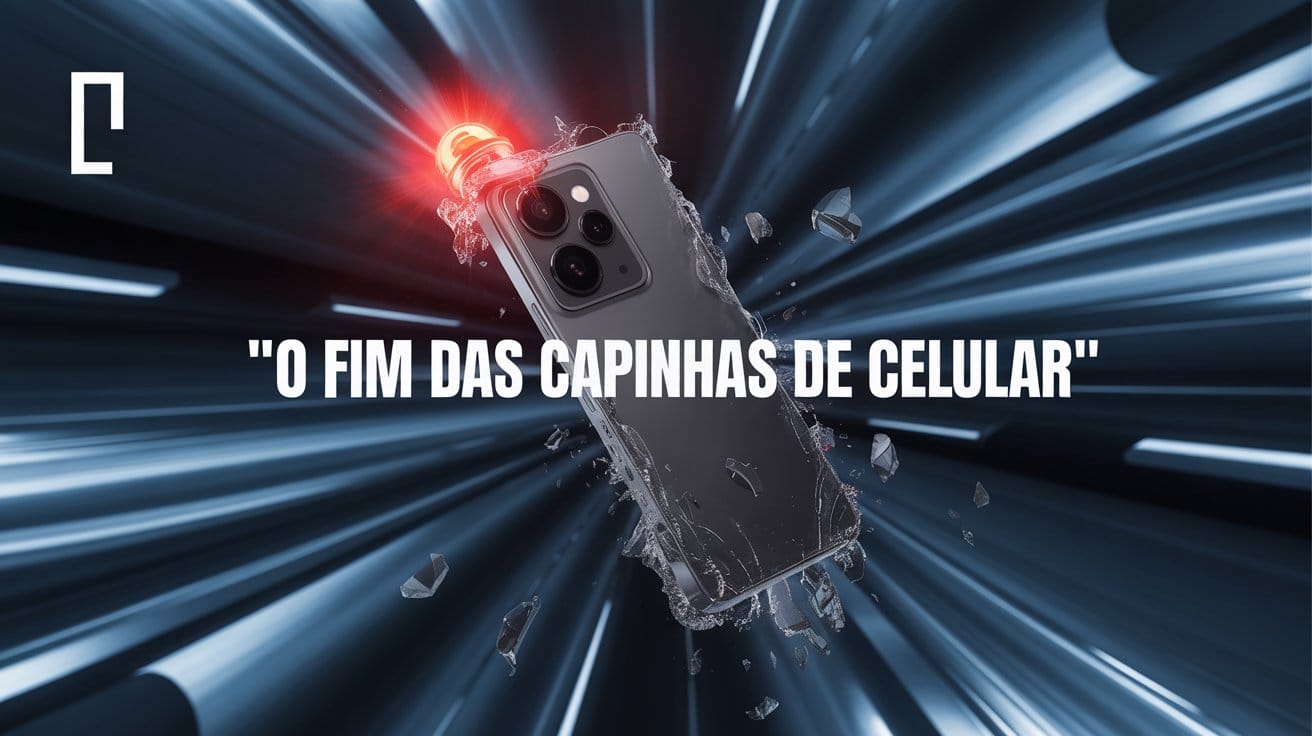


Advancements In Protection Technology For Smartphones Challenges Traditional Case Use While New Developments In Reinforced Glass And Market Changes Indicate A Transformation In How We Care For Devices.
The Traditional Phone Case May Be Approaching Its End, According To A New Trend That Is Gaining Momentum Among Users And Technology Experts.
Increasingly, Manufacturers Are No Longer Including Protective Cases In The Packaging Of Smartphones, Betting On The Natural Durability Of The Devices.
According To Journalist Thomas Germain From The BBC, This Change Is Not Just About Cost Or Sustainability, But Reflects A Significant Evolution In The Technology Of The Glass That Protects Phones.
-
These living root bridges and ladders are over 700 years old and help indigenous people survive in one of the rainiest regions in the world.

-
From sertanejo star to international investor: Ana Castela invests millions in a mansion in the USA, creates a themed accommodation in Orlando, and shows that the “boiadeira” also wants to grow away from the stage.

-
The 10 most stunning motorhomes in the world: a $3 million trailer with a rooftop nightclub and garage for a Ferrari, “palaces on wheels” with Italian marble, private cinema, and five-star hotel luxury for billionaires.

-
How the terraforming of Mars can transform the planet: artificial aerosols can increase the temperature by up to 35°C in 15 years, creating conditions for liquid water.


Germain Decided To Conduct An Unusual Experiment: To Use His Smartphone Without Any Type Of Protection For An Entire Month, Even Aware Of The Risks.
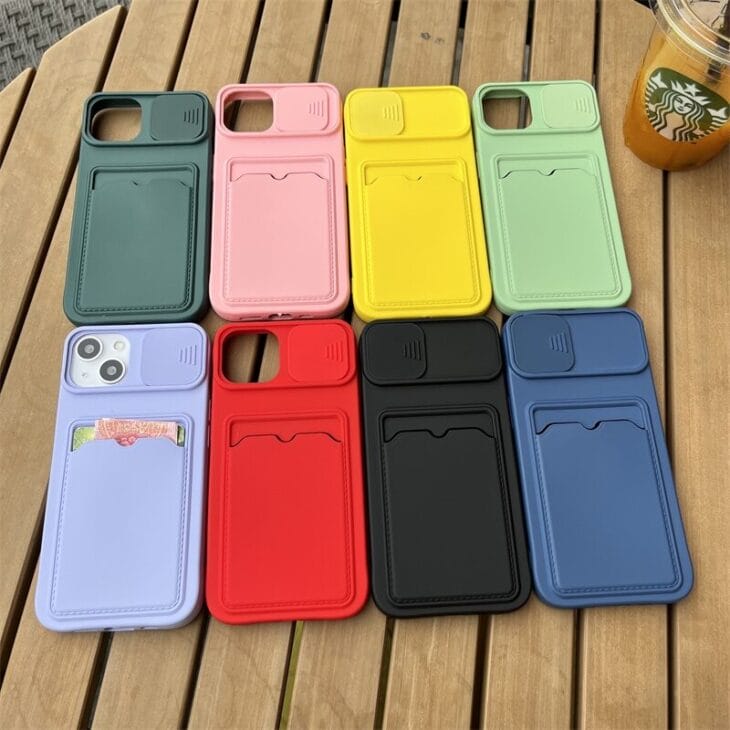
Experiment With Drop And Resistance
During The Test, The Device Experienced Only One More Serious Fall, On The 26th Day, When It Slipped Out Of His Hands And Hit The Stairs Three Times.
The Impact, While Significant, Only Caused A Small Cut On The Side Of The iPhone — A Concrete Proof That Current Smartphones Have A Resistance Far Superior To Previous Generations.
However, Germain Warns That This Resistance Does Not Make Devices Indestructible.
“There Are Situations Where Cracks Can Occur, And Stronger Impacts Can Cause Irreparable Damage,” He Highlights.
This Advancement In Protection Is Due To Materials Like Corning’s Gorilla Glass, Whose Most Recent Version, Called Gorilla Armor 2, Equips Models Like The Galaxy S25 Ultra.
According To Laboratory Tests By The Company, The Glass Withstands Drops Of Up To 2.2 Meters Without Breaking, Reinforcing The Idea That The Case May No Longer Be A Mandatory Item.
Data And Recent Studies
According To A Survey By The American Insurer Allstate, Released In 2024, 78 Million Americans Reported Damage To Their Smartphones, Which Represents An 11% Decrease Compared To 2020.
This Data Suggests That Devices Are Becoming More Resilient And That The Need For Cases May Be Decreasing.
Experts From The Consumer Reports Magazine, A Reference In Electronic Durability Testing, Have Been Monitoring This Evolution For Almost 90 Years.
One Of The Main Tests Is The So-Called “Drop Test,” Which Involves Repeatedly Throwing Devices Against Hard Surfaces Like Concrete.
Rich Fisco, Who Is Responsible For The Tests, States That It Is Rare To See A Phone Fail In These Experiments Nowadays.
“The Glass Has Improved A Lot. Smartphones Are Performing Much Better Than In The Past,” He Explains.
According To Him, Although Using Cases Is No Longer Essential, They Still Hold Value In Preventing Minor Accidents And Protecting Against Unexpected Risks.
More Than Physical Protection
In Addition To Issues Of Physical Resistance, The Smartphone Market Also Faces Changes On Other Fronts.
An Example Is The Solutions For Everyday Problems, Such As Unwanted Calls And Silent Notifications, Which Annoy Many Users.
For This, Tools Like The “Do Not Disturb” Platform Are Gaining Attention, Helping To Filter Contacts And Improve The Consumer Experience.
This Transformation In Usage Habits And The Design Of Devices Occurs At A Time When The Technology Industry Is Betting On Constant Improvements To Enhance The Durability And Convenience Of Mobile Devices.
Manufacturers And Consumers Now Face A New Challenge: Balancing The Natural Protection Of Smartphones With The Practicality And Lightweight Design That Many Value.


Sustainability And User Profile
In Addition, Cases, Which Were Once Almost Mandatory, Also Had A Negative Side For The Environment, As Many Were Discarded Quickly, Accumulating Plastic Waste.
With The Decrease In The Use Of These Accessories, There Is A Positive Environmental Impact, Aligned With Global Demands For Sustainability.
However, It Is Important To Highlight That The Use Or Non-Use Of A Case Depends On The User’s Profile.
For Those Working In Riskier Environments Or Who Have A Habit Of Leaving Their Phones In Places Where They Could Experience Frequent Drops, Extra Protection Is Still Recommended.
On The Other Hand, For Those Who Prefer Thinner, Lighter Devices With Visible Design, Betting On The Strength Of Glass Can Be An Advantageous Choice.
After All, Current Technologies, Like Gorilla Glass And Specific Chemical Treatments, Enhance Device Durability Without The Need For Additional Accessories.
Meanwhile, The Market Closely Monitors These Changes, And New Solutions To Protect Smartphones Without Compromising Aesthetics Or User Experience Continue To Emerge.
For Example, There Are Technologies For Ultra-Thin Protective Films That Maintain The Original Appearance Of The Device, In Addition To Biodegradable Cases That Cater To Those Who Still Prefer Physical Protection But In A More Conscious Manner.
The Transition To A More Conscious And Minimalist Use Of Smartphones, Without Cases, Still Faces Challenges And Resistance, But The Scientific Evidence And Laboratory Tests Indicate That This May Be The Dominant Trend For The Coming Years.
Do You Think Phone Cases Will Really Disappear From The Market? Or Will They Remain An Essential Item To Protect Our Devices?






Na verdade tem vários aspectos, a case ajuda de mais para a conservação, porém a melhora dos aparelhos a queda tem o custo mais elevado e infelizmente e repassado para o consumidor final, tornado inviável e inevitável a compra de cases e películas. Para isso realmente funciona este gasto a mais não deve ser repassado.
Sinceramente uma modinha que não pega fácil. Essa proteção deveria ser uma obrigação dos fabricantes e não um item pra deixar o aparelho mais caro.
Acho que sim.
Pois um fator que influencia neste aspecto é o ambiente de trabalho da pessoa.