





 Portuguese
  English
  Spanish
  4 min of reading
  0 comments


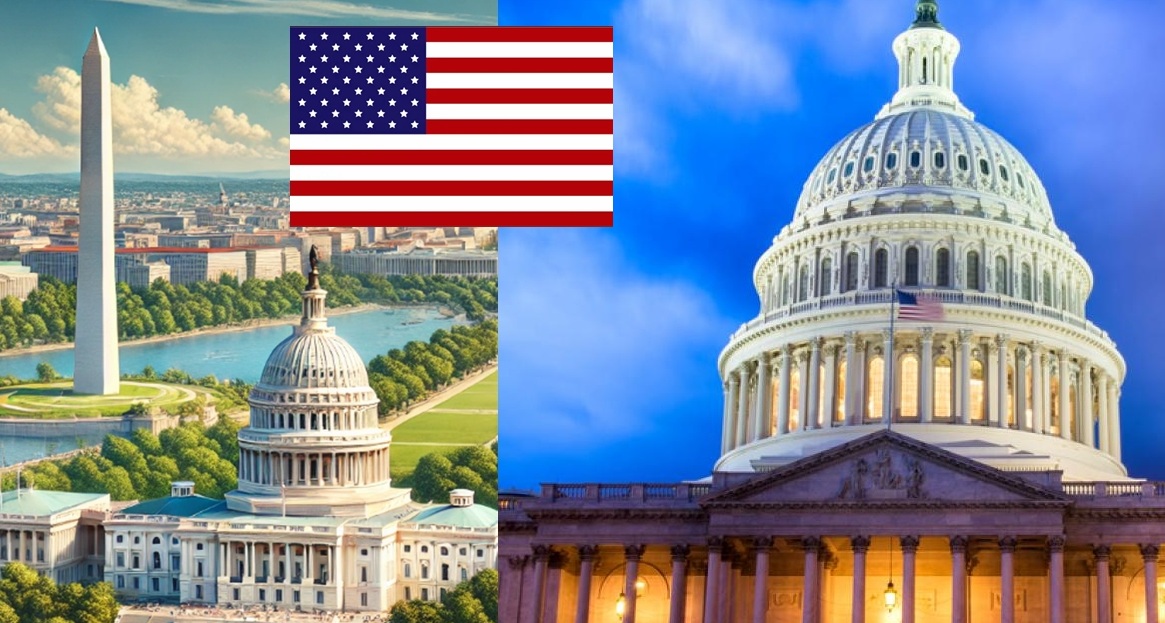
Did You Know That Washington D.C. Was Not the Original Choice to Be the Capital of the U.S.? Discover the Behind the Scenes of This Decision and Which Cities Were in the Running.
Washington, DC, is today the political heart of the United States, but this prominent position was not always guaranteed. During the early years of the young nation, other cities held the title of “capital of the U.S.,” and the process to determine the definitive location was filled with debates and historical compromises.
Temporary Capitals at the Foundation of the U.S.
During the American Revolutionary War, while the U.S. fought for its independence and had not yet defined its Constitution, the country experienced several temporary capitals.
The Pennsylvania played a central role during this period, with cities like Philadelphia serving as the seat of government.
-
USA and China compete for Brazil over resources that could be worth trillions — rare earths put the country at the center of a global dispute

-
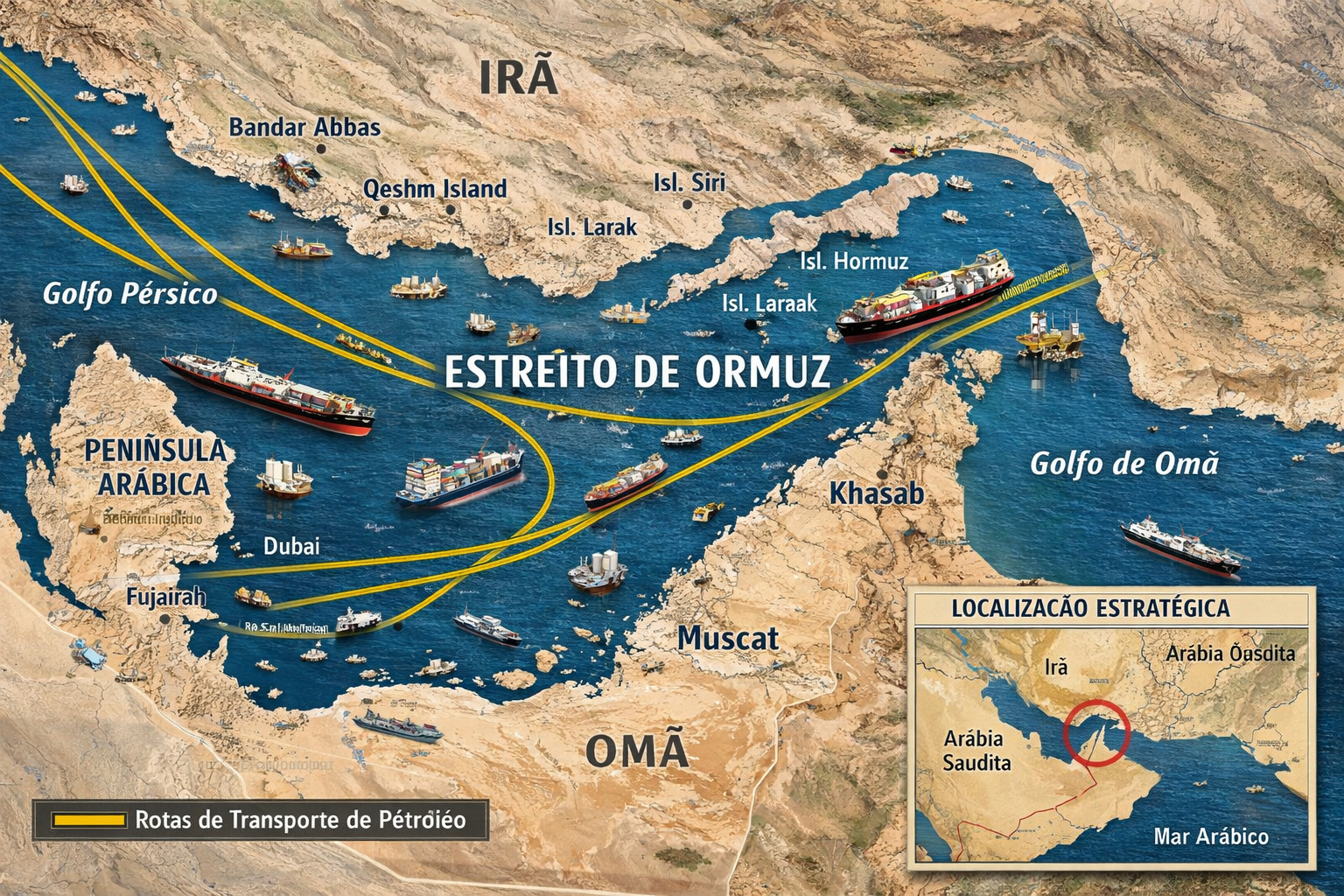
Global summit with over 40 countries pressures Iran for a blockade in the Strait of Hormuz and warns of direct impact on oil, food, and the global economy.
-
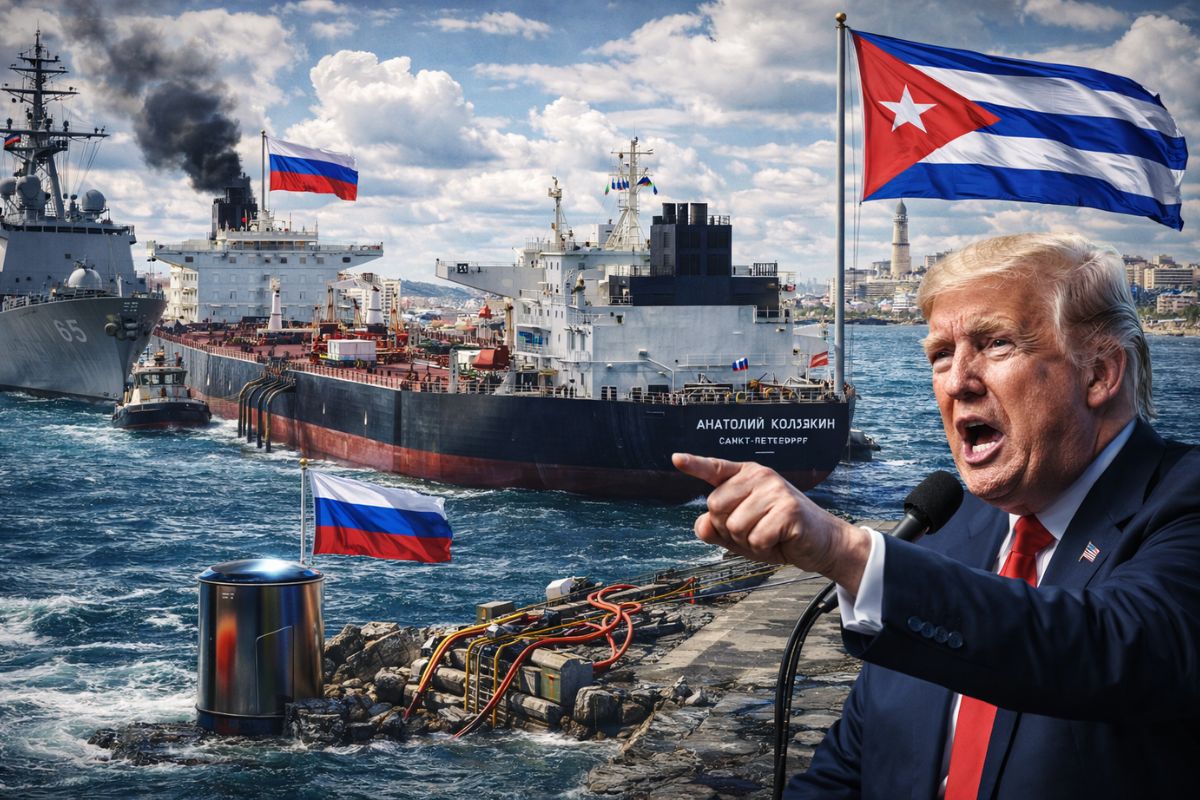
Russia has broken the U.S. maritime blockade to send oil to Cuba and is now loading a second ship while Trump says that “Cuba is next” in a possible military action against the island.
-
Spain challenges the USA and closes its airspace for operations against Iran, raising global tension and provoking the threat of a trade rupture.


New York was also an important choice. Between 1785 and 1790, it became the capital of the U.S., hosting significant events such as the inauguration of George Washington as the first president in 1789 at Federal Hall, located on Wall Street.
However, this position was temporary. The Constitution required that the Congress choose a specific area to become the permanent capital of the U.S.
The location needed to symbolize independence and represent the interests of the entire nation, a task that proved more complicated than it seemed.
The Dispute Between North and South
The location of the U.S. capital became a topic of intense political debates. Cities like New York and Philadelphia were important economic and commercial centers, but they represented Northern interests, while the South, predominantly agrarian, felt under-represented.
Additionally, there was the geographical question: the capital needed to be central and equally accessible for all states.
These debates highlighted the growing tensions between the North and the South, foreshadowing conflicts that would culminate in the American Civil War.
Some politicians, like Congressman John Francis Mercer from Maryland, even mocked the situation, saying that Congress was more concerned about where to meet than with the real issues facing the country.
The Compromise of 1790
The solution to this dispute came with the Compromise of 1790, which temporarily pacified the divisions between the North and the South.
The agreement resolved financial issues related to debts incurred by the states during the Revolutionary War and defined the location of the future capital.
It was decided that the new capital of the U.S. would be built along the Potomac River, between Maryland and Virginia, in a strategic location to meet the interests of both the North and the South.
This territory was transformed into the District of Columbia, where the construction of an entirely new city was planned: Washington.
A Provisional Capital in Philadelphia
While the new capital was being built, the federal government was transferred to Philadelphia in 1790. For ten years, the city served as the official interim capital, housing Congress and other federal institutions.
Philadelphia had a long history as one of the main centers of American independence, being the site where the Declaration of Independence was signed in 1776.
The Foundation of Washington, DC
In 1800, the transition to the new capital was finally completed. Washington, DC, became the official seat of the federal government.
The White House, completed in the same year, became the residence of all presidents of the United States. With the change, the city solidified its role as the political heart of the country.
Despite this, Washington faced initial challenges, such as limited infrastructure and a location that at the time seemed isolated.
These obstacles were overcome over the years, with the city growing and becoming the political and cultural center we know today.
Discussions About the Future of the Capital
Although Washington, DC, is widely accepted as the capital of the United States, debates occasionally arise about the possibility of relocation.
Some argue that a new, planned, and modern city should be built in the geographic center of the country, like in Kansas, to better reflect the diversity and national interests.
However, these discussions remain marginal, and Washington continues to be the unquestionable seat of the American government.
The history of how the capital of the U.S. was chosen and built is a reminder of the complex negotiations that shaped the United States in its early years.








Seja o primeiro a reagir!