





 Portuguese
  English
  Spanish
  3 min of reading
  0 comments


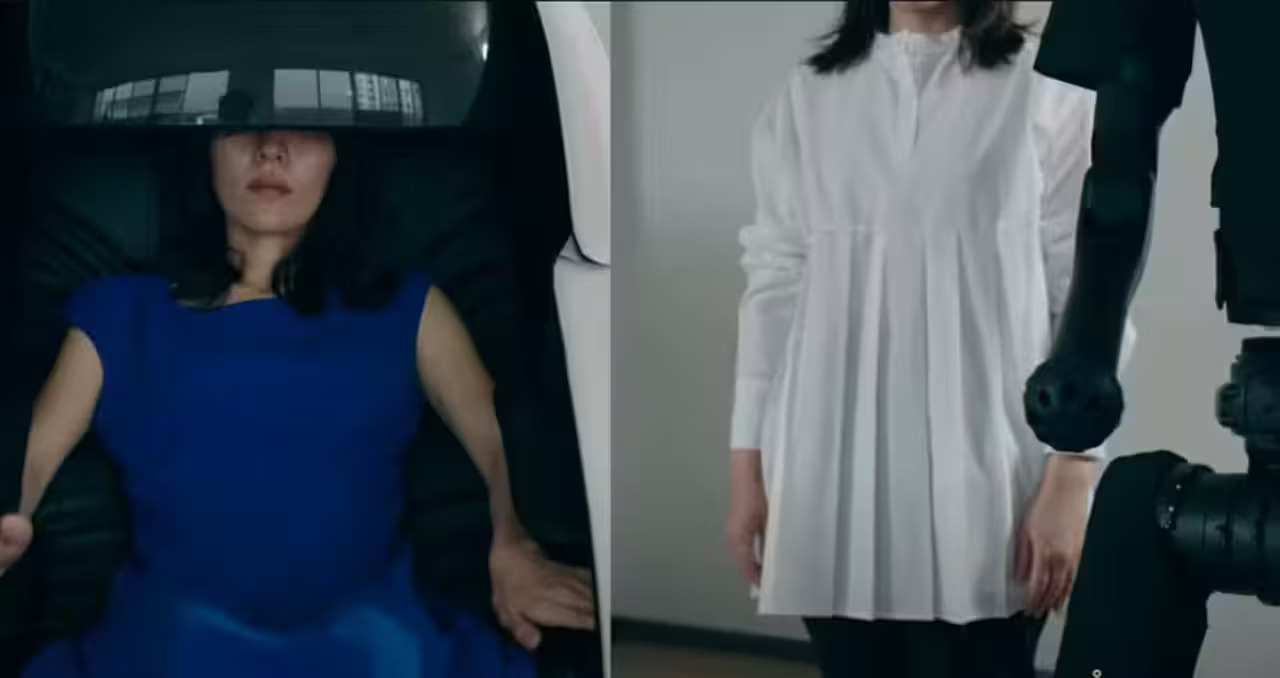
Japanese Technology Allows Control of Robots With Realistic Strength and Movements From Capsule Equipped With Muscle Sensors and Intuitive Interface
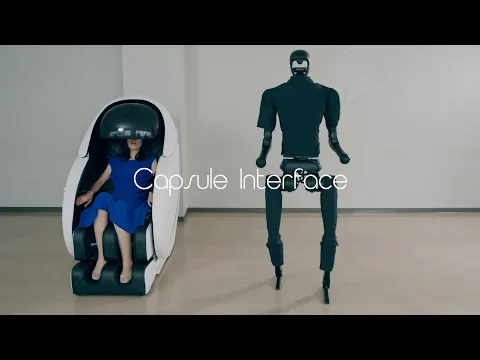
A startup based in Tokyo, in Japan, has developed an innovative capsule that allows the transmission of complete body movements and physical strength in real-time. The technology, called “Capsule Interface”, was created by the company H2L and promises to transform the way humans interact with robots and avatars remotely.
The device is similar to a massage chair and transforms the user’s body into a remote control interface. This allows for precise and realistic operation of a humanoid robot from a distance.
In a video released by H2L, a woman controls a Unitree Robotics H1 robot. In the footage, the robot performs tasks such as cleaning, lifting boxes, and interacting with people, replicating the movements and strength of the user.
-
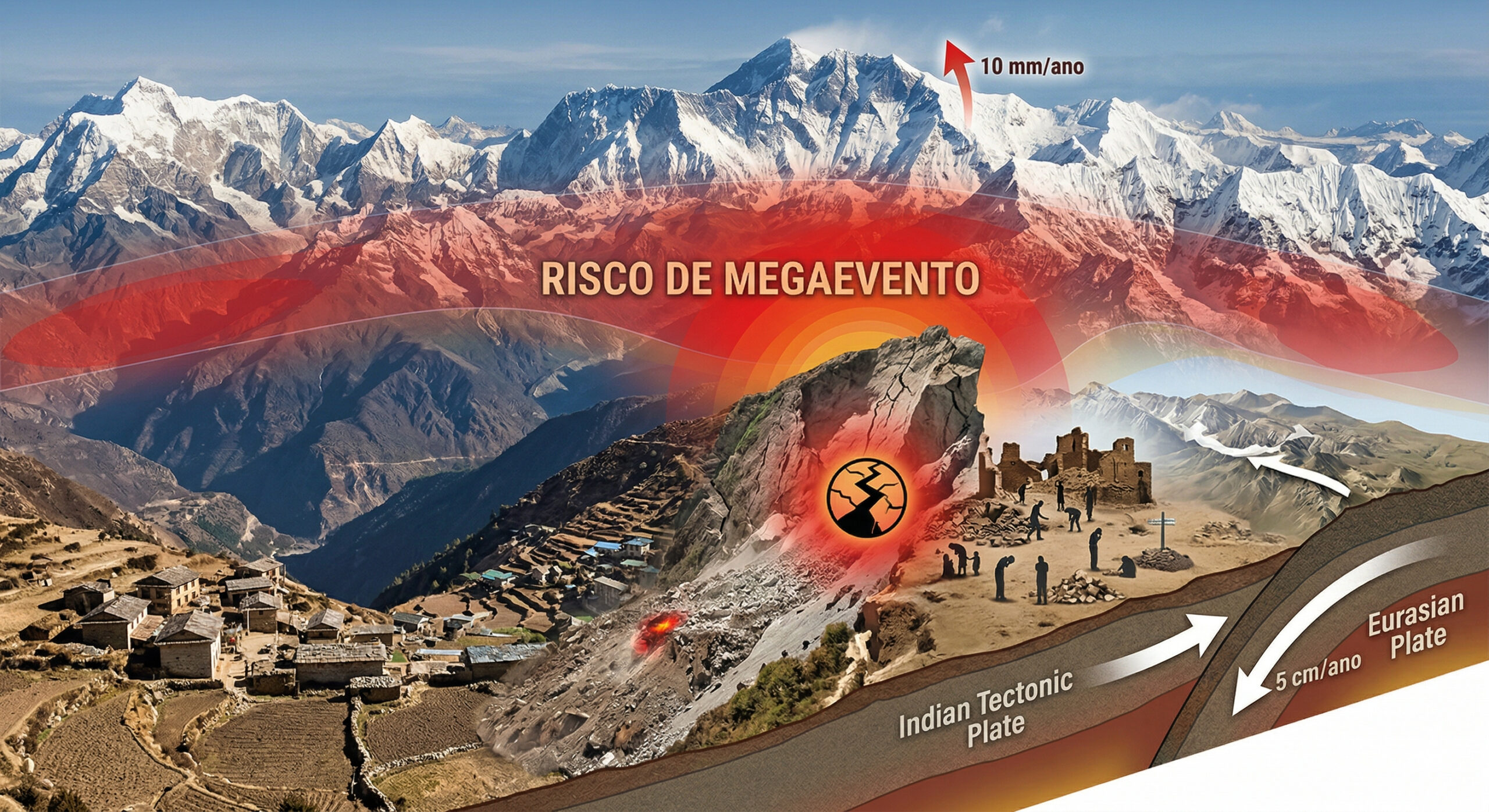
The Himalayas continue to grow to this day, with tectonic plates advancing 5 cm per year, mountains rising up to 10 mm annually, and the 2015 earthquake that killed 9,000 people may have increased the risk of an even larger seismic mega-event.
-
At an altitude of 400 km by astronauts from the International Space Station, Paris transforms at night into a golden mesh so precise that it reveals the outline of the Seine River, avenues, and entire neighborhoods like a luminous map drawn over the Earth.

-
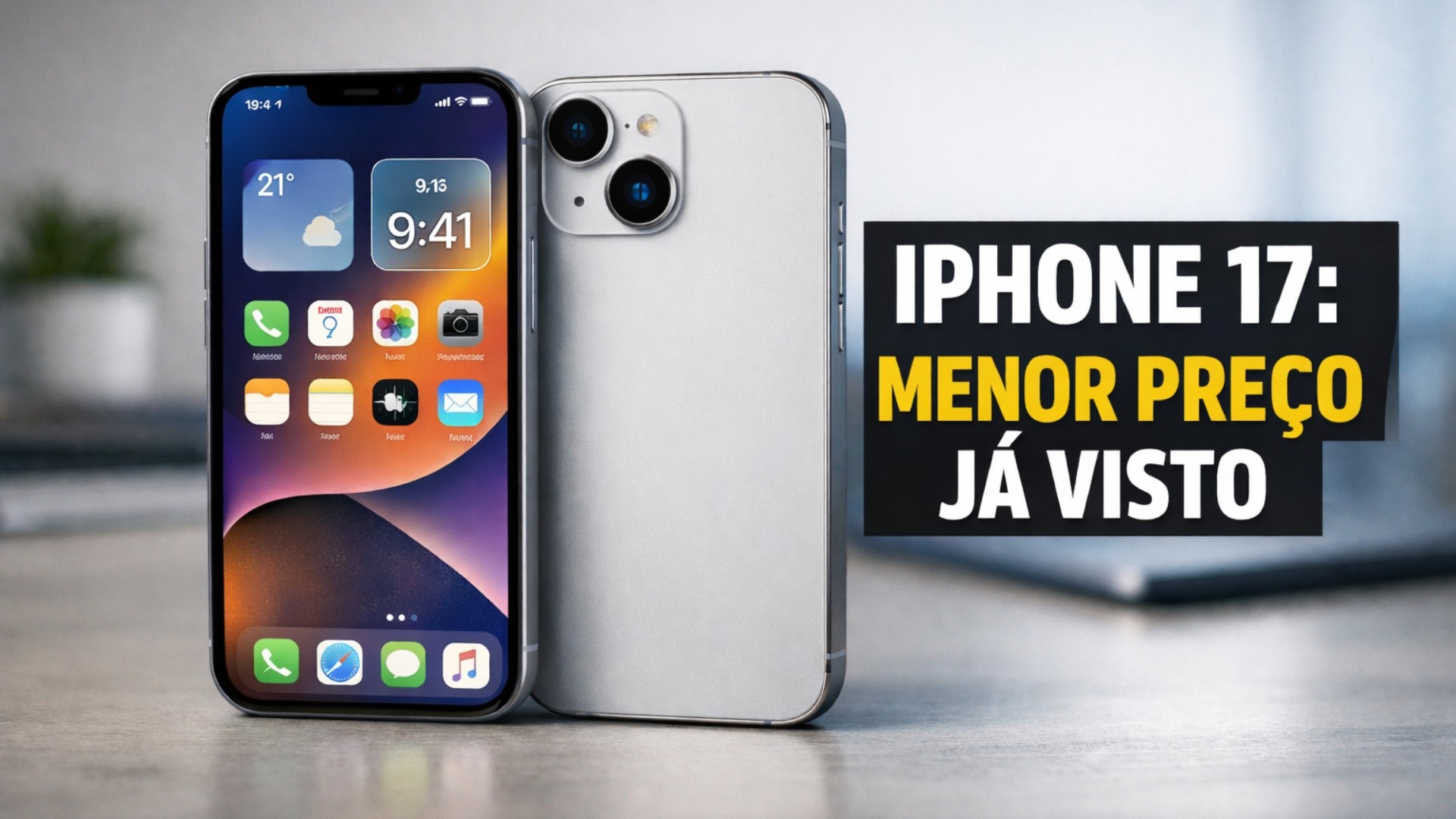
iPhone 17 reaches historic low price with 256 GB, 120 Hz display, and drops to R$ 5,703 on Shopee, featuring A19 chip, dual 48 MP cameras, battery life of up to 30 hours, and advanced AI features.
-
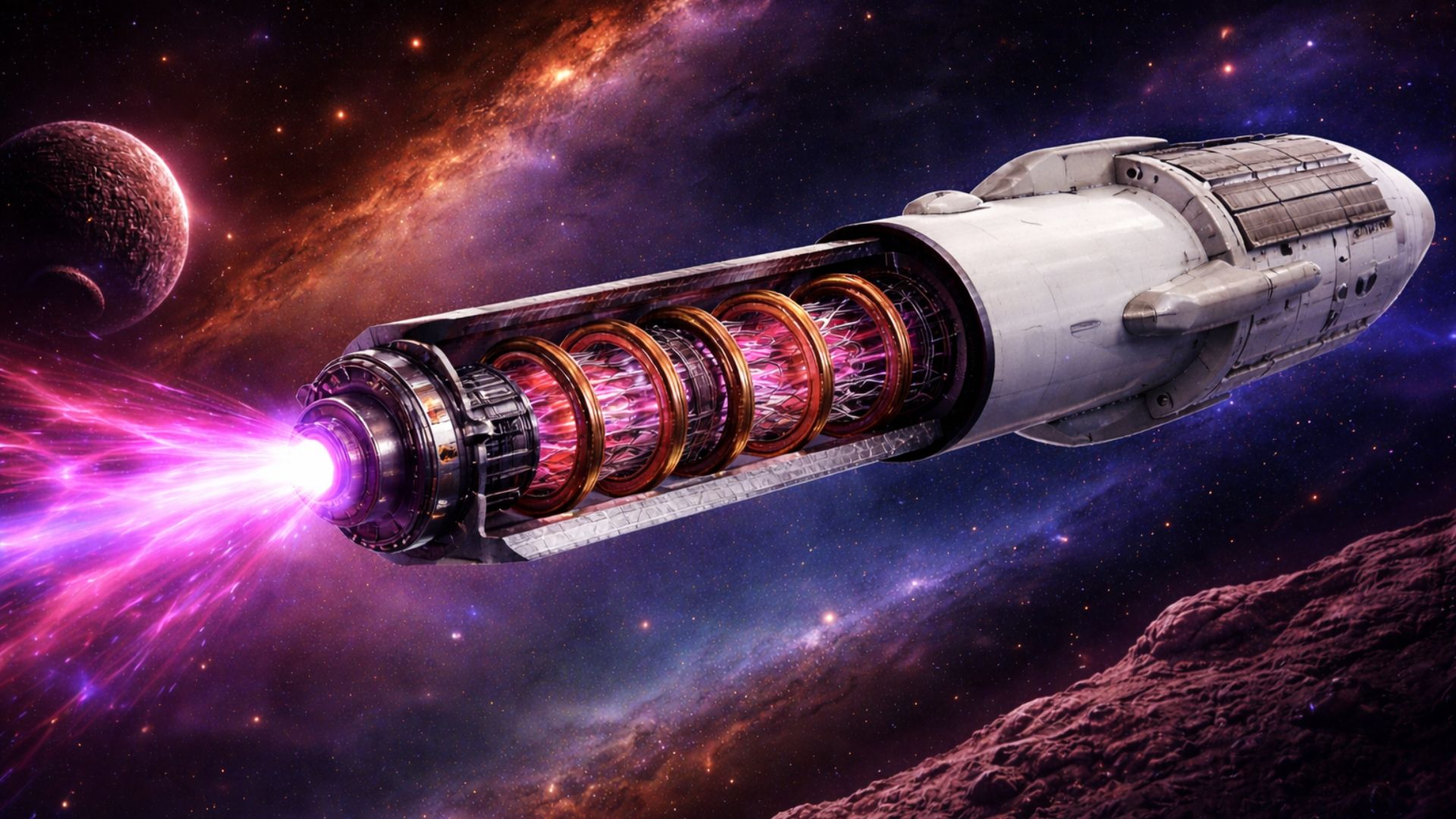
Trip to Mars getting closer: Pulsar Fusion, from the UK, advances with plasma ignition in fusion engine and could drastically reduce space travel time, making crewed missions faster, safer, and economically viable.

The foundation of the technology is sophisticated muscle displacement sensors installed inside the capsule.
These sensors detect even the slightest variations in muscle tension, which allows real-time recording of physical intention and applied force.
This represents a significant advancement over conventional teleoperation methods, which typically use motion sensors or exoskeletons to only mimic the position of limbs.
According to H2L, movement data alone is not sufficient to achieve a realistic level of emotional and physical interaction.

They do not capture the effort, intensity, or forces involved in the action. The new muscle-centered approach allows robots to replicate not only the gesture but also the force and intention behind it.
The “Capsule Interface” marks the beginning of a new era in remote interaction. Users can remain seated or lying down while transmitting their movements and efforts directly to robots or avatars.
The system includes speakers, a screen, and muscle sensors, functioning with minor muscle adjustments to transmit actions in real-time.
Another differentiator of the capsule is its ease of use. Unlike other complex systems that require training, the device offers a more natural and low-effort experience, capable of being installed in chairs or beds.
The company has announced some potential applications for the new technology. In the corporate sector, it could be used for meetings and remote task execution, without the need for physical relocation.
In the delivery area, it will allow for lifting and transporting objects from a distance, as well as operating in dangerous locations, such as disaster-affected areas.
In domestic life, the capsule can assist with activities like cleaning and cooking, being helpful for the elderly and families with busy routines.
In agriculture, robots could be operated remotely by producers, promoting knowledge sharing and reducing labor demand.
In virtual environments, the new interface will expand interaction possibilities with avatars, creating new experiences in education, health, and entertainment.
With information from Época Negócios.






Seja o primeiro a reagir!