





 Portuguese
  English
  Spanish
  2 min of reading
  0 comments


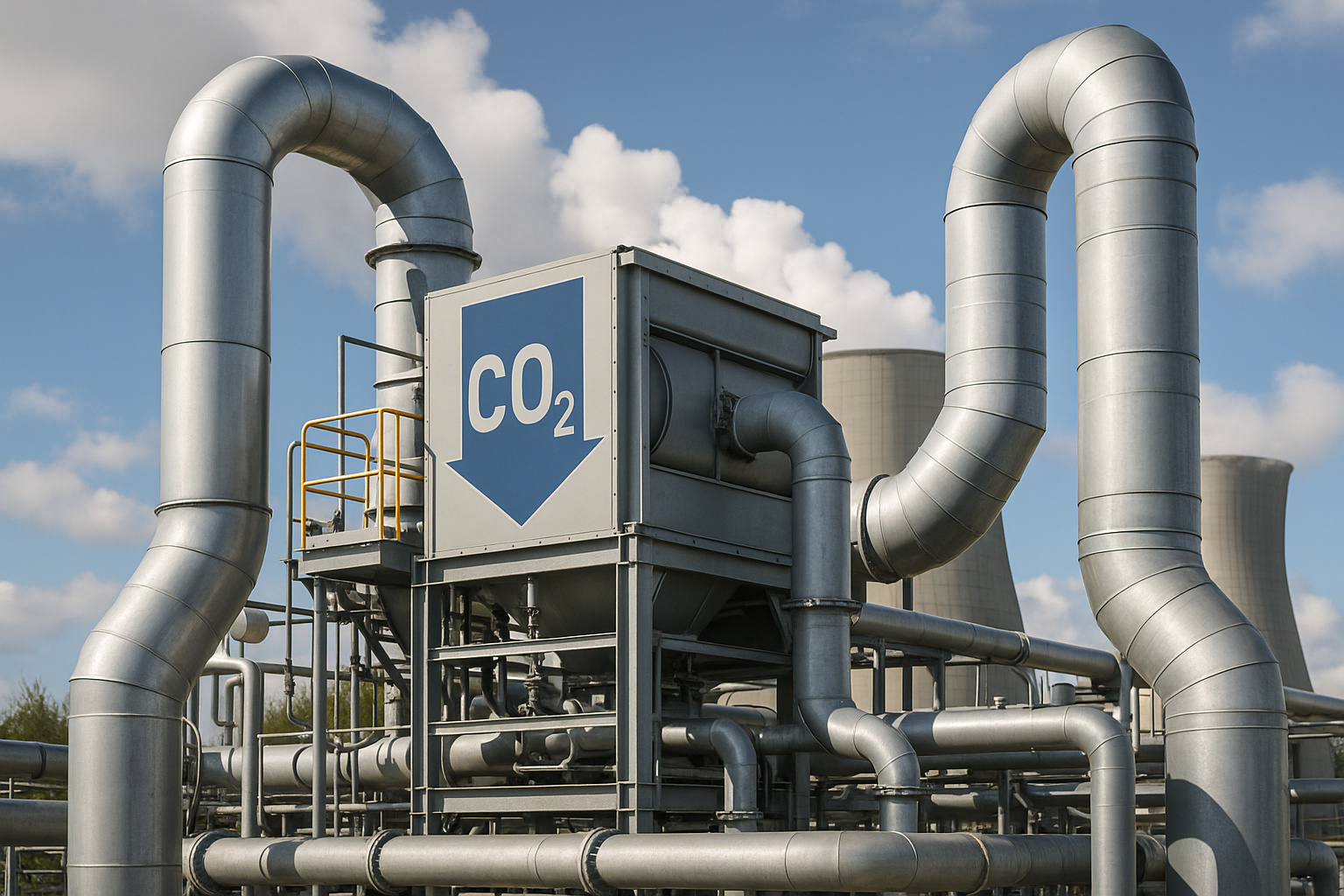
The Technological Capture Of CO₂ Guides The Debate On Energy Transition And Carbon Management In Brazil
Although the debate on energy transition is advancing rapidly, Fernando Luiz Zancan, president of the Brazilian Association of Sustainable Carbon (ABCS), stated on November 5, 2025 that the priority needs to be emission neutrality, not the direct elimination of fossil sources.
He reinforced this position during the seminar Energy and Regional Development: Convergence for Brazil of the Future, promoted by Eneva in Brasília.
Thus, he emphasized that coal has a historical presence in Southern Brazil, although it depends on modern technologies to remain compatible with environmental targets.
In this way, he explained that the solution involves capture, use, and storage of CO₂, which ensures continuous and viable management.
Capture Processes And International Examples
Zancan compared the CO₂ released in coal-fired power generation to that produced during a barbecue, stating that both release carbon dioxide.
However, he noted that modern technologies allow for capturing CO₂, separating this gas from other substances and directing the material for specific uses.
In this way, he explained that carbon can follow two paths: industrial application or safe storage. Furthermore, he highlighted that in October 2025, China presented fertilizers produced from CO₂, demonstrating the practical viability of reuse.
Thus, he recalled that the United States has been reinjecting CO₂ into geological formations for decades, according to records from U.S. environmental agencies, which reinforces the maturity of these solutions. Therefore, he stated that these technologies are not recent and already have sufficient robustness for expanded use.
Additionally, he mentioned that Brazilian studies are evaluating the reinjection of CO₂ into unmined geological layers, ensuring safety and operational continuity.
ARTICLE CONTINUES BELOWSee also
Embrapa’s discovery reveals an unexpected advancement by allowing the production of seedlings from the caatinga using brackish water, opening a new frontier for farmers to face drought more efficiently.
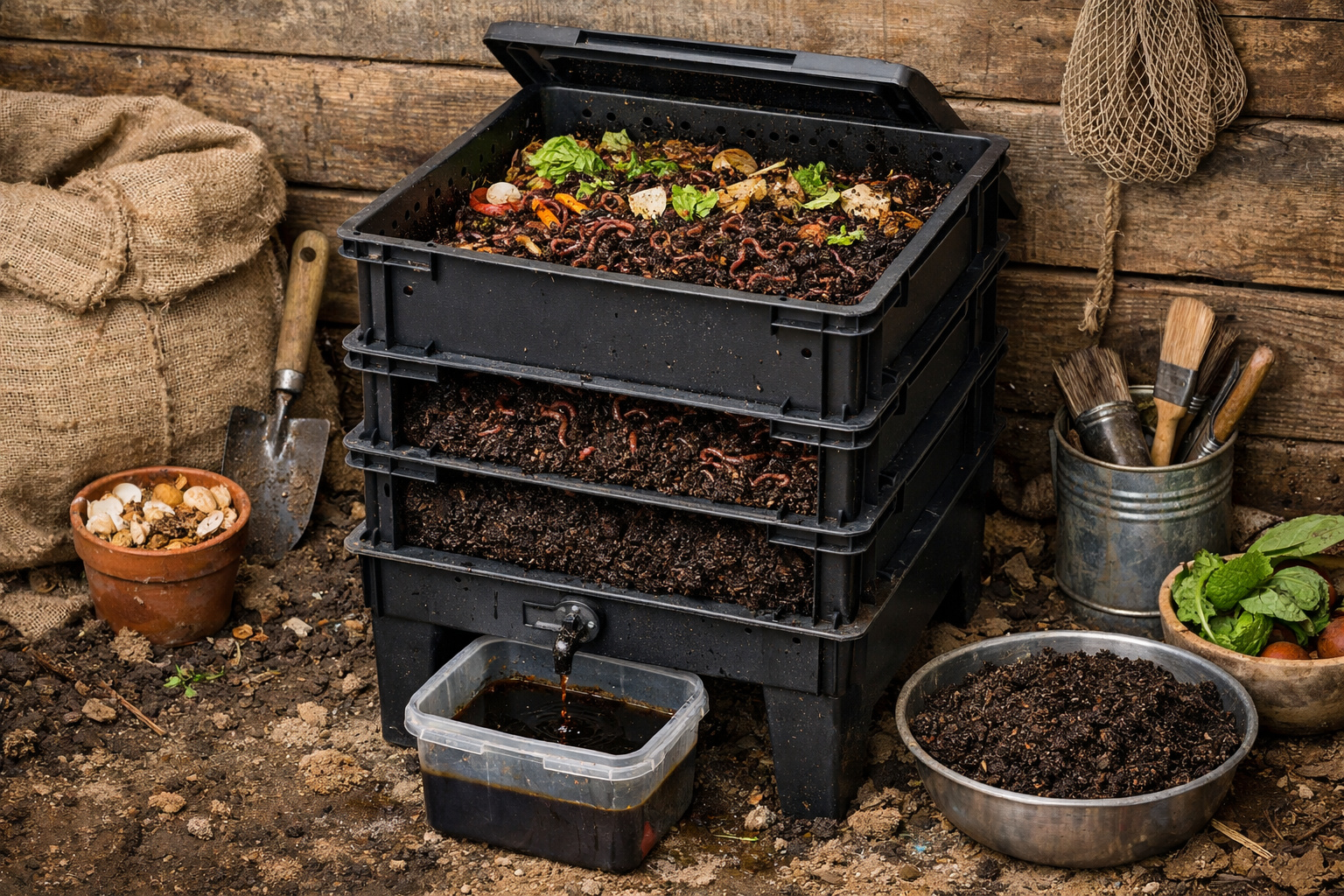
6 sources of free fertilizer that you are throwing away every day and can transform your garden without spending anything.
With a water crisis on the radar, Sabesp invests in reclaimed water for data centers and transforms sewage treatment into a solution that saves millions of liters and protects public supply.

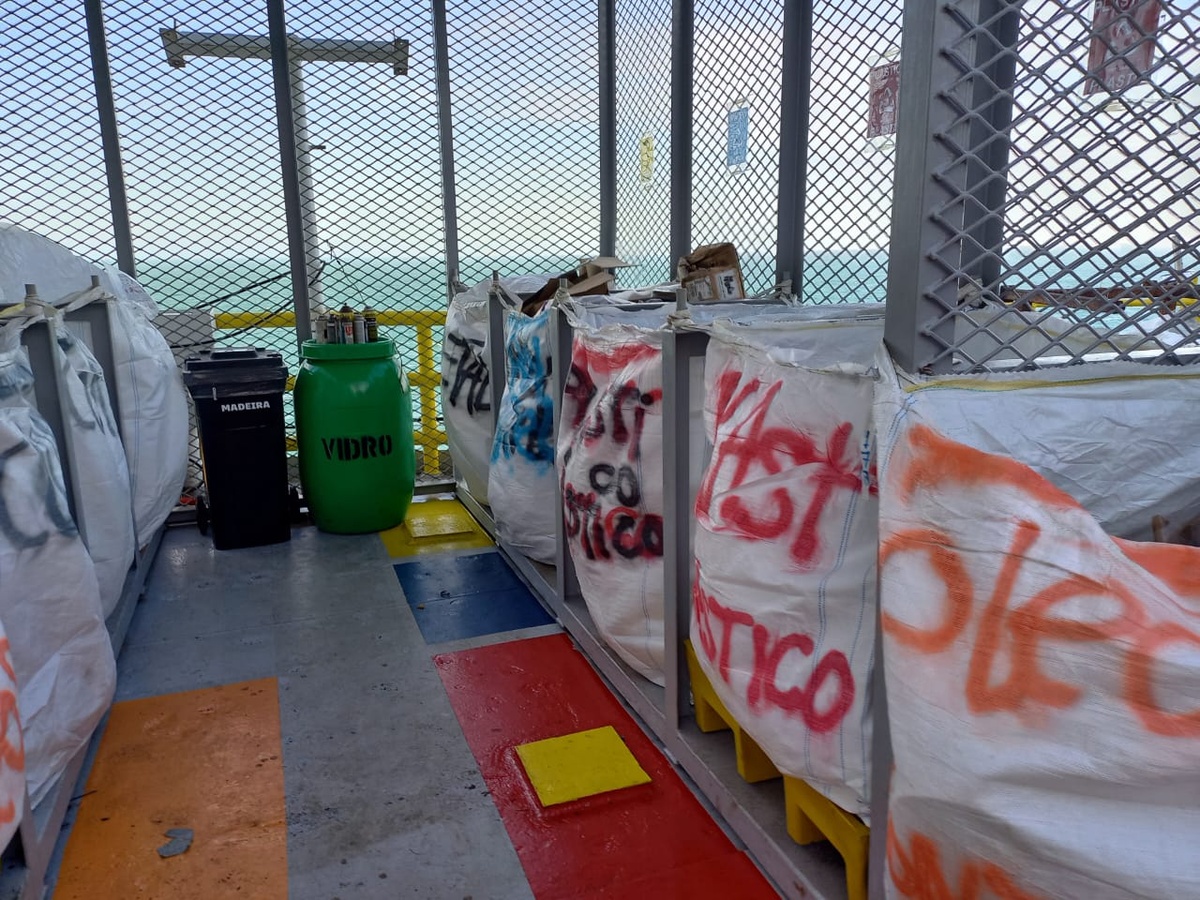
Foresea achieves 100% offshore waste reuse in 2025, eliminates landfill disposal, and consolidates sustainable strategy with 1,500 tons recycled.
Coal’s Participation In The Brazilian Energy Matrix
Zancan pointed out that coal represents approximately 1.2% of the national energy matrix, and emphasized that this percentage remains stable because other sources have grown rapidly.
Therefore, he stated that the goal should not be to eliminate this source, but to neutralize its emissions. Moreover, he reinforced that the capture and proper management of CO₂ make the continuous use of fossil fuels possible.
He summarized this view by declaring: “The problem is to resolve CO₂. If you capture and manage carbon, you can use fossils forever.”
In this way, he advocated that the energy transition should prioritize neutrality, not the elimination of traditional sources.






Seja o primeiro a reagir!