





 Portuguese
  English
  Spanish
 3 min of reading
  0 comments



Leading City in Transfers Faces Transparency Questions
Carapicuíba, in the Greater São Paulo, has become the city that received the most Pix amendments in Brazil, with over R$ 157 million since 2020.
In 2024, the Federal Comptroller General (CGU) identified irregularities in an audit. This led Minister Flávio Dino of the Supreme Federal Court (STF) to suspend part of the transfers.
Among the critical points, the CGU pointed out that R$ 13.4 million in expenses were not substantiated. Additionally, it found works in precarious conditions, exposing transparency failures.
-
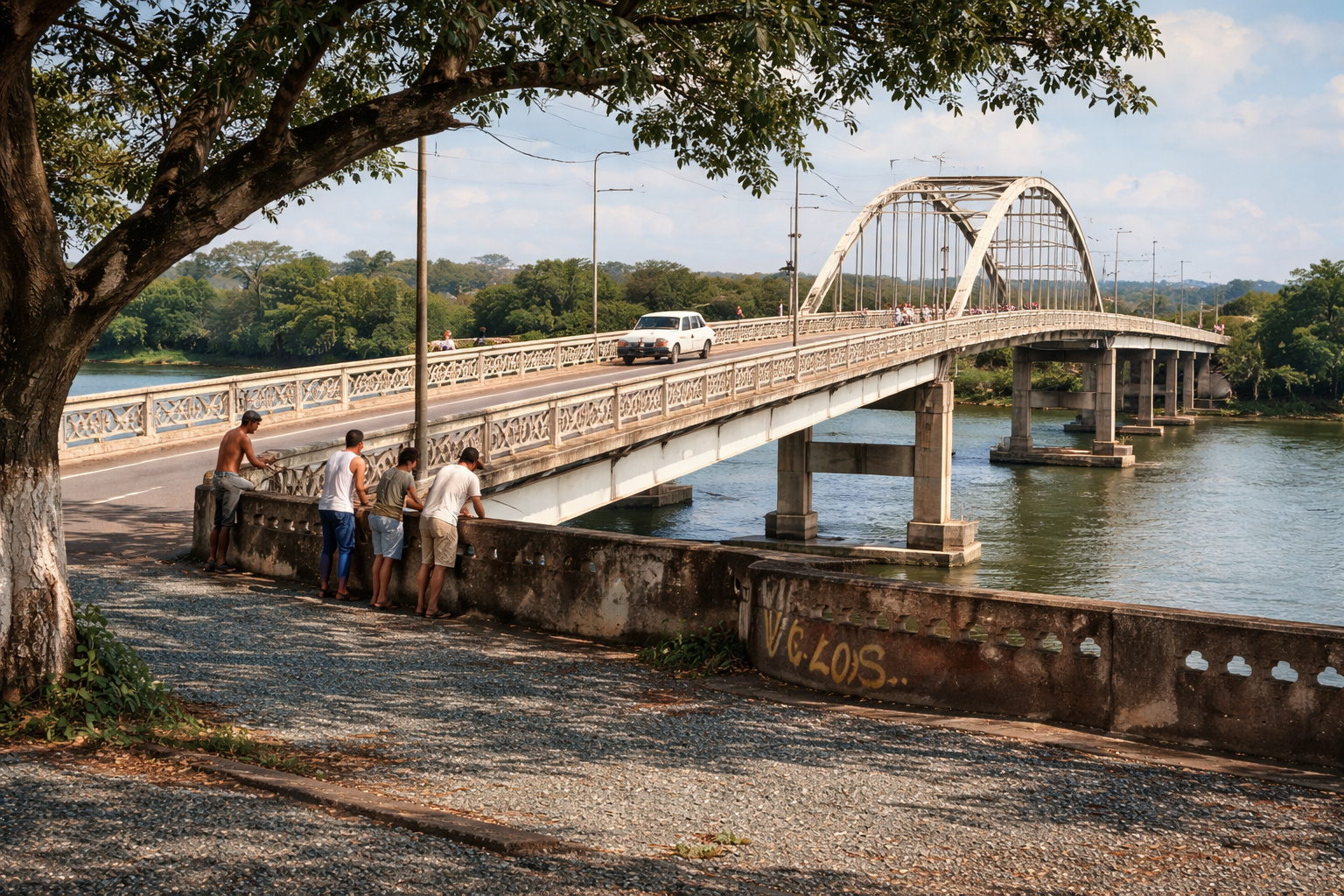
Families have been living for over 30 years under a bridge in Mato Grosso, revealing a housing deficit, irregular occupation in APP, and dependence on fishing as the main source of income.
-
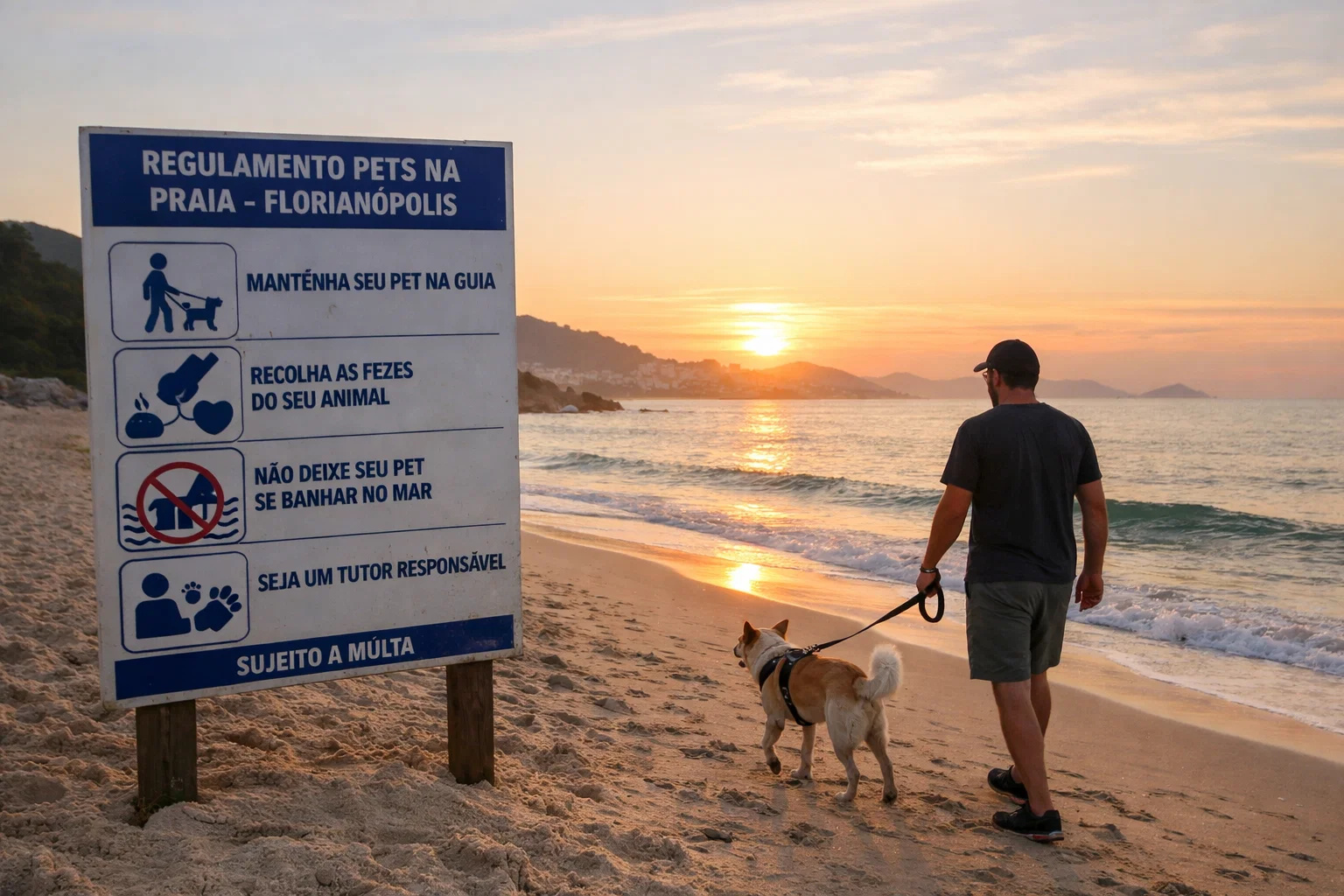
What Changed at Florianópolis Beaches? New Rule Surprises Pet Owners and Restricts Dogs on the Sand at Specific Times
-
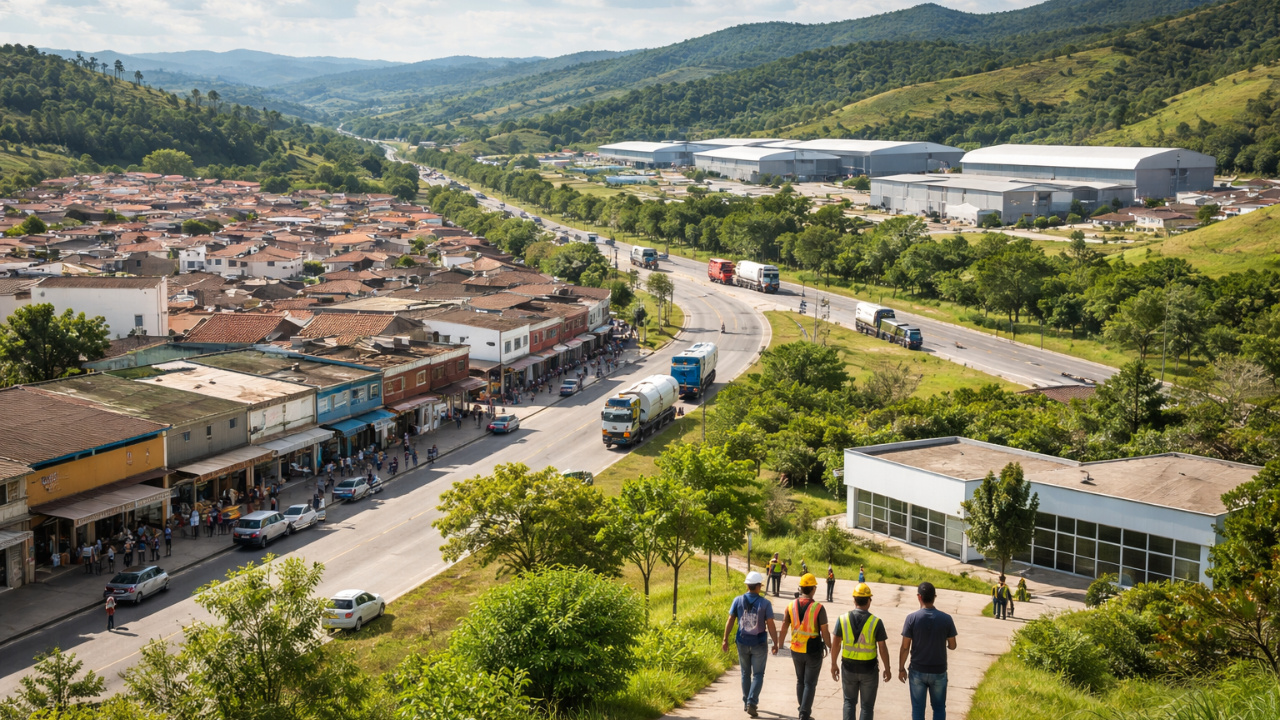
Economic Diversification Accelerates in Itatiaiuçu to Reduce Mining Dependence
-
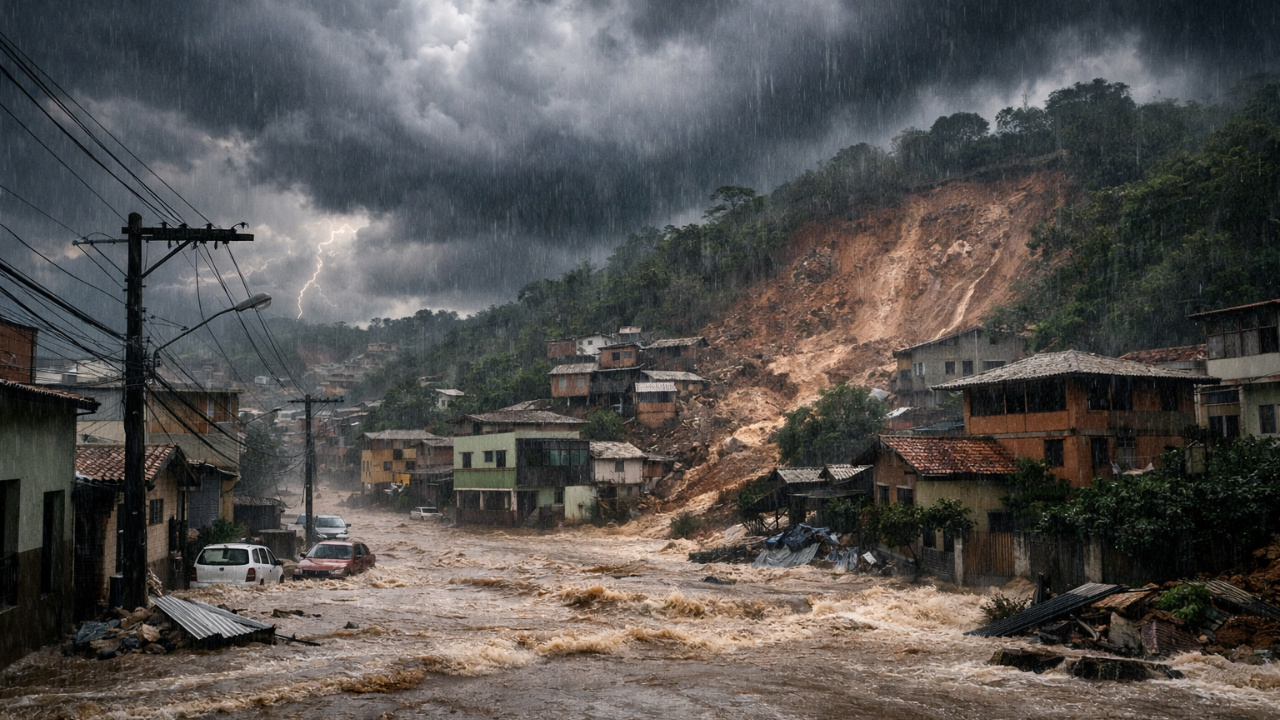
Extreme Rains: Cold Front, Supercell, and Atmospheric Trough Cause Tragedy in MG

Company Linked to Caribbean Offshore Received Payments
Between June 2024 and April 2025, the company Winter Garden received public funds to renovate a sports center, with invoices totaling R$ 209 thousand.
During this period, the company was under the control of the offshore Construcapital, registered in the Bahamas, a territory known for hosting companies in tax havens.
Although the use of offshores is not illegal, experts highlight that this model is used for asset protection and international transfers. This raised additional concerns.
Moreover, CGU auditors noted that the construction was not included in the goals of the amendment’s work plan. This contradicted established rules.
Corporate History and Financial Expansion of the Construction Company
Moisés Teixeira de Sousa Neto controlled Winter Garden before and after the offshore, according to records from the São Paulo Board of Trade (Jucesp).
In 2018, the company recorded an initial capital of R$ 4.2 million. This amount grew to R$ 7.2 million in 2022.
The 71% increase occurred shortly after the construction company left the classification of Small Business (EPP). This category allows for tax benefits and special credit.
In 2025, according to the transparency portal of the Carapicuíba City Hall, Winter Garden had already accumulated R$ 20 million in contracts.
The previous year, there were R$ 29 million in contracts. The growth was significant compared to the R$ 975 thousand in 2018.
Judicial Punishment and Suspected Certificate Forgery
In the same year, the Public Prosecutor’s Office of São Paulo (MPSP) punished the company for presenting a technical capacity certificate with false information in a bid in Indaiatuba.
The case highlighted that Winter Garden allegedly used a certificate issued by Carapicuíba that lacked legal validity. This led Judge Gustavo Kaedei to declare it null.
The ruling emphasized that the construction company did not consistently contest the discrepancies raised. This factor reinforced the judicial decision against the company.
Nevertheless, the company’s defense claims that the episode resulted from a misunderstanding that has already been resolved. The decision is still pending review in the second instance.
City Hall and Company Deny Irregularities
The City Hall of Carapicuíba stated in a note that it conducted contracts through regular bids, without directly selecting the companies.
The administration also stated that there is no declaration of unworthiness against Winter Garden.
The construction company registered all corporate compositions with Jucesp. According to the company, they have always been in compliance with national legislation.
The construction company registered all corporate compositions with Jucesp.
Despite this, in light of the CGU audit, the STF decision, and ongoing judicial convictions, the case reinforces debates about public transparency.










Seja o primeiro a reagir!