





 Portuguese
  English
  Spanish
  4 min of reading
  53 comments





Cargill, One of the Giants of the Agricultural Sector, Announced Mass Cuts of Over 8,000 Jobs. What Prompted This Drastic Decision? What Are the Impacts of This Restructuring in a Volatile Global Market Full of Challenges? Discover How This Crisis Is Affecting the Company and the Global Agricultural Sector.
The agricultural giant, Cargill, is facing an unexpected and alarming situation that could change the future for thousands of workers around the world.
The company announced it will cut more than 8,000 jobs in a restructuring that is already generating significant apprehension. What led Cargill to make this drastic decision?
The answer is more complex than it appears and is directly linked to falling commodity prices, changes in the global market, and a series of other factors affecting the agricultural sector.
-
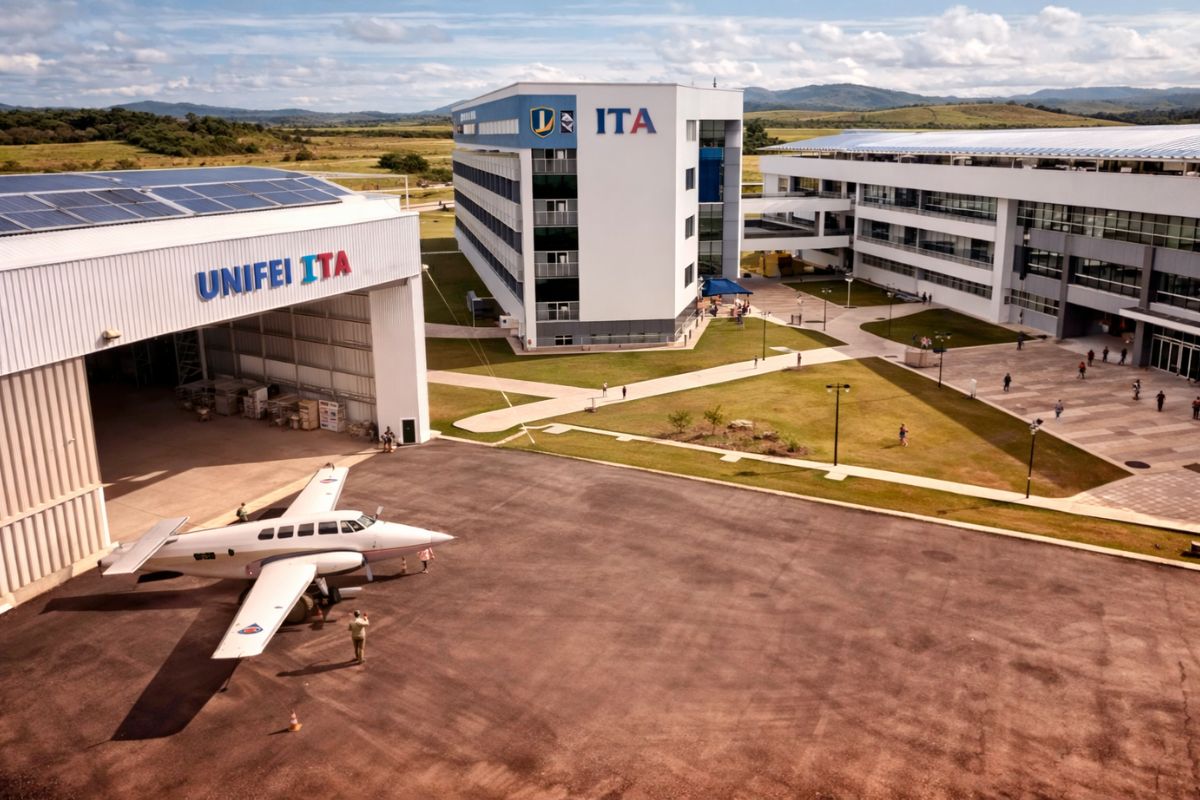
The institute that trained the greatest aerospace engineers in Brazil has just opened its first campus outside São Paulo after 75 years: ITA Ceará will have R$ 445 million, new courses in energy and systems, and classes are expected to start in 2027.
-
Luciano Hang, owner of Havan, goes to Juiz de Fora after the tragedy in February, brings R$ 1 million, hands out R$ 2,000 cards, and donates up to R$ 15,000 to victims in the region.

-
The Brazilian passport allows legal residence in dozens of countries without the need for a prior visa, and most Brazilians are unaware that they can apply for residency directly upon arriving in nations in South America, Africa, and even Europe.

-
Petrobras sends a message to Brazilian truck drivers after fuel collapse and reveals plan to have 100% domestic diesel.


In this article, we will explore the reasons behind this restructuring and the impact it will have on both the company and the global market.
What Is Behind Cargill’s Restructuring
Cargill, one of the largest commodity traders in the world, announced on December 3, 2024, that it will reduce its workforce by about 5%, which is equivalent to approximately 8,000 employees globally.
The decision is part of a restructuring aimed at adapting the company to an increasingly challenging commodity market.
According to CEO Brian Sikes, the measure aims to simplify the company’s organizational structure and optimize its operational processes, but it is also a direct response to high costs and declining profit margins due to commodity price volatility.
Commodity Crisis: The Impact on the Agricultural Sector
The global agricultural commodity landscape has been turbulent in recent years. The drop in prices of products like wheat, corn, and soybeans has significantly affected the profit margins of companies in the sector, such as Cargill.
Wheat and corn reached their lowest prices in four years, while soybeans also saw a considerable decrease in value.
These factors, combined with other global economic issues, such as political instability and the war in Ukraine, have intensified pressure on large agricultural companies.
Internal Challenges and the Impacts of Falling Prices
In addition to the drop in commodity prices, Cargill has also faced a reduction in its processing margins, which are essential for transforming agricultural raw materials into final products.
With raw material prices falling, the company lost the ability to generate profits at the same rate, negatively impacting its operations and leading to the decision to cut costs drastically.
In the latest fiscal report, the company saw its revenue fall from US$ 177 billion to US$ 160 billion, a direct impact of market instability in commodities.
How Is Cargill Restructuring?
The restructuring will primarily focus on administrative and operational areas, with the elimination of hierarchical layers and the redistribution of responsibilities among managers.
The goal is to make the company more agile and competitive while optimizing its operations and reducing costs.
According to the CEO, the company will begin meetings with affected employees on December 9 to explain the next steps.
The Reaction of the Market and Workers
With over 160,000 employees worldwide, the 5% reduction represents a significant impact both for the company and for the local economies where Cargill operates.
Although the company has assured that the focus of the cuts will be in administrative areas, the measure has raised concerns among unions and workers, who fear the impacts of a possible deeper restructuring.
The Impact of Competition and the Need for Adaptation
Cargill is not alone in this difficult scenario. Competitors like Archer-Daniels-Midland (ADM) are also facing challenges in the commodity market.
Although ADM has been impacted differently, it is also taking steps to improve efficiency, which puts even more pressure on Cargill.
The sector is increasingly competitive, and companies that do not adapt quickly may fall behind.
Innovation and Technological Adaptation: The Key to the Future
Cargill’s restructuring comes at a time of transformation in the agricultural sector.
The use of emerging technologies, such as artificial intelligence and automation, is becoming essential for improving productivity and ensuring competitiveness.
Companies that can adapt to these technological changes will have better chances of prospering in the long term, despite fluctuations in the commodity market.
The Future of Cargill: What to Expect?
Cargill is at a crucial turning point. Its ability to reinvent itself and adapt its operations to the new global landscape will be critical for its survival.
The company has invested in more sustainable agricultural practices and new technologies, which may help mitigate the impacts of price fluctuations.
However, the big question remains: will this restructuring be enough to secure Cargill’s position as one of the leaders in the global market?
Will Cargill be able to recover from this restructuring, or will the impact be irreversible for the agricultural giant? Share your opinion in the comments!









Aprovem a escala 4×3, logo será 0x7…
Sou ex funcionario emprwsa boa mais so fica recorendo das centencas do ministerio do trabalho.ela nao e santa nao
O capitalismo é selvage não aseita Ganha pouco