





 English
  Francês
  Alemão
  Italiano
  Japonês
  Norueguês
  Portuguese
  Spanish
  4 min of reading


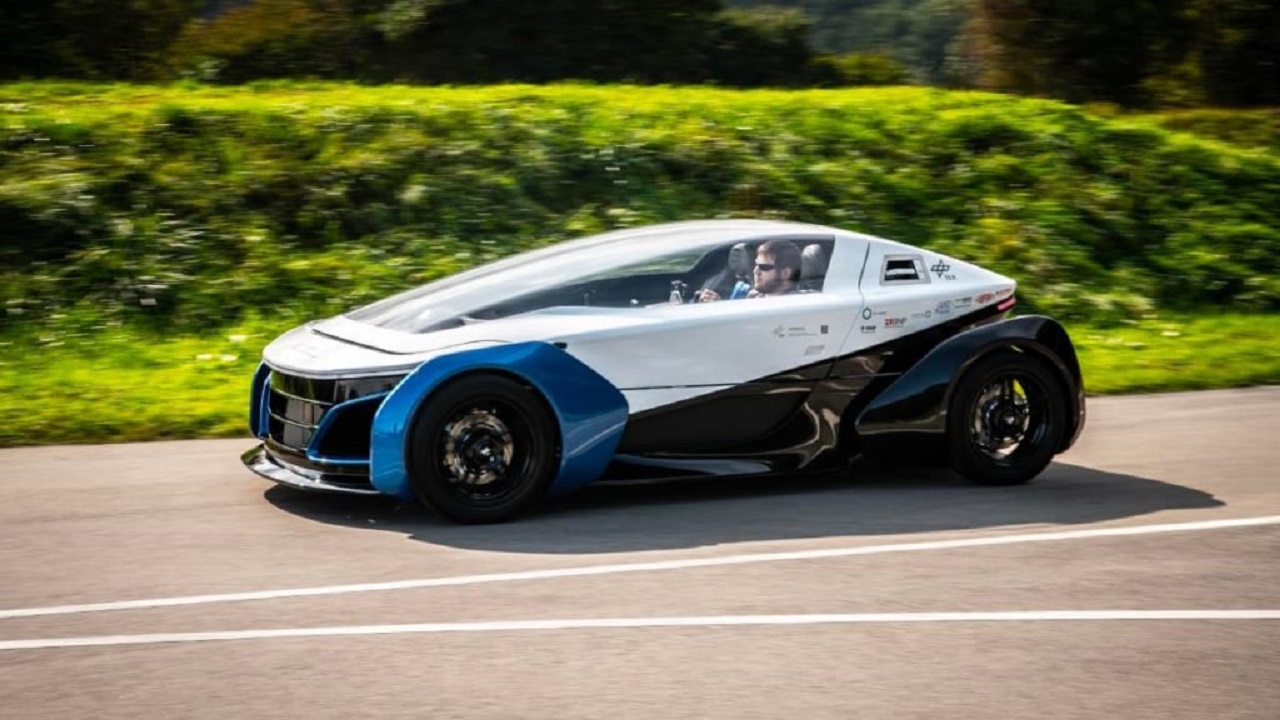
Hydrogen Cell Powered, Car Manufactured by German Company Could Be One of the Most Coveted Hybrid Vehicles in the World. The Expectation Is That the Vehicle Will Hit the Market in the Coming Years
The Safe Light Regional Vehicle (SLRV), the new and innovative hydrogen-powered car with a futuristic design, is being developed to use a highly efficient fuel cell. In this way, the developers of the SLRV believe that their brand new electric car will have safe mobility while saving the planet’s resources. In terms of autonomy, the two-seater SLRV could reach up to 400 km. The new model is recommended for short-distance travel.
Read Other Related News
Lightweight, Economical, and Safe, New Fuel Cell Car Is Highly Anticipated by the Automotive World
-
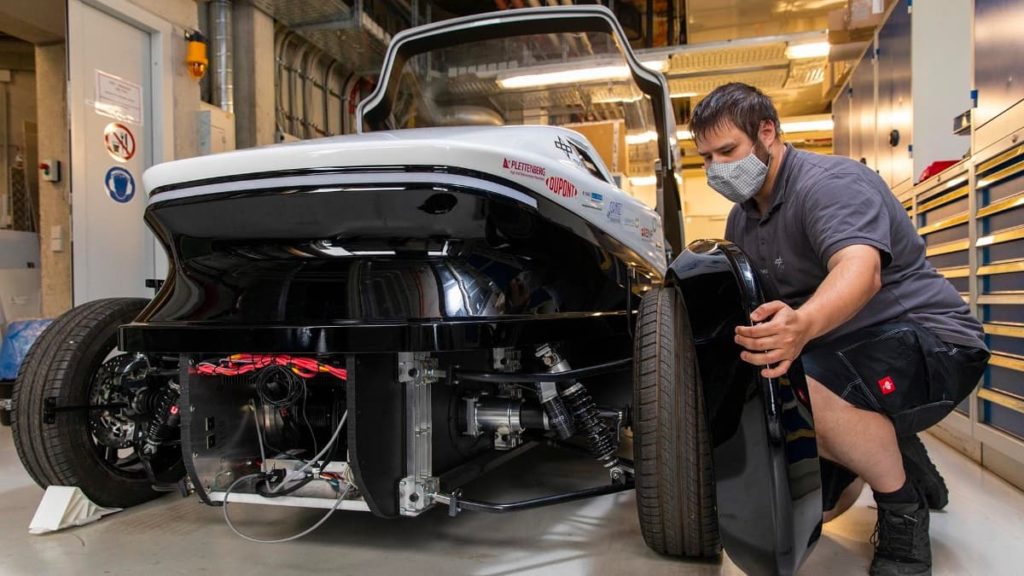
SLRV Being Assembled – Credits: DLR/Disclosure -
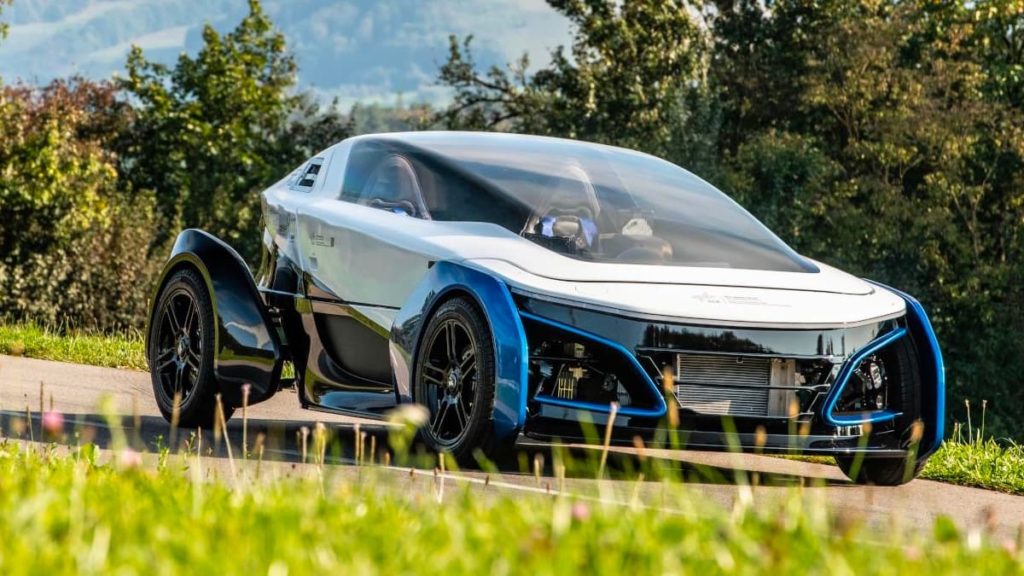
SLRV Testing on the Streets – Credits: DLR/Disclosure -
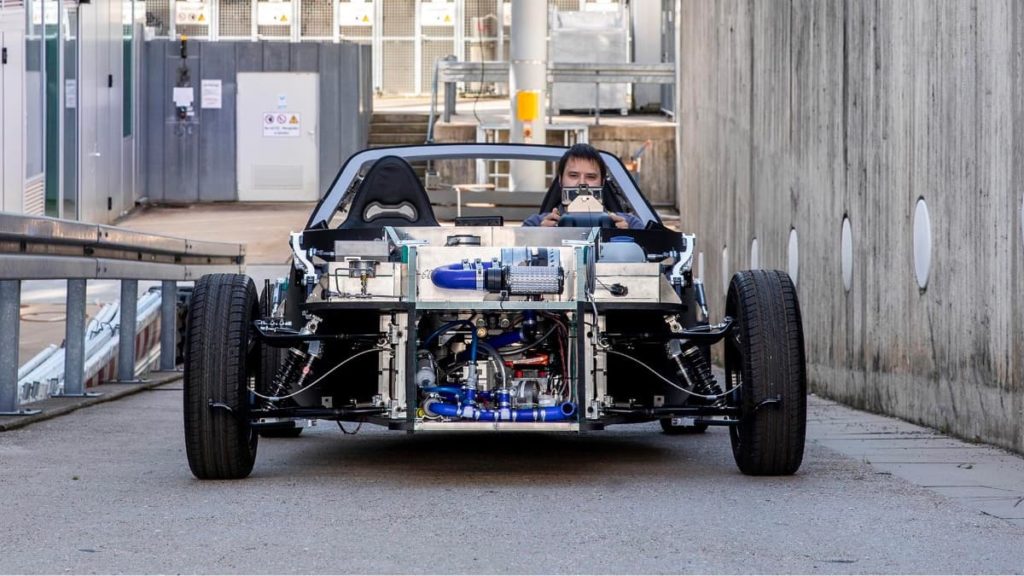
SLRV Performance Testing by the Manufacturer – Credits: DLR/Disclosure -
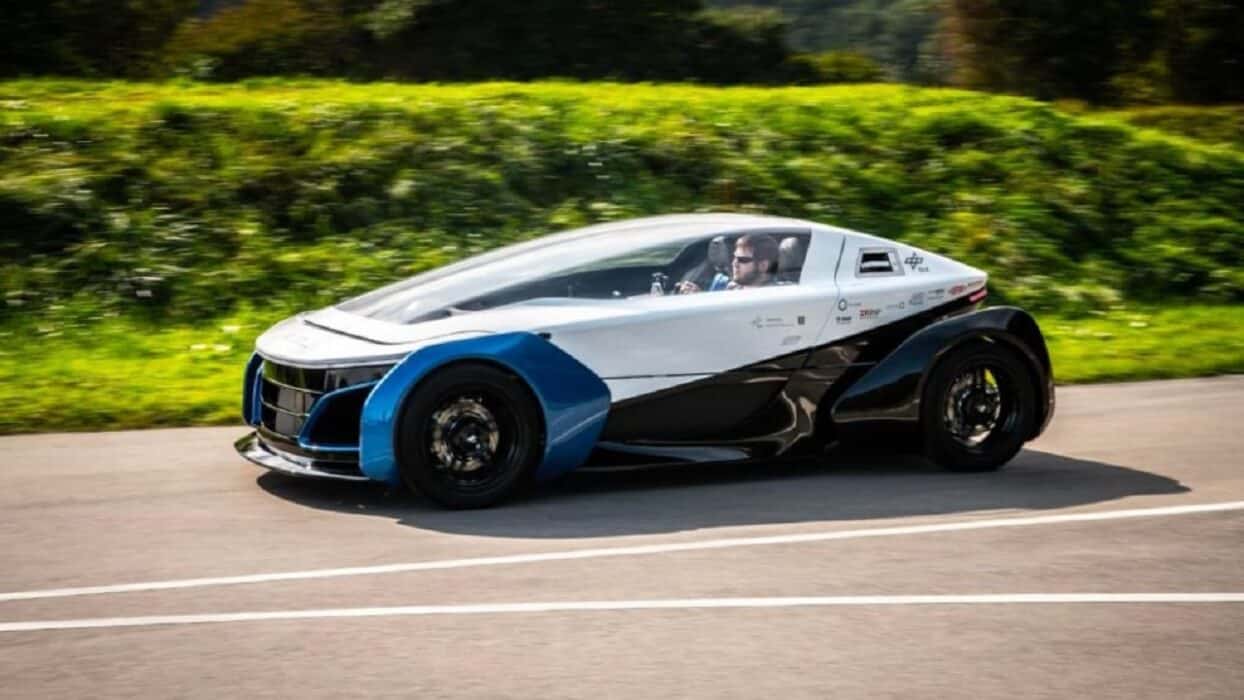
SLRV in Final State- Credits: DLR/Disclosure
The Deutsches Zentrum für Luft- und Raumfahrt (DLR) is responsible for the development of the SLRV. According to the Center, the hydrogen-powered car is extremely lightweight and very safe, weighing only 90 kg for the chassis and 450 kg for the total weight, with a “sandwich” design offering a sufficiently cozy interior space.
-
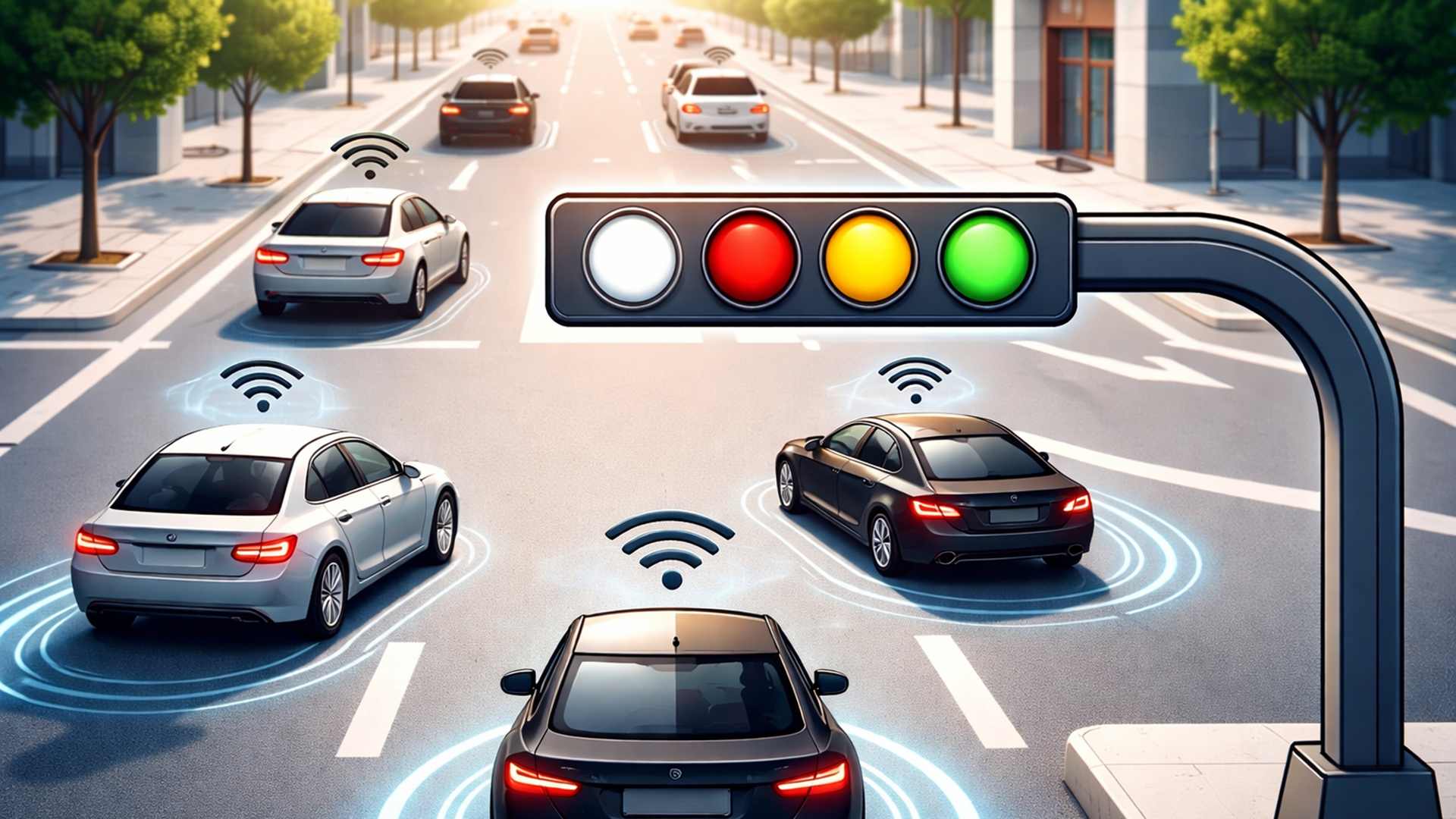
Engineers propose a fourth traffic light for intersections – the change promises to affect crossings, queues, and waiting times.
-
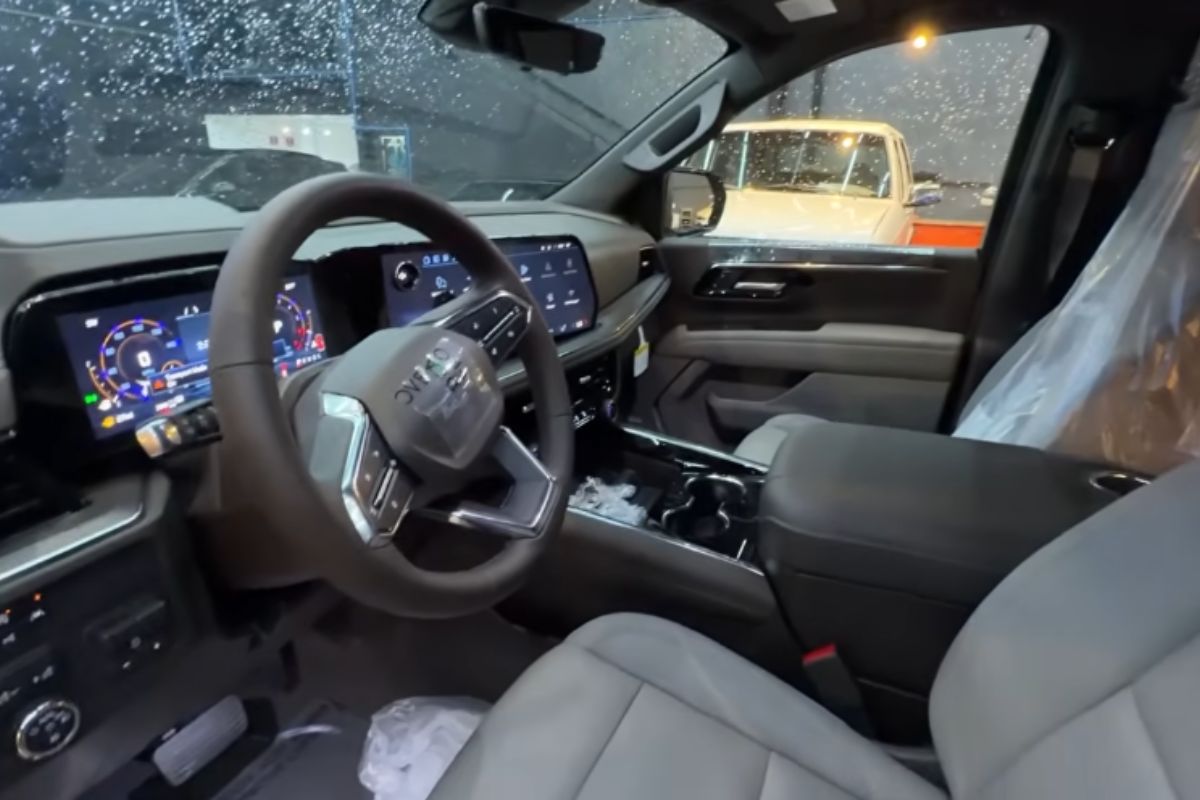
Chevrolet Suburban Z71 lands in Brazil with a V8 engine, off-road design, air suspension, seven seats, and colossal size, a rare version imported for around R$ 1.3 million with luxury and exclusivity.
-
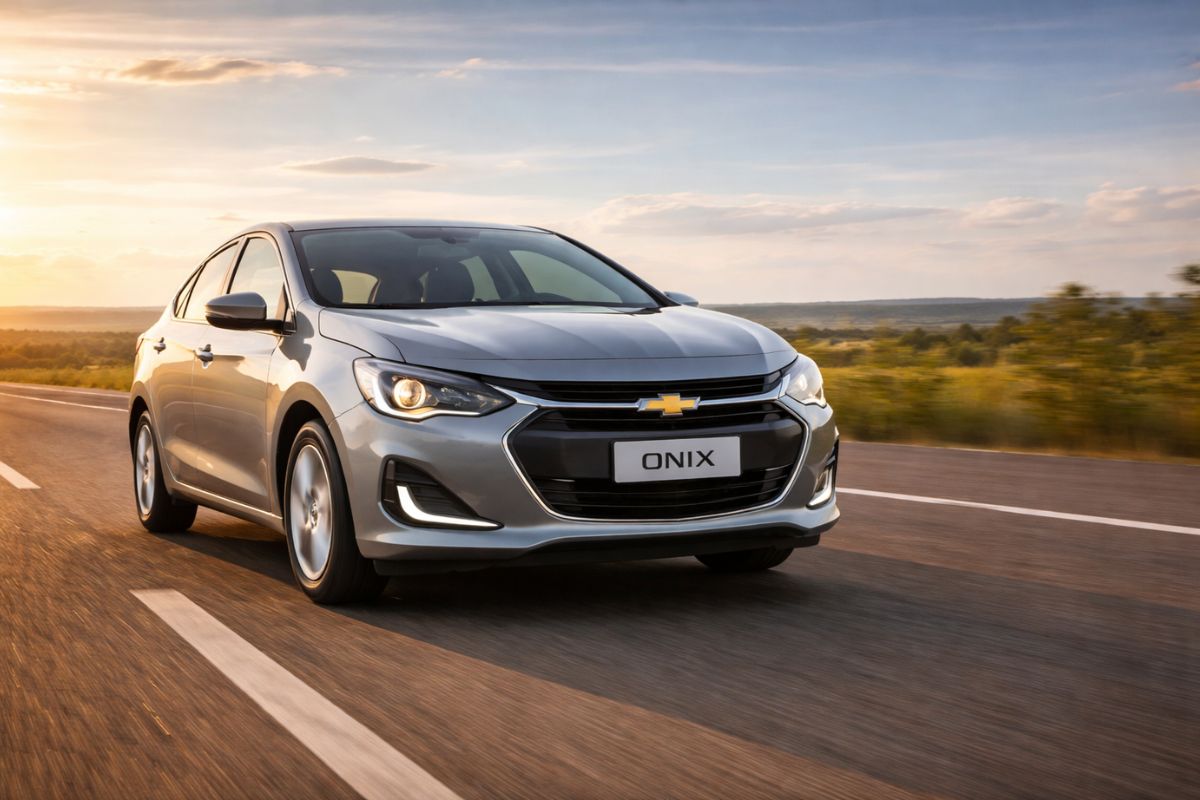
The Chevrolet Onix 1.0 turbo achieves 17.7 km per liter on the highway and ranks among the three most economical cars in Brazil in 2026, alongside two more expensive Toyota hybrids available at dealerships.
-
Little sister of the Hilux: Toyota launches Land Cruiser FJ with 4 radical versions, 2.7 engine with 166 hp and 4×4 traction with locking.
The car, considered ‘lightweight,’ pairs perfectly with the safe and efficient hydrogen cell driving system. With two seats and a space measuring about 3.8 m in length and a low roof that ensures minimal aerodynamic resistance, its overall architecture conveys lightness and balance, something that other models in the same category, known as L7e (light vehicles), find hard to achieve successfully.

Also Aiming to Enter the Zero Emissions Vehicle Category, DLR Advances in Car Development and Creates a Hybrid Model Powered by Fuel Cell/Battery
The SLRV, in addition to having a lightweight design, features a hybrid propulsion system that ensures maximum resource efficiency. DLR developers linked a small continuous power hydrogen cell of 8.5 kW to a battery, in order to create the propulsion system that provides an additional 25 kW of power for acceleration.
This lab-made combination weighs much less than conventional batteries, providing a range of approximately 400 km, and allows for a maximum speed of 120 km/h. Inside the vehicle, between the two seats, there is a 39L tank that can store about 1.6 kg of hydrogen.
Modern and Compact, SLRV May Be an Example of Mobility and Technology
The SLRV is suitable for short trips and is also recommended for public passenger transport services between neighborhoods within urban areas or even inter-municipal, all due to its efficient hydrogen refueling system.
It is estimated that vehicles of this model could complement local public transport in suburban and rural areas, as well as serve as a second, more ecological type of car.
Regarding the purchase prices of the SLRV, DLR estimates that the price of the hydrogen cell-powered car should be around 15,000 euros. With a maximum mileage of 300,000 kilometers and an approximate lifespan of 10 years, its price equates to about 10 cents/km.
General Motors Unveils the Smallest and Cheapest Electric Car in the World: Convertible Mini EV Cabrio Achieves 300 km per Charge and Becomes a Sales Phenomenon with a Price of Only 3000 Euros
The joint venture SAIC-GM-Wuling produced one of the electric cars that became a phenomenon in China, the Wuling Hong Guan Mini EV. This electric car, the cheapest in the world, is so popular among Chinese drivers that General Motors made a convertible model for 2022: the new Wuling MINI EV Cabriolet is only three meters long, runs 300 km per charge, and reaches 100 km/h.
The tiny vehicle was a bold bet by GM for a strange market niche, where products that copy the identity of famous items gain notoriety through explicit cloning, as is the case recently announced by Click Petroleum and Gas where a Chinese manufacturer cloned Volkswagen’s iconic Kombi, right after shamelessly manufacturing an electric copy of the Beetle.
GM simply saw 270,000 units sold in just nine months. Based in Liuzhou, Wuling, GM’s manufacturer, is rolling up its sleeves and launching into the market the convertible version of the world’s cheapest electric car, its “sibling” Mini EV Cabrio.








Seja o primeiro a reagir!