





 Portuguese
  English
  Spanish
  6 min of reading
  0 comments


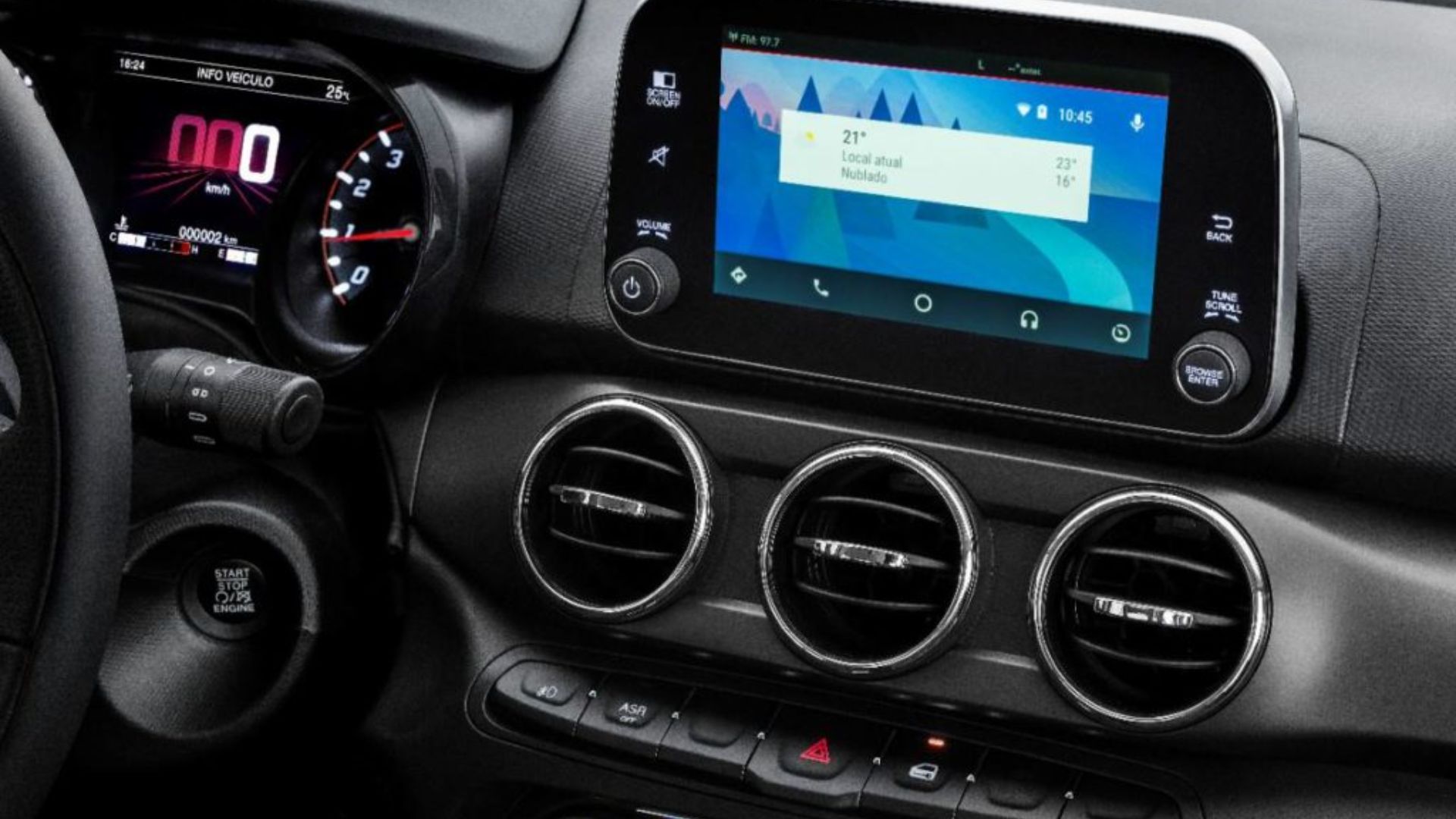
Fiat’s Compact Sedan Ranks Among the Most Sought-After Used Cars, Features Naturally Aspirated Engine, Balanced Fuel Consumption, Spacious Trunk, and Competitive Price, Seen as a Direct Successor to the Siena for Those Prioritizing Simple Maintenance and Family Use.
For those looking for a used compact sedan for up to R$ 50,000 and wanting to avoid the complexity of turbocharged engines, the Fiat Cronos presents a recurring alternative in the market.
On Mercado Livre listings, units appear starting at R$ 49,900 in entry-level and intermediate versions, especially from years like 2019 and 2020, which places the model among the most affordable sedans from the brand in this price range.
At the same time, the Cronos meets a profile that remains strong in Brazil: drivers who prioritize predictable maintenance, easily available parts, and familiar mechanics.
-
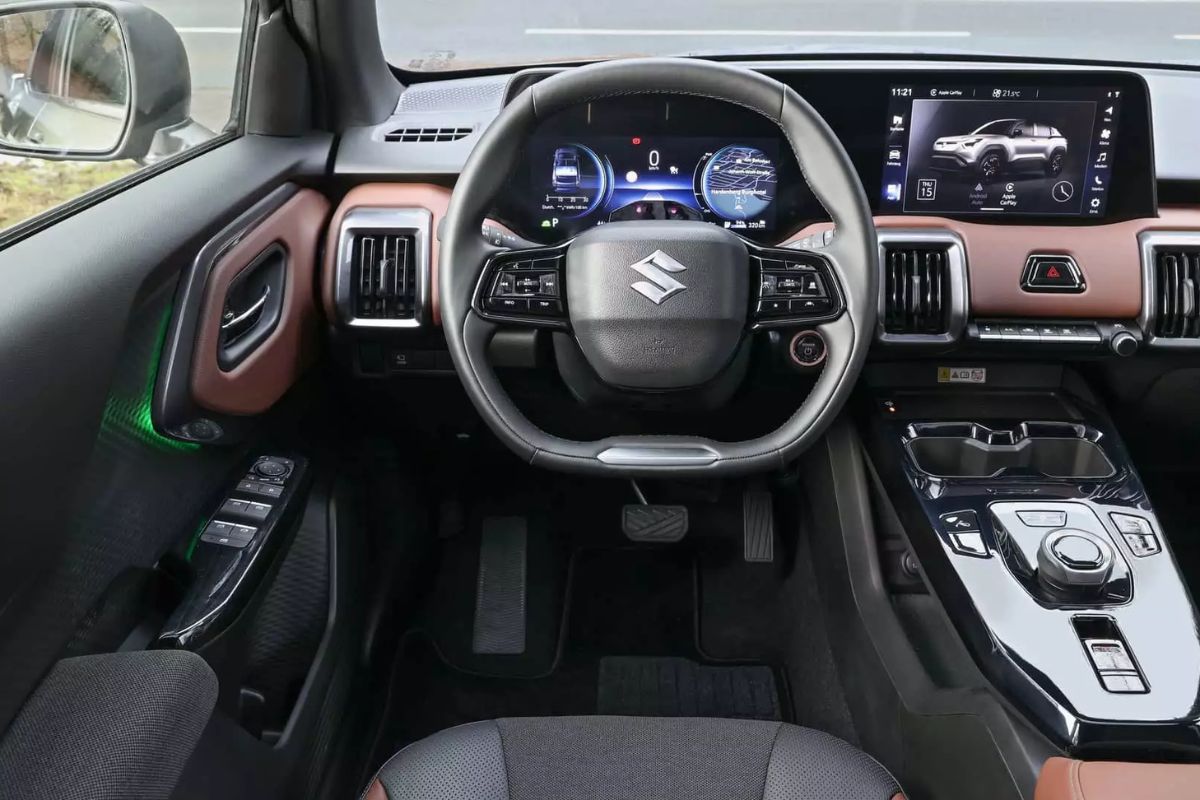
The 2026 electric Vitara arrives in Brazil and proves that Suzuki is not leaving: 4×4 traction, 184 hp, 61 kWh LFP battery, 293 km range, R$ 259,000, and a trunk capacity of 224 L.
-
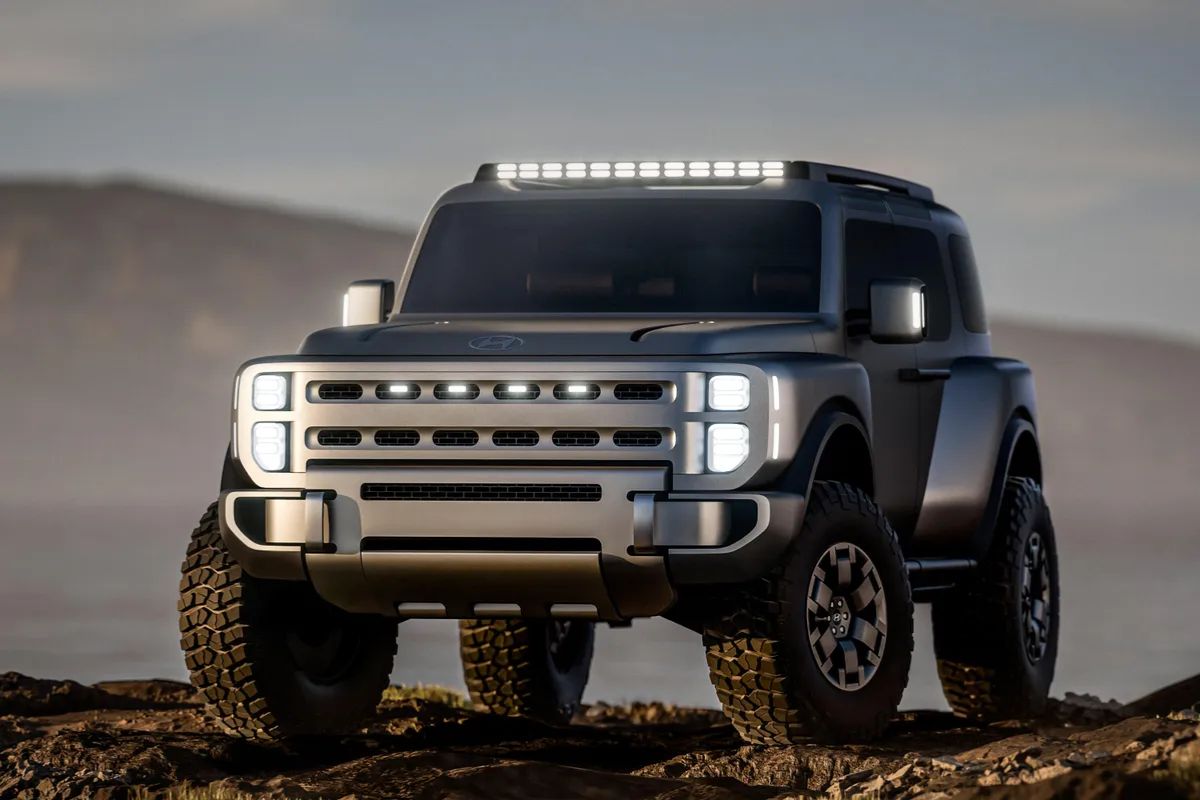
Hyundai has unveiled the Boulder, a square SUV with a body-on-frame design, 37-inch mud tires, and carriage-style doors that seems to be made to take on the Ford Bronco and the Scout Traveller in the United States.
-
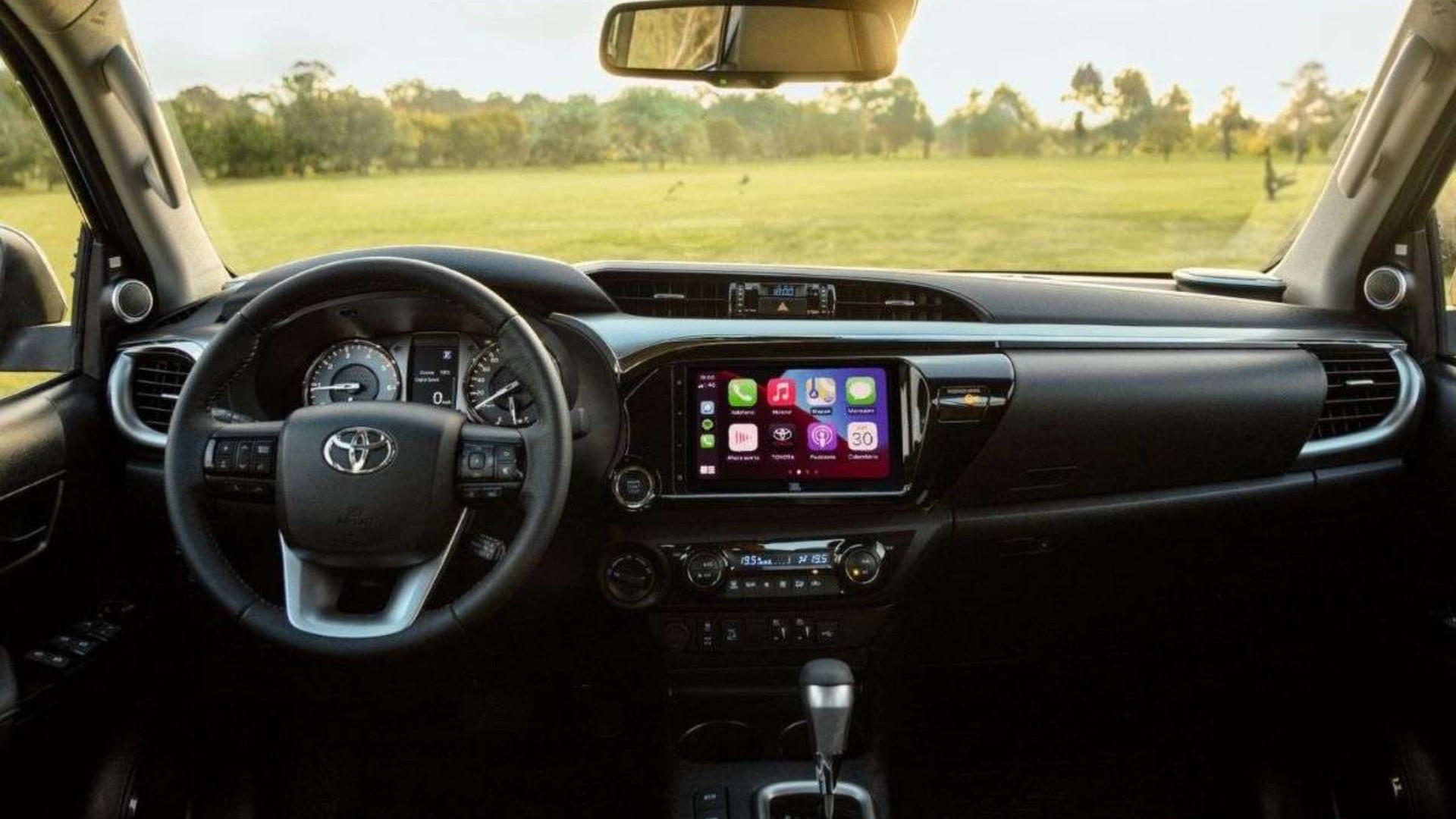
The Toyota Hilux is R$ 75.5 thousand cheaper and bets on the 2.8 turbodiesel engine with up to 204 hp and 50.9 kgfm to catch up with the VW Saveiro, which leads with 4,472 sales.
-
The new Renault Koleos has a screen exclusively for the passenger that is invisible to the driver, heated rear seats, and 29 assistance systems, but its Chinese competitors cost R$ 40,000 less and deliver more power.
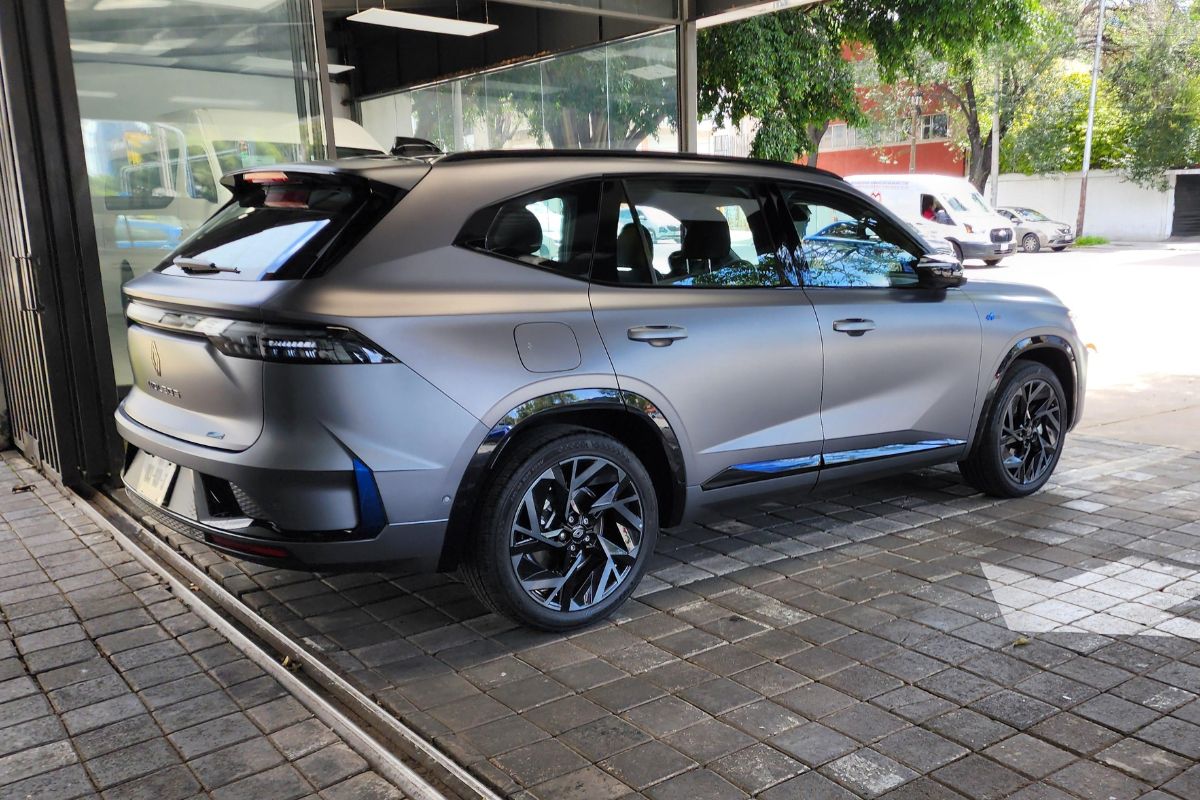

Even with the popularization of turbos in new cars, many used car buyers continue to prefer naturally aspirated engines, understanding that, in general, they have fewer components associated with forced induction and tend to fare better with maintenance routines outside of dealerships.
The price mentioned in this text was verified during the investigation and production of the article in November 2025, based on listings available on Mercado Livre at that time.
Why Naturally Aspirated Engines Are Still Valued in Used Cars

A part of the appeal of naturally aspirated engines lies in what they lack.
Without a turbocharger, the setup dispenses with components and systems associated with air pressurization, reducing variables related to use and repair.
For those buying a car with higher mileage, this matters.
The goal is often to find a model that performs well day-to-day and doesn’t turn small maintenance tasks into unpredictable expenses.
Another point is the availability of replacement parts.
In the used car universe, the availability of parts and the familiarity of independent workshops matter almost as much as power or comfort features.
In this scenario, the Cronos stands out for using Firefly family engines, common in various Fiat models in Brazil, helping to keep maintenance within a more familiar standard for mechanics.
Fiat Cronos Fills the Void Left by the Siena in Brazil
The Cronos is often treated as the sedan that took over the space left by the Siena and Grand Siena in Fiat’s lineup in the country.
Specialized coverage of the model reinforces this interpretation by pointing out the Cronos as a replacement in the lineup and noting the evolution of the range over the years, including changes in engines and versions.
In practice, this means a compact sedan focused on space and trunk capacity, trying to balance price, fuel consumption, and maintenance costs.
It is a proposal similar to that of the Siena during its most popular years, now with a more recent design and a range of equipment that varies significantly depending on the version and year.
Dimensions and Trunk Reinforce Family Profile

In addition to the mechanics, the Cronos often draws attention for something difficult to resolve in a small car: luggage space.
The trunk capacity is 525 liters, a number that places it among the largest in the segment and appears in the manufacturer’s own technical specifications.
In terms of dimensions, the sedan has also grown compared to its predecessors.
The model measures 4.372 meters in length, which helps explain its suitability for family use and travel, especially for those needing to carry larger bags or groceries without giving up a compact-sized car.
Firefly Engines and Differences Between Versions
In the used market, it is common to find the Cronos with Firefly engines.
There are configurations 1.0 and 1.3, which cater to different usage profiles.
The 1.0 version appears with power around 77 hp and torque of 10.9 kgfm.
This option tends to appeal to those who drive more in urban traffic and want a sedan with a lower acquisition cost, accepting modest performance in acceleration and overtaking.
Meanwhile, the 1.3 naturally aspirated engine is often cited as a balanced option between consumption and responsiveness.
In technical specifications, this setup yields 109 hp and 14.2 kgfm, values typically associated with the use of ethanol.
This contributes to giving the car some breathing room when loaded and improves handling on the road.
A crucial point is not to confuse technical concepts.
The Cronos’ 1.3 naturally aspirated engine uses multi-point injection rather than direct injection, a difference that can influence costs and maintenance specifics over time.
Fuel Consumption and Official Data from Inmetro

The figure of 13 km/l often comes up in discussions among buyers for being within the expected range for the more economical versions under certain usage conditions.
However, fuel consumption varies according to version, transmission, fuel, and measurement cycle.
In official data for the Fiat Cronos Drive 1.3 Automatic, the indicated consumption is 12.6 km/l in the city and 14.6 km/l on the highway with gasoline.
With ethanol, the numbers drop to 8.6 km/l in urban cycles and 10.7 km/l in highway driving.
In practice, this means that the 13 km/l makes sense as an approximate reference for highway use with gasoline, but official data may be higher depending on the evaluated configuration.
Price on Mercado Livre and Care When Buying Used
The search for units listed starting from R$ 49,900 usually leads to older models with higher mileage.
This scenario is expected within the entry-level price range.
Still, there are active listings close to this level, including Drive versions from previous years.
As with any used car purchase, the final price depends on the overall condition of the car, maintenance history, provenance, and the region where it is sold.
Two vehicles of the same year and version can show significant differences in value due to tires, documented services, suspension condition, paintwork, and any mechanical or administrative issues.
What Influences Recommendations from Owners and Shops
Those who often recommend a naturally aspirated engine cite predictability.
In the case of the Cronos, the combination of simple mechanics, ample parts availability, and a large volume of circulating units helps make the model well-known in independent workshops.
Still, recommendations do not replace the individual assessment of each vehicle.
In sedans with a few years of use, factors like the cooling system, belts, type of oil used, and maintenance records influence reliability more than just the engine type.
For the Cronos, it is also important to confirm the version and transmission, as fuel consumption, performance, and comfort vary depending on the configuration.
With competitive entry pricing, spacious trunk, and balanced official fuel consumption in certain versions, the Cronos has solidified its status as a frequent option for those seeking a sedan that is simple to maintain, but what weighs most in your choice: daily savings, workshop costs, or family practicality?









-

-

-

-

-

22 pessoas reagiram a isso.