





 Portuguese
  English
  Spanish
  3 min of reading
  0 comments


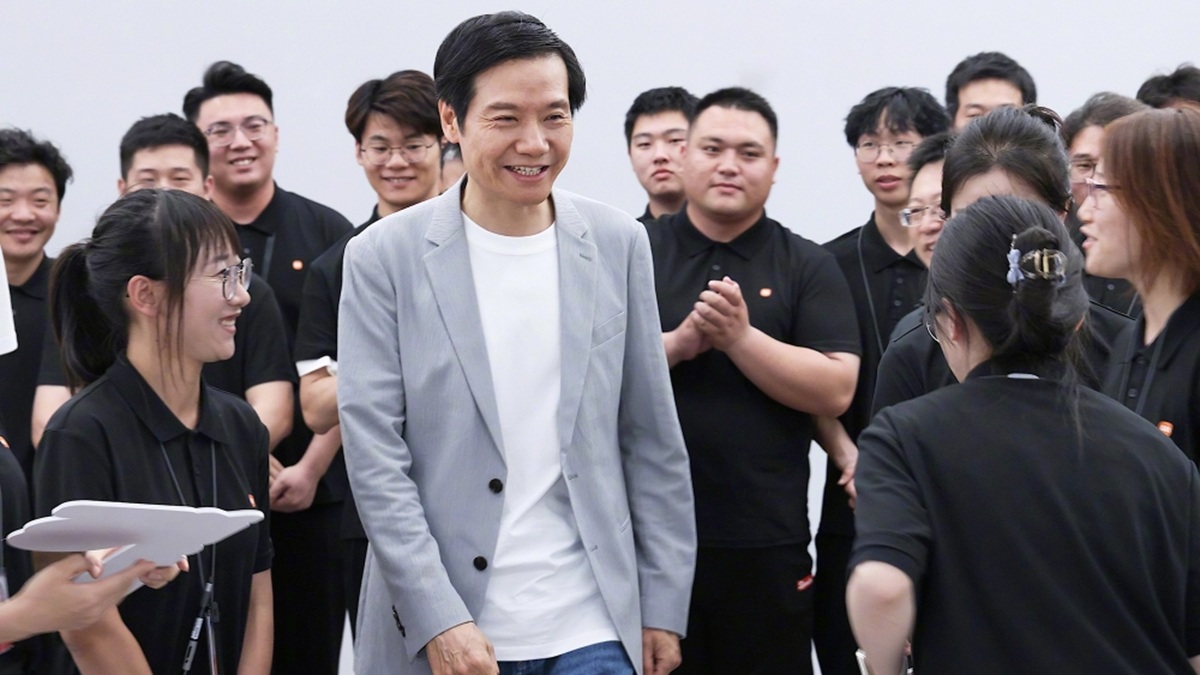
The Chinese Automotive Industry Is Experiencing an Unprecedented Moment, Marked by Record Sales and Waitlists That Extend for Months. The Sudden Success of Exclusive Electric Models Has Created a Curious Scenario: Demand Is So Intense That Even the Company’s Head Had to Speak Publicly. In an Unusual Move, He Even Recommended That Customers Seek Options From Direct Competitors to Avoid Long Delivery Times.
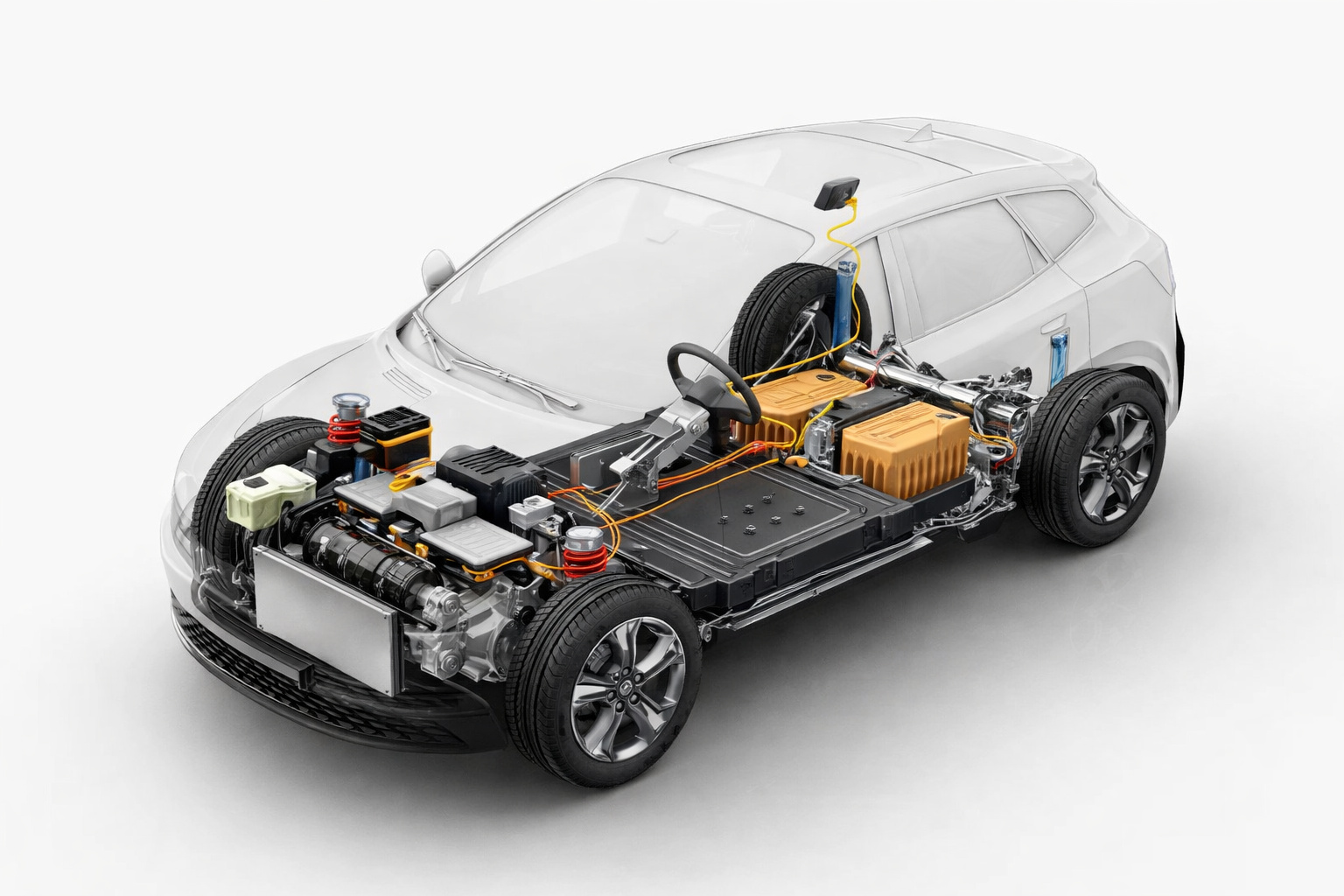
Xiaomi Entered the Electric Car Market with Two Exclusive Models: the SU7 Sedan and the YU7 SUV.
The Former Had Already Received Thousands of Orders Within the First Year.
But the Major Impact Came With the YU7, Which Had Its Entire 2026 Production Sold Out in Just Three Days.
-
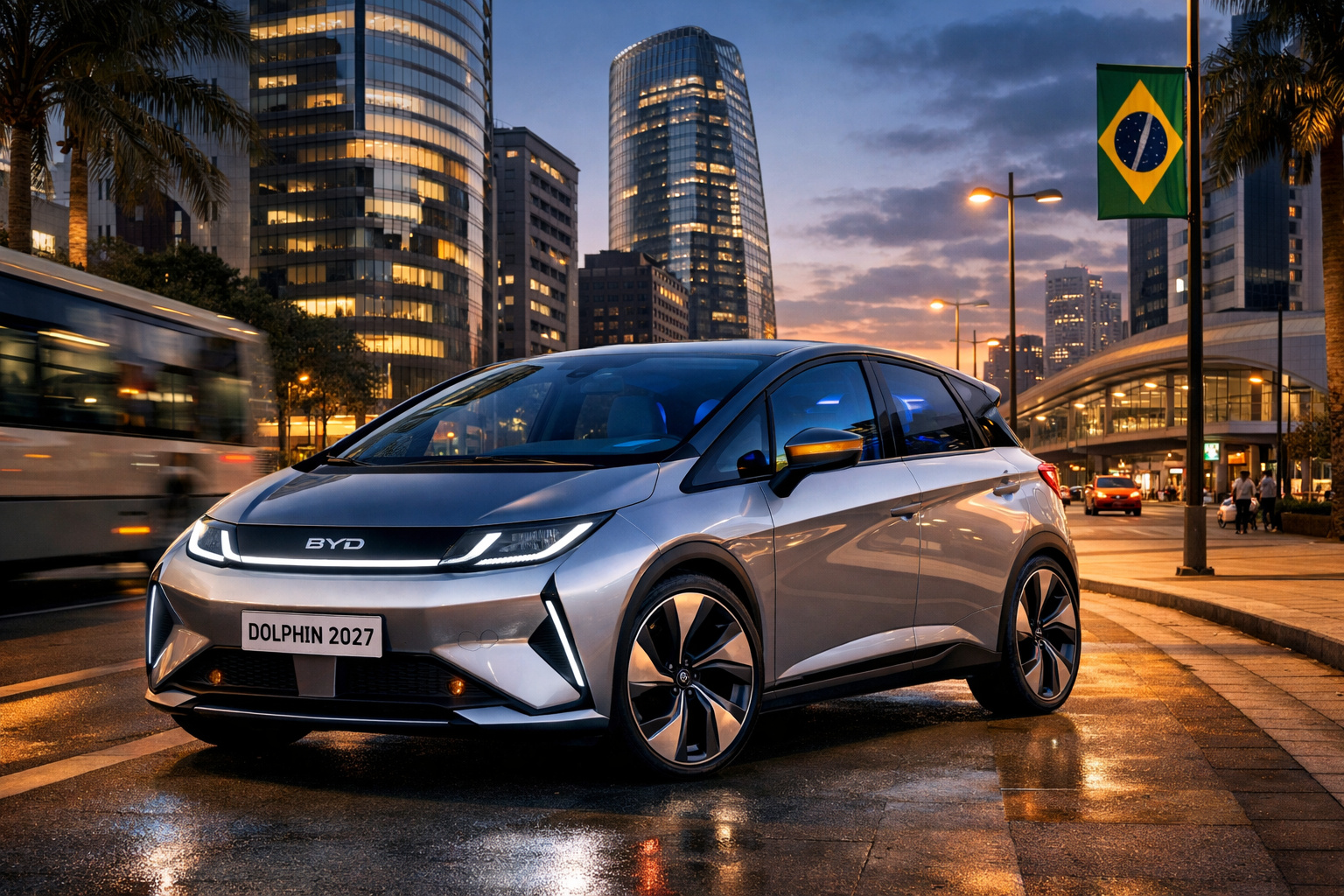
BYD Dolphin 2027 gains more power, increases in size, changes interior, and abandons controversial feature to face new competition in Brazil.
-
The German economist Wolf-Peter Schill has no doubts: “Electric cars are already far superior to cars with internal combustion engines.”

-
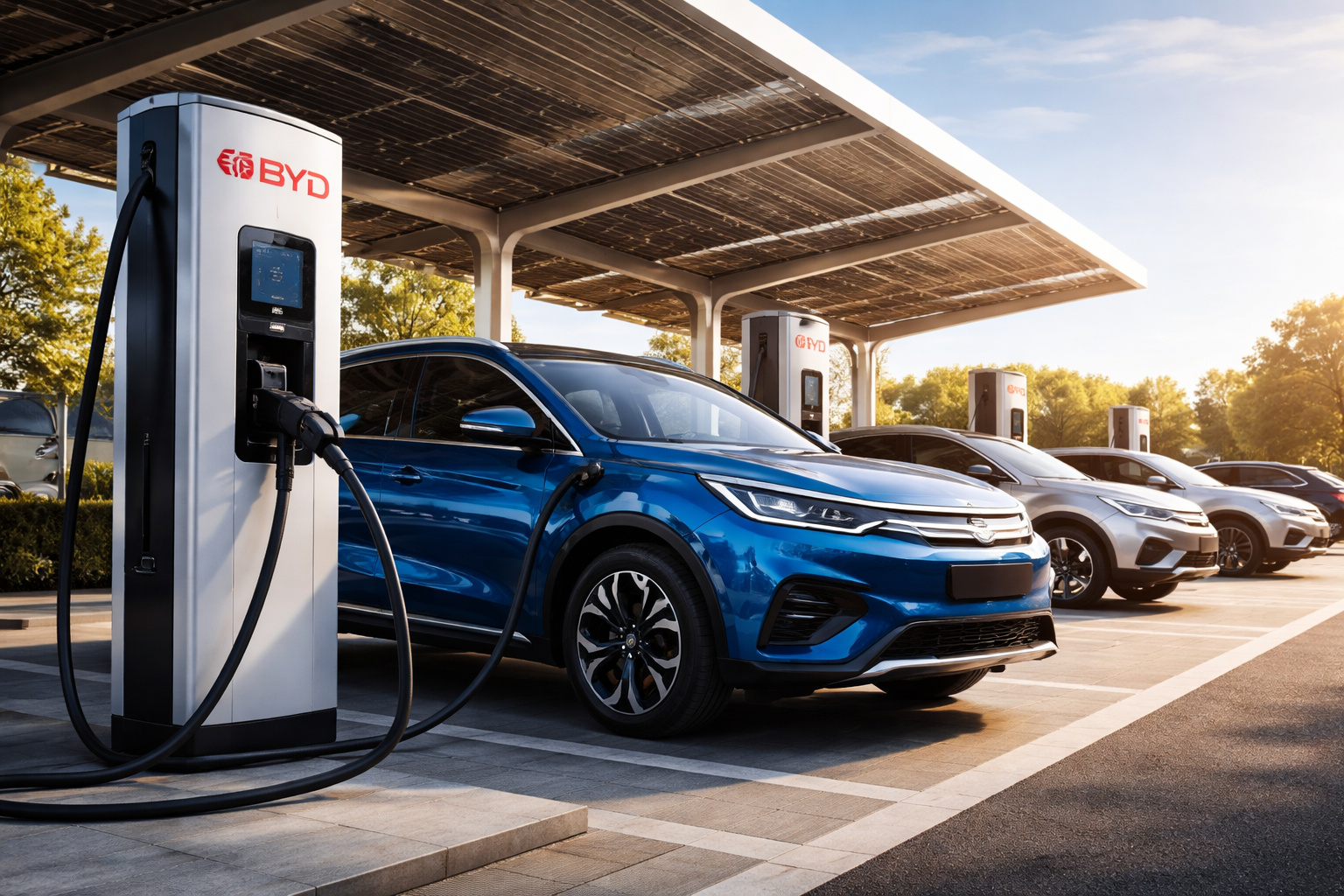
Largest public charging network in Brazil: BYD reaches 125 fast chargers and accelerates national expansion of electric mobility.
-
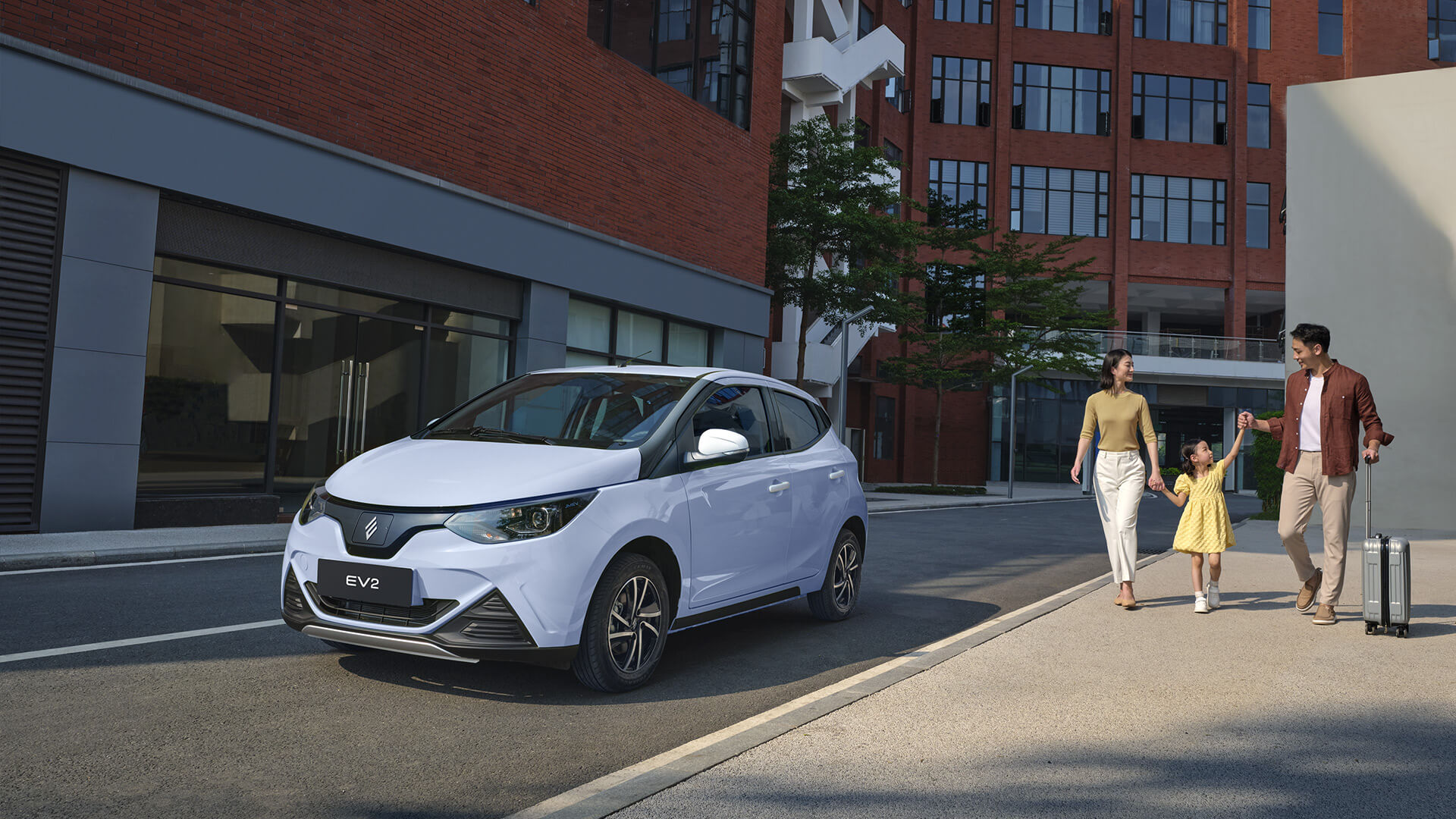
Goodbye expensive popular car: electric vehicle for less than R$ 70,000 starts being sold in Brazil with a range of 200 km and targets those looking to escape gasoline.
This Performance Impressed the Sector, But Also Brought a Challenge: Meeting Demand Without Compromising Timelines.
The Most Important Thing Is That the Company Now Faces a Dilemma. The Excess of Orders Could Become a Problem If There Is No Production Capacity to Deliver the Vehicles in the Promised Time.
Every Month, Demand Exceeds Delivery Volume, and Waitlists Continue to Grow.
Long Waitlists
According to Bloomberg, the Wait Time to Receive a Car From Xiaomi Can Reach Up to One Year.
Depending on the Chosen Version, This Timeframe Extends Even Further. For the YU7, for Example, the Forecast Reaches 60 Weeks. For the SU7, the Most in-demand Variants Require Up to 50 Weeks of Waiting.
So, It’s Not Surprising That Many Customers Have Filed Complaints on Chinese Platforms.
It Is Estimated That the YU7 Accumulates About 100 Complaints, All Related to Delivery Delays. None Criticize the Car Itself, but Rather the Long Waiting Time Imposed by the Factory.
CEO Recommends Looking at Competitors
In Response to the Discontent, Xiaomi CEO Lei Jun Made an Unexpected Move.
He Suggested That Consumers Who Need an Electric Car Immediately Consider Other Brands. “If You Need to Buy an Electric Car Quickly, Other New Energy Vehicles Made in China Are Very Good</strong,” He Said.
Among the Recommended Models, He Mentioned the Xpeng G7, the Li Auto i8, and Even the Tesla Model Y. In His Statement, He Highlighted That Xiaomi Still Has Much to Learn From Tesla, Signaling Respect for Competitors. This Stance Is Noteworthy Because It Shows a Leader Willing to Acknowledge Limitations and Value Rivals.
Relationship With Other Executives
Lei Jun Has Demonstrated This Friendly Stance More Than Once. He Maintains Frequent Conversations With He Xiaopeng, CEO of Xpeng, and Even Publicly Congratulates Him on Launches.
This Style Contrasts With the Common Rivalry in the Automotive Sector, Making His Position Even More Unique.
Furthermore, His Discourse Works as a Way to Alleviate Pressure on the Brand. By Directing Customers to Other Options, He Tries to Contain the Increase in Orders While Production Does Not Keep Up With Demand.
Production Limitations
Today, Xiaomi Only Has Its Factory Called Phase 1, Which Has an Annual Capacity of 150,000 Vehicles. A Second Unit, Named Phase 2, Is Completed but Has Not Yet Started Operations. Combined, the Two Factories Could Produce Up to 300,000 Cars Per Year.
The Problem Is That the YU7 Alone Sold Over 315,000 Units in Three Days, Exceeding the Company’s Annual Capacity. Additionally, the Brand Has Decided to Postpone Expansion to Europe Until Timelines and Deliveries Stabilize in the Domestic Chinese Market.
Challenge for the Future
Xiaomi Has Managed to Impress the Market With Extraordinary Numbers. However, It Now Faces the Pressure to Deliver Within Reasonable Timeframes.
Complaints Are Growing, and Consumer Patience May Diminish. To Maintain Credibility, the Company Needs to Expand Its Production and Balance Expectations.
In the Meantime, Lei Jun Continues to Emphasize That Consumers Can Find Good Alternatives at Other Manufacturers. This Uncommon Attitude Shows That, Amid Success, the Priority Is to Avoid Frustrations and Preserve Customer Trust.








Seja o primeiro a reagir!