





 Portuguese
  English
  Spanish
  4 min of reading
  0 comments


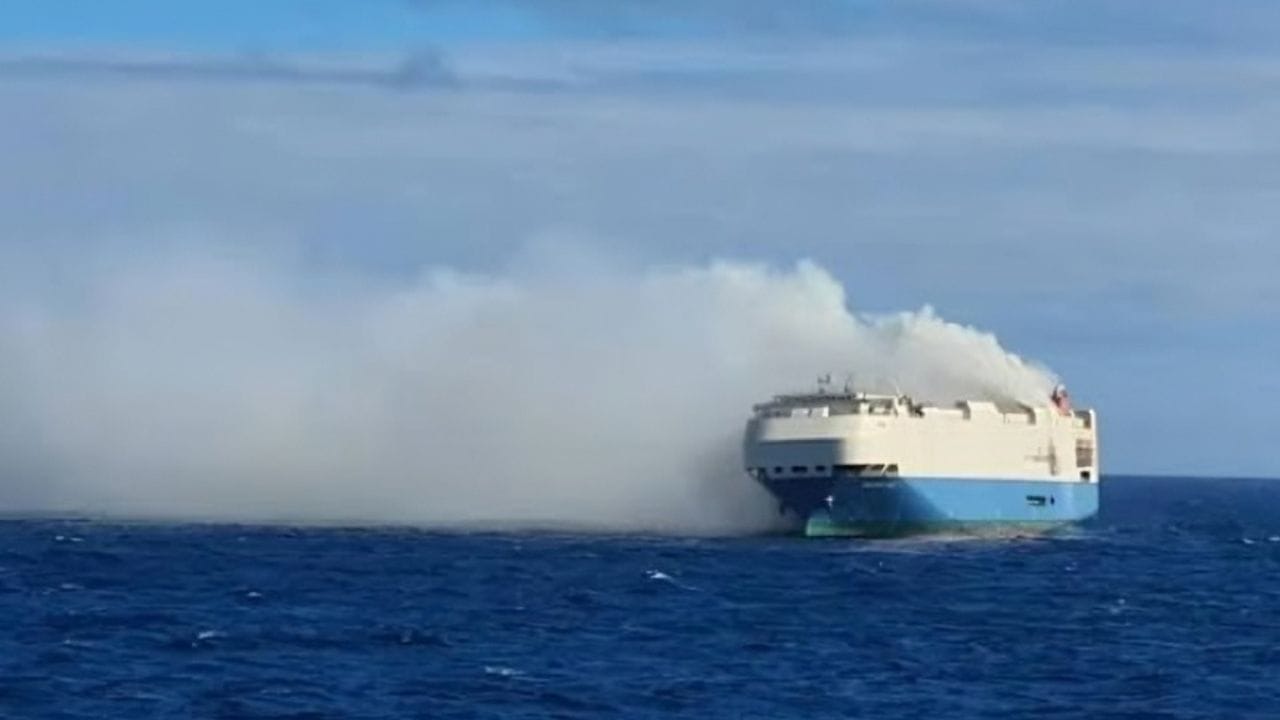
A Porsche Electric Car Is Being Accused of Causing a Catastrophic Fire, Resulting in the Loss of 3,800 Vehicles and the Complete Sinking of the Felicity Ace Ship, in a Case That Raises Concerns About the Safety of Electric Vehicle Transport.
In an event that sounds more like a thriller than reality, Porsche finds itself in a tough spot after allegations that one of its electric cars was responsible for a fire that led to the sinking of the Felicity Ace ship, along with its cargo of 3,800 cars, according to the Valor Econômico newspaper. This incident, which occurred in February 2022, highlighted potential risks associated with the maritime transport of electric vehicles, triggering lawsuits against the German manufacturer.
According to reports, the Felicity Ace, a car transport ship operated under Panama’s flag, was in transit from Germany to the United States when it was engulfed in flames. The accident not only resulted in the total loss of the vehicles on board, but also raised significant environmental concerns due to its sinking in international waters, about 400 km off the Portuguese coast. Fortunately, all 22 crew members were rescued without serious injuries.
Is the Porsche Electric Car to Blame?

The crux of the controversy revolves around a Porsche electric car that, as alleged by Mitsui, the ship’s operator, and the insurance alliance Inur, allegedly sparked the fire due to a defect. This accusation triggered legal actions in Germany, with plaintiffs claiming that Porsche and its parent company, the Volkswagen Group, failed to communicate the inherent risks of transporting their electric vehicles.
-
São Paulo surprises the world with a colossal railway network project that promises over 1,000 km of tracks, R$ 194 billion in investments, and 40 projects connecting the capital to the interior with fast and sustainable trains.
-
The world’s largest escalator, measuring 905 meters in China, reduces urban travel time from 1 hour to about 20 minutes and transforms mobility in mountainous regions with an engineering solution adapted to the terrain.

-
A R$ 300 million logistics giant is taking shape in Serra with over 100,000 m² and raises a question: how can this transform e-commerce and distribution in the state?

-
Could Uber Rides Lose Minimum Fare? Understand What’s Happening!


In addition to the substantial monetary value of the lost cars, the incident included the destruction of 15 Lamborghini Aventador Ultimae, a supercar whose production had to be resumed to meet unmet deliveries. These vehicles, alone, represent a loss of around US$ 10 million, illustrating the financial magnitude of the disaster.
Safety in Electric Vehicle Transport
While Porsche has not publicly commented on the specifics of the case, the situation raises critical questions about the safety of electric vehicle transport and the responsibilities of manufacturers. As the investigation continues, the automotive industry watches closely, aware that the outcome could set new safety and liability standards.
This event not only puts Porsche under scrutiny but also serves as a warning for the entire electric vehicle industry, highlighting the importance of stringent safety measures during the transport of vehicles. As the case unfolds, all eyes will be on the judicial decisions and their implications for the future of electric vehicle transport.
About the Felicity Ace Ship
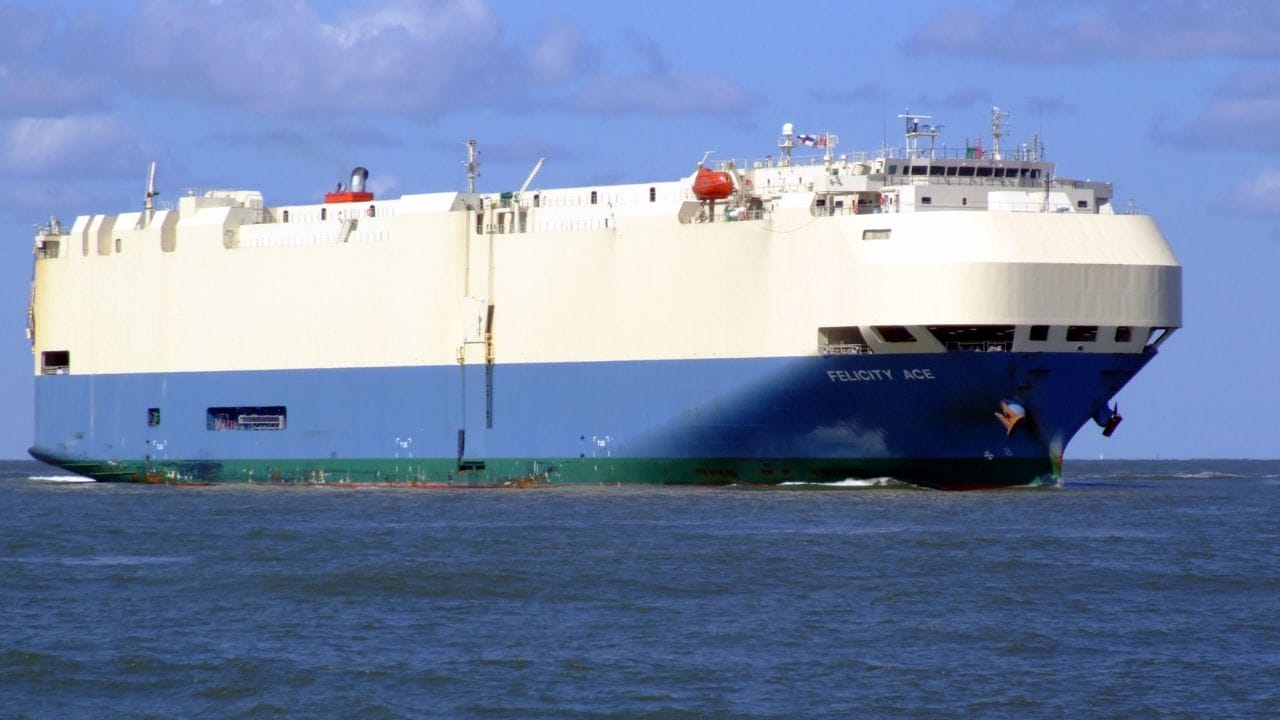
The story of the Felicity Ace ship marks a tragic chapter in the maritime vehicle transport industry. Built in 2005 by the Shin Kurushima Dockyard, this roll-on/roll-off vehicle carrier was owned by Mitsui O.S.K. Lines, a respected Japanese company, and registered under the Panama flag.
The vessel, known for transporting thousands of vehicles between continents, met its misfortune in February 2022, south of the Azores. During a crossing from the port of Emden, Germany, to Davisville, Rhode Island, USA, the Felicity Ace caught fire. On board, it carried about 4,000 vehicles, including prestigious models from brands like Porsche, Audi, Volkswagen, Bentley, and Lamborghini. One of these vehicles, the Lamborghini Aventador LP 780-4 Ultimae, had a retail value exceeding US$ 500,000.
The tragedy unfolded on February 17 when the fire ignited, leading to the safe evacuation of the 22 crew members. Despite intensive firefighting efforts, with assistance from tugboats from Gibraltar and a salvage boat from Rotterdam, the ship continued to burn for a week. On March 1, the Felicity Ace sank approximately 350 km from the Azores, in rough waters, leaning 45 degrees to starboard before unexpectedly capsizing and sinking to a depth of about 3,000 meters.
The incident resulted in estimated losses between US$ 334 million and US$ 401 million, covering 1,117 Porsche cars, 1,944 Audi cars, 561 Volkswagen cars, 189 Bentley cars, and 85 Lamborghini cars. This event not only exposed the vulnerability of global supply systems but also led to a reevaluation of electric vehicle transport policies by some shipping companies. Mitsui O.S.K. Lines (MOL), for example, announced it would stop transporting used electric vehicles, although hybrids will still be accepted.









Seja o primeiro a reagir!