





 Portuguese
  English
  Spanish
  3 min of reading


Meet The Battery-Free Electric Car That Goes From 0 To 100 Km/h In Just 2.5 Seconds. Besides Its High Speed, The Water-Powered Car Has A Range Of Almost 2 Thousand Km.
The British nanoFlowcell, after conducting tests and achieving a range of 1,000 km with its water-powered car named Quantino 48 Volt, now launches another model, the Quantino twentyfive. Instead of batteries, the new electric car model is equipped with six fuel cells and a 125-liter tank of bi-ION, a compound made of seawater and recycled water waste.
Battery-Free Electric Car Goes From 0 To 100 Km/h In Just 2.5 Seconds
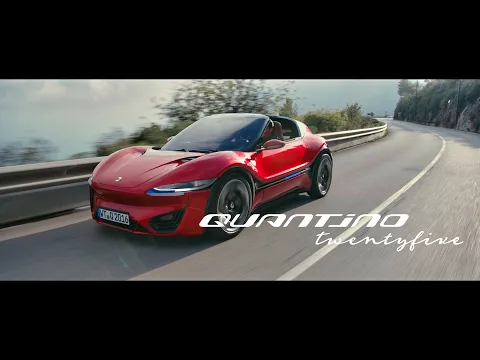

The fuel of the electric car powers four low-voltage electric motors of 60 kW. The estimated range by the company is impressive, at 1,930 km with a full tank. With room for four passengers, the battery-free electric car does not disappoint when it comes to performance, accelerating from 0 to 100 km/h in just 2.5 seconds. According to Nunzio La Vecchia, CEO of nanoFlowcell, this technology is key to a successful global energy transition.
The company, which is headquartered in London, has also developed a subsidiary in the U.S. to sell its electric car, still without a scheduled launch date, and hopes to manufacture the bi-ION fuel faster and at a much lower cost in American soil, around 10 cents per liter, equivalent to R$ 0.52 in direct conversion.
-
Less than a Tera TSI, up to 710 km of range and charging in 9 minutes: the new BYD Song Ultra expands the Chinese brand’s bet on increasingly faster, more technological, and competitively priced electric SUVs.

-
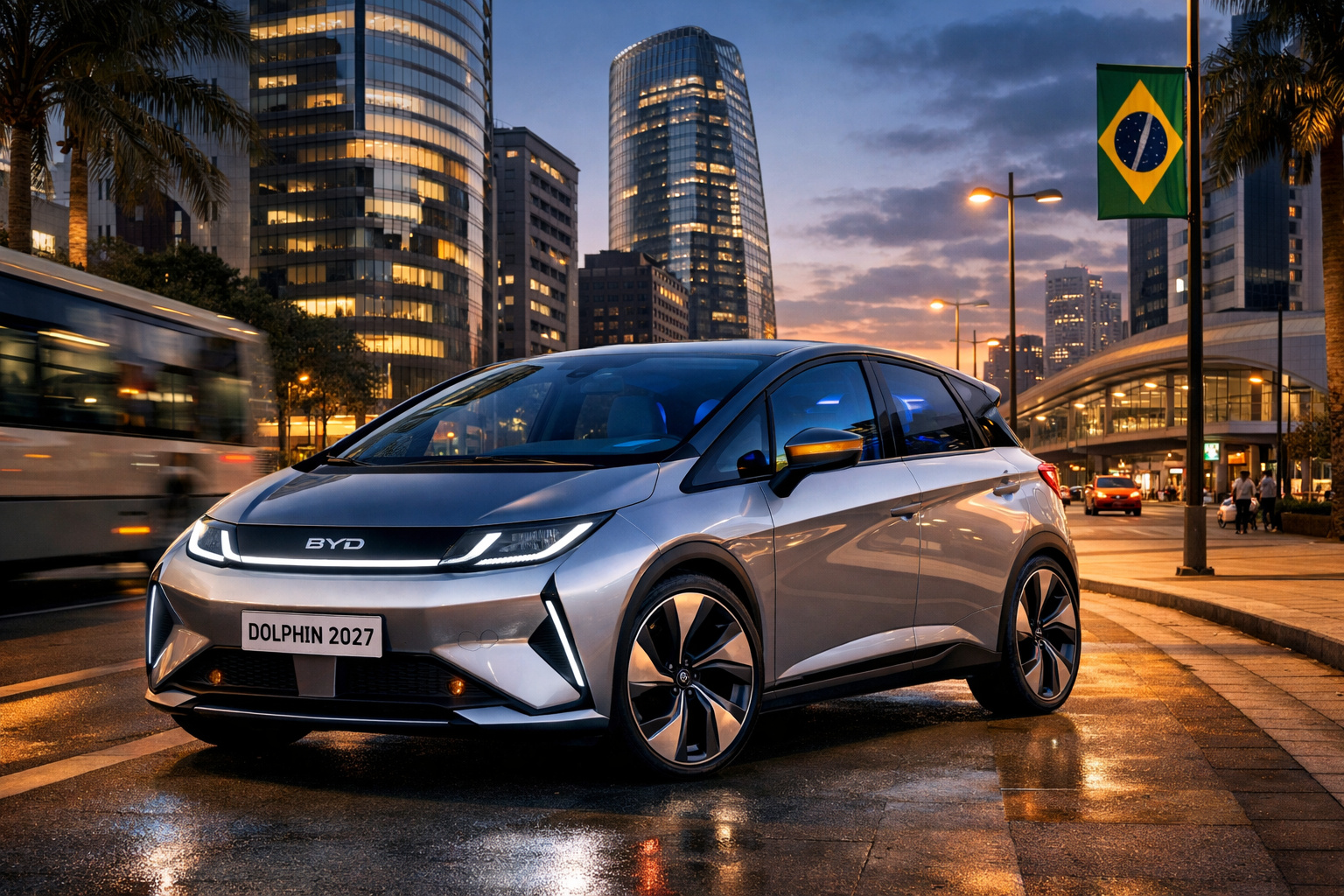
BYD Dolphin 2027 gains more power, increases in size, changes interior, and abandons controversial feature to face new competition in Brazil.
-
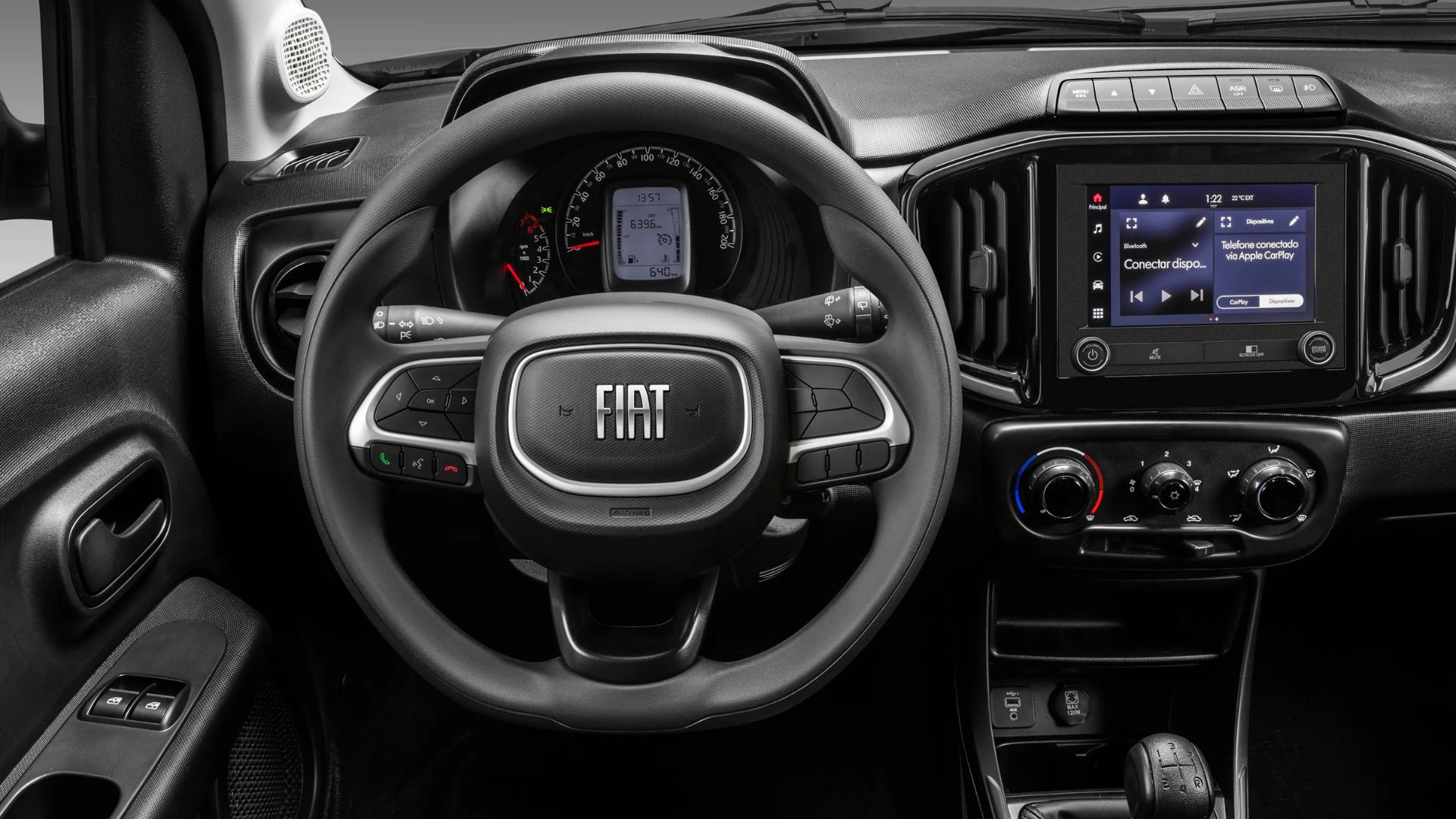
With a 1.0 engine producing 75 hp and costing less than R$ 70,000, Fiat’s car returns to the podium as the cheapest in the country; a temporary promotion for the 2026 Like version reduces the price of the Fiat Mobi.
-
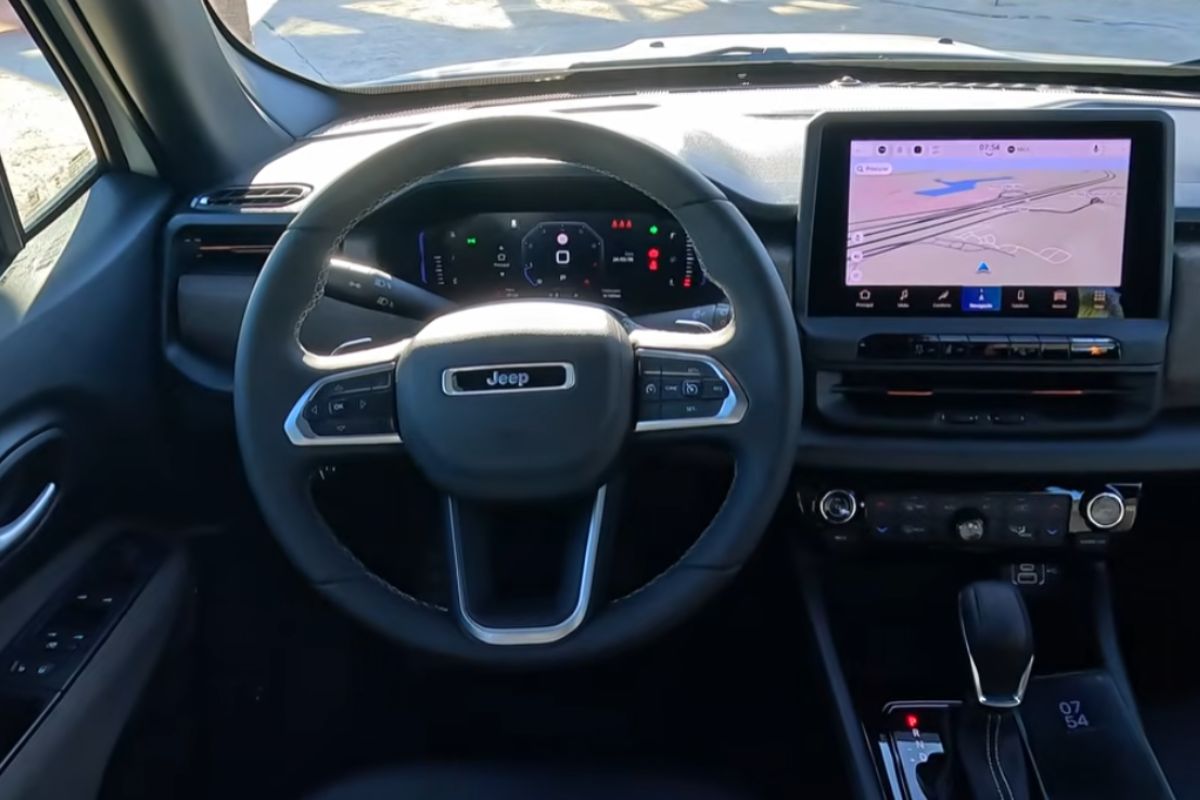
With a mild hybrid system of 48 V, 176 hp and a price of R$ 175,990 in the Sahara version, the new Jeep Renegade changes mostly on the inside, improves slightly in fuel consumption, and remains almost the same car.
The automaker also aims to forge strategic partnerships with other companies that wish to equip their models with the same technology of the water-powered car. It remains to be seen if other automakers will want to join this venture.
Water-Powered Car Achieves Nearly 2 Thousand Km Of Range
According to the CEO of nanoFlowcell, Nunzio La Vecchia, with the Inflation Reduction Act, the U.S. has made the largest investment in clean energy in its history, and the potential implications of renewable energy are still far from being realized.
The executive emphasizes that he does not seek government support for nanoFlowcell USA to expand its production units and infrastructure in the United States, where appropriate the company will form strategic partnerships to develop and expand the infrastructure, as well as integrate nanoFlowcell technologies across all sectors of the economy.
To mark its entry into the U.S. and its 25th anniversary, the company revealed this new version, which features a 2+2 coupe body with a removable roof, with the model equipped with an electric motor on each wheel, developing a combined power of 320 horsepower.
The bi-ION electrode solution is stored in two 125-liter tanks, and each refill allows for travel of up to 2 thousand km. However, this will require the construction of dedicated refueling infrastructure with the bi-ION solution from nanoFlowcell.
Company Develops Other Models
The company has already developed several prototypes of the saltwater-powered car, such as the sporty e-Sportlimousine, the Compact Quantino, and the Crossover Quant F. These three models have been tested on the road, but the Quantino 48 Volt was the first to showcase the fuel’s capability.
Another major highlight of the zero-emission vehicle is the fact that it achieved 1,000 km during eight hours and 21 minutes straight, that is, during the journey it did not stop for refueling, also proving its excellent range.
The Swiss company aims to start final production of this prototype model in the short term. If successful, it will be a breakthrough for the industry, allowing drivers to refuel very economically.







Seja o primeiro a reagir!