





 Portuguese
  English
  Spanish
  5 min of reading
  0 comments


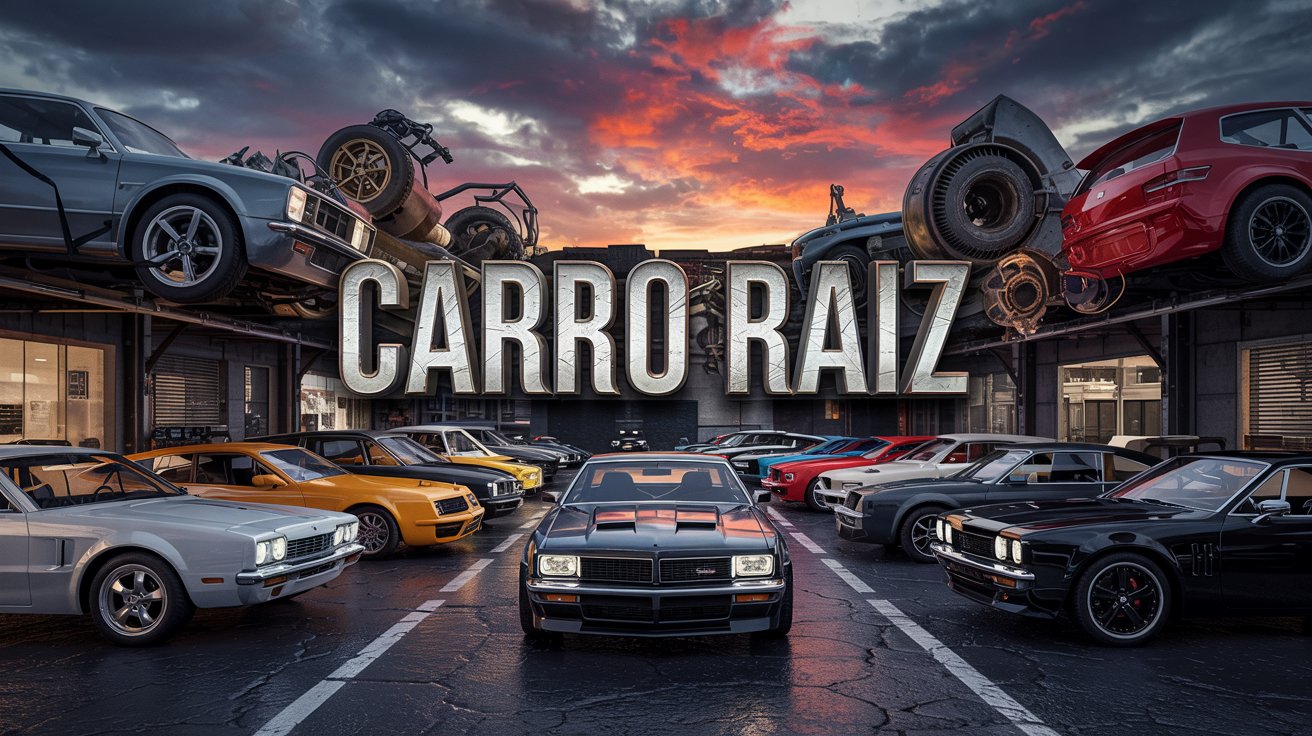
Tired Of Cars Full Of “Modern Technologies” That Only Give Headaches? Check Out The List With 10 Root Models, With Four-Cylinder Engines, No Oil-Soaked Belts, No Turbo, And Far From The Infamous Dual-Clutch Transmissions.
While the automotive industry progresses with sophisticated technologies, a portion of Brazilian consumers still prefers cars with traditional mechanics.
Faithful to naturally aspirated engines, manual transmissions, and the durability of timing chains, these drivers reject innovations like three-cylinder engines, the oil-soaked timing belt, and dual-clutch transmissions — systems that, despite being modern, accumulate criticism due to mechanical failures and high maintenance costs.
According to a report by journalist José Casado from Veja magazine, many Brazilians have been disappointed with the side effects of new technical solutions.
-
He started running at 66 years old, broke records at 82, and is now a subject of study for having a metabolic age comparable to that of a 20-year-old, in a case that is intriguing scientists and inspiring the world.

-
Less than a Tera TSI, up to 710 km of range and charging in 9 minutes: the new BYD Song Ultra expands the Chinese brand’s bet on increasingly faster, more technological, and competitively priced electric SUVs.

-
Oldest tree on the planet reappears after 130 years of searches: Wattieza, 385 million years old, was 10 meters tall and had no leaves or seeds; Gilboa fossils in New York solved the mystery in 2007.

-
A 48-square-meter house assembled in hours with 4,000 bricks made of recycled plastic that does not absorb moisture, has natural thermal insulation, and costs less than 90,000 reais in a complete kit.


The most recent case involves the Chevrolet line equipped with a 1.0 turbo engine: Onix, Onix Plus, Tracker, and Montana faced serious issues with the oil-soaked timing belt, whose premature wear caused losses to numerous owners.
Additionally, the history of the Ford dual-clutch, which affected models like EcoSport, Fiesta, and Focus, still haunts consumers.
Even three-cylinder engines continue to be surrounded by suspicion, despite advancements in engineering.
Many believe that this type of engine has a shorter lifespan, while others avoid turbos considering them fragile or sensitive to irregular maintenance.
Thinking of this audience that values the “root car”, we have prepared a list of 15 models available in Brazil that do not adopt turbo engines, oil-soaked belts, three cylinders, or dual-clutch transmissions.
These are vehicles with simpler engineering, already well tested and approved on the streets. Check out the details:
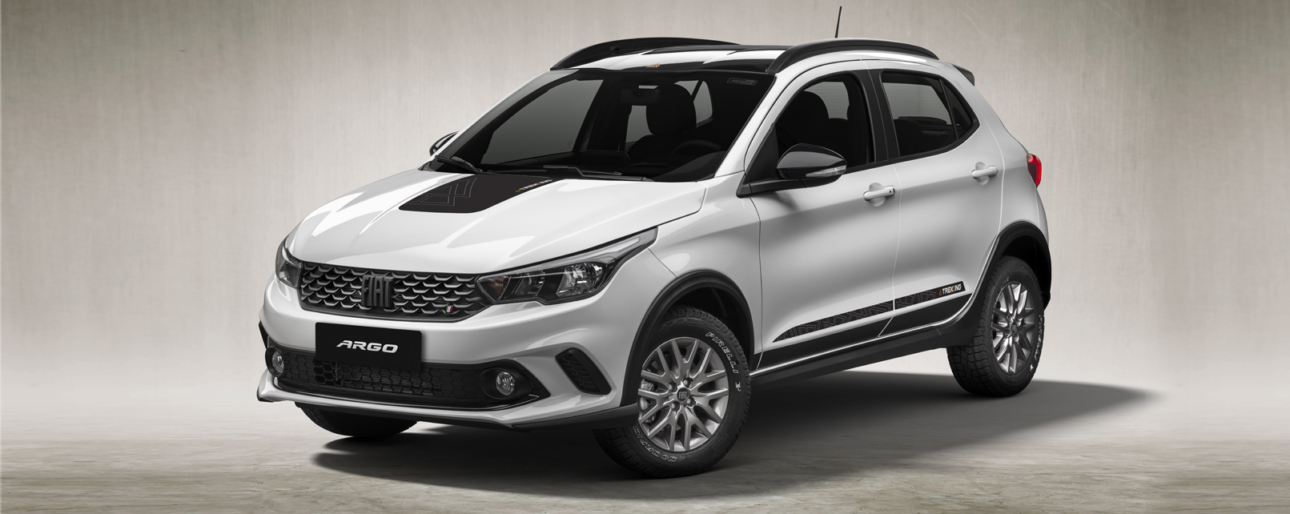
Fiat Argo 1.3 Firefly
Among compact hatches, the Fiat Argo 1.3 stands out for its reliability.
Equipped with a four-cylinder Firefly engine, naturally aspirated, with timing chain and up to 107 hp, the model can come with a CVT with seven simulated gears.
The Argo also offers the 1.0 three-cylinder version, but this one does not have a turbo — a relief for those seeking simplicity.
Fiat Pulse 1.3
Although it was the first from the brand to debut the 1.0 turbo engine from Stellantis, the Pulse still brings a conservative version.
The 1.3 Firefly configuration, with 107 hp, four cylinders, remains available, combined with the CVT transmission. It is a robust option, ideal for those wanting an urban SUV without surprises in the mechanics.

Fiat Strada 1.3
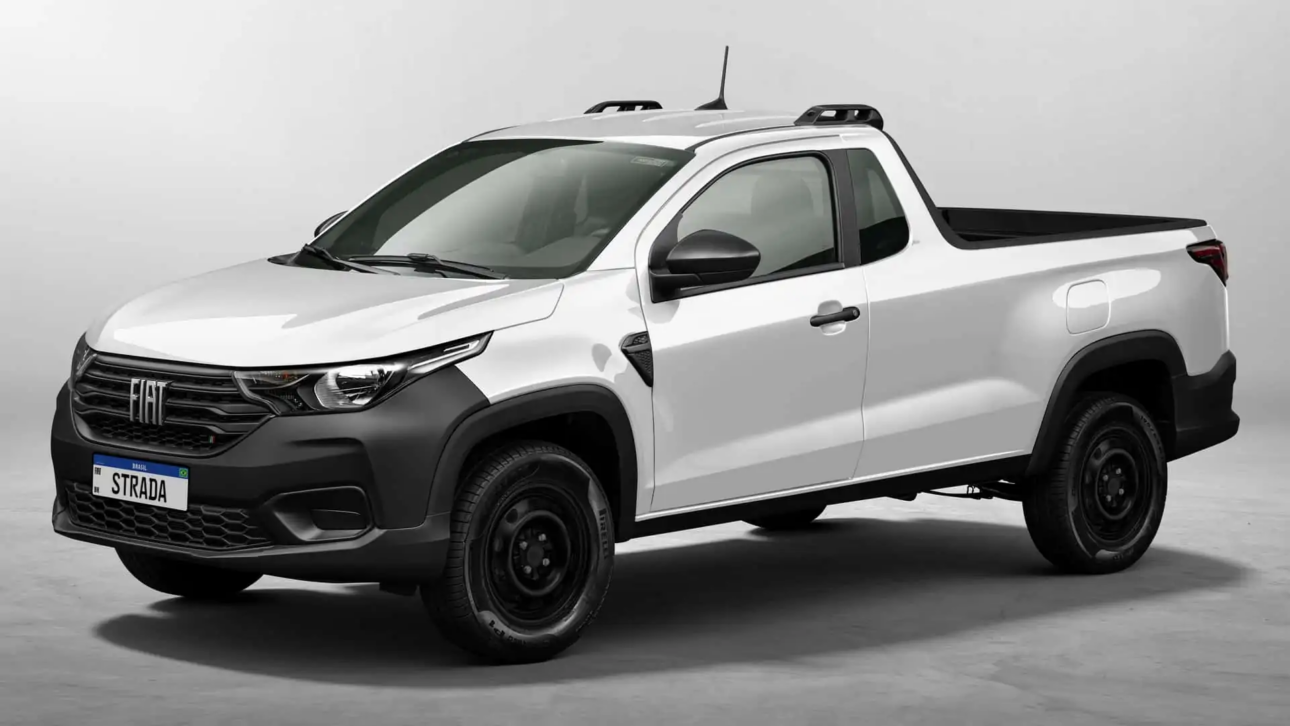
Absolute success in sales, the Fiat Strada continues to bet on the well-known Firefly engine.
The 1.3 naturally aspirated engine, with up to 107 hp, can be found with manual or CVT transmission, offering a balanced solution between performance and maintenance.
It is one of the few pickups that still allows the choice of a manual transmission.
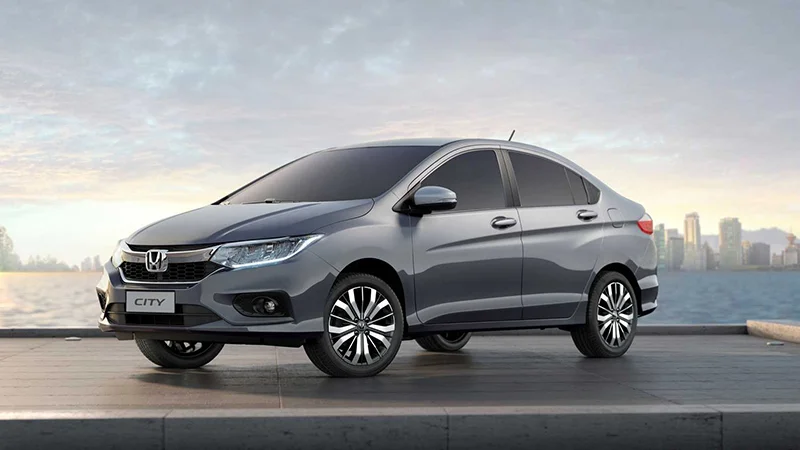
Honda City 1.5
Since its debut in 2009, the Honda City has never abandoned the naturally aspirated four-cylinder engine.
In the current generation, the sedan uses direct injection, developing 126 hp and torque of 15.8 kgfm.
The timing chain and the absence of turbo ensure reliability, even with the CVT that simulates seven gears.
Honda HR-V 1.5
The HR-V SUV is another Honda model that still bets on naturally aspirated engines.
Although it has turbo versions, the configuration with the 1.5 engine of 126 hp is still available. It is the same mechanics as the City, aimed at those seeking durability and lower complexity.
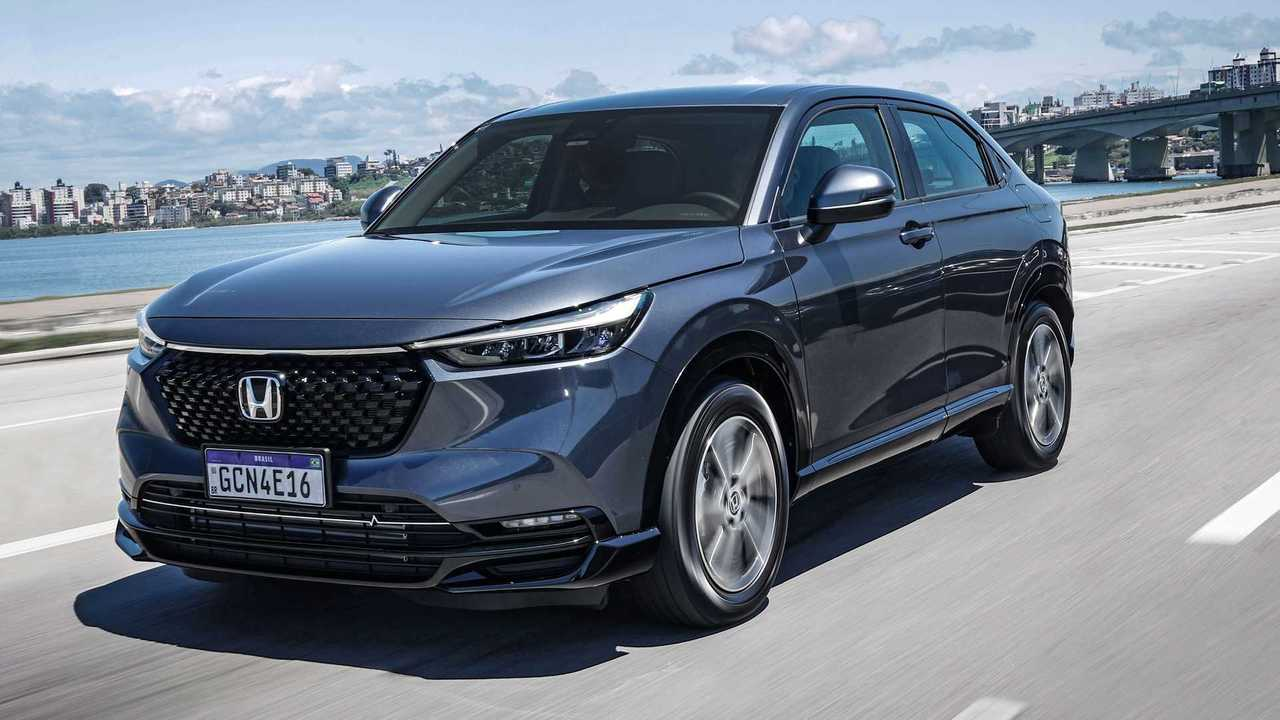
Nissan Sentra 2.0
Launched in a new generation in Brazil in 2023, the Nissan Sentra surprised by not following the trend of medium sedans with turbo engines.
According to data from the manufacturer, the model uses a 2.0 naturally aspirated engine with 151 hp and torque of 20 kgfm, combined with a CVT with eight simulated gears. A conservative proposal that prioritizes longevity.
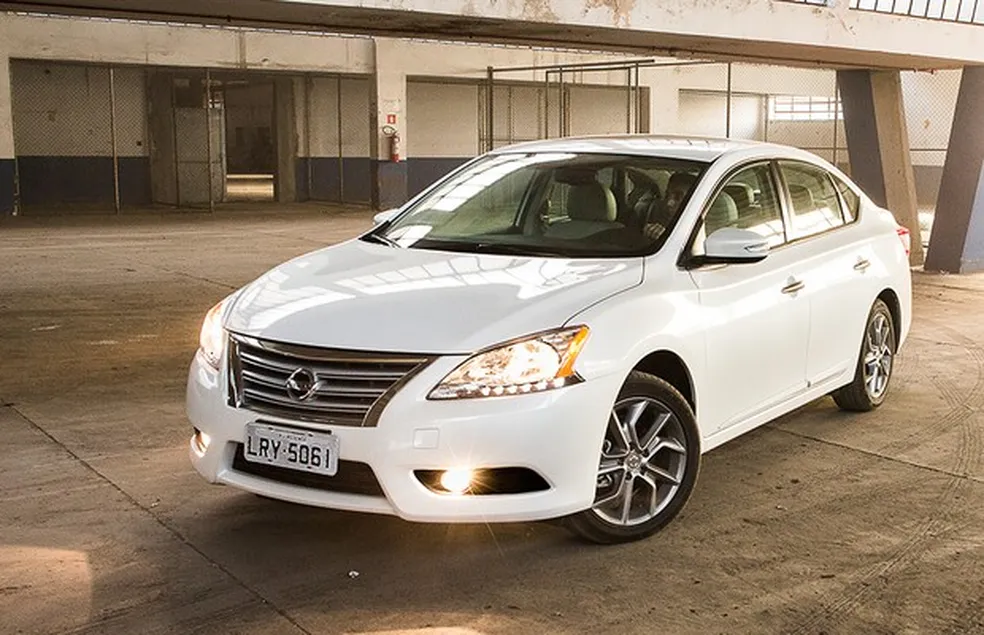
Renault Duster 1.6
One of the last “root” SUVs on the market, the Renault Duster maintains the 1.6 SCe engine with a timing chain.
This version develops 120 hp and is available only in the entry-level Intense Plus configuration. With a five-speed manual transmission, it is ideal for those avoiding more sophisticated systems.
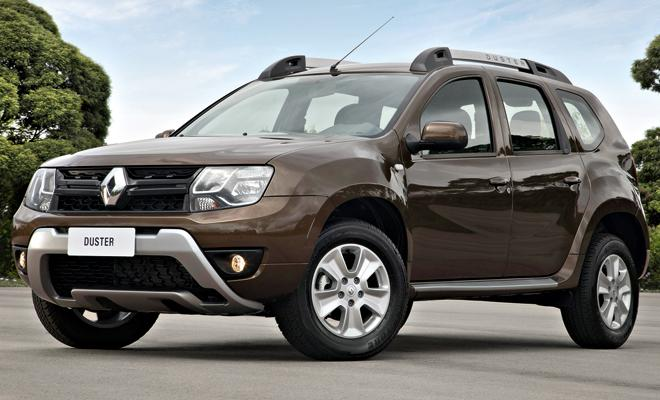
Toyota Corolla 2.0
Even with the advancement of hybrid versions, the Corolla continues to offer a traditional configuration.
The 2.0 naturally aspirated engine delivers 175 hp and 21.3 kgfm of torque, with a timing chain and CVT that simulates ten gears. It is a reference in durability in the medium sedan segment.
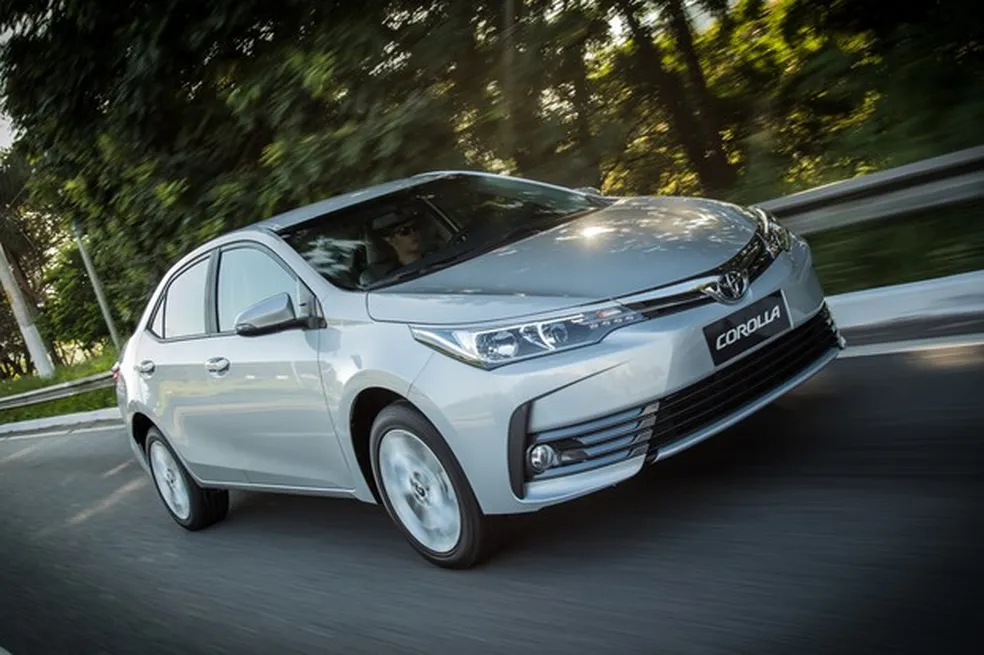
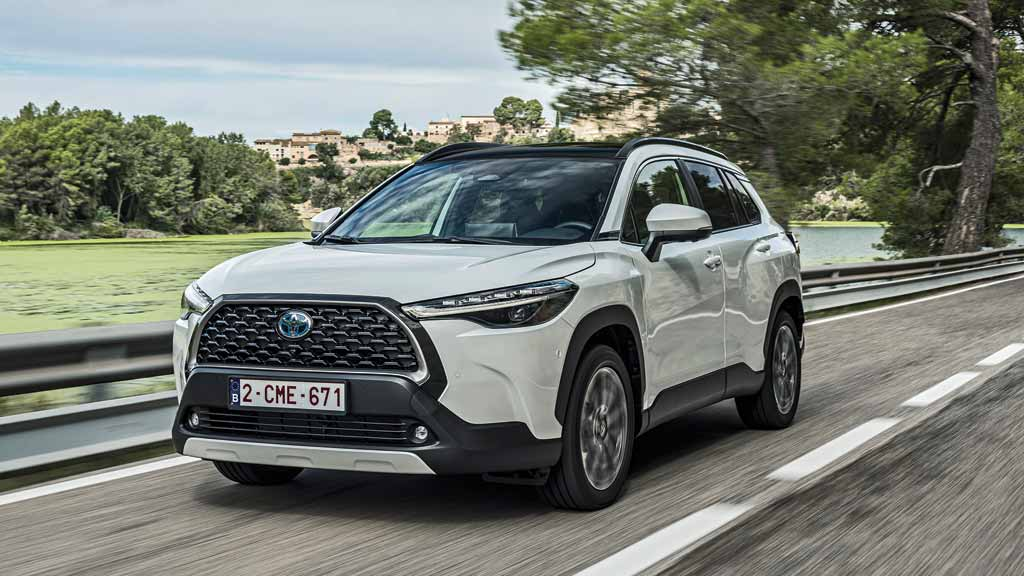
Toyota Corolla Cross 2.0
The medium SUV from Toyota shares the mechanical set with the Corolla sedan.
In the conventional version, without electrical assistance, the Corolla Cross is the only SUV in the category with a naturally aspirated engine, ideal for those looking for a utility vehicle focused on robustness.
Volkswagen Saveiro 1.6
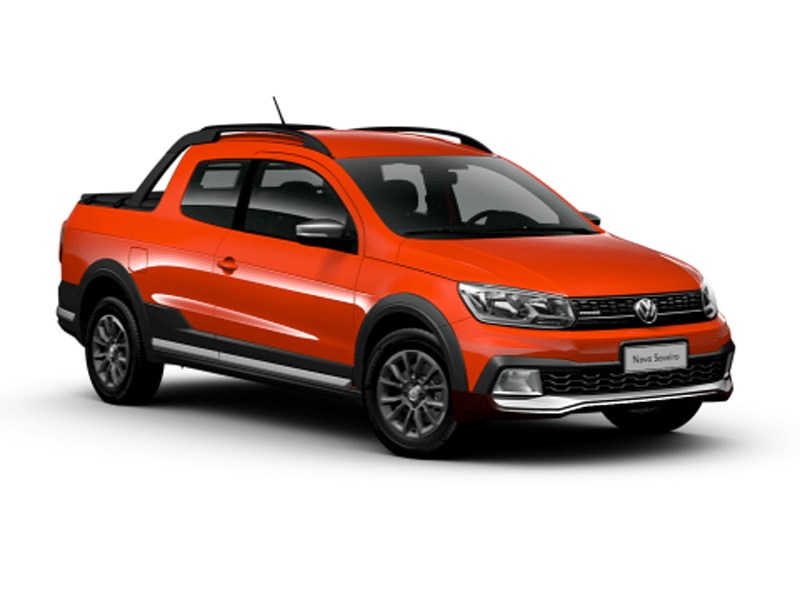
A veteran on Brazilian roads, the Saveiro pickup still uses the resistant EA111 1.6 naturally aspirated engine.
With four cylinders, manual transmission, and without an oil-soaked belt, the Saveiro is the only one in the Volkswagen line that resists modernity, maintaining a simpler and cheaper mechanical design to maintain.
Why Do Consumers Prefer Root Mechanics?
Besides reliability, the maintenance cost of traditional models is one of the main attractions. Naturally aspirated engines with timing chains require fewer interventions.
The absence of turbos or oil-soaked belts avoids costly and unexpected problems.
It is worth remembering that many cases of failures in modern cars involve the use of inappropriate lubricants, maintenance outside dealerships, or low-quality components.
Even so, the reputation of more complex systems ends up being tarnished.
According to a survey by Fenabrave, in 2024, models with traditional engines continue to lead sales among individuals, especially outside major urban centers.
After All, Is It Worth Investing In Cars With Traditional Mechanics?
For those prioritizing durability, lower maintenance costs, and simplicity, yes.
Root cars continue to be good choices, especially for those who drive a lot or plan to keep the vehicle for many years.
With more and more technology built into current cars, the question remains: do you still prefer simple mechanics or are you willing to face new automotive technologies?







-

-

3 pessoas reagiram a isso.