





 Portuguese
  English
  Spanish
  2 min of reading


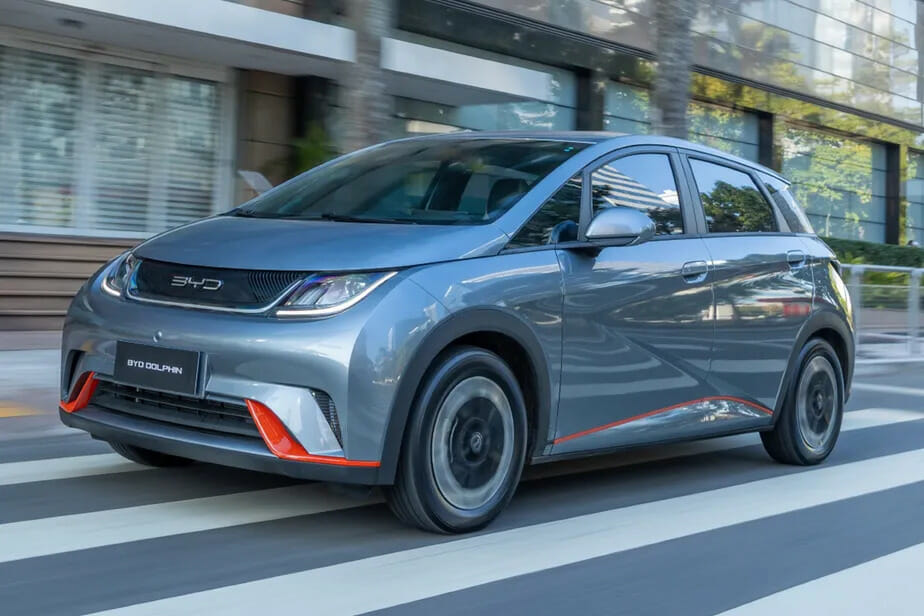
The Electric Car market in Brazil is experiencing extraordinary growth, according to data from the Brazilian Electric Vehicle Association (ABVE). In the first eight months of 2023, 49,052 units were sold, a notable increase of 76% compared to the same period last year, when only 27,812 electric cars were registered.
This year, electric car sales are poised to surpass the total of 2022, which was 49,245 vehicles. Additionally, the share of these vehicles in the Brazilian automotive market is continuously growing. From January to August, electric cars accounted for 3.6% of the market share in relation to total vehicle sales, compared to 2.29% the previous year.
Variety in Electric Car Options
The research considers a variety of electric cars, including light hybrids (HEV), plug-in hybrids (PHEV), pure electric cars (BEV), and flex HEVs. A notable shift in the market is the increasing share of plug-in models. Of the 49 thousand vehicles registered, 17.3 thousand were plug-in hybrids, representing a market share of 47%, compared to 36% the previous year.
-
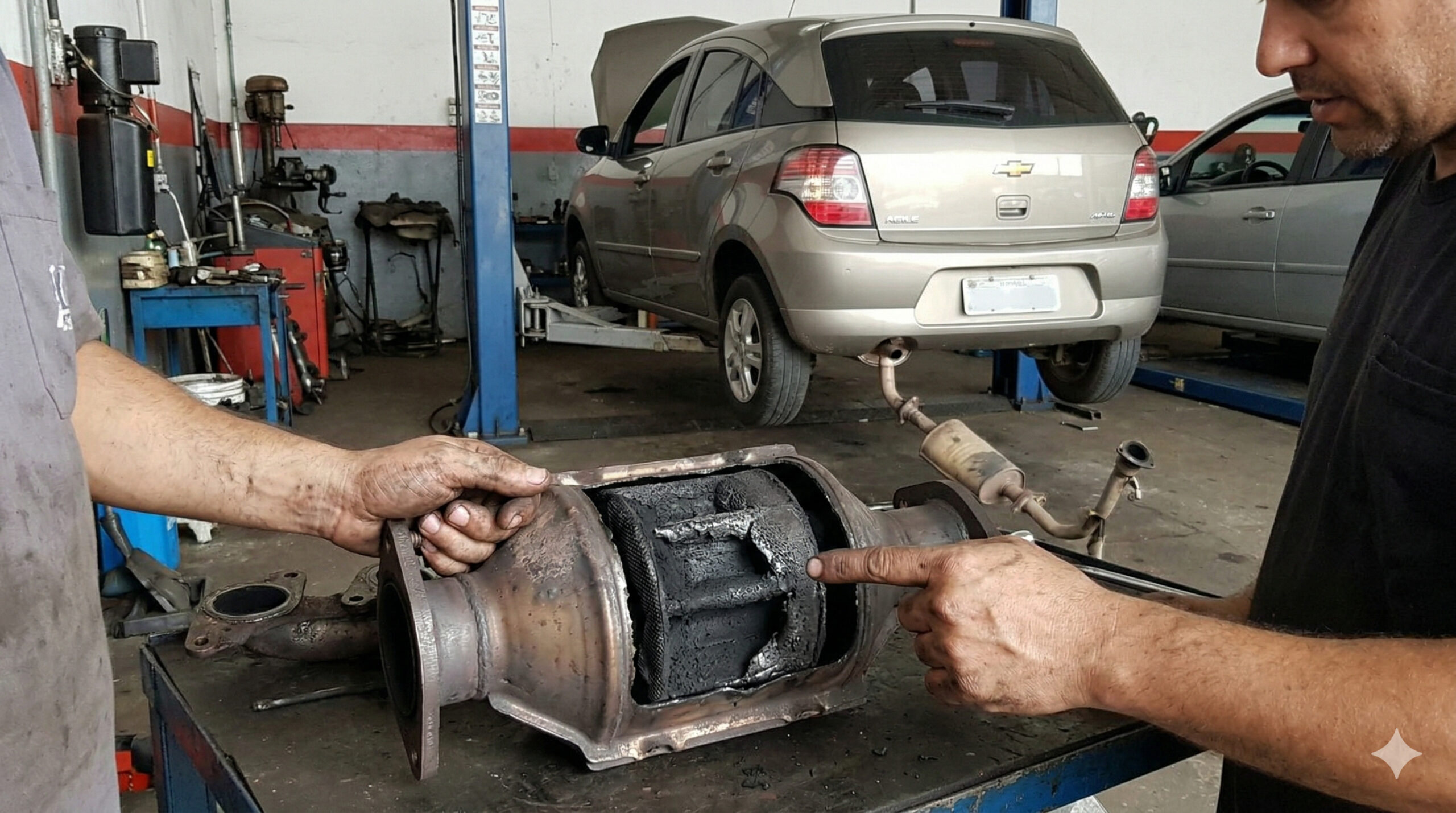
Owners of Chevrolet Agile discover a problem with the catalytic converter that can lead to a bill of up to R$ 4,000, steal engine power, increase fuel consumption, trigger the injection light, and worsen quickly when the first signs are ignored.
-
Thefts of catalytic converters are increasing in Brazil, a component that contains platinum, palladium, and rhodium, metals that can be worth more than gold, and can be removed from under a car in less than 2 minutes, causing losses of up to R$ 8,000 and only being noticed when the driver starts the vehicle and hears an extreme noise from the exhaust.

-
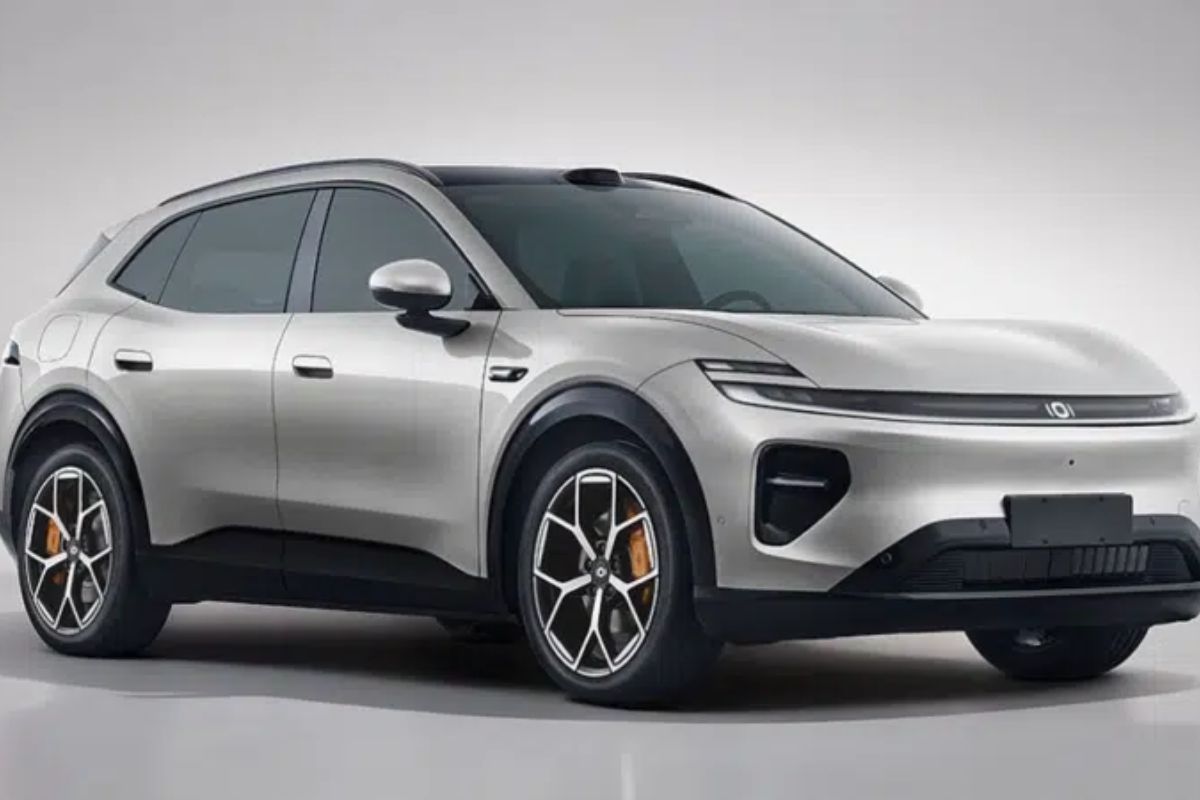
Changan launches Nevo Q06 with 800V architecture and 6C ultra-fast charging, AWD option with two rear motors, EV and EREV versions, LiDAR on the roof, and up to 14 different wheels now.
-
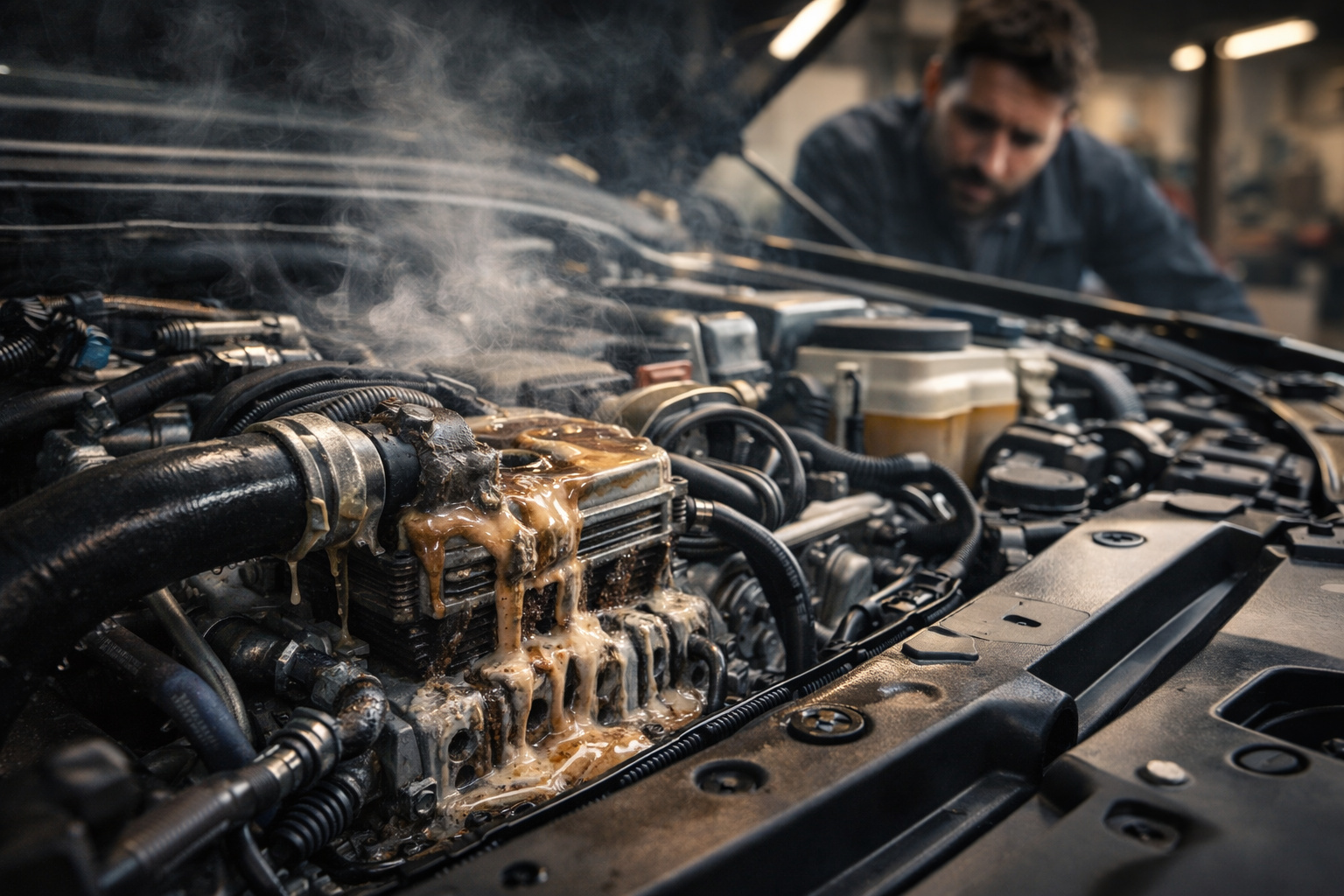
Losses that can exceed R$ 15,000 affect owners of Jeep Renegade and Compass after a failure in the heat exchanger mixes oil with coolant, generating emulsion in the system and causing overheating that can destroy the transmission.
While traditional hybrids still lead with 53% market share and 25,839 registrations, fully electric vehicles are also gaining ground, with 5,895 units sold by August 2023, an increase of 23% compared to 2022.
Charging Infrastructure and Future Investments
The growth in the electric car market has also driven the development of charging infrastructure. As of August 2023, Brazil had 3,800 public and semi-public charging stations, representing a 28% increase compared to December 2022. However, there is still a deficit, with an average of 15 plug-in electric vehicles for each charging point, while the international recommendation suggests a ratio of 10 vehicles per charging point.
With the approval of the Future Fuel PL, it is expected that the Brazilian automotive industry will invest around R$ 14 billion in infrastructure for electric cars by 2035, which could significantly contribute to market expansion.
The Southeast region of Brazil leads in terms of electric car concentration, with São Paulo accounting for 35% of registrations, followed by Rio de Janeiro and Santa Catarina. Municipalities such as Anápolis (GO) and Campinas (SP) also play a crucial role in the adoption of these vehicles, holding significant positions in the ranking of cities with the highest number of registrations.
The Electric Car market in Brazil is clearly on the rise, with a significant increase in sales, investments in infrastructure, and a wide variety of options available for consumers. The trend is for this evolution to continue in the coming years, making Brazil an important player in the electric vehicle market.






Seja o primeiro a reagir!