






 Portuguese
  Spanish


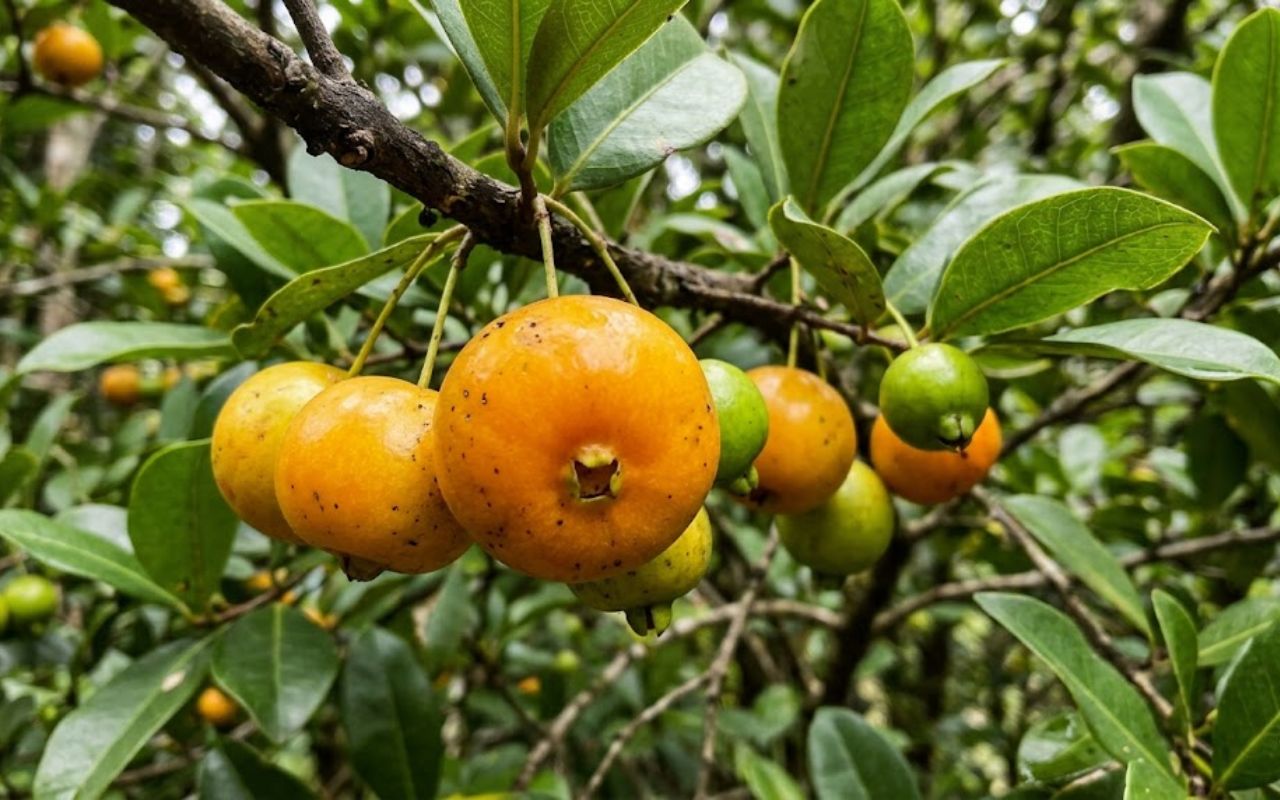

Uvaia is a native fruit rich in nutrients and essential for reforestation. See benefits, how to identify it, and ways to consume it.
Uvaia (Eugenia pyriformis), a native fruit of the Atlantic Forest, has been gaining attention for its nutritional benefits and ecological role in Brazil. Mainly found in the South and Southeast regions, it is valued by both producers and environmentalists.
Interest has grown in recent years, driven by the search for natural foods and the reforestation of degraded areas.
Additionally, uvaia stands out for attracting birds and small animals, directly contributing to biodiversity.
-
Opened in 1980, Shopping Recife was Pernambuco’s first mall and helped transform Boa Viagem into a bustling and sought-after district in southern Recife.

-
Tired of Monthly Water Supply, South African Villagers in Limpopo Connect Mountain Spring to Taps, Bringing Water to 5,000 People with $700 Initiative

-
Rare Case of Neurocysticercosis in Spain: 60-Year-Old Man’s Suspected Brain Cancer Turns Out to Be Tapeworm Cysts, Avoiding Invasive Cancer Treatments

-
Horse Trailer from 2000 Transformed into Mobile Home with Bed, Kitchen, Bathroom, and Workspace in Upcycling Project




Uvaia: essential native fruit for reforestation
Uvaia is a fruit highly appreciated by birds, making it strategic in environmental projects. Therefore, its planting is common in permanent preservation areas and reforestation.
Moreover, the presence of the fruit helps attract wildlife, favoring ecological balance. Thus, uvaia plays an important role in the recovery of ecosystems.
Meanwhile, its wood has limited use, being utilized only locally. Thus, the focus of the species is on fruit production and its positive environmental impact.
How to identify uvaia?
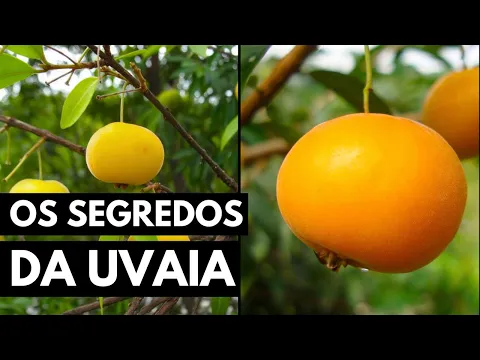
Uvaia is an easily identifiable fruit when ripe. It has a yellow color, rounded shape, and a slightly velvety thin skin.
Its flesh is delicate, with a mild aroma and a flavor that mixes sweet and sour. However, the intense taste may not please everyone.

The fruit usually has two large seeds and can oxidize quickly after harvest. Therefore, its consumption requires attention to freshness.
Characteristics of the uvaia tree
Uvaia grows on a tree known as uvaieira, which can reach heights between 6 and 13 meters.
The plant has showy white flowers, making it interesting for ornamental use as well. Additionally, the trunk can reach up to 50 centimeters in diameter.
Fruit-bearing occurs between September and January. Therefore, this is the best time to find fresh fruit.
Benefits of uvaia: a fruit rich in vitamin C and antioxidants
Uvaia is a highly nutritious fruit. It contains about four times more vitamin C than orange, strengthening the immune system.
Additionally, it contains vitamin A and antioxidant compounds, such as flavonoids and carotenoids. These substances help combat free radicals.

Thus, consuming the fruit can contribute to the prevention of cardiovascular diseases, premature aging, and other health issues.
Uvaia is also associated with medicinal properties. It is considered digestive, astringent, and may help control cholesterol and blood pressure.
On the other hand, regular consumption can contribute to overall well-being. Therefore, it is an interesting option within a balanced diet.
How to consume uvaia?
Although it can be consumed raw, uvaia is more commonly used in recipes. This is due to its sour and intense flavor.
Among the main ways to consume it are juices, jams, compotes, ice creams, and liqueurs. Additionally, the fruit can be used in mousses, sweets, and vinegars.
Outside of the harvest season, it is best to opt for derived products. This is because fresh fruit is sensitive and deteriorates quickly.
Role in Brazilian biodiversity
Uvaia is a fruit directly linked to environmental preservation. As a native species of the Atlantic Forest, it helps maintain the balance of ecosystems.
Moreover, its cultivation reduces the need for exotic species in reforestation projects. Thus, it strengthens the recovery of degraded areas.
Meanwhile, encouraging planting can also generate income for small producers. Therefore, uvaia brings together environmental and economic benefits.
Uvaia, although still little known, has great potential. It combines nutritional value, ecological importance, and culinary versatility.
Thus, its recovery represents an opportunity to value national biodiversity. Additionally, it contributes to more sustainable practices.
Therefore, investing in the consumption and cultivation of uvaia is a way to unite health, tradition, and environmental preservation.
Source: Globo Rural


