





 Portuguese
  English
  Spanish
  4 min of reading
  51 comments


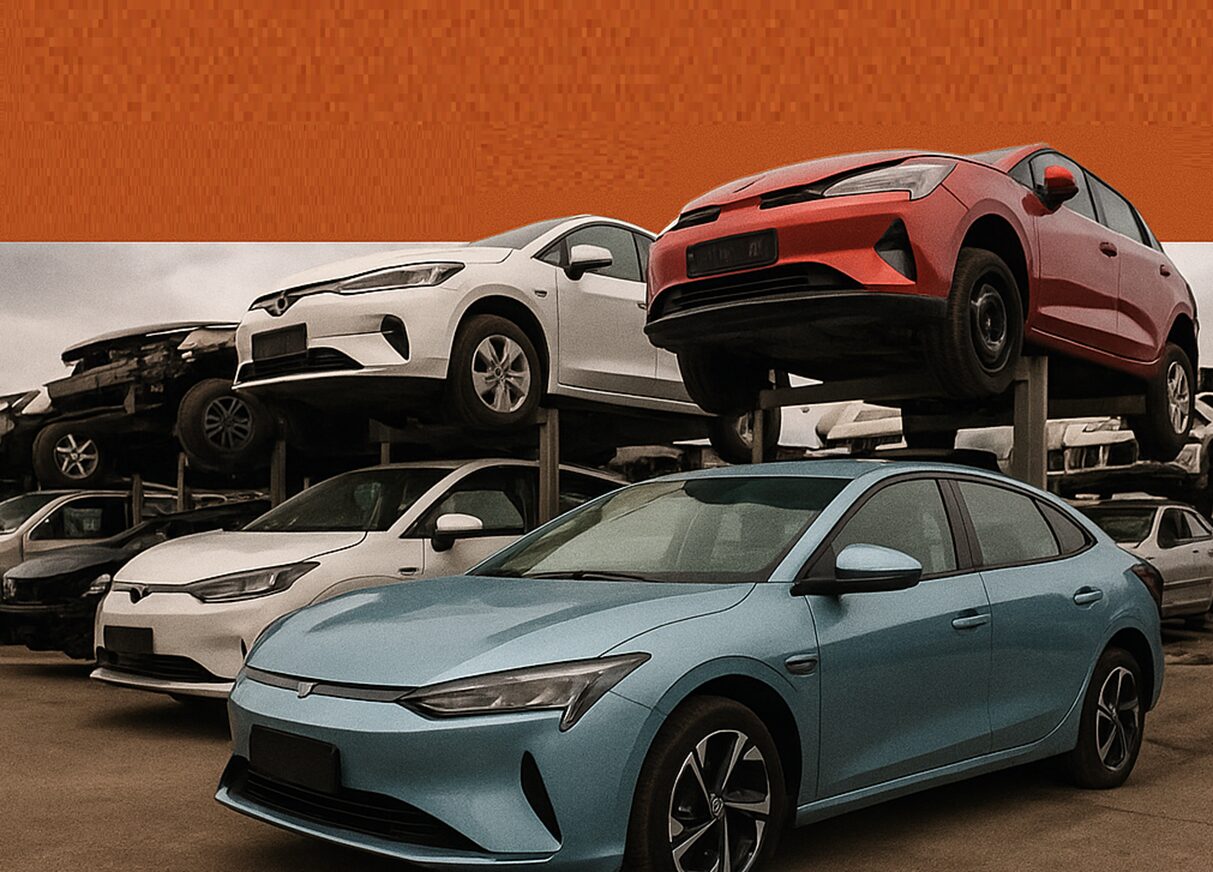


Electric Models From Brands Are Already Appearing in Junkyards in Spain, Driving Changes in Maintenance and the Circular Economy of the Automotive Sector.
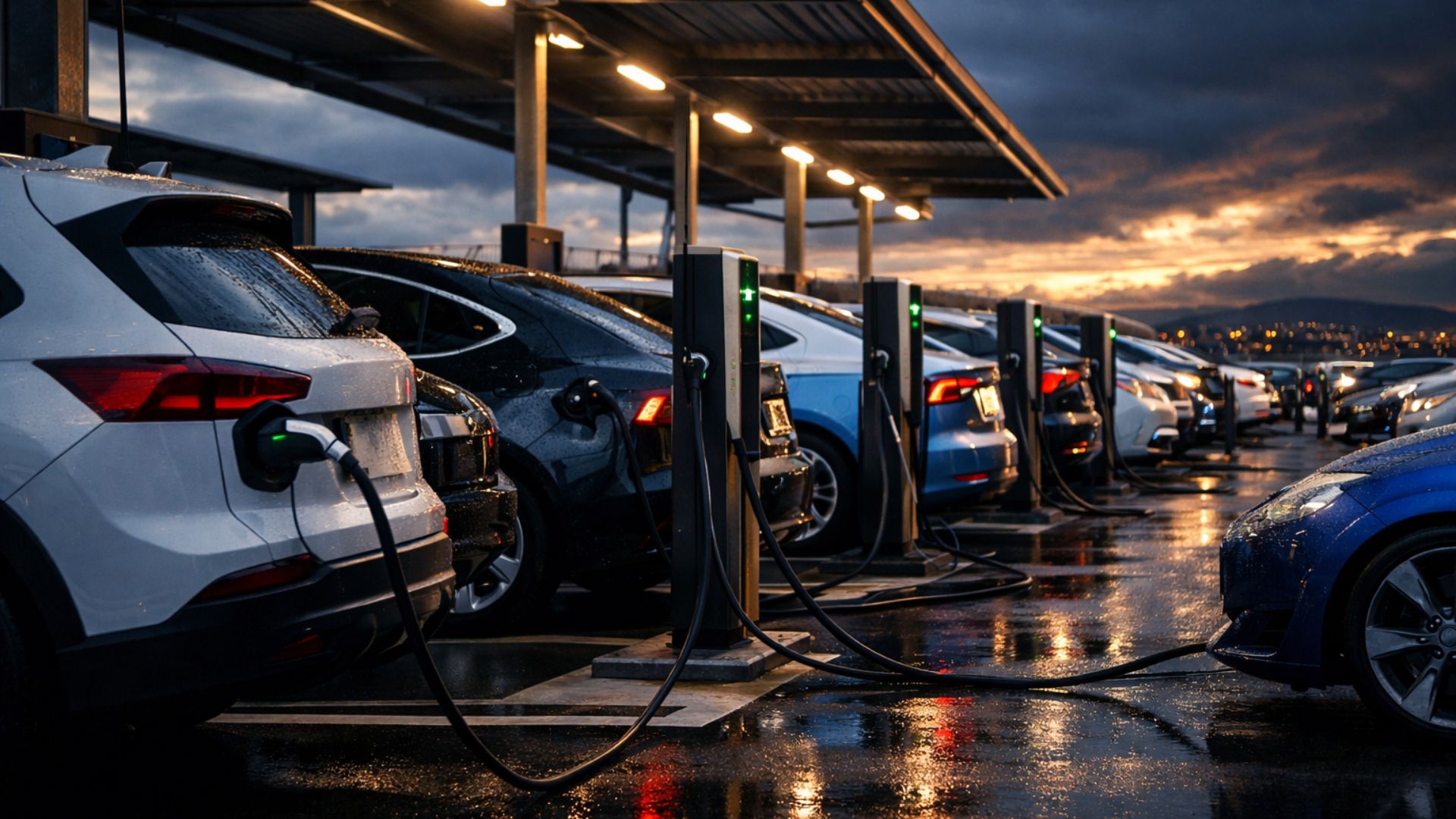
The presence of Chinese electric cars on the streets of Europe has become common.
Now, these vehicles are also starting to occupy space in junkyards, a clear sign that they have completed the typical life cycle of any automobile.
-
Goodbye expensive popular car: electric vehicle for less than R$ 70,000 starts being sold in Brazil with a range of 200 km and targets those looking to escape gasoline.
-
China Surprises Automotive Industry With Battery That Promises Electric Car Able to Run Up to 1,000 km Without Recharge
-
Why BYD Grew So Fast in Brazil and How Blade Batteries, Electric Cars, and Industrial Incentives Shaped This Expansion in the National Automotive Sector
-
Electric Cars Make Progress in Brazil in 2026 and Promise to Reduce Drivers’ Costs with Cheaper Energy, While Infrastructure Grows Slowly Across the Country
According to Marc Cuñat, responsible for parts on the Spanish site Hibridos y Eléctricos, this is an important milestone:

“The presence of Chinese models in vehicle treatment centers is the definitive indication that they have fully integrated into the life cycle of the automotive fleet automotive.”
New Phase for the Automotive Recycling Sector
The arrival of these models to wrecking yards represents a significant transformation for the recycling sector.
This is proof that Chinese electric cars are fully integrated into the market.
For vehicle treatment centers, this change represents both an opportunity and a challenge.
According to experts, electric vehicles offer a quantity of reusable parts similar to combustion engine models.
“In the case of electric vehicles, the number of recoverable parts is quite similar to that of combustion cars,” Cuñat emphasizes.
Logistics and Challenges of Chinese Technology
Chinese automakers have been advancing in the logistics of parts distribution.
In some cases, common components can arrive in just 24 hours. However, more specific parts still face delays that can last weeks.
This slowness in replacement directly affects the feasibility of many repairs.
When a part takes too long or its cost is high, the repair can become unfeasible, as the final value approaches the market price of the vehicle itself.
Junkyards Reflect the Industry Transition
The growing presence of Chinese electric cars in junkyards reveals a deep change in the automotive sector.
Correctly identifying problems, ensuring the supply of parts, and acting quickly have become fundamental requirements to keep up with this new scenario.
This transition is also aligned with the search for a more efficient and sustainable industry, connected to the principles of the circular economy.
How China Gained the Global Market
In 2024, China became the world’s largest exporter of passenger cars.
This achievement marks the pinnacle of a strategy that began over a decade ago, with careful planning and well-defined goals.
The country already led in vehicle production, but now it also stands out in international sales.
Impressive Growth in Five Years
In 2019, China ranked only 15th in the global passenger car export ranking.
That year, it shipped about 900,000 units.
Additionally, it still imported more than it exported, with over 1 million foreign vehicles entering the country.
The turnaround began in 2021, when China rose to sixth place.
By 2023, it jumped to second place.
Finally, in 2024, it claimed the top of global passenger car exports.
The accumulated increase during this period was 510%, a significant advance for such a competitive sector.
Exports Driven by Electric Vehicles
A large part of this advancement can be explained by the investment in electric vehicles.
In 2024, 30% of the passenger cars exported by China were powered exclusively by electricity.
This percentage reinforces China’s leading role in the energy transition of the automotive industry.
Comparing with data from 2023, China was already prominent in this segment, with 34.9% of its exported vehicles being pure electric.
Germany, in second place in this criterion, had 19.8% electric vehicles among its cars sent abroad.
Competition Continues With Combustion and Hybrids
The United States continues to predominantly invest in combustion vehicles.
In 2023, 83.9% of American exports were models powered solely by gasoline or diesel.
Japan, on the other hand, has a different approach.
Still with low production of pure electric vehicles, the country leads in exports of conventional hybrids, known as HEVs.
These models combine a combustion engine with an electric motor but do not need to be plugged in.
Japan’s pioneering efforts in this type of technology began in 1997 with the launch of the Toyota Prius.
China’s leadership in exports is the result of a clear strategy: first dominate production and then conquer global markets.
The combination of volume, innovation, and focus on electric vehicles has propelled the country’s automotive industry to a new level.









Penso que não são só os chineses a condenar, os americanos também (Tesla).
Toda tecnologia nova passa por adaptações (desde o Ford T). Agora, que os eletrodomésticos têm muito a adaptar, isso têm. Principalmente o lixo eletroeletrônico (baterias, etc.), promessa de uma nova poluição global
Kkkkk….e alguem ainda acha que Carro Eletrico e eterno.
Claro que nao e e vai mais cedo para sucata que carro a gas pelo velho e conhecido valor das baterias. Nao bale a pena trocar a bateria compre carro novo…..
A Toyota vem aí atropelado todas as marcas!
O novo carro da Toyota / MIRAI tem um motor movido a água destilada, que compete diretamente com os motores a gasolina em potência porém com autonomia muito maior por km rodado, com custo infinitamente menor e que não polui.
O carro a água não é novidade, porém nenhuma marca de expressão, até hoje, se atreveu a contrariar o sistema de petróleo.