





 English
  Francês
  Alemão
  Italiano
  Japonês
  Norueguês
  Portuguese
  Spanish
  3 min of reading


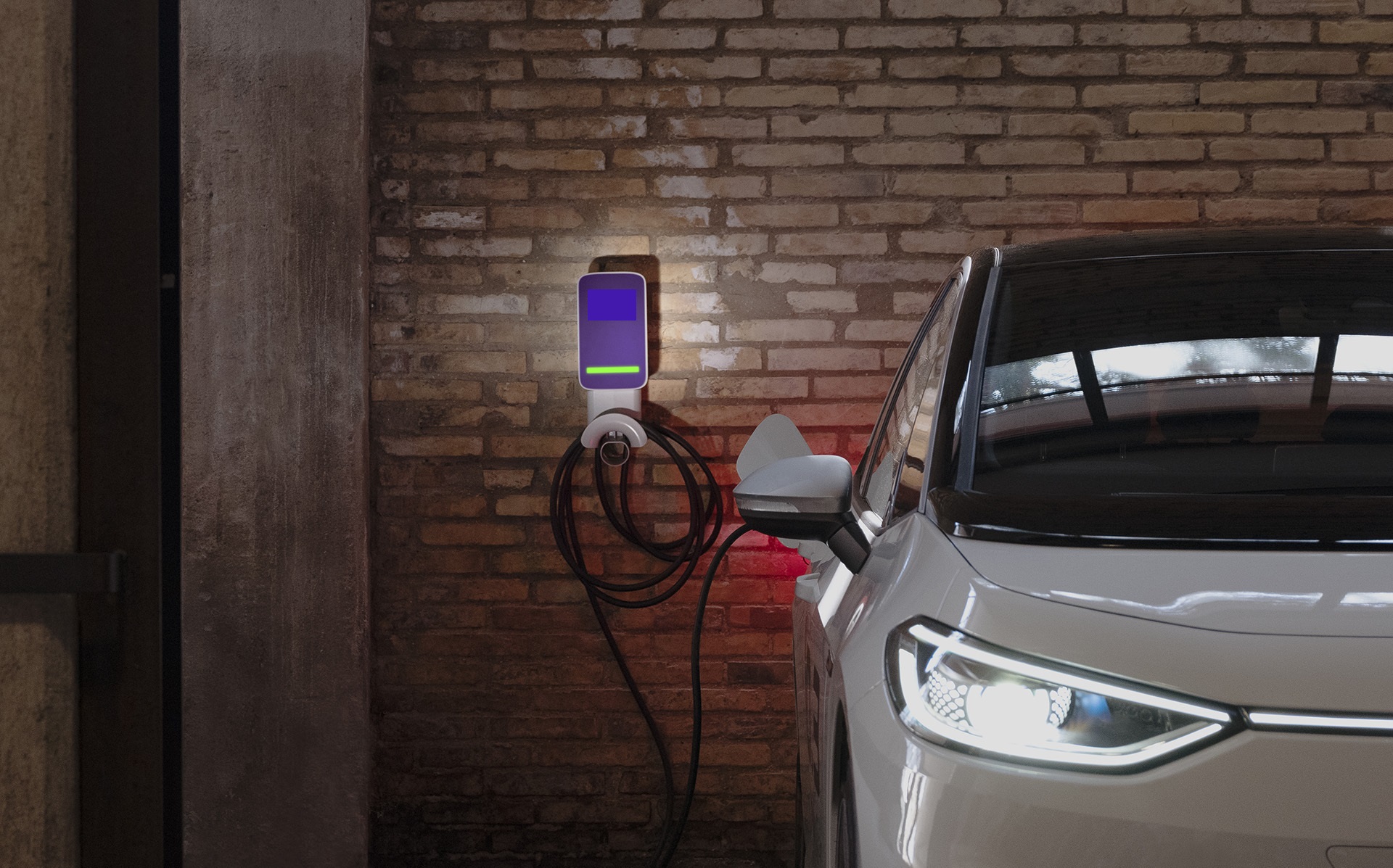
Although Extremely Rare, Explosions During Charging of Electric Car Batteries Are Possible, As Happened With Tesla Model
Owning electric cars like those from the Tesla brand, for example, has become a desire among consumers, as they present two major positive points: sustainability and cost savings. This is because these types of vehicles do not have an exhaust gas system, contributing to the reduction of pollution, and the cost of fuel, that is, the electricity for the batteries, is lower than that of gasoline.
Read Also:
- Electric Car Sales Set Historic Record, With Major Advancement From Tesla;
- With Increasing Pressure to Decarbonize Automotive Transport, Companies Bet More on the Production of Electric Cars, With an Estimate of 6 Million Vehicles Sold in 2022;
- With Electric Cars on the Rise, Multinational General Motors Will Invest US$ 7 Billion in Its Zero-Emission Car Division.
However, according to the original text by Barbara Mannara for Tilt Uol, there are still questions regarding the safety of charging electric vehicle batteries, or EVs. Unfortunately, cases of fires have already been reported, but they are rare. A reference in the electric car sector, Tesla, the brand of billionaire Elon Musk, was involved in one of the dangerous incidents.
Recently in the United States, at the end of 2021, a Tesla Model 3 electric car caught fire while charging its battery in its owner’s garage. Fortunately, no one was injured, and the cause of the fire is still under investigation. The news was published through the television channel 6ABC.
-
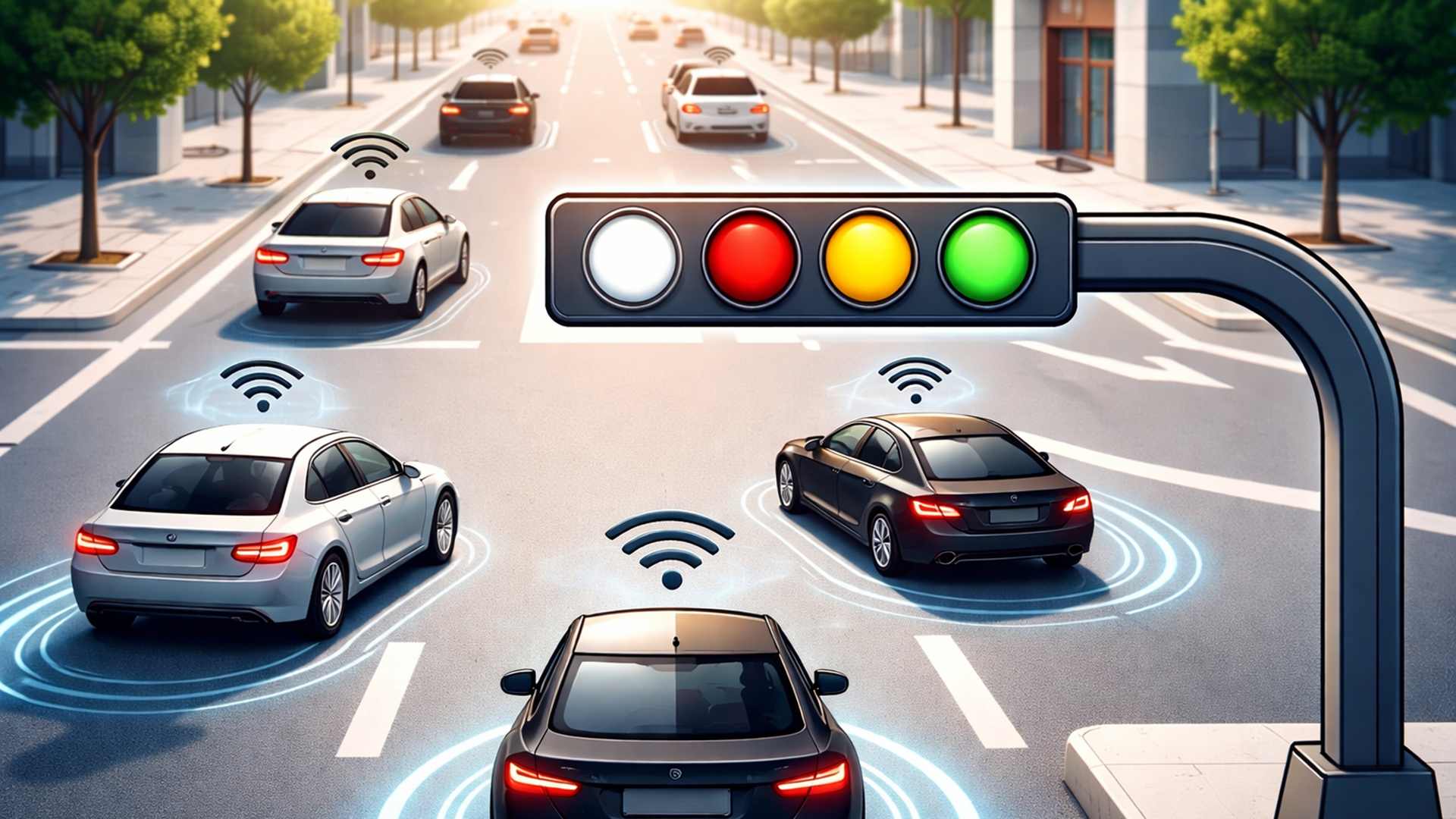
Engineers propose a fourth traffic light for intersections – the change promises to affect crossings, queues, and waiting times.
-
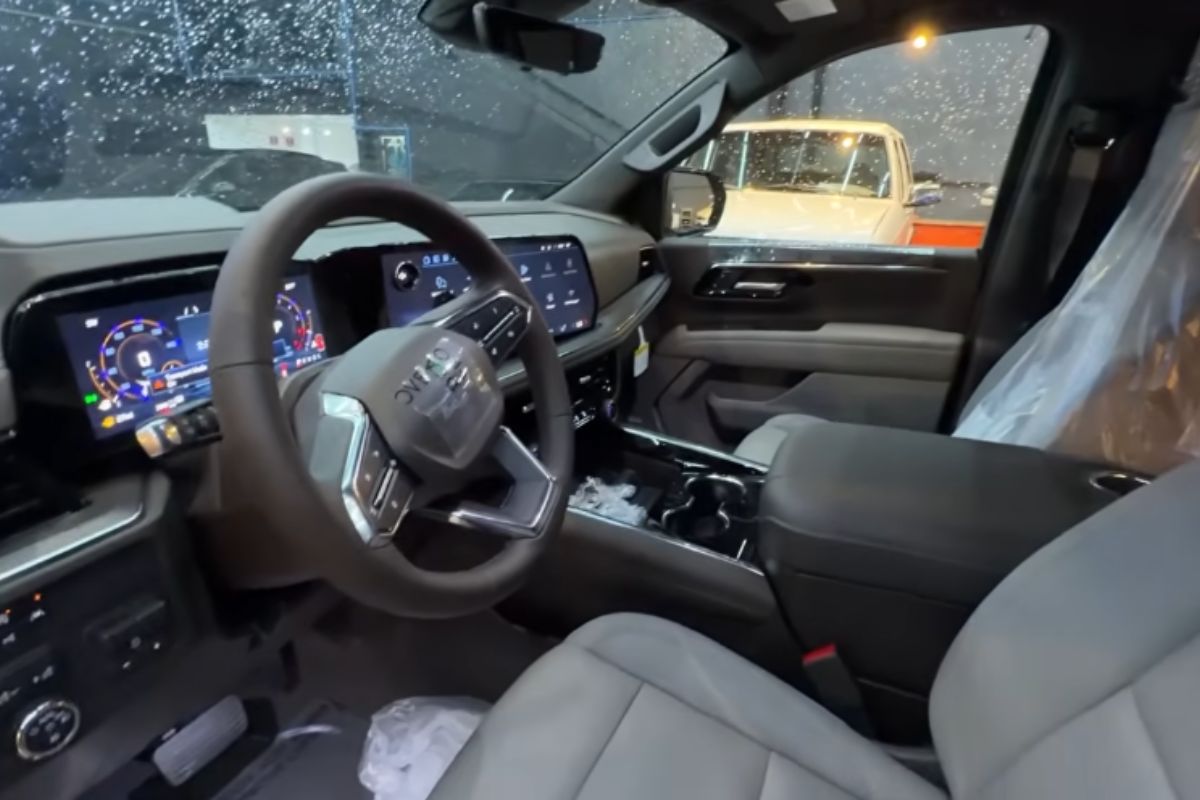
Chevrolet Suburban Z71 lands in Brazil with a V8 engine, off-road design, air suspension, seven seats, and colossal size, a rare version imported for around R$ 1.3 million with luxury and exclusivity.
-
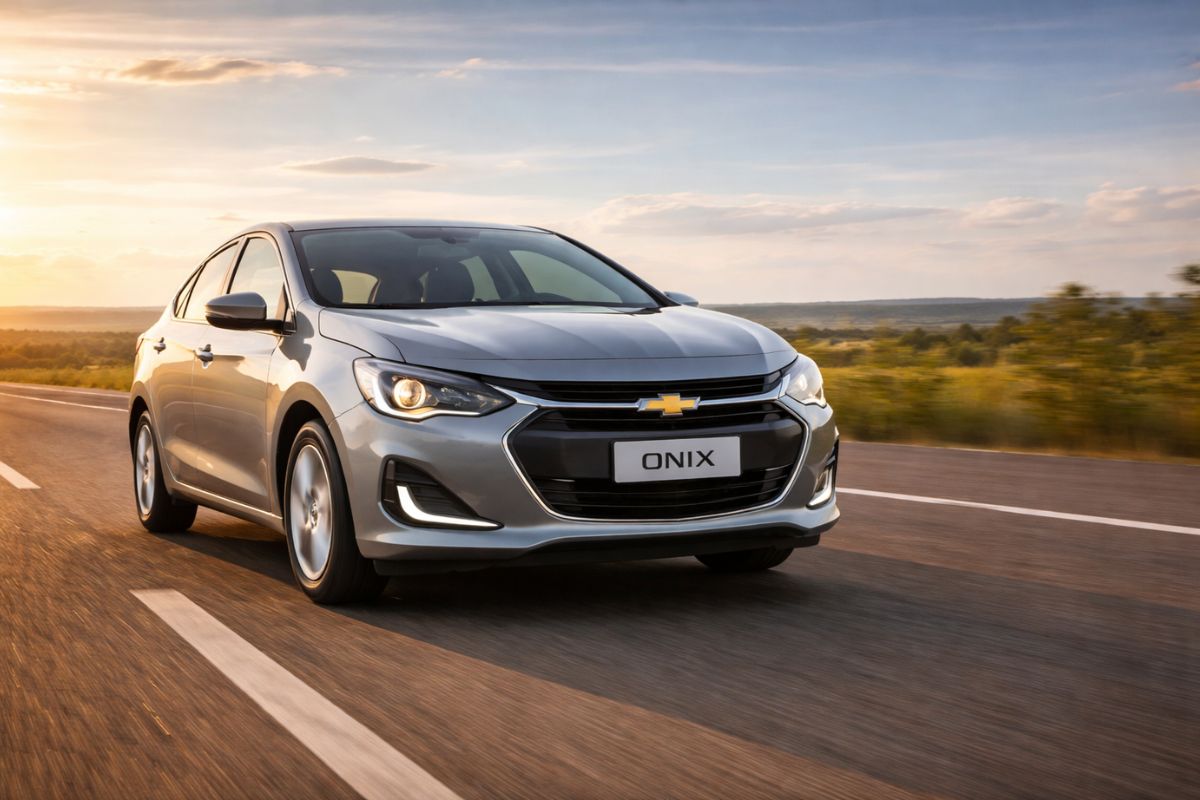
The Chevrolet Onix 1.0 turbo achieves 17.7 km per liter on the highway and ranks among the three most economical cars in Brazil in 2026, alongside two more expensive Toyota hybrids available at dealerships.
-
Little sister of the Hilux: Toyota launches Land Cruiser FJ with 4 radical versions, 2.7 engine with 166 hp and 4×4 traction with locking.

Similarly, in July 2021, another explosion incident was reported. The Washington Post published, via the web, the news of a fire involving a Tesla Model S, which also caught fire inside the owner’s garage in California (USA). According to the article, these risks have generated concern, as some electric car manufacturers have alerted owners to avoid charging their vehicles unattended, or even keeping them fully charged.
Automobile companies such as Audi, General Motors, and Hyundai have issued recalls for electric cars in recent years, citing risks of combustion.
Dan Flores, a spokesperson for General Motors, told the Washington Post: “We do not believe that every vehicle has this rare manufacturing defect. But we cannot take the risk, so we are recalling all the vehicles.”
The Fire Risk of Electric Cars Is Real, But Uncommon
Accidental situations involving electric cars are quite rare, according to EV FireSafe, a research project that aims to recognize the fire hazards of lithium batteries in electric vehicles, especially when the vehicle is plugged into a power source.
According to a statement made to CNBC by Emma Sutcliffe, project director in Melbourne, Australia, initial studies do not show a regularity of the issue.
In research conducted by the auto insurance company AutoinsuranceEZ, it was found that fully electric cars have a 0.03% chance of causing an explosion, while internal combustion engine vehicles have a 1.5% chance.
On the other hand, hybrid electric cars present a greater risk. These have a high-voltage battery and an internal combustion engine, increasing the probability of fire to 3.4%.
Battery Lifespan
In addition to this issue, the electric car market faces another challenge: increasing battery durability without requiring extensive charging times. One of the notable obstacles is the high development cost of viable manufacturing and commercialization.
On average, in Brazil, electric cars can be fully charged in a period of 1 to 4 hours. Considering that it takes less than 5 minutes to fill a tank with fossil fuel, the difference is still quite large.
To illustrate that charging technology can develop, there is the Tesla SuperCharger vehicle model, which promises to charge enough to drive 200 miles (321 km) in 15 minutes. Undoubtedly, it is an extremely promising sector of the automotive market, which companies should stay attentive to.







Seja o primeiro a reagir!