





 Portuguese
  English
  Spanish
  3 min of reading
  0 comments


See Which Are the Cheapest Electric Cars in Brazil in 2025. Affordable Options for Those Seeking Economy and Sustainable Mobility
The electric car market in Brazil has been growing rapidly. Every year, more options emerge for those seeking economy and sustainability. In 2025, this competition has become even stronger.
New models, especially from Chinese brands, have arrived to compete directly with already popular vehicles. This benefits consumers, who now find more affordable prices.
The highlight remains the Renault Kwid e-Tech. It is still the cheapest electric car for sale in the country. Even with the arrival of new models, the Kwid has maintained its leadership. But other options have emerged and are attracting the attention of those looking to enter this market.
-
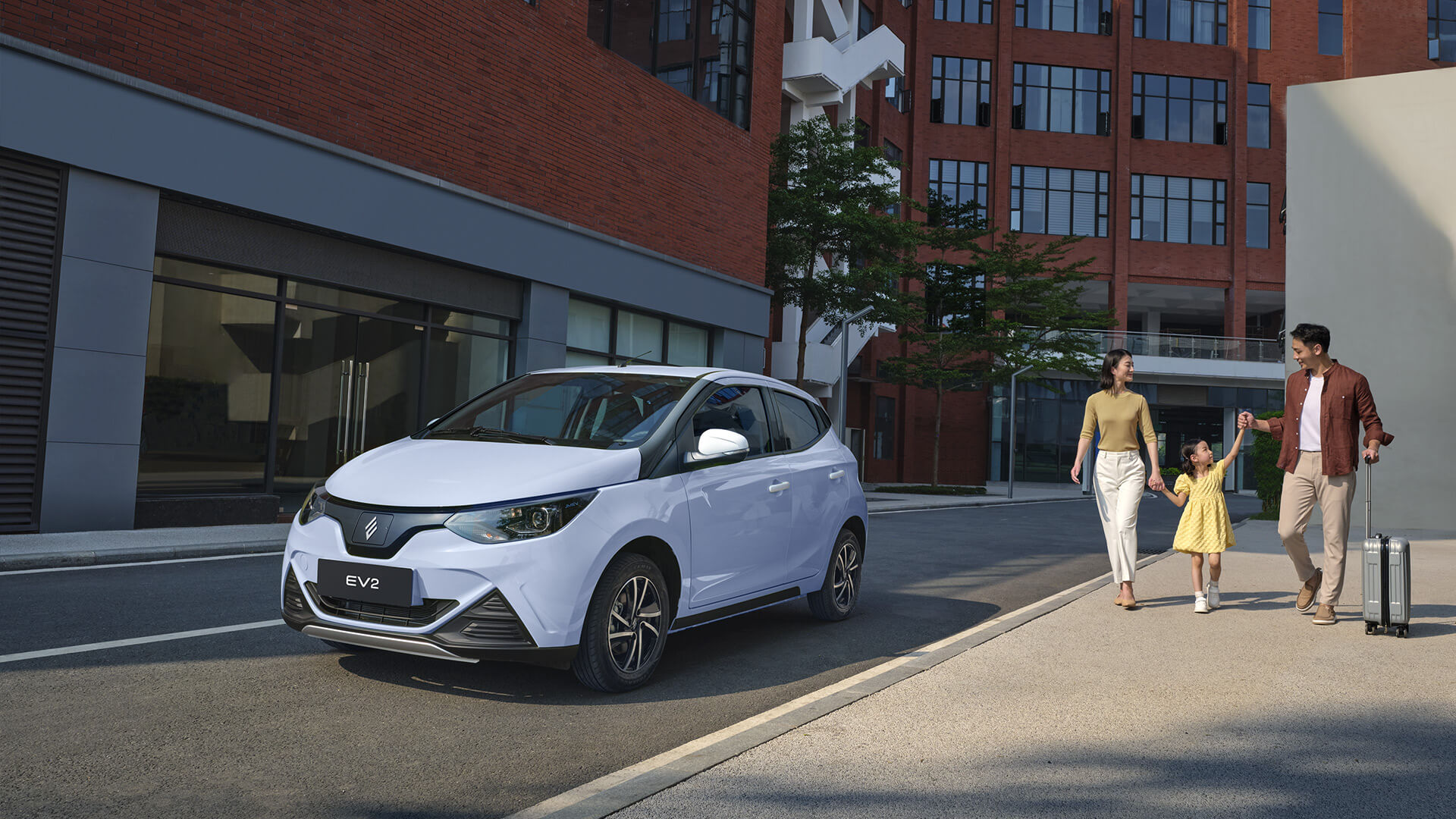
Goodbye expensive popular car: electric vehicle for less than R$ 70,000 starts being sold in Brazil with a range of 200 km and targets those looking to escape gasoline.
-
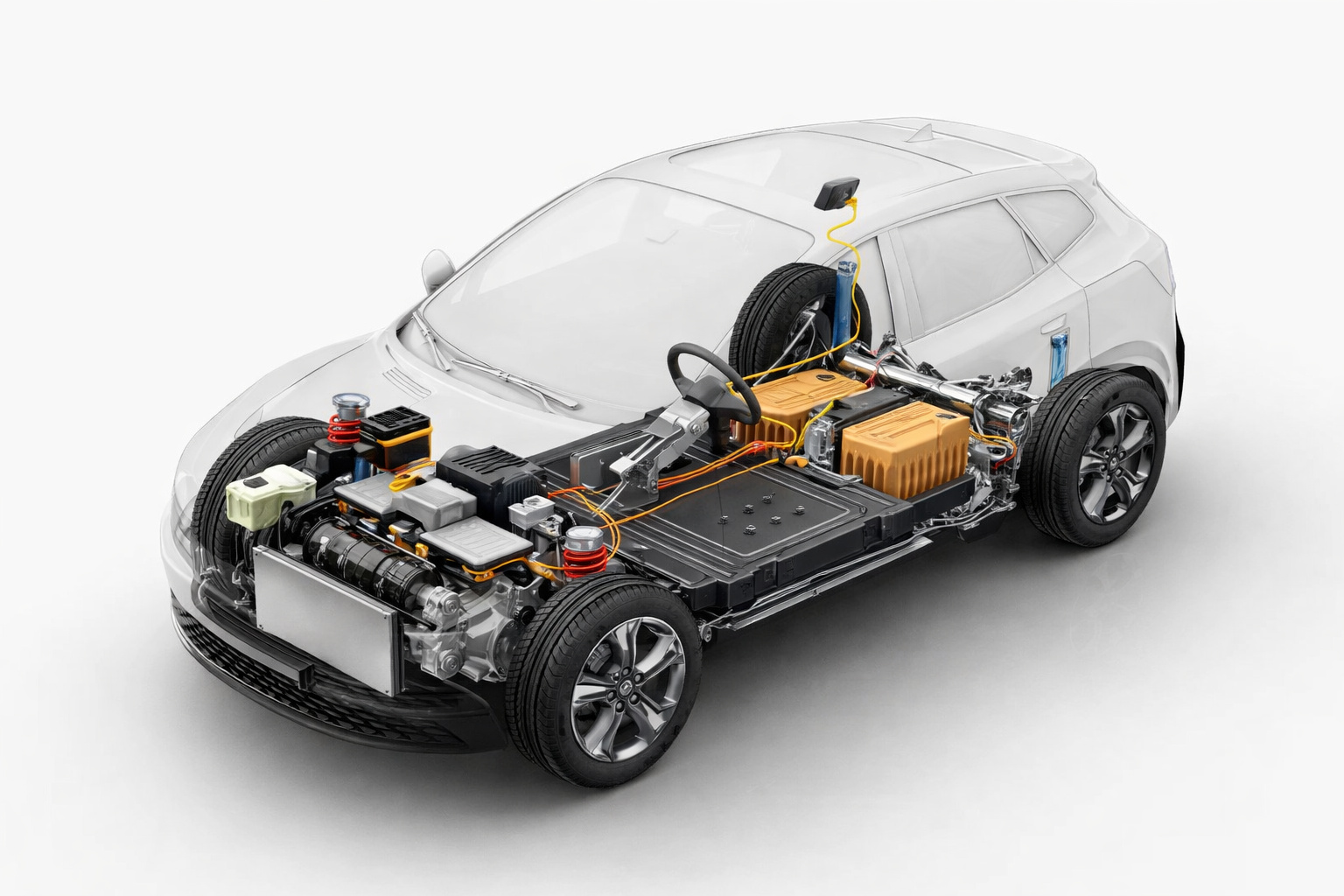
China Surprises Automotive Industry With Battery That Promises Electric Car Able to Run Up to 1,000 km Without Recharge
-
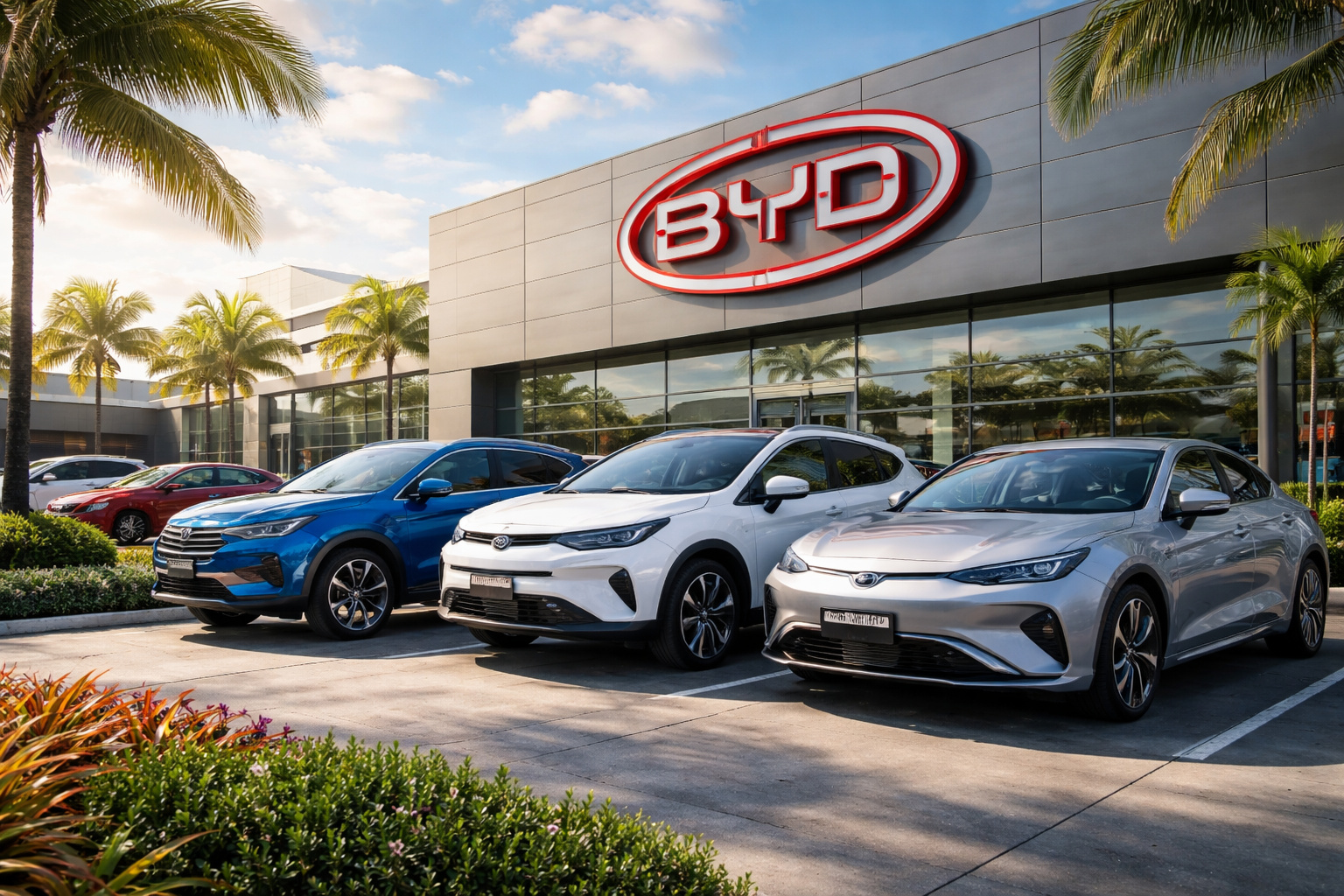
Why BYD Grew So Fast in Brazil and How Blade Batteries, Electric Cars, and Industrial Incentives Shaped This Expansion in the National Automotive Sector
-
Electric Cars Make Progress in Brazil in 2026 and Promise to Reduce Drivers’ Costs with Cheaper Energy, While Infrastructure Grows Slowly Across the Country


The list of the cheapest electric cars in Brazil in 2025 clearly shows this change. It includes various models, with differences in price, power, and range.
Among the Most Affordable Models Are:
Renault Kwid e-Tech – R$ 99,990
It is the cheapest in Brazil. It has 65 hp of power and 11.4 kgfm of torque. The range is 185 km.
BYD Dolphin Mini – R$ 115,800
Delivers 75 hp of power and 13.1 kgfm of torque. The range is 280 km.
Caoa Chery iCar – R$ 119,990
It has 61 hp of power and 15.3 kgfm of torque. The range reaches 282 km.
JAC E-JS1 – R$ 132,900
It features 62 hp and 15.3 kgfm of torque. The range is 302 km.
GWM Ora 03 – R$ 150,000
Most powerful model on the list, with 171 hp and 25.5 kgfm of torque. The range is 232 km.
Each electric car model has its strengths. The Kwid is the cheapest, but has a shorter range. The Dolphin Mini offers more equipment, such as six airbags and a multimedia center. The iCar and the JAC E-JS1 stand out for their ranges above 280 km. And the GWM Ora 03 impresses with its power.
But price is not the only factor to consider. When making a choice, it is important to evaluate the range, power, and features offered by each model. Cars with greater range allow for longer trips without needing to recharge. And more powerful models provide better performance in daily use.
Additionally, the charging infrastructure and support from electric car manufacturers make a difference. Brands with a larger presence in Brazil tend to have a more extensive support network. This can be essential to ensure quick and easy maintenance.
The market continues to expand. The expectation is that more models will be launched in the coming years. As a result, prices should continue to decrease. This could further facilitate access to electric vehicles in the country.
The search for sustainable options is expected to boost the electric car sector. The trend is that electric vehicles will become a common choice in Brazilian traffic. And consumers are already starting to take advantage of these new possibilities.
With information from Correio Braziliense.









Seja o primeiro a reagir!