





 English
  Francês
  Alemão
  Italiano
  Japonês
  Norueguês
  Portuguese
  Spanish
  3 min of reading


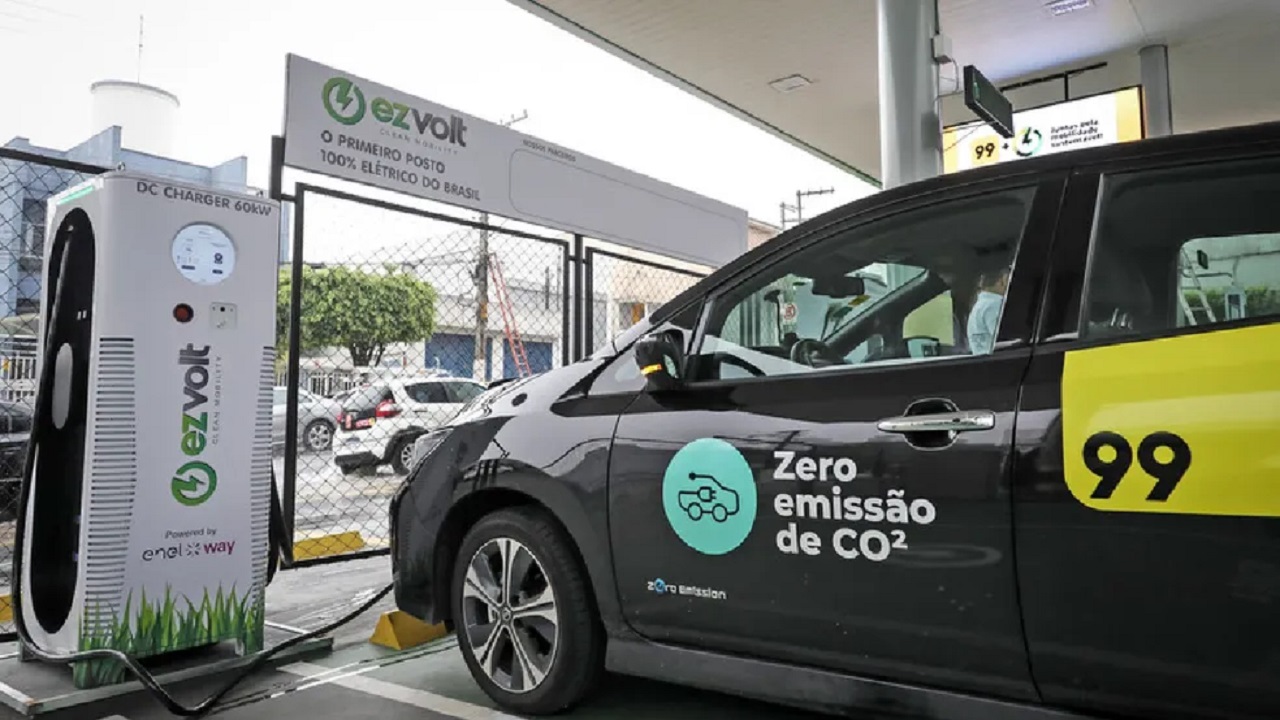
Electric Cars In Brazil Will Have Reduced Range After New Regulation From Inmetro.
All electric cars officially sold in Brazil will undergo a reduction of about 30% in the range numbers estimated by the manufacturers. This change was recently announced by the president of the Brazilian Electric Vehicle Association (ABVE), Adalberto Maluf. For example, the range per charge of the Kwid E-Tech, the cheapest electric car in Brazil, will drop from 298 km in the city to 208 km.
Understand The Reduced Range Of Electric Cars In Brazil
The goal of this initiative is to provide consumers with data that reflects the reality of Brazilian drivers’ habits, who are still not accustomed to driving electric cars with a focus on saving battery.
According to Maluf in an interview, many drivers still do not have a clear understanding of the best way to brake an electric car, thus they end up using the vehicle in the same manner as a combustion model and become frustrated by achieving a range far below that reported by the manufacturer.
-
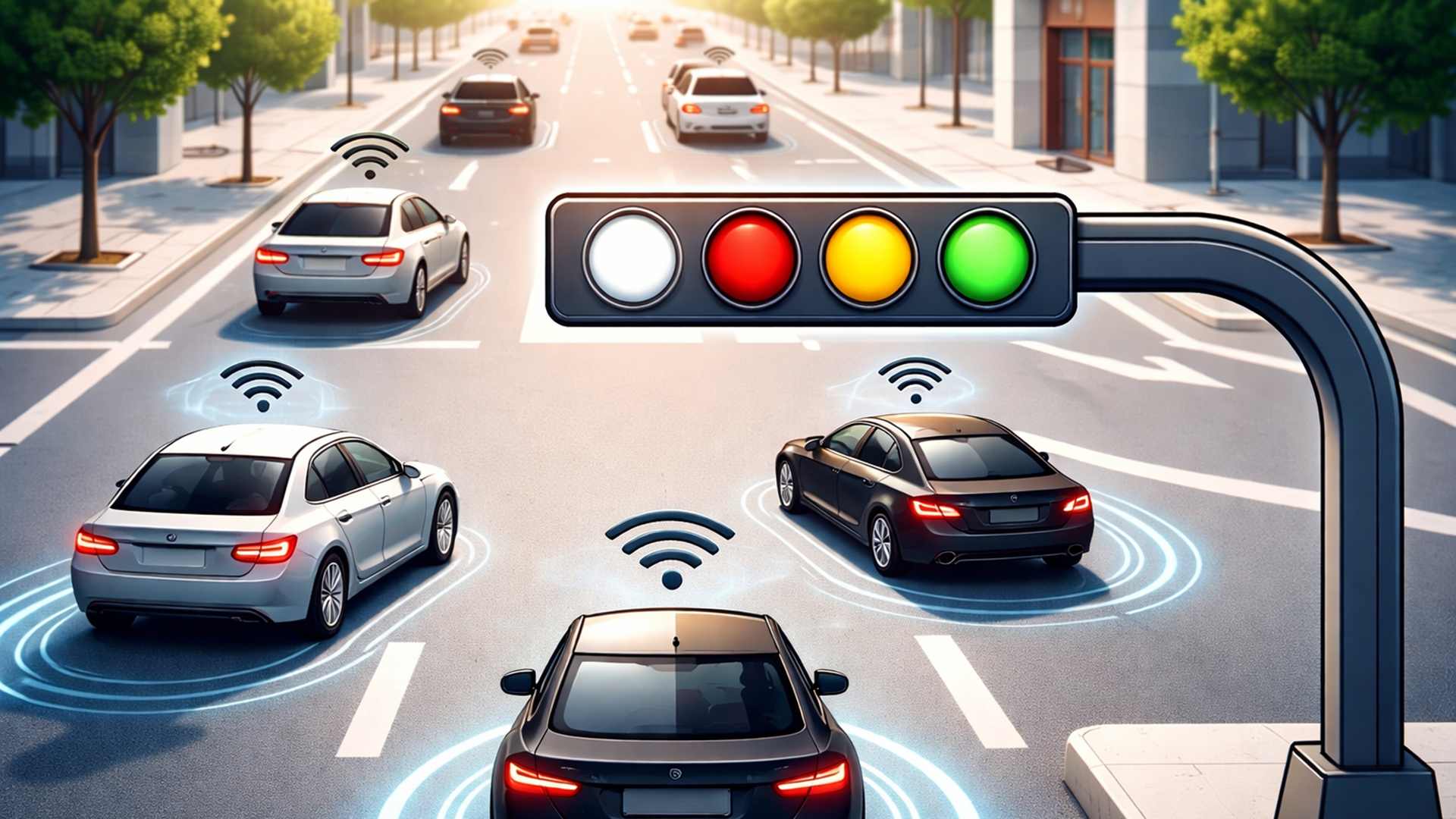
Engineers propose a fourth traffic light for intersections – the change promises to affect crossings, queues, and waiting times.
-
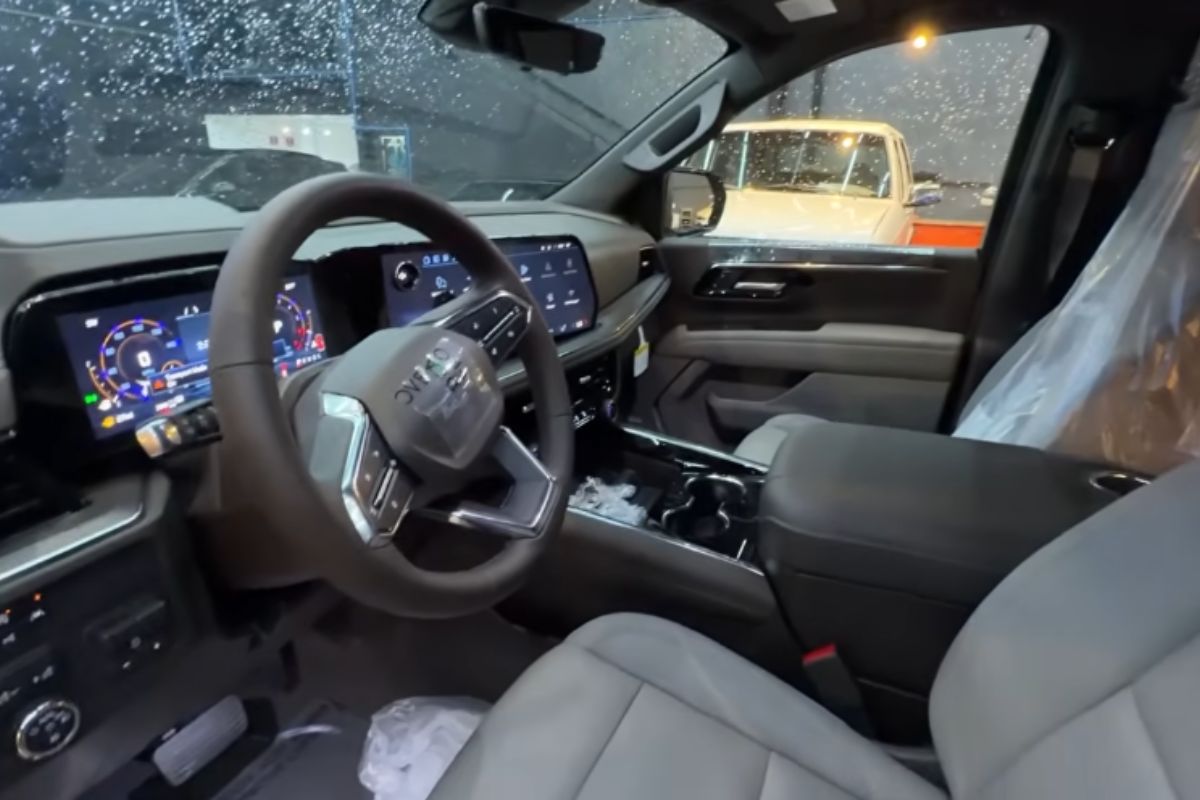
Chevrolet Suburban Z71 lands in Brazil with a V8 engine, off-road design, air suspension, seven seats, and colossal size, a rare version imported for around R$ 1.3 million with luxury and exclusivity.
-
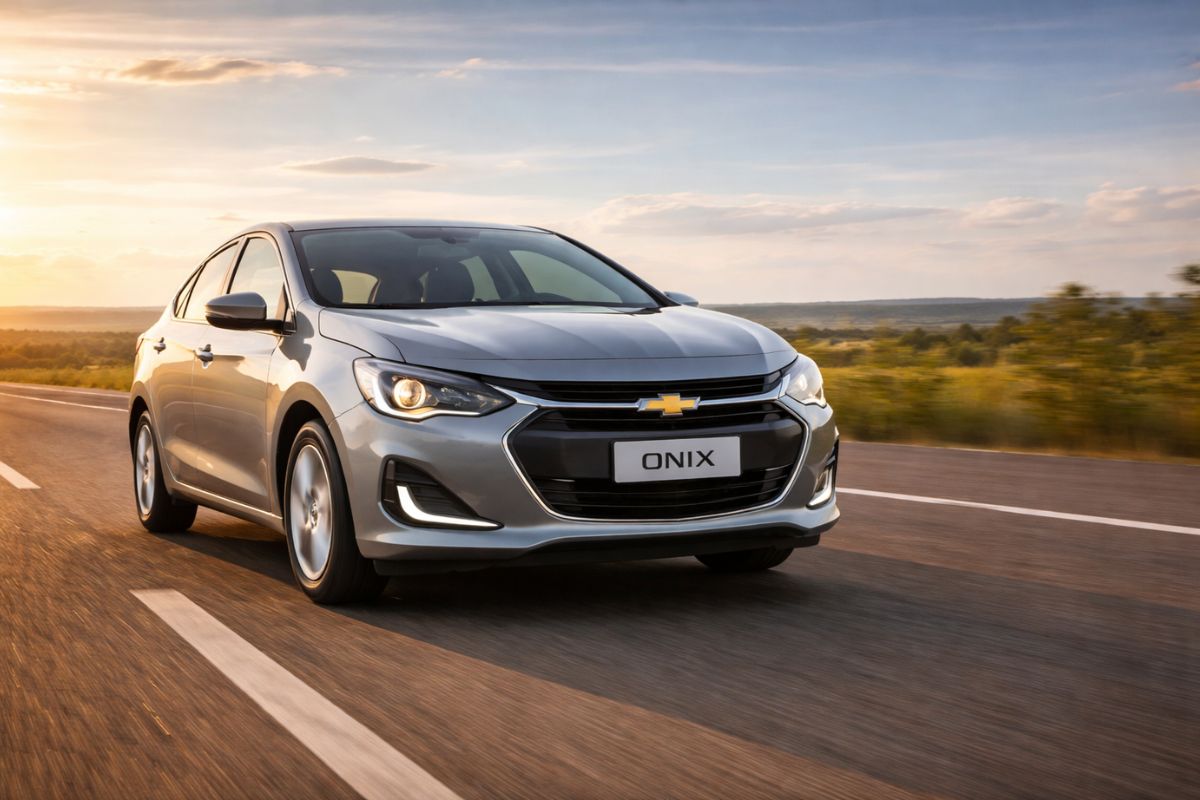
The Chevrolet Onix 1.0 turbo achieves 17.7 km per liter on the highway and ranks among the three most economical cars in Brazil in 2026, alongside two more expensive Toyota hybrids available at dealerships.
-
Little sister of the Hilux: Toyota launches Land Cruiser FJ with 4 radical versions, 2.7 engine with 166 hp and 4×4 traction with locking.

The range per charge is a complicated topic, especially for those who are not familiar with it and are interested in buying their first electric car in Brazil. The testing standards, for example, differ in other countries.
The result is an electric car that can deliver less range in the U.S. and a much higher number in Europe, for instance. Typically, manufacturers choose the most positive results when announcing new vehicles, adding another layer of difficulty for consumers’ choices.
Reduced Range In Electric Cars Aims To Combat Data Confusion
The organization responsible for standardization in Brazil is Inmetro, which previously used the best possible driving scenarios for electric cars in Brazil. Now, it will be just the opposite. Some manufacturers still use the standard American range numbers, known as EPA, or the European one, called WLTP.
One of the electric cars most affected by this range change is the Volvo XC40 Recharge Plus. While its range is 420 km under the European standard, the corrected number in Brazil has dropped to 231 km.
This initiative also aims to combat this data confusion in the future, making it more common for more brands to follow this national standard. The ABVE president concludes that it will be common in the coming years for drivers to exceed the range predicted by the manufacturer.
Electric Car Sales In Brazil Increase By Over 40%
The electric car market in the country recorded a 41% increase in sales this year, according to a new survey from the Brazilian Electric Vehicle Association (ABVE). Although there is potential, the sector still faces a major challenge: the lack of charging infrastructure for conventional cars, trucks, or buses.
The last year closed with 49,245 vehicles sold and a circulating fleet of 126,504 vehicles. According to a study by the Boston Consulting Group, the demand for investments in Brazil’s electric mobility charging infrastructure market will reach R$ 14 billion by the middle of the next decade. While the sector needs charging infrastructure to evolve, consumer interest in electric cars is hindered by the lack of charging stations.
To solve this problem, experts emphasize the need to adopt a national sustainable development plan. Maluf explains that this infrastructure presents a challenge for certain niches of electromobility. A large portion of the charging is done by individuals during the night, but there has been an increase in light commercial vehicles, which sometimes require a quick charge on the street.









Seja o primeiro a reagir!