





 English
  Francês
  Alemão
  Italiano
  Japonês
  Norueguês
  Portuguese
  Spanish
  4 min of reading


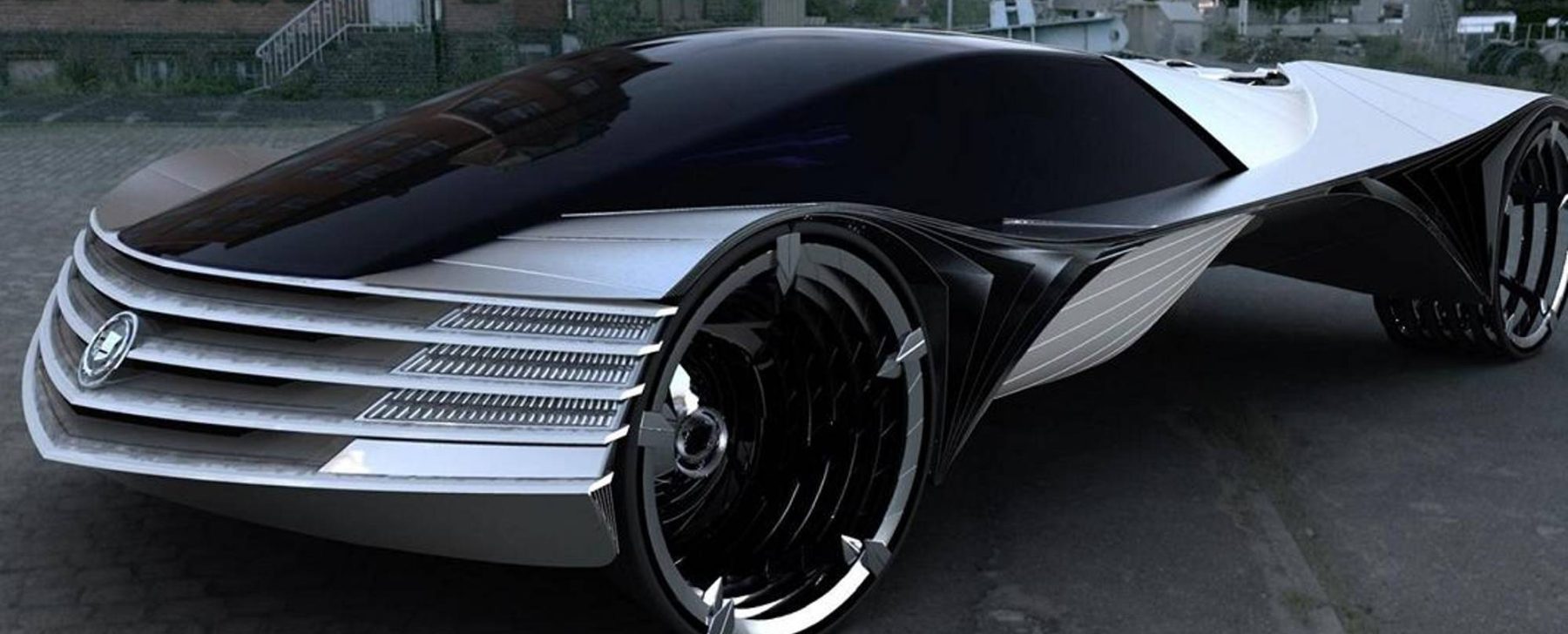
The Rise in Fossil Fuel Prices and the Russia-Ukraine War Remind Us of Atomic-Powered Vehicle Prototypes
The veiled nuclear threat from Vladimir Putin in the Russia-Ukraine war has put Western countries, and indeed the rest of the planet, on alert. The subject has garnered attention once again, but we should remember that in the 1950s and 60s, there was thought that atomic energy could also be used in four-wheeled vehicles.
Read Also
- Felicity Ace Ship Continues Burning with 3,965 Porsche, Bentley, Audi, and Lamborghini Cars, Causing Billion-Dollar Losses to Volkswagen; Lithium-Ion Batteries Complicate the Rescue
- Volkswagen and Bosch Giants Create Company for Manufacturing and Production of Electric Car Battery Cells, as Europe has Unique Chance to Become a Global Battery Powerhouse in the Coming Years
- Vehicle Manufacturer General Motors Sparks Ambitious Plan and Enters Competition with Ford to Dethrone Tesla, the Billionaire Elon Musk’s Automaker
- After Halting Vehicle Production and Leaving the Country, Ford Seeks Help to Manufacture 600,000 Electric Vehicles in Just 22 Months
Moreover, the rise in traditional fossil fuel prices could once again shift the focus to this type of energy, now with much more advanced means. The fact is that cars from 60 years ago ran on much smaller reactors than those used in the military, but still very heavy and bulky for a car.
Ford Nucleon
The best-known attempt that featured a nuclear-powered engine was launched in 1958. It was a kind of futuristic car, with the cabin at the front and a rear fully occupied by the reactor, made up of uranium rods, with the aim of converting water into steam, with which the vehicle would move. However, it never reached the prototype stage, as some models were made in different sizes.
-
Engineers propose a fourth traffic light for intersections – the change promises to affect crossings, queues, and waiting times.

-
Chevrolet Suburban Z71 lands in Brazil with a V8 engine, off-road design, air suspension, seven seats, and colossal size, a rare version imported for around R$ 1.3 million with luxury and exclusivity.
-
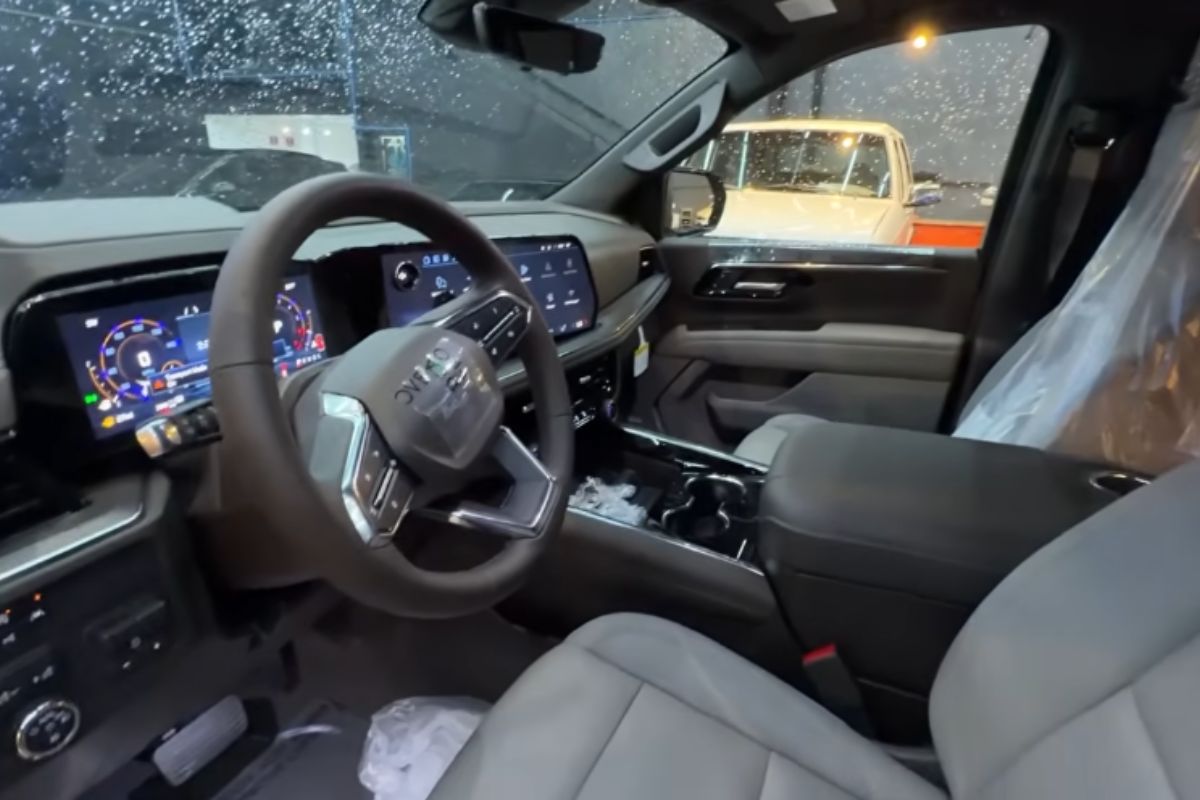
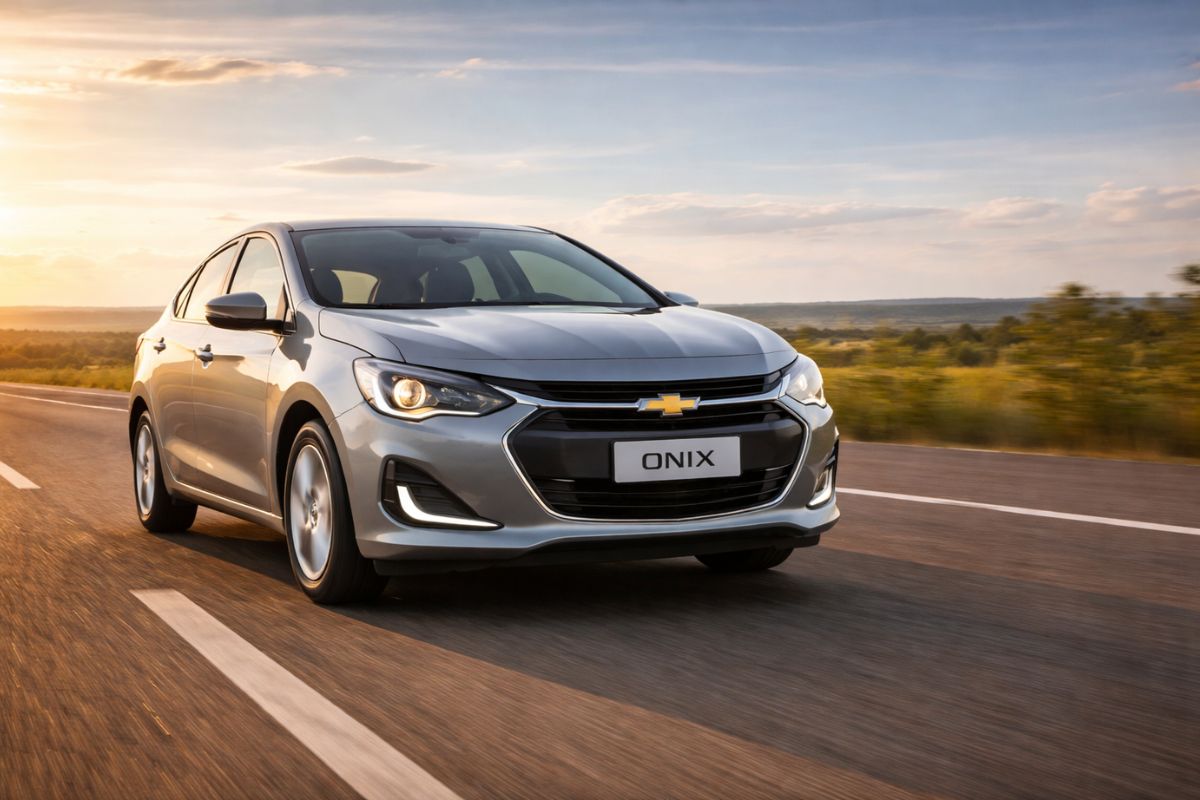
The Chevrolet Onix 1.0 turbo achieves 17.7 km per liter on the highway and ranks among the three most economical cars in Brazil in 2026, alongside two more expensive Toyota hybrids available at dealerships.
-
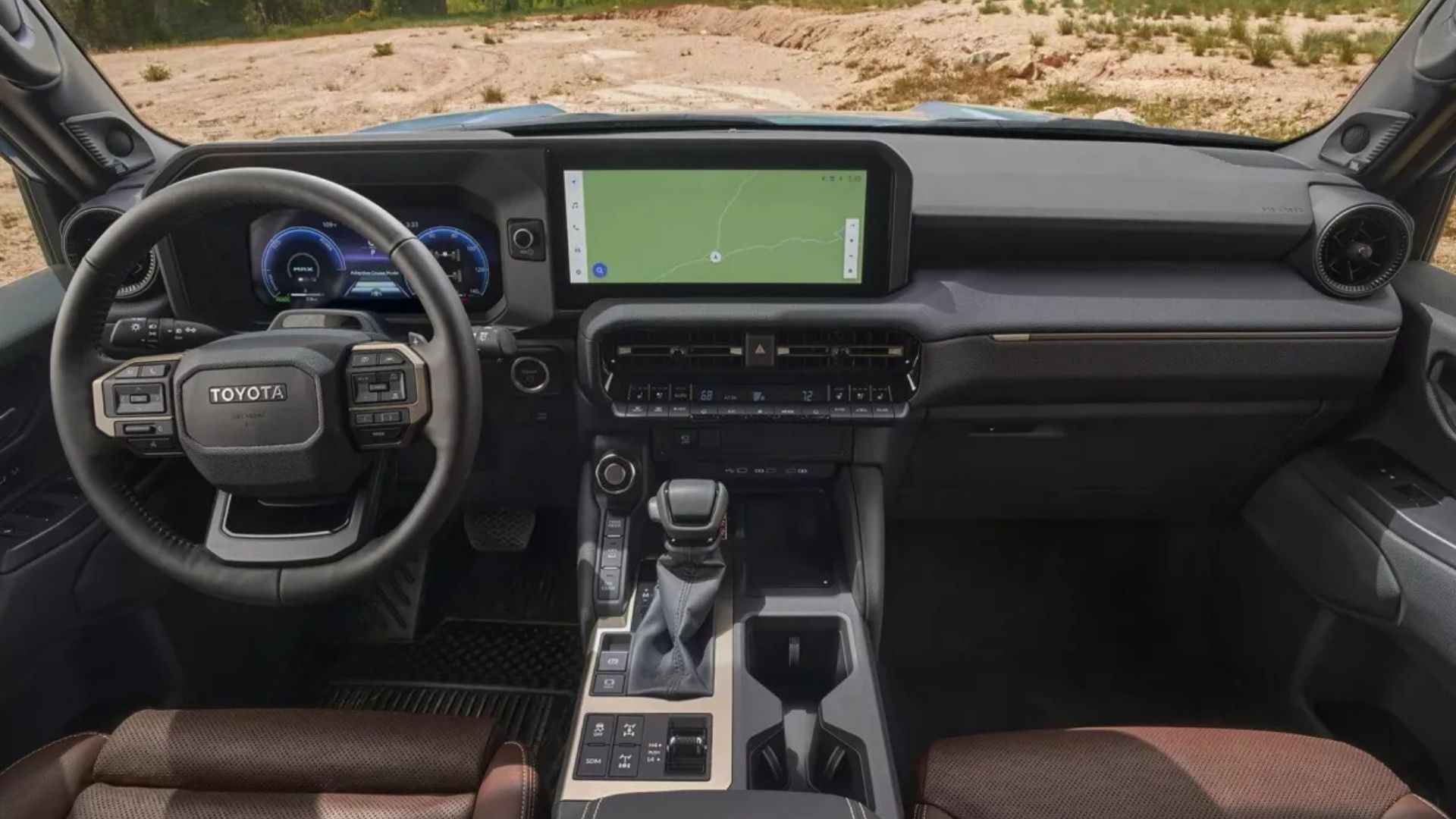
Little sister of the Hilux: Toyota launches Land Cruiser FJ with 4 radical versions, 2.7 engine with 166 hp and 4×4 traction with locking.

Besides its body, the most curious thing about this vehicle was its theoretical range: 8,000 kilometers. But of course, the problem came from the size of its reactor and, above all, its insulation, not only due to the heat it generated but also because of the radiation it emitted.
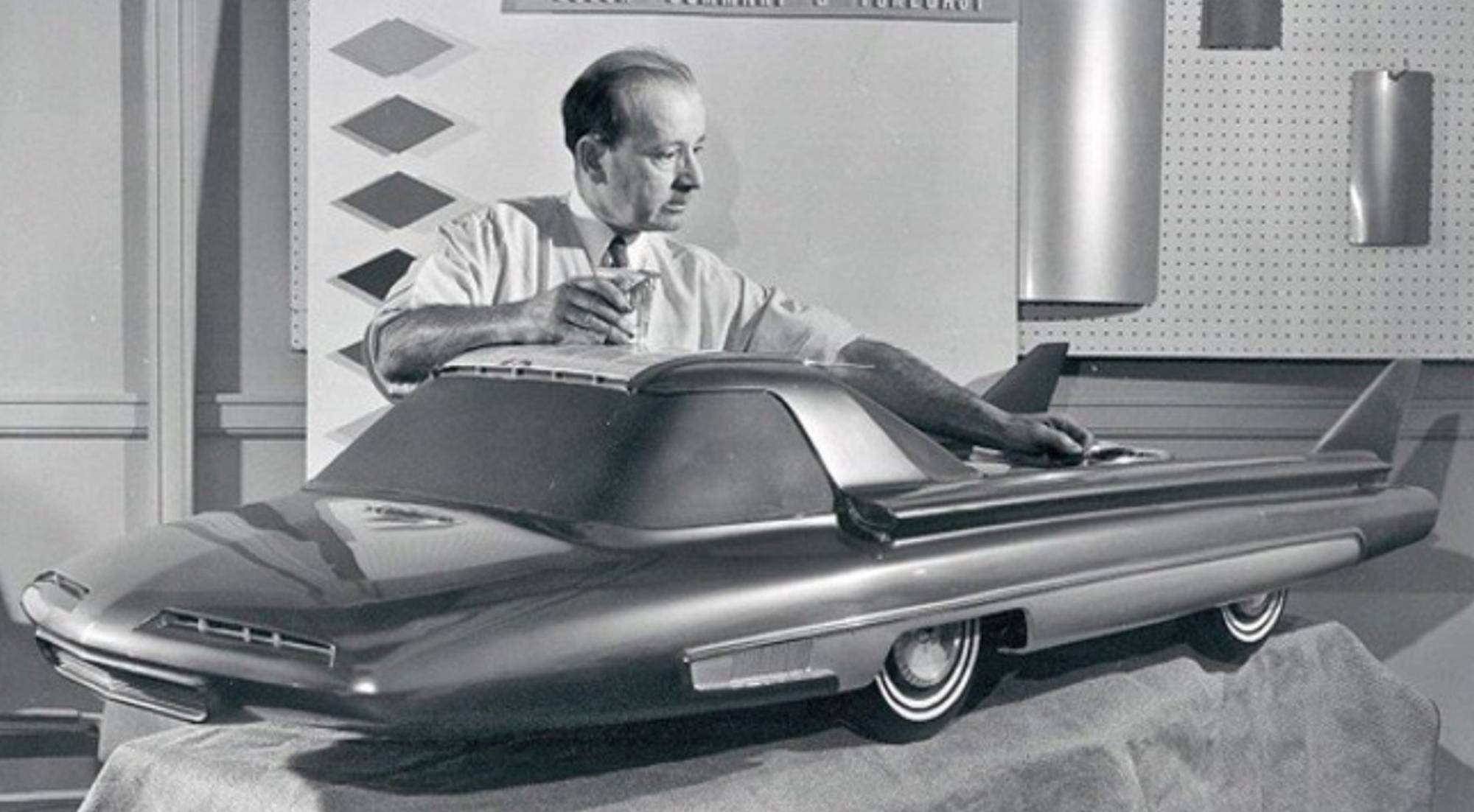
Ford Nucleon.
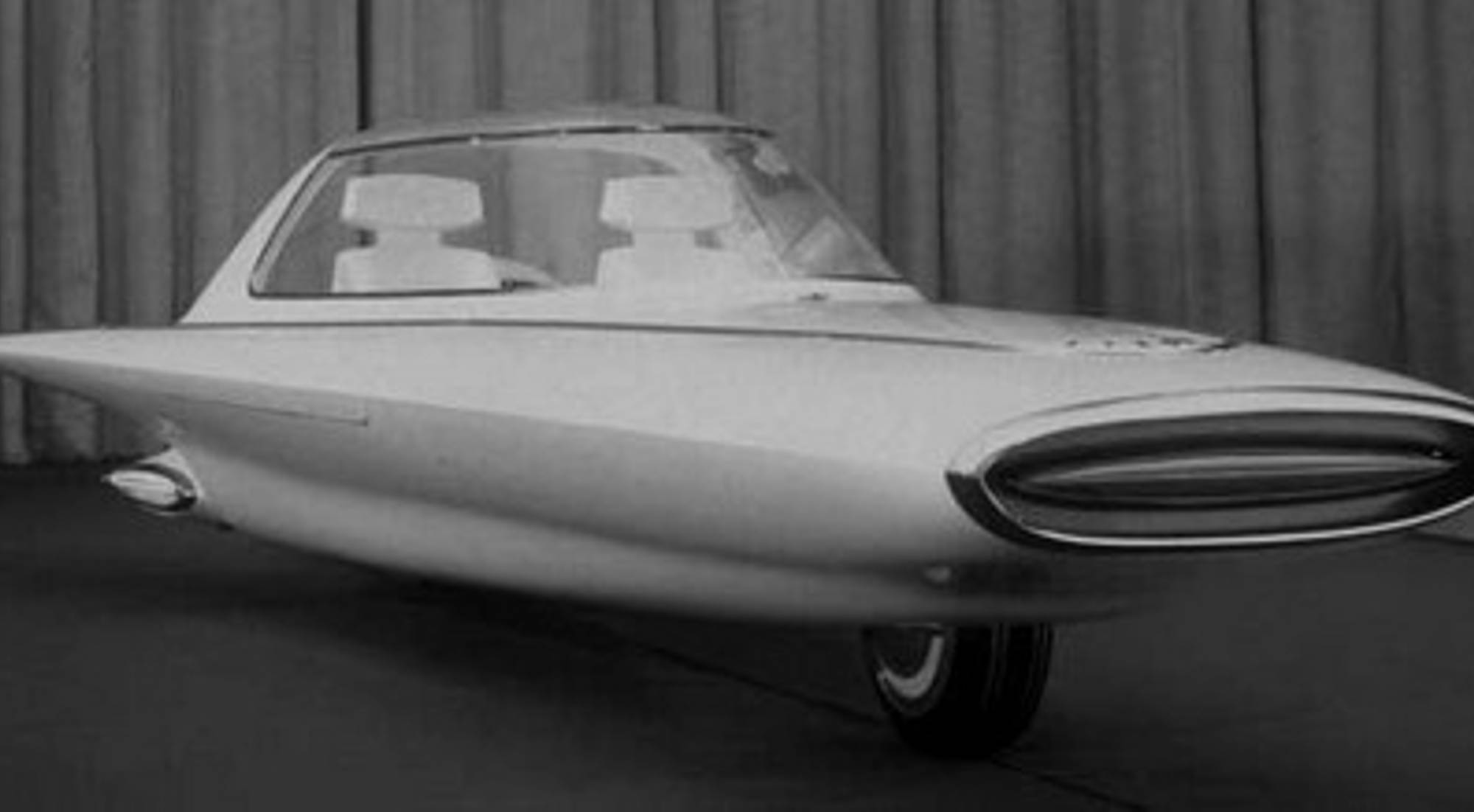
Ford Gyron
It owes its name to having only two aligned wheels and to the hydraulic gyroscopic system that stabilized the Ford Gyron. The wheels, once in motion, were hidden in the body. It has a clear aeronautical inspiration, since its creator, Alex Tremulis, began his career as a designer for the United States Air Force.
On board, there was no steering wheel, but a disc display and buttons with which reverse could be accelerated, braked, or engaged.
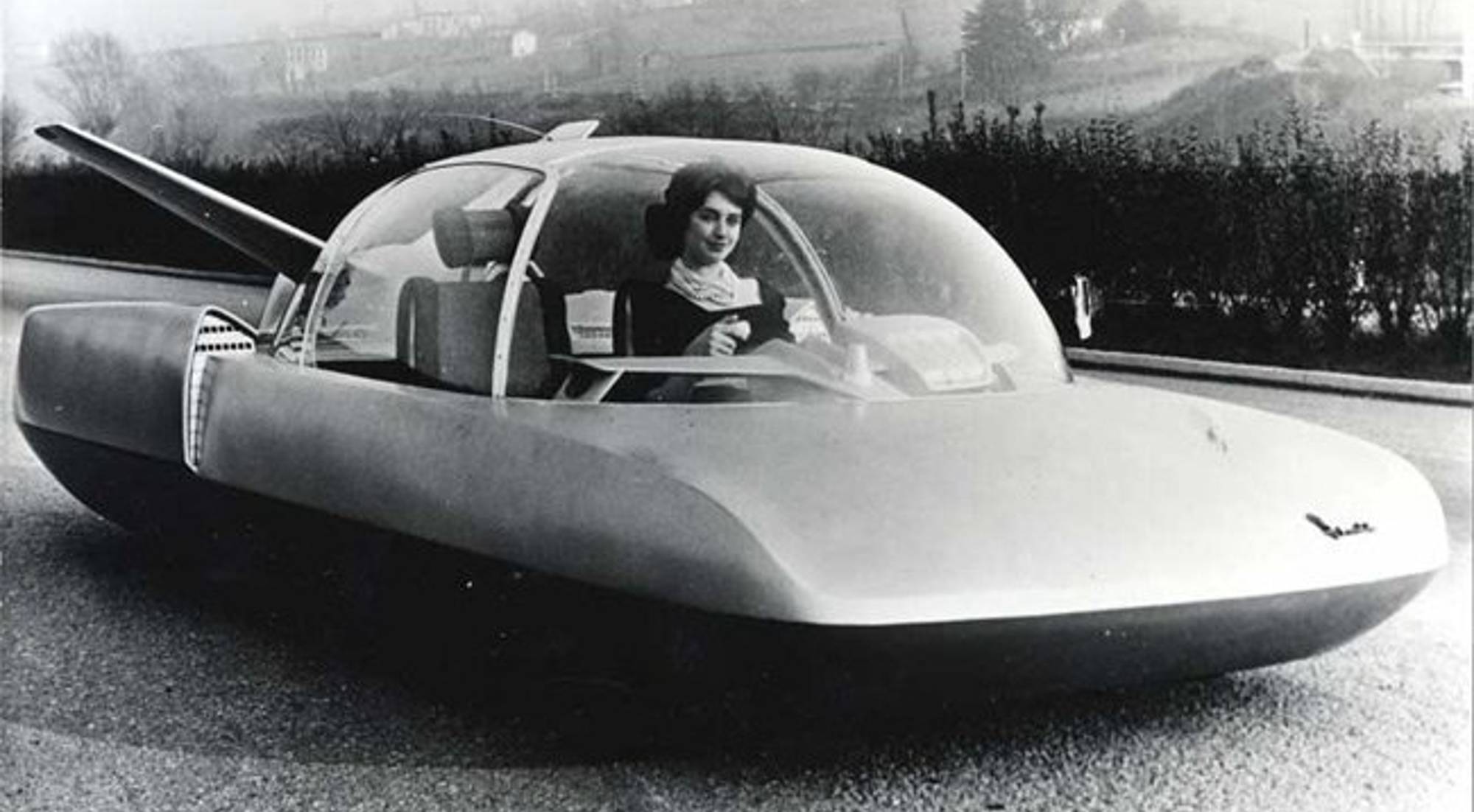
Simca Fulgur
Unveiled in 1959, it looked like it came straight out of a science fiction movie… from that era. The prototype appeared at the Geneva Motor Show that year and was designed by the same designer who created the Renault Fuego and the Citroën SM, Robert Opron.
Its bubble cabin was surrounded by transparent plastic and a rear with a massive double spoiler, in the purest style of a Beechcraft Bonanza aircraft. Despite its double steering rudder, the car had no wheels, so it had to run on tracks laid on the asphalt. A very utopian idea.
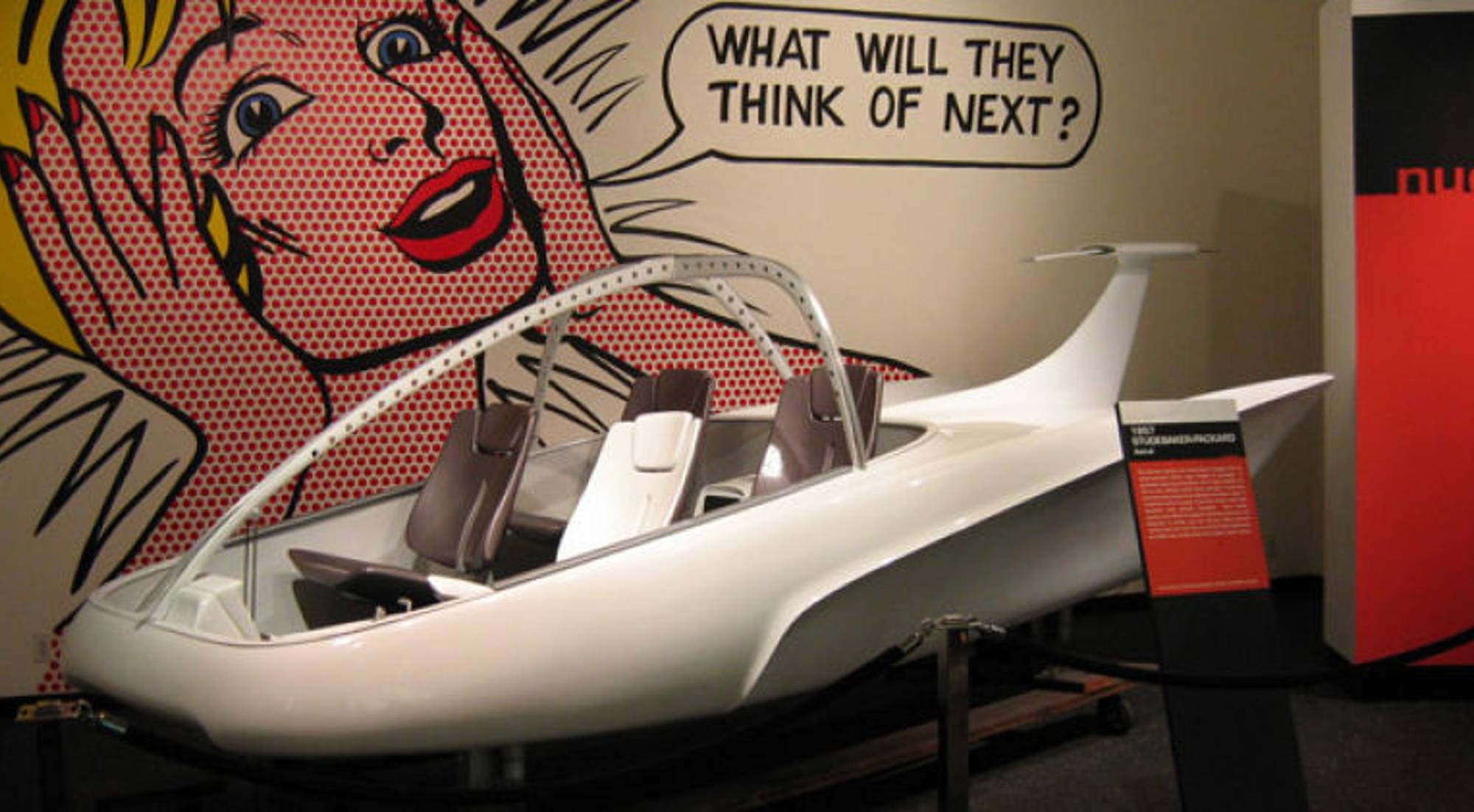
Studebaker-Packard Astral
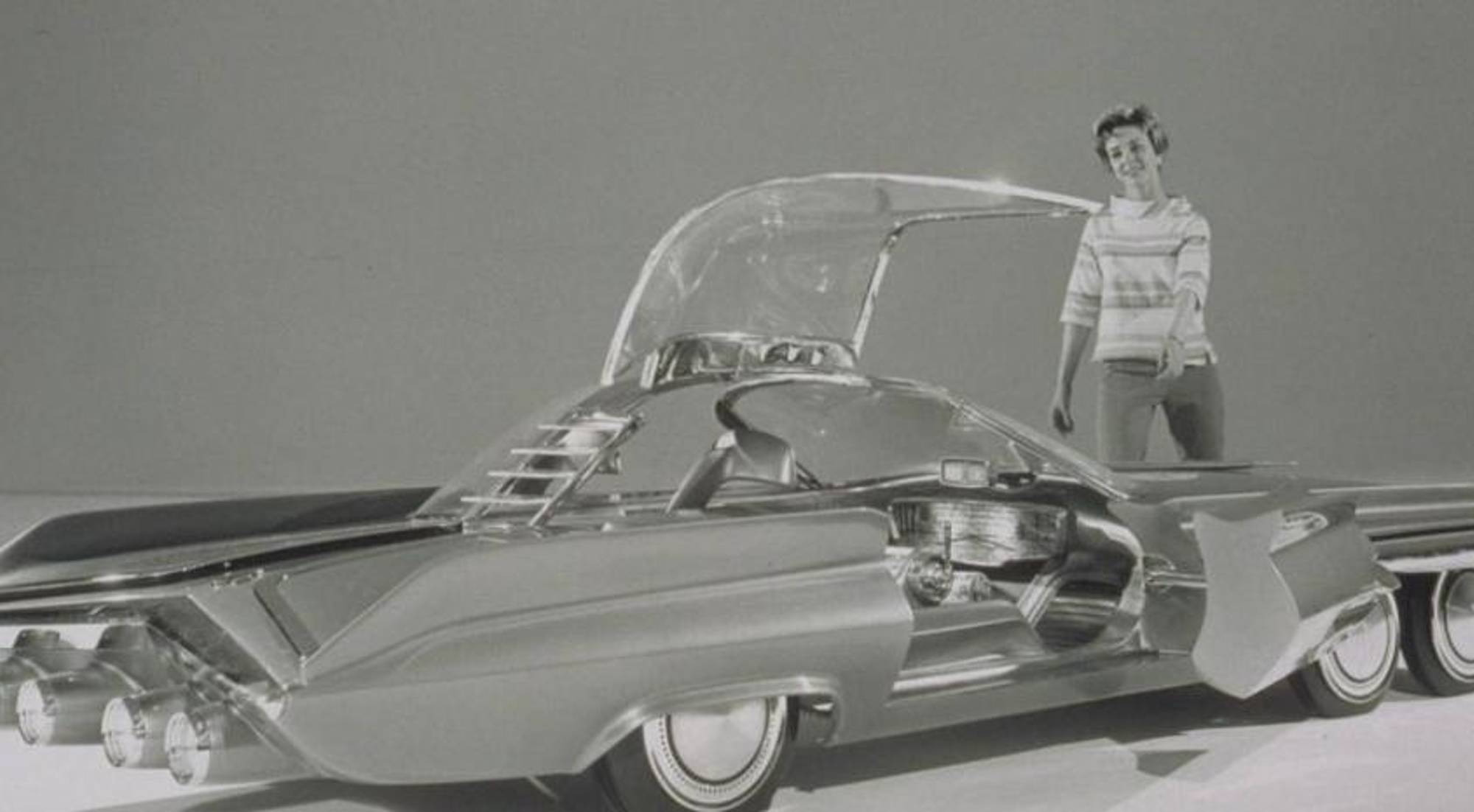
Born in the same year as the Nucleon, it was also unveiled in 1958 and was designed by Edward E. Herrmann. The best thing about the Astral is that it only had a central wheel, stabilized by gyroscopes. It could also be propelled on water and had a shield that protected those wandering outside from radiation energy.
Ford Seattle XXI
In 1962, Ford got back on track with this 3/8 scale model designed by Alex Tremulis (yes, the same one who designed the Ford Gyron).
It also had a bubble cabin and, of course, an interchangeable cell nuclear reactor. Its double front axle and four wheels garnered attention, as did an interactive interface with a navigator in the style of more modern cars.
Arbel-Symétric
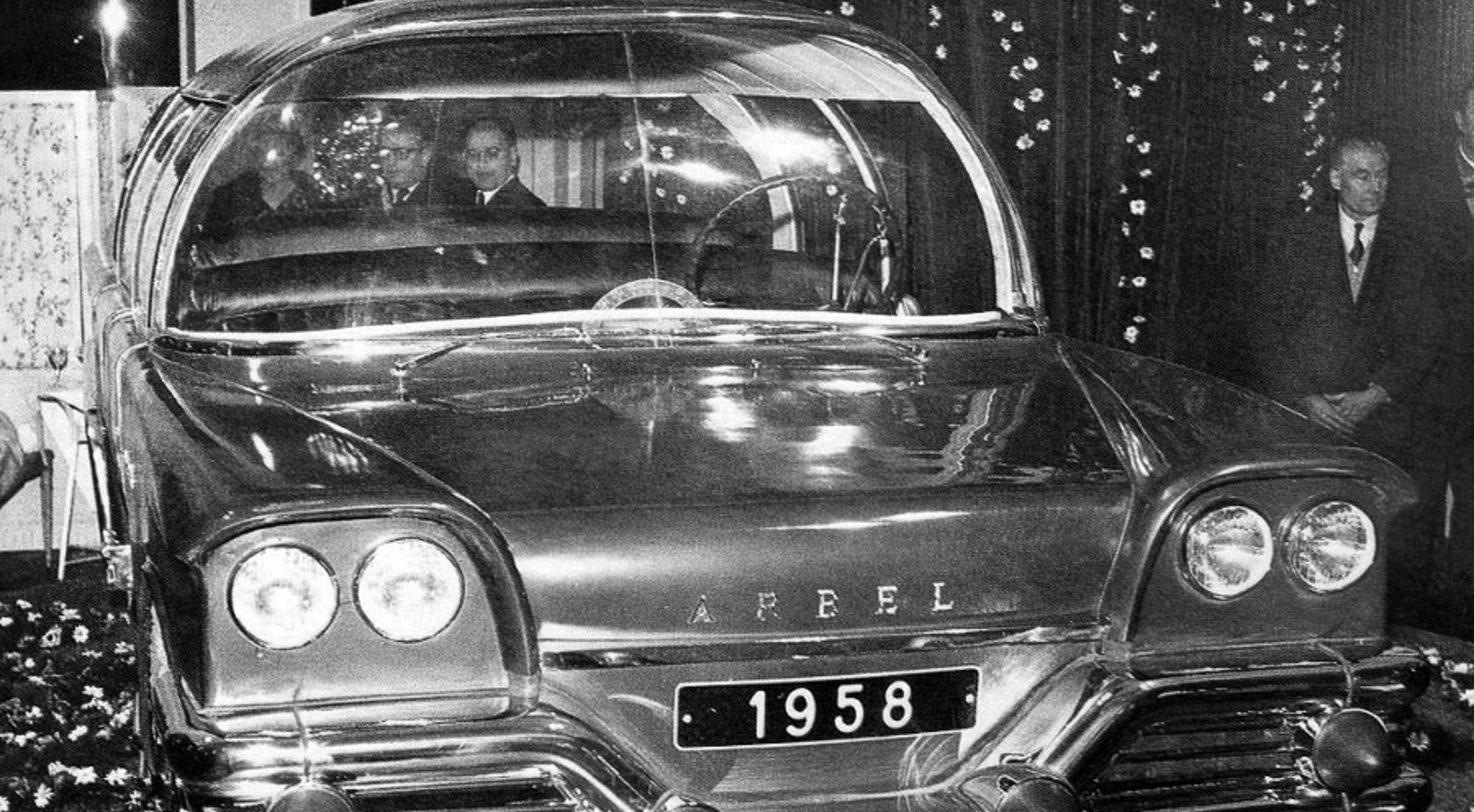
Also in those years, France put its grain of sand in the ‘nuclear’ race as fuel for cars. The Geneva Motor Show saw the birth of the Arbel-Symétric, a car with a much more normal body, created by brothers Casimir André and Maurice Loubière.
Inspired by the Ford Nucleon, they planned to use a 40 kW nuclear reactor, powered by nuclear waste arranged in cartridges that could be swapped out. The French government never gave its consent or funding for this project.
Arbel-Symétric
Cadillac WTFC (World Thorium Fuel Concept)
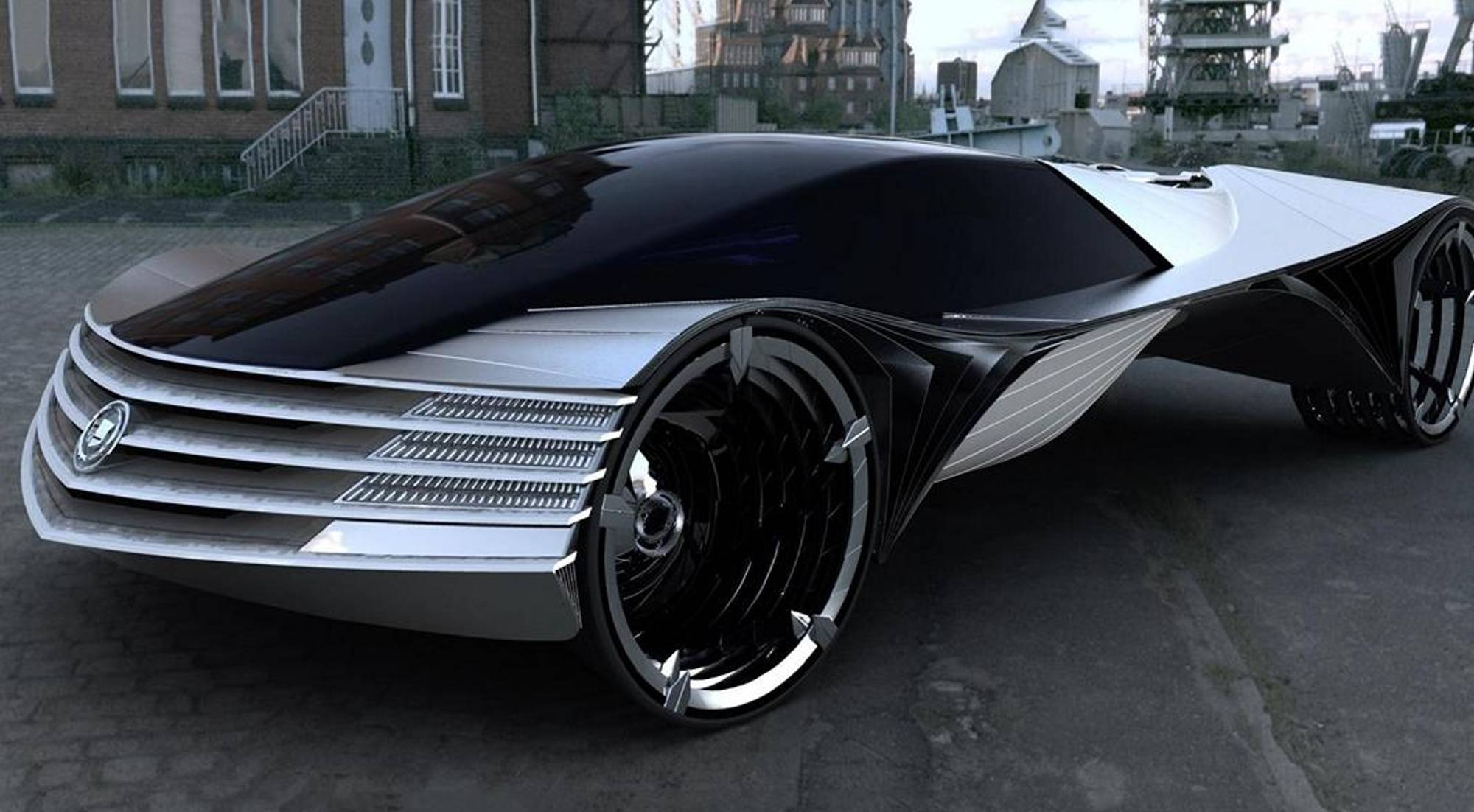
But nuclear cars are not only powered by uranium. In 2009, Cadillac presented this prototype, based on thorium as atomic fuel. This metal is more abundant than uranium and has an energy capacity 200 times greater than uranium.
It was designed by artist Loren Kolesus to commemorate the centennial of Cadillac’s acquisition by General Motors.
by-elmotor






-

Uma pessoa reagiu a isso.