





 Portuguese
  English
  Spanish
  3 min of reading
  0 comments


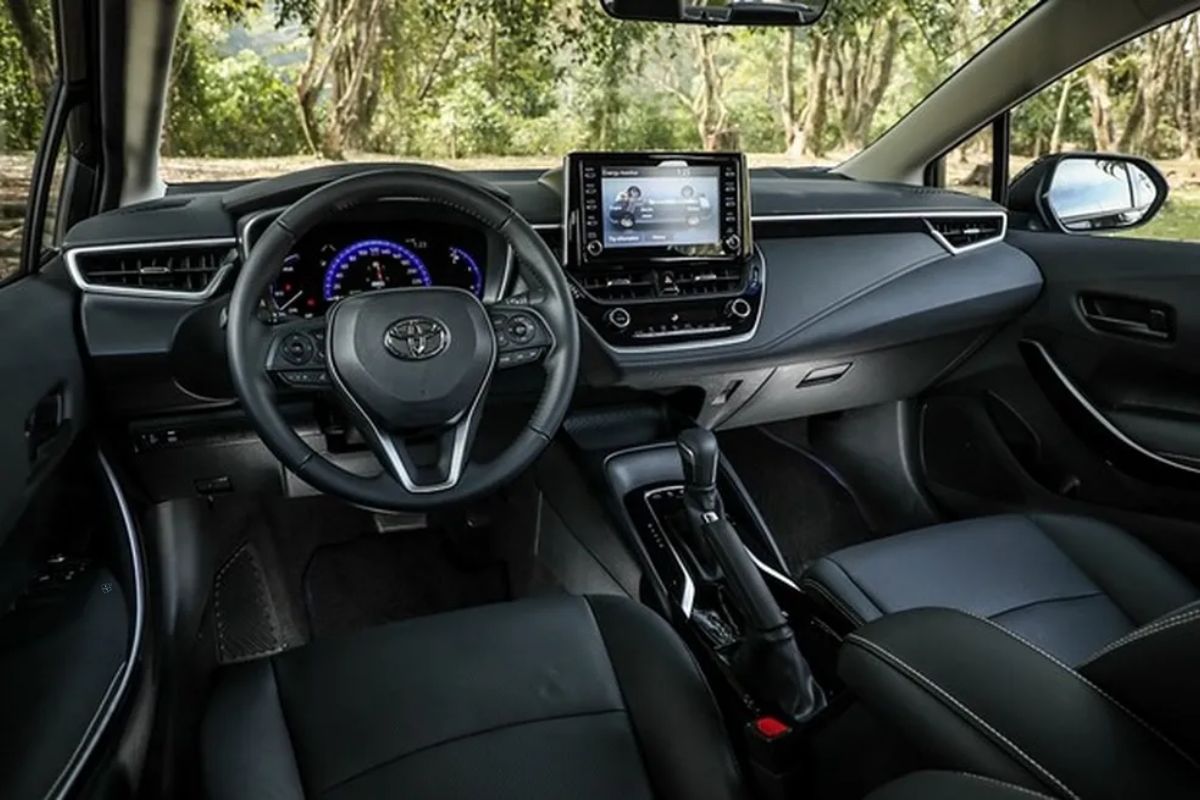
According to O Antagonista, Cars That Challenge Gas Stations Unite Real Economy, Technology, and Sustainability, Changing Consumption in Brazil
The cars that challenge gas stations are already a reality in 2025 and exceed the mark of 20 km/l in different categories. According to O Antagonista, this new standard of energy efficiency is transforming the way Brazilian drivers view mobility, offering more savings, lower environmental impact, and access to technologies previously restricted to luxury models.
The change is significant in a country marked by high fuel costs and heavy traffic. Hybrid, electric, and even combustion compact models are achieving unprecedented figures, creating a competition among automakers to offer vehicles that ease the consumer’s wallet without sacrificing performance and comfort.
Who Are the Leaders of This Transformation?
Automakers such as Toyota, Renault, BYD, Chevrolet, and Fiat are at the center of this dispute.
-
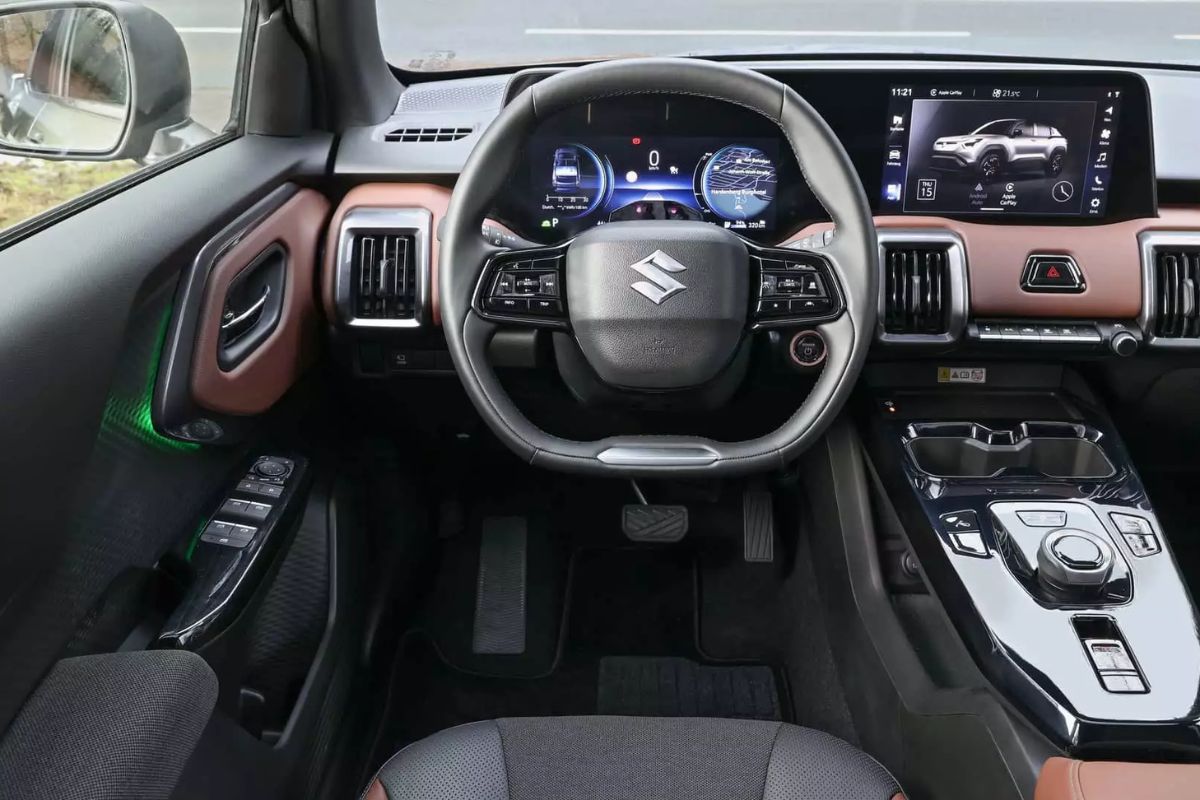
The 2026 electric Vitara arrives in Brazil and proves that Suzuki is not leaving: 4×4 traction, 184 hp, 61 kWh LFP battery, 293 km range, R$ 259,000, and a trunk capacity of 224 L.
-
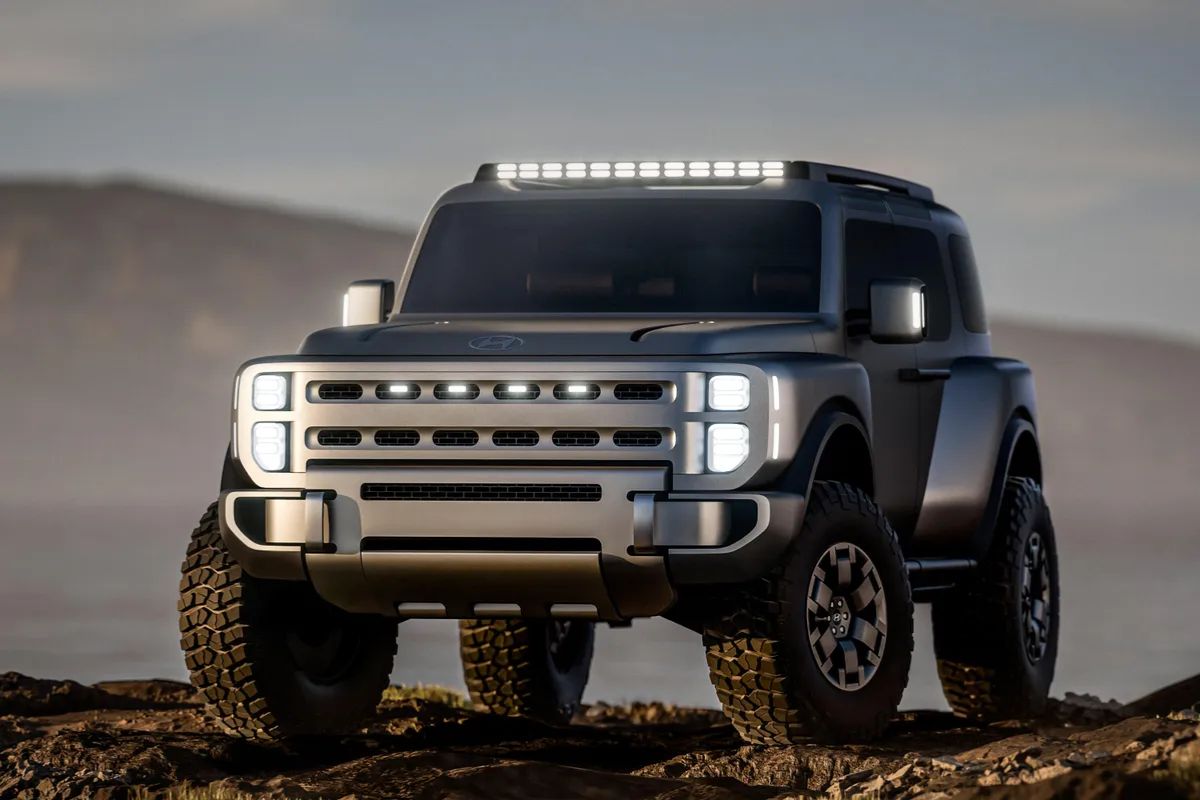
Hyundai has unveiled the Boulder, a square SUV with a body-on-frame design, 37-inch mud tires, and carriage-style doors that seems to be made to take on the Ford Bronco and the Scout Traveller in the United States.
-
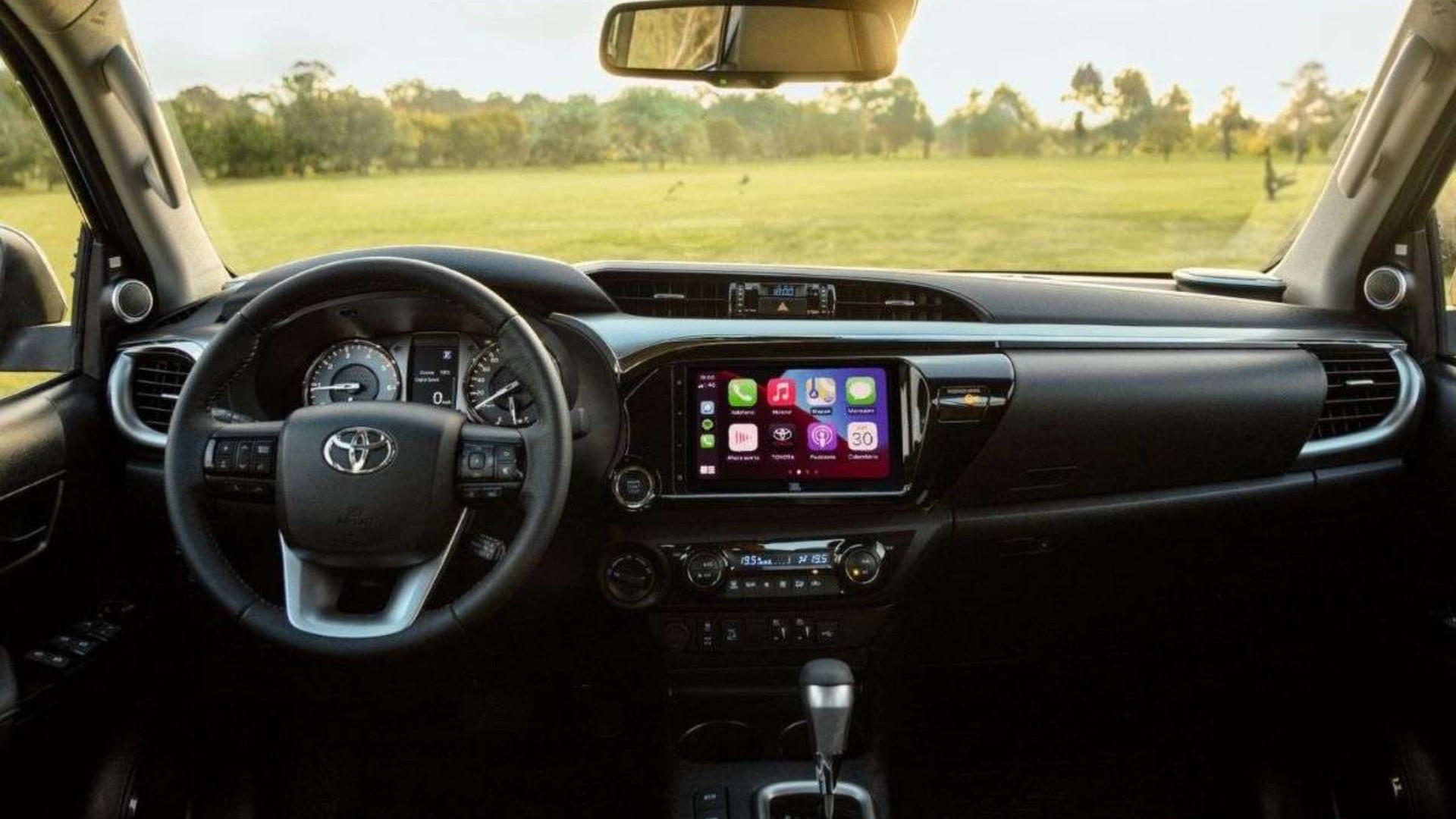
The Toyota Hilux is R$ 75.5 thousand cheaper and bets on the 2.8 turbodiesel engine with up to 204 hp and 50.9 kgfm to catch up with the VW Saveiro, which leads with 4,472 sales.
-
The new Renault Koleos has a screen exclusively for the passenger that is invisible to the driver, heated rear seats, and 29 assistance systems, but its Chinese competitors cost R$ 40,000 less and deliver more power.
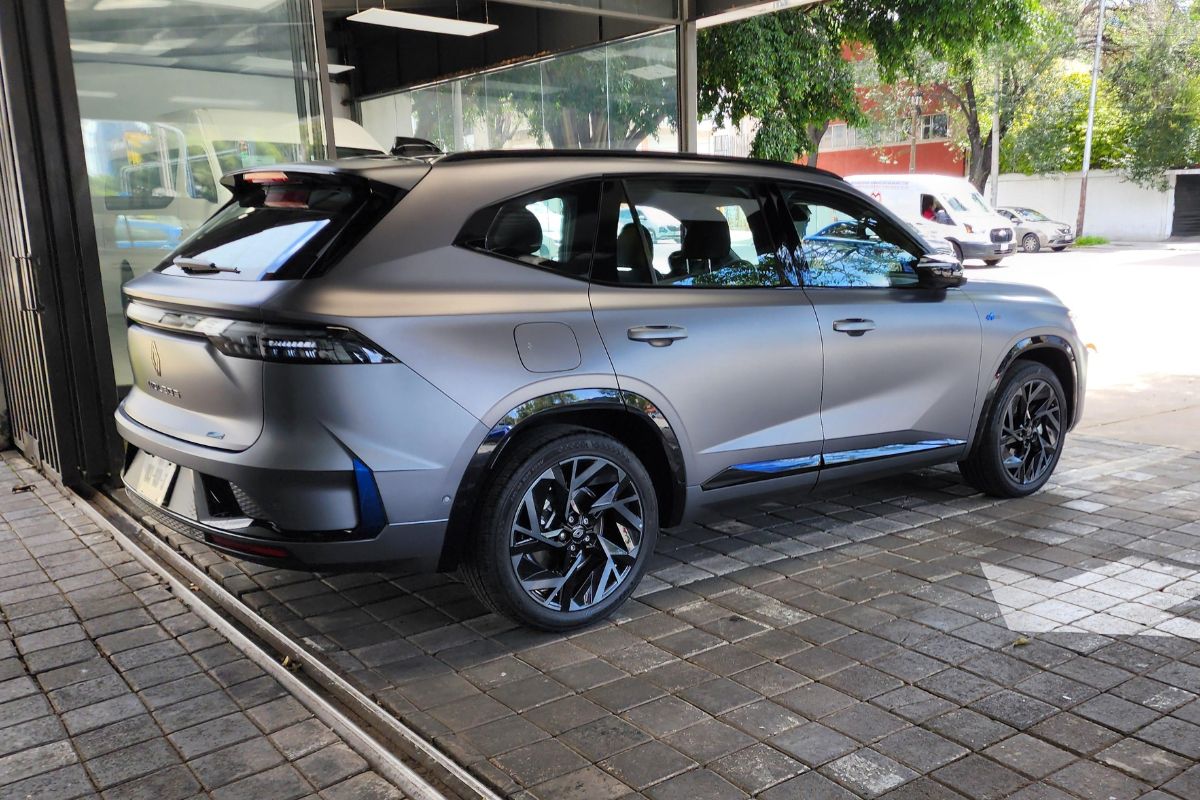

The Toyota Corolla Hybrid maintains its lead in the hybrid segment with a consumption above 20 km/l, establishing itself as a reference.
Meanwhile, Renault bets on the Kwid E-Tech, an affordable electric car that is gaining traction in Brazilian cities.
The Chinese BYD reinforces its presence with the Dolphin, an electric vehicle with extended range, while the Chevrolet Onix Plus and Fiat Argo 1.0 prove that there is still room for extremely economical combustion cars.
Each brand is betting on a distinct strategy, but the common point is the pursuit of efficiency above the symbolic mark of 20 km/l.
What Do These Models Really Deliver?
The consumption data is impressive.
The Corolla Hybrid combines electric and gasoline engines to exceed 20 km/l, especially on urban routes.
The BYD Dolphin uses state-of-the-art batteries that offer electric equivalence at the same level.
The Renault Kwid E-Tech ensures energy efficiency that reduces charging and maintenance costs.
Meanwhile, the Chevrolet Onix Plus reaches averages above 20 km/l on highways, and the Fiat Argo 1.0 stands out for its mechanical simplicity combined with extreme economy.
These numbers prove that energy efficiency has moved from being a promise to a market requirement.
Where Is This Impact Most Visible in Brazil?
In major urban centers like São Paulo, Belo Horizonte, and Recife, the cars that challenge gas stations already provide relief in the daily lives of drivers.
The reduced consumption decreases the dependence on frequent refuels while also lowering emissions in highly polluted areas.
In rural areas and on long-distance routes, models like the Onix Plus and the Argo become allies for drivers covering many kilometers daily.
Meanwhile, hybrids and electric vehicles consolidate their presence in regions where charging and maintenance infrastructure are more advanced.
Why Is This Movement So Relevant?
The consolidation of vehicles with over 20 km/l efficiency redefines the standard of the automotive industry.
The cars that challenge gas stations represent savings for consumers, a competitive advantage for brands, and a direct response to global sustainability pressure.
They reinforce strategic trends: the Chinese rise in the electric sector with BYD, the Japanese leadership in hybrids with Toyota, the French commitment of Renault to accessibility, and the survival of combustion compacts with traditional brands like Chevrolet and Fiat.
For experts, yes.
Although some have a higher starting price, the return comes in fuel savings, reduced maintenance, and technological appreciation.
The mark of 20 km/l serves as a watershed: those who adopt this standard position themselves for the future of mobility in Brazil.
And you, do you believe that cars that challenge gas stations will become the majority on Brazilian streets? Are you thinking about replacing yours with a more economical model? Share your thoughts in the comments — we want to hear your practical experience.










-

-

-

-

-

-

25 pessoas reagiram a isso.