





 Portuguese
  English
  Spanish
  3 min of reading
  0 comments


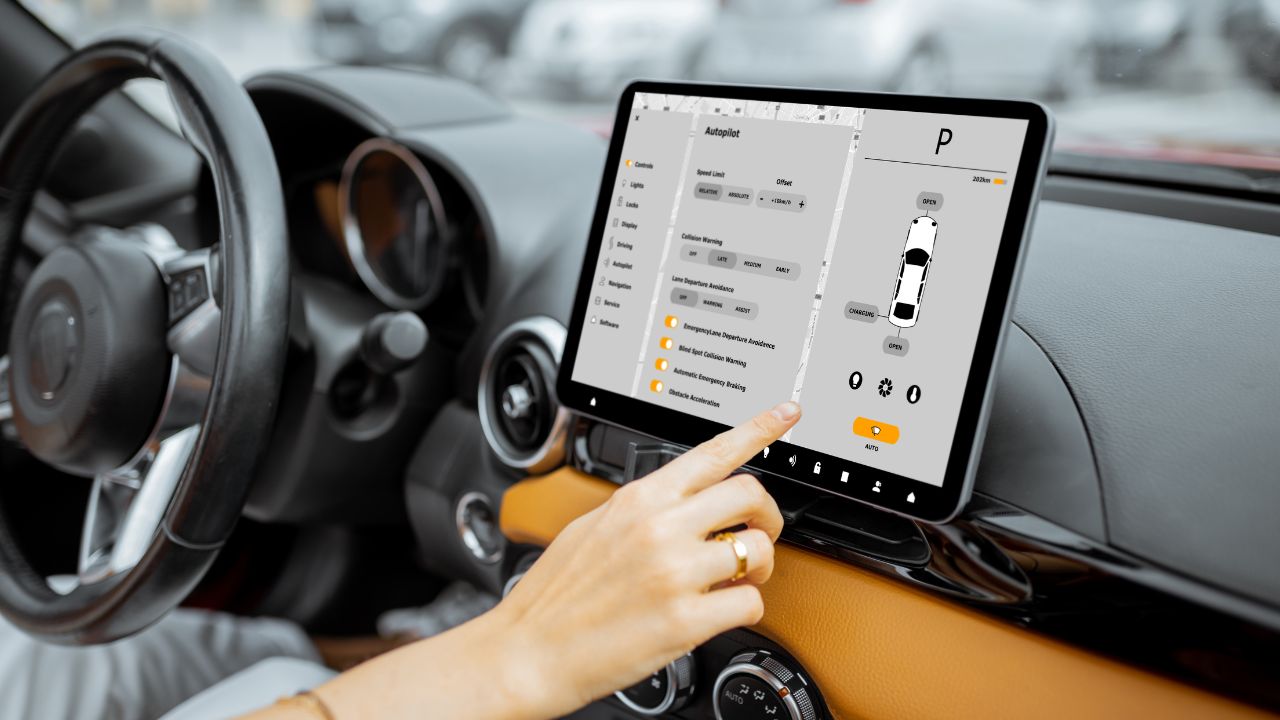
Euro NCAP Will Require the Return of Physical Buttons in Cars Starting in 2026. Understand Why This Change May Affect Vehicle Safety Ratings and Automaker Design.
The requirement for the return of physical buttons for basic functions in vehicles was announced by the European organization Euro NCAP as part of its new safety policy, which will largely come into effect starting in January 2026.
Due to this change, vehicle manufacturers that do not include physical controls for items such as turn signals, hazard lights, horn, windshield wipers, and emergency call (eCall) may see their safety stars reduced.
The move comes in Europe, where the trend of replacing buttons with touch screens has been heavily criticized for promoting distraction while driving.
-
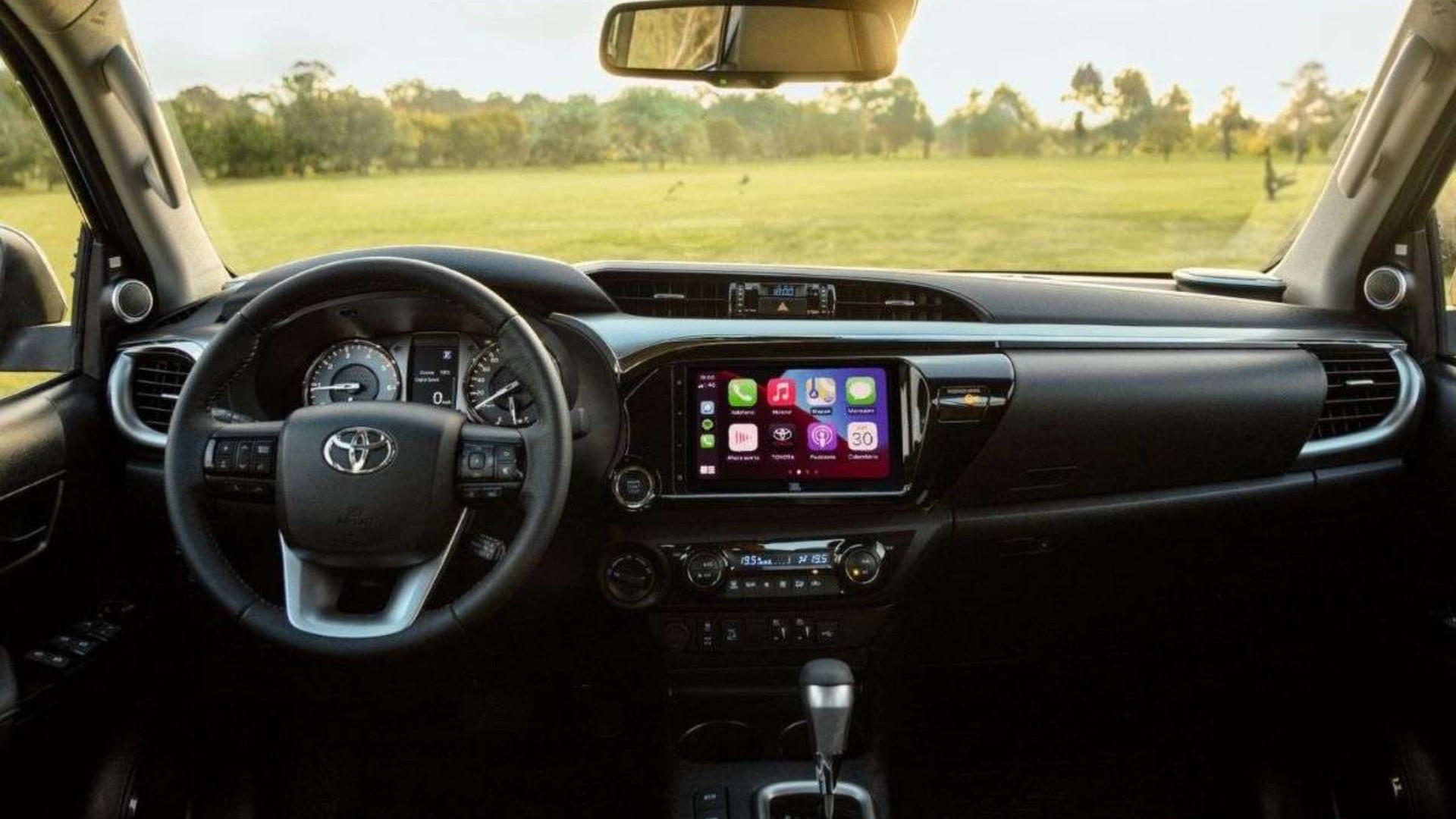
The Toyota Hilux is R$ 75.5 thousand cheaper and bets on the 2.8 turbodiesel engine with up to 204 hp and 50.9 kgfm to catch up with the VW Saveiro, which leads with 4,472 sales.
-
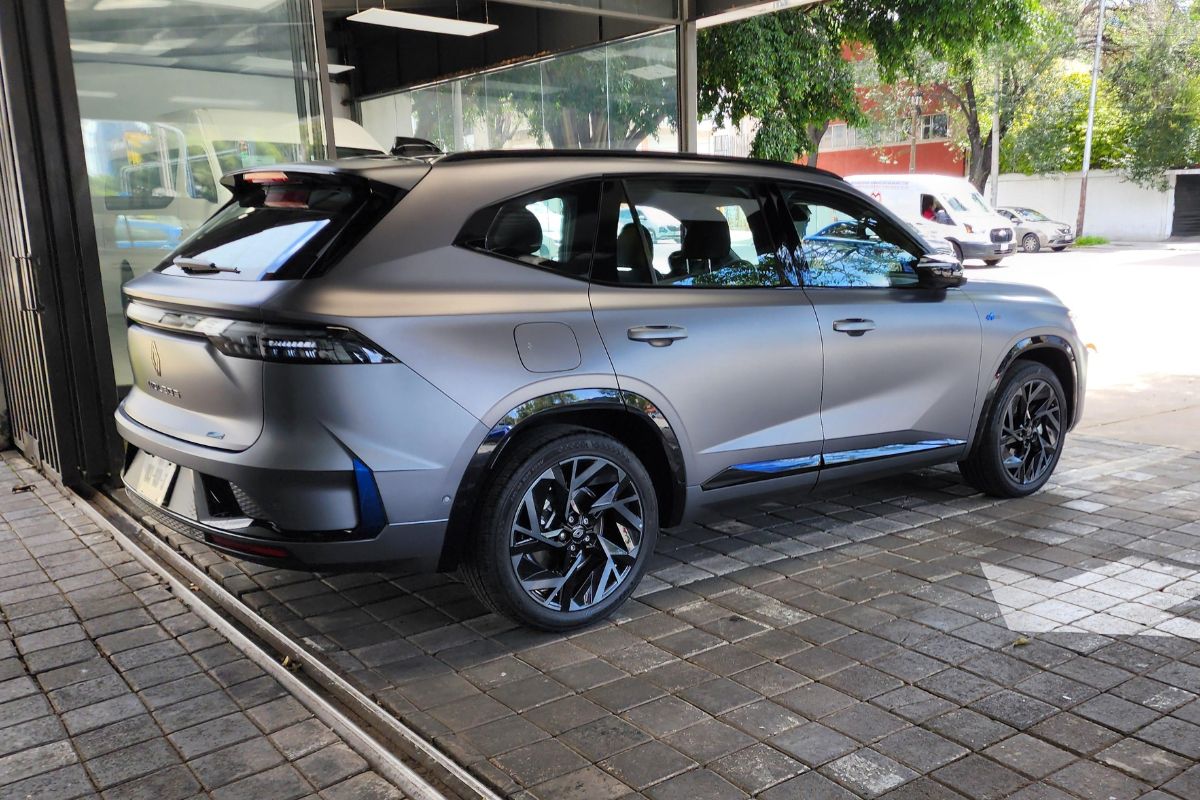
The new Renault Koleos has a screen exclusively for the passenger that is invisible to the driver, heated rear seats, and 29 assistance systems, but its Chinese competitors cost R$ 40,000 less and deliver more power.
-
The car stored for 38 years: when opening the barn door, what appears is breathtaking and looks like a scene from a movie!

-
Fiat works miracles in the Brazilian market, lowers the price of its 0 km hatch to R$ 69,990, reestablishes the model as the cheapest car in the country, and reignites the battle against Kwid and C3.

Why Are Physical Buttons Making a Comeback?
In recent years, many vehicles have started to adopt panels with only touch screens in place of traditional controls.
However, Euro NCAP concluded that the absence of physical buttons compromises safety, as “The excessive use of touchscreens is a problem for the entire industry, with almost all vehicle manufacturers transferring key controls to central touchscreens, forcing drivers to divert their eyes from the road and increasing the risk of distraction-related accidents.”
Thus, the institution decided to tighten the rules to reduce distractions and improve the usability of the most used functions while driving.
How the New Rule on Physical Buttons Will Be Implemented
Starting in January 2026, according to a statement from Euro NCAP, vehicles will have to provide physical controls — buttons, levers, or switches — for at least five functions deemed essential:
Turn Signals, Hazard Lights, Horn, Windshield Wipers, and eCall (Emergency Call) Function.
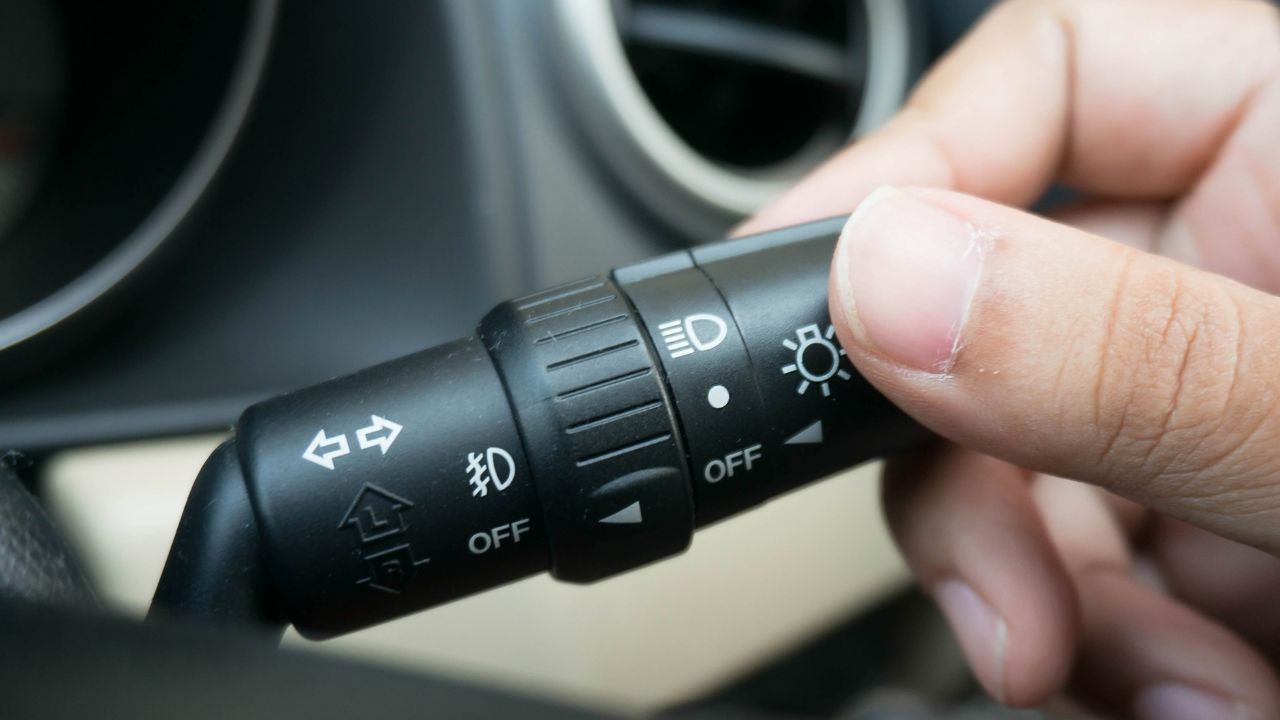
Models that ignore these requirements may have their maximum five-star rating compromised, which will impact their safety reputation in the market.
Impacts for Manufacturers and Drivers
For manufacturers, this return of physical buttons presents a challenge in automotive interior design.
Many automakers centered their panels around touch screens for aesthetic and cost-saving reasons.
Now, brands like Volkswagen and Renault have already announced revisions to future releases to reintroduce physical controls.
From a driver’s perspective, the consolidation of physical buttons offers easier operation — without diverting attention from the road — and a more intuitive experience in critical situations.
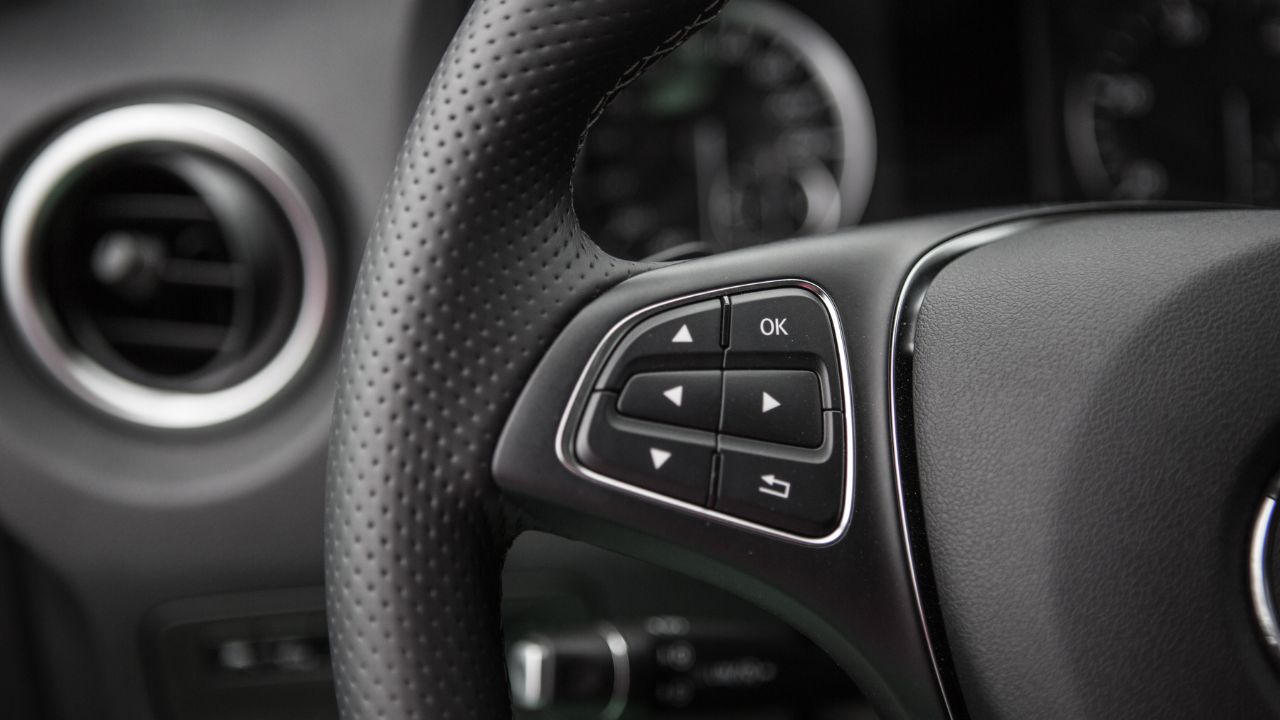
If you are considering buying a new vehicle — or changing models — it is worth checking if the car has physical buttons for basic commands.
Additionally, drivers accustomed to physical buttons point out that locating controls by touch or menus on the panel requires more attention, which can increase reaction time in emergencies.
The Future of Physical Buttons and Automotive Safety
This new guideline confirms that automotive design is not just about aesthetics or technology — usability and human behavior also matter.
Thus, physical buttons gain new relevance in the safety equation.
On the other hand, the transition may require adjustments from manufacturers and consumers so that driving remains practical, connected, and, above all, safe.
The requirement for the return of physical buttons in vehicles starting in 2026 marks a turning point in the vehicle safety sector.
With stricter Euro NCAP rules, the focus shifts back to intuitive operation and reducing distractions while driving.








Seja o primeiro a reagir!