





 English
  Francês
  Alemão
  Italiano
  Japonês
  Norueguês
  Portuguese
  Spanish
  3 min of reading


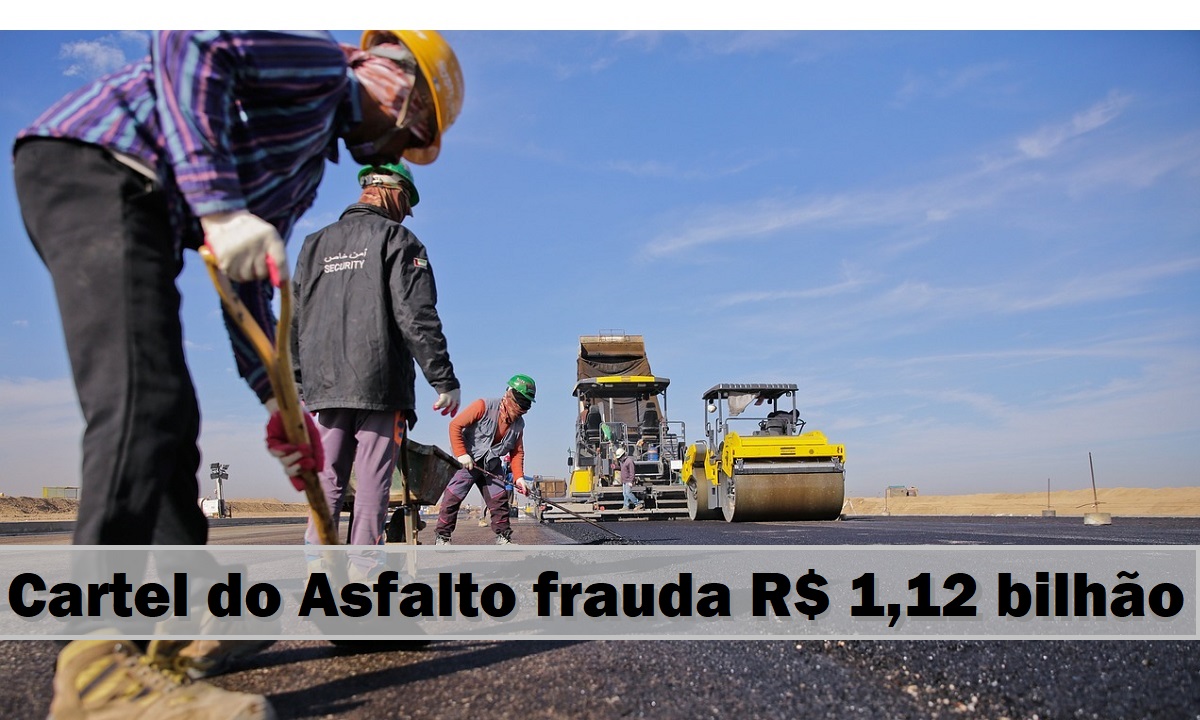
According to the TCU, There Are Indications of Fraud in Paving Companies in Bids That Took Place Between 2019 and 2021
According to the Audit of the Federal Court of Accounts, TCU, there are indications that a supposed cartel among paving companies defrauded at least R$ 1.127 billion in bids from the Company for the Development of the São Francisco and Parnaíba Valleys (Codevasf), during the current government, in the years 2019 and 2021.
The examination conducted by TCU also indicated the formation of a “partnership” among cartel participants in bids that occurred between the years of 2019 and 2021. According to TCU, the possible frauds involve the preparation of fictitious proposals, the suppression of proposals, and the rotation among the companies involved. Such organization occurs both at Codevasf’s headquarters in Brasília and at regional superintendencies.
The audit was inspected by TCU at the last session, and the rapporteur of the process, Minister Jorge Oliveira, acknowledged the indications of collusion formation but stated that it is still not possible to prove the existence of fraud in all analyzed documents. Thus, the minister denied the granting of an injunction to prohibit Codevasf from entering into new contracts related to the bids under suspicion.
-
Chinese giant worth nearly R$ 4 billion that manufactures cables for electric cars, solar energy, and robotics wants to open a factory in SC.

-
Many employers do not know, but the law guarantees domestic workers a 25% increase in salary during trips, 50% for overtime, 20% for night shifts, and 17 additional benefits that can lead to labor lawsuits if not paid.

-
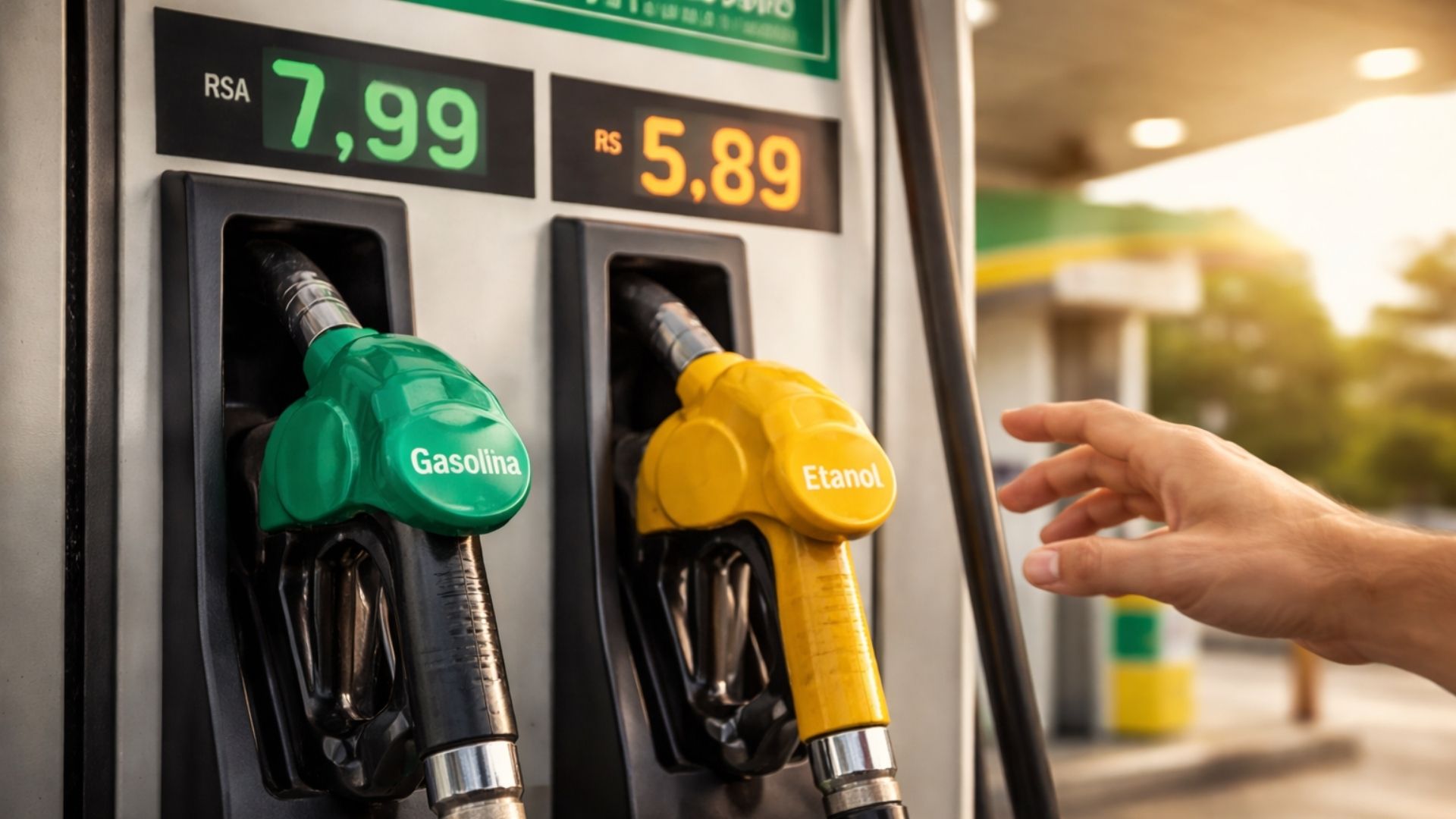
Gasoline prices soar and the question arises: is ethanol more advantageous? The 70% rule reveals the limit with gasoline.
-
The government has made a decision and is starting a test with more ethanol in gasoline, anticipating a mixture of up to 35%, diesel with 25% biodiesel, and a study to assess the impacts on engines.




Minister Who Analyzed Collusion Was Appointed by the Current President
Appointed by the current president, Minister Jorge Oliveira went against the understanding of the technical area that inspected the facts regarding the possible fraud. According to the court’s technicians, there is also the participation of bidders without experience in the type of works contracted, unable to prove the required technical qualification in the notices, without the minimum financial capacity required in the notice, and also companies that submitted bids for works over 2,000 km from their addresses and did not submit bids in similar auctions in their own state. Finally, there are also bidders with an employee count incompatible with executing the object of the bidding.
Of two of the four companies suspected of being part of the scheme, they present social capital lower than 5% of the total contracted, and a third presents social capital close to 10%.
Codevasf’s Version
In a statement, Codevasf claims that the process initiated by TCU is investigating a possible fraud, having nothing to do with the issue but rather with the suspicious companies. It also states that those responsible for the investigation are the oversight bodies and that TCU may, at the end of the process, hold the cited companies accountable or not, and that the purchases made by Codevasf are all carried out in accordance with applicable regulations, “the safest and most transparent way to conduct an electronic auction at the lowest price,” according to Codevasf. Finally, it further declares that it has a solid governance structure and greatly collaborates with the work of oversight bodies, expressing its desire to learn more about the facts.








Seja o primeiro a reagir!