





 Portuguese
  English
  Spanish
  4 min of reading
  0 comments


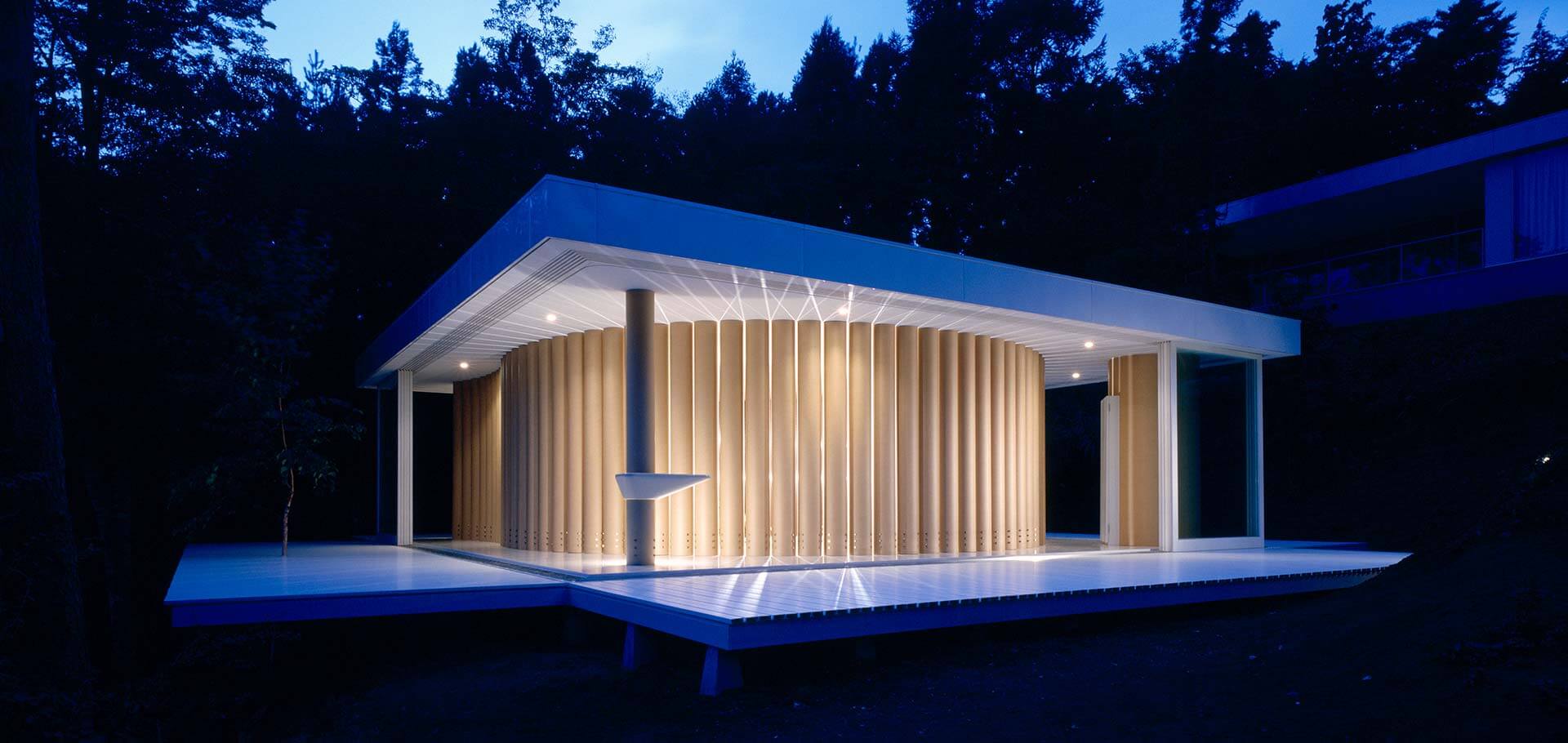
House in Japan Uses Structural Cardboard Tubes as Beams and Columns, Reduces Concrete, and Proves Treated Paper Can Function as Structure.
Paper House: In construction, few materials carry as much distrust as paper. It tears, gets wet, creases, and degrades easily. Still, a real, habitable, and functional project has shown that, when properly treated and sized, paper can take on complete structural functions, replacing concrete, steel, and wood in critical parts of the building. This experience did not occur in a laboratory or temporary pavilion. It was applied in a real house, built for continuous human use.
The Project Behind the Idea: Shigeru Ban and the Paper House
The construction became known as Paper House, designed by Japanese architect Shigeru Ban, winner of the Pritzker Prize. The project was executed in Japan as part of a line of architectural experimentation focused on alternative materials, low environmental impact, and rapid construction.

Shigeru Ban did not create the concept merely as an aesthetic provocation. His goal was to test, at real scale, whether cardboard tubes could function as beams, columns, and load-bearing elements, and not just as finishing.
-
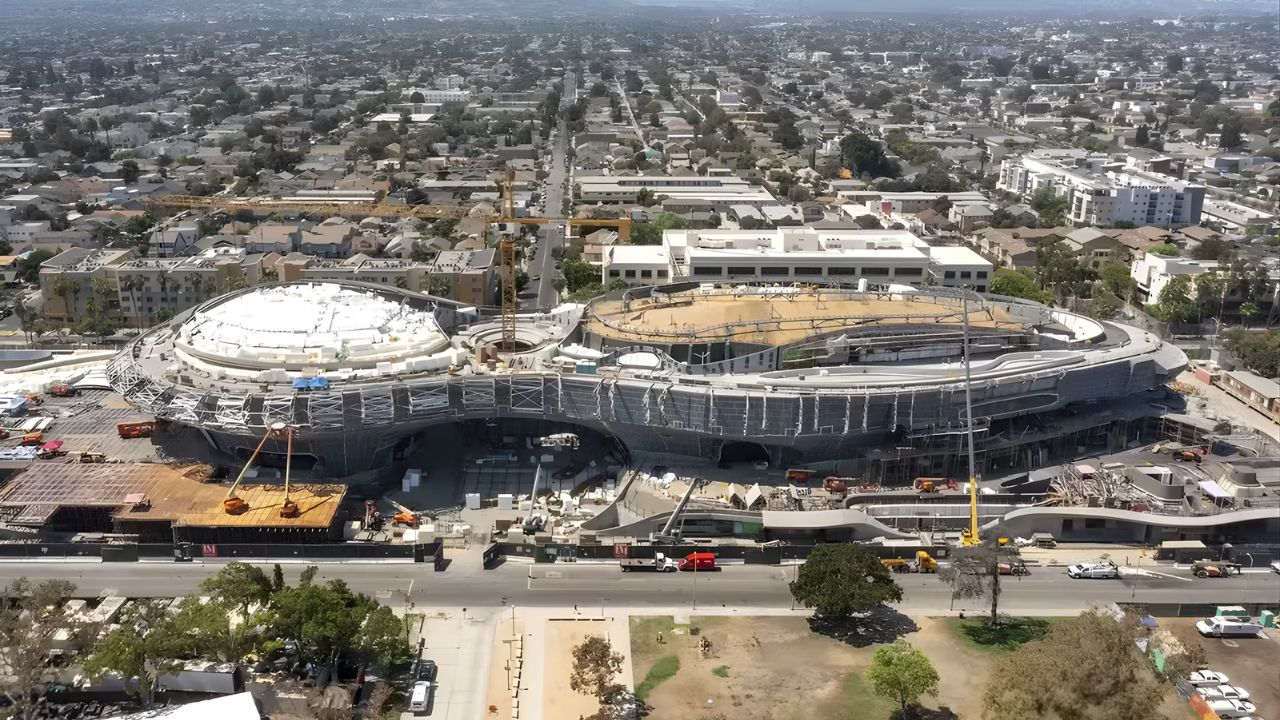
Created by George Lucas with over $1 billion, a futuristic museum in the shape of a spaceship with 1,500 curved panels is about to open in Los Angeles and will house one of the largest private collections of narrative art in the world.
-
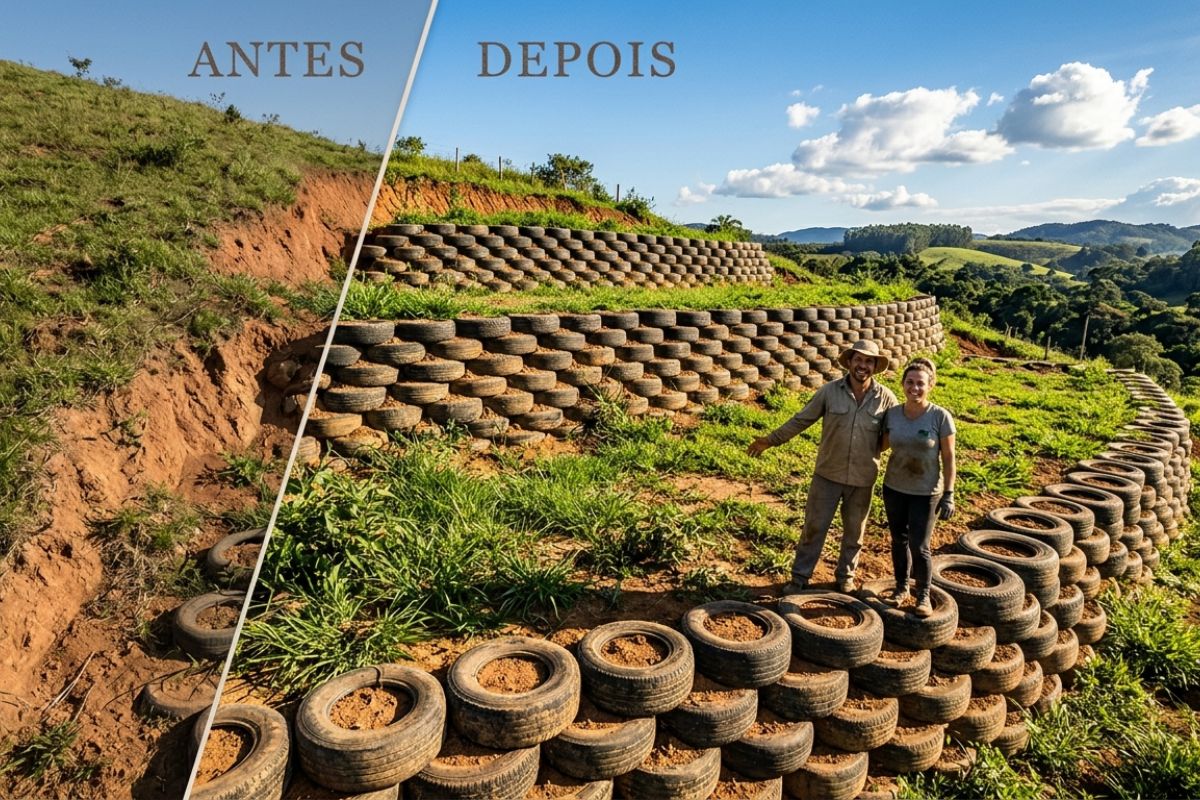
Couple shows how they built a retaining wall on their property using 400 old tires: sloped land turned into plateaus, tires are aligned, filled, and compacted with layers of soil, with grass helping in support and at almost zero cost.
-
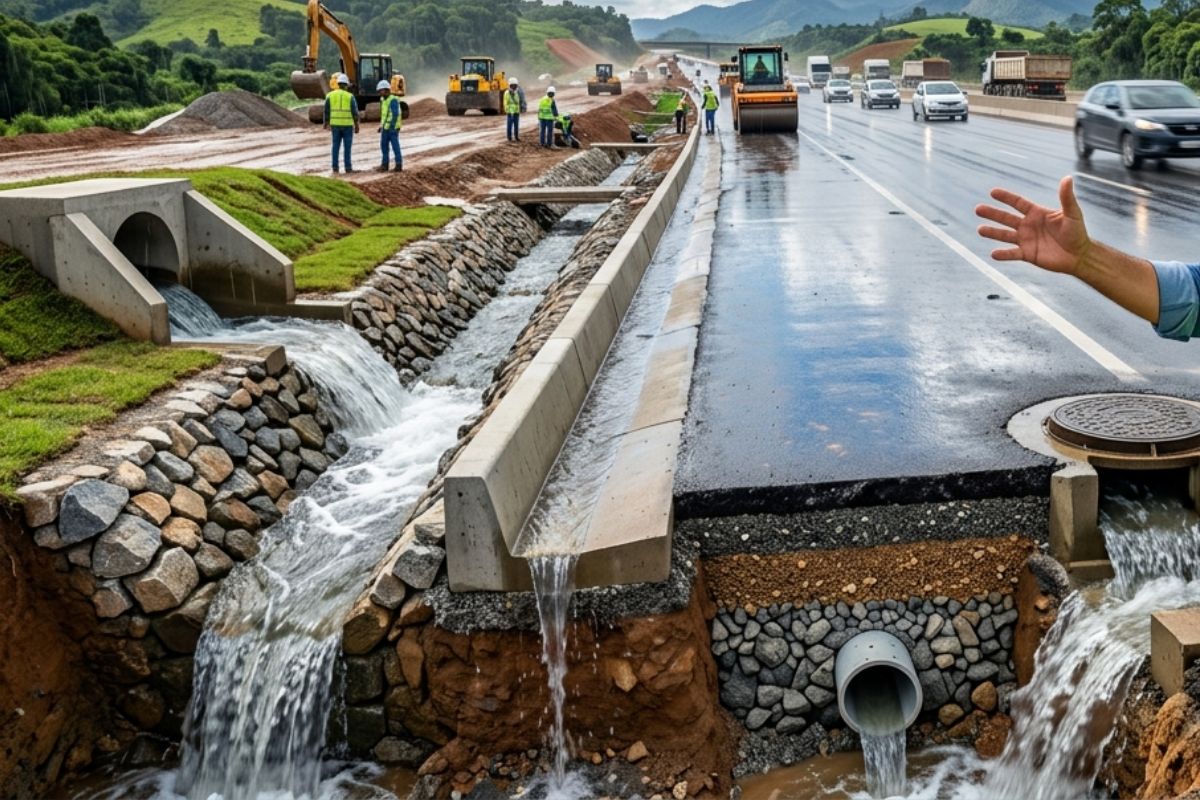
Engineer explains drainage during the rainy season: the difference between surface water and deep water, ditches, gutters, and water outlets on the road, as well as drains and drainage mattresses, to prevent erosion, aquaplaning, and flooding at the construction site today.
-
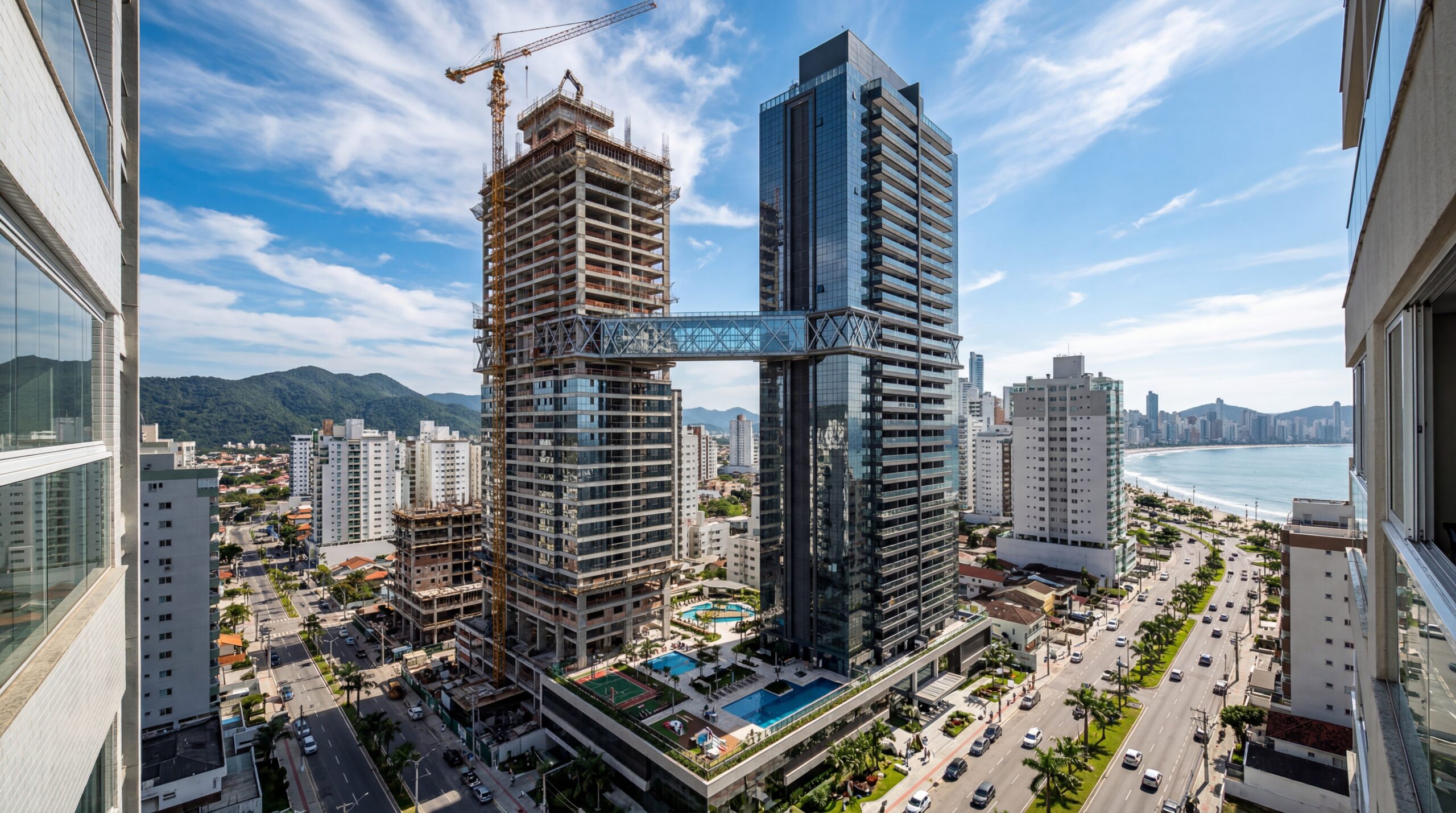
With 55 floors, 177 meters in height, a 15-meter walkway between the twin towers, ventilated facade, and 6,300 m² of leisure space, Ápice Towers already has one tower completed and another nearly at the top.

The Key Material: Structural Cardboard Tubes
The heart of the construction lies in industrial cardboard tubes, similar to those used as cores in rolls of paper or fabric, but manufactured with multiple layers of pressed paper, bonded with specific resins and subjected to strict density control.


These tubes feature:
- high resistance to axial compression,
- good structural performance when working together,
- extremely low weight compared to concrete and wood.
Before being used in construction, the tubes undergo treatment against moisture, fire, and pests, eliminating the main weak points associated with common paper.
How the House Was Structured Without Conventional Concrete
In the Paper House, cardboard tubes replace beams and columns, forming a structural grid capable of supporting the roof and enclosure.
Loads are distributed vertically by the tubes, which primarily work in compression — exactly where the material performs best.

The use of concrete is reduced to the minimum necessary, usually limited to simple foundations, while the rest of the structure relies on the paper elements.
This logic drastically reduces:
- the total weight of the building,
- the volume of concrete and steel used,
- the environmental impact of the construction.
Resistance to Wind, Rain, and Everyday Use
One of the main tests of the project was exposure to the elements. The house was designed to withstand wind, rain, and temperature variations, something fundamental in Japan, where weather events are frequent.
The performance was positive because the cardboard does not work alone. It is protected by layers of coating and construction detailing that prevent direct contact with water, while allowing for simple maintenance.

The result is a stable, functional structure that is safe for human occupation.
Why This Doesn’t Collapse: Engineering, Not Improvisation
The success of the Paper House lies not in the material itself, but in the correct structural sizing. The tubes are used within well-defined load limits, with calculated spacings and structural redundancy.
Moreover, the construction system works with the concept of light structure, where weight reduction drastically decreases the forces involved. Less weight means less effort on the foundations and lower structural risk.
It is not about replacing concrete in any situation, but about using another material where it makes sense.
Applications Beyond the House: Emergency Housing and Sustainability
The experience of the Paper House served as a basis for larger projects. Shigeru Ban applied the same structural tubes in emergency shelters, temporary schools, and rapid constructions in areas affected by natural disasters.
In these scenarios, structural cardboard offers clear advantages:
- quick assembly,
- low cost,
- ease of transport,
- possibility of recycling.
An Experiment That Became a Reference in Civil Construction
Although still a niche solution, the Paper House proved something essential: materials considered weak can become structural when treated and designed correctly. This opened the door for new research into lightweight, sustainable, and modular construction.
The house does not replace traditional methods but questions the idea that only concrete, steel, and wood can support a building.
The Paper House is not just an architectural curiosity. It is a real example of how engineering can redefine the role of materials, reducing environmental impact and exploring solutions that seemed impossible.
In the end, the house built with cardboard tubes does not prove that “anything can be used for construction,” but rather that the limit lies in the design, not the material.









Seja o primeiro a reagir!