





 Portuguese
  English
  Spanish
  5 min of reading
  8 comments


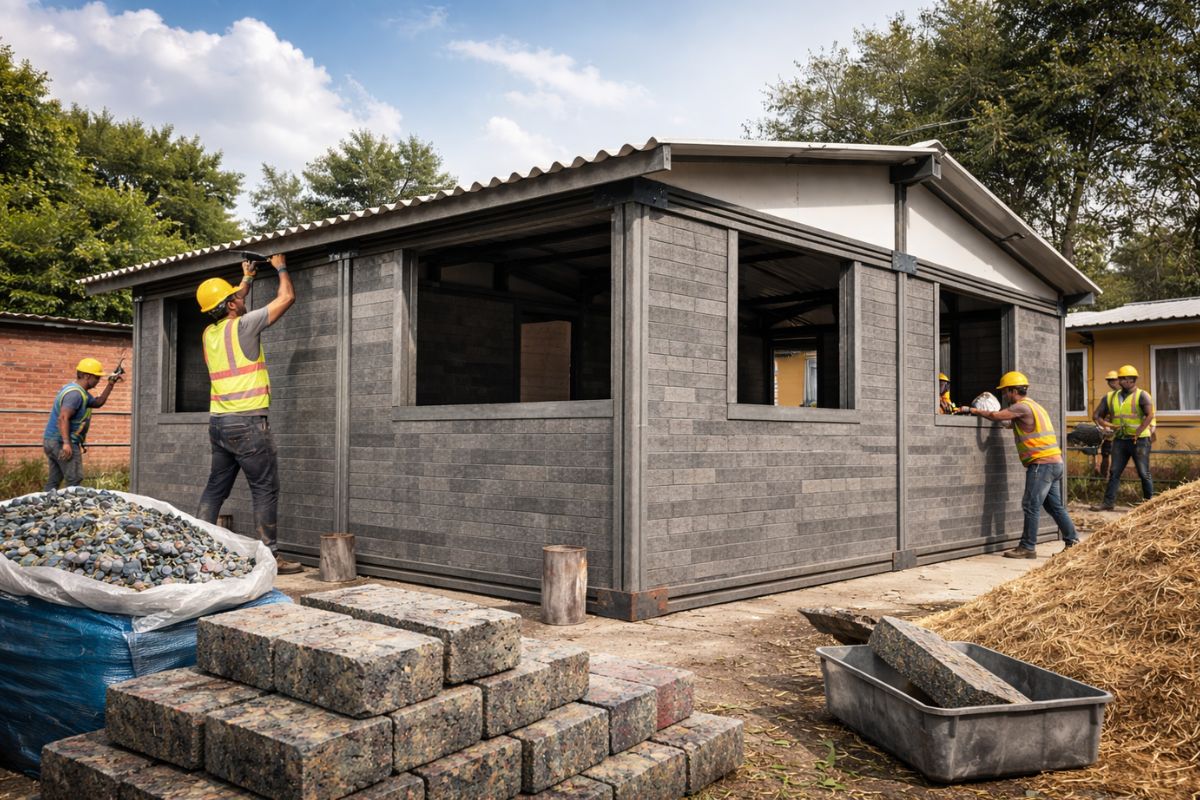


In Cundinamarca, Conceptos Plásticos, created in 2011 by Fernando Llanos and Óscar Méndez, patented recycled plastic bricks and interlocking pillars; with extrusion, each piece weighs 3 kg. A 40 m² house cost 20 million pesos and was assembled by four people in five days in Colombia.
The recycled plastic bricks made their debut in Colombia as a response to a simple yet costly problem: transporting materials from Bogotá to a construction site in Cundinamarca can be challenging when logistics become the main obstacle. It was in this context that Fernando Llanos began experimenting, facing trials and errors, and found in architect Óscar Méndez someone who was researching the same path.
The practical result was a patented interlocking system, with pieces that fit together under pressure, capable of erecting houses of up to two stories in five days. The proposal is not “magic”: it is process engineering aimed at reducing masonry steps and accelerating emergency shelters and housing without relying on the traditional pace of construction.
From The Difficulty of Transporting Material to The Patented System

The story begins with a common friction in construction: the cost and complexity of transporting materials.
-
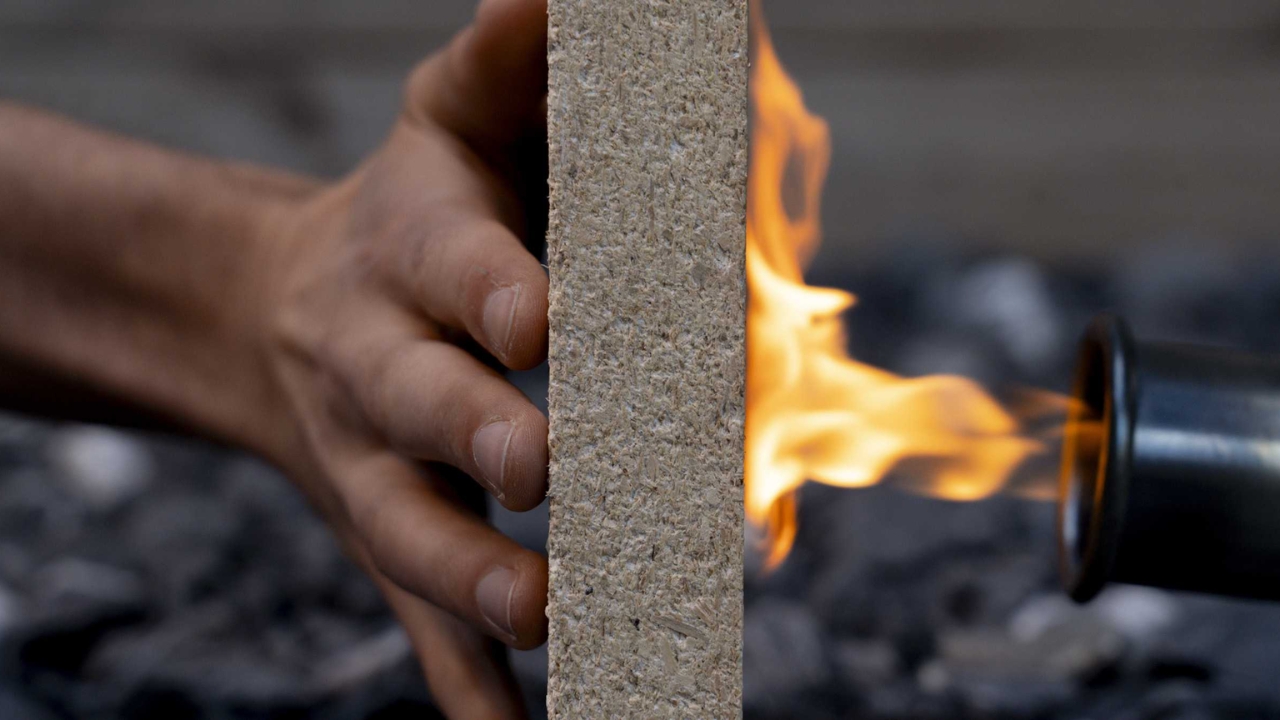
Scientists transform sawdust into fire-resistant panels, stabilize the compound with an enzyme extracted from watermelon seeds, and turn waste into promising material for construction.
-
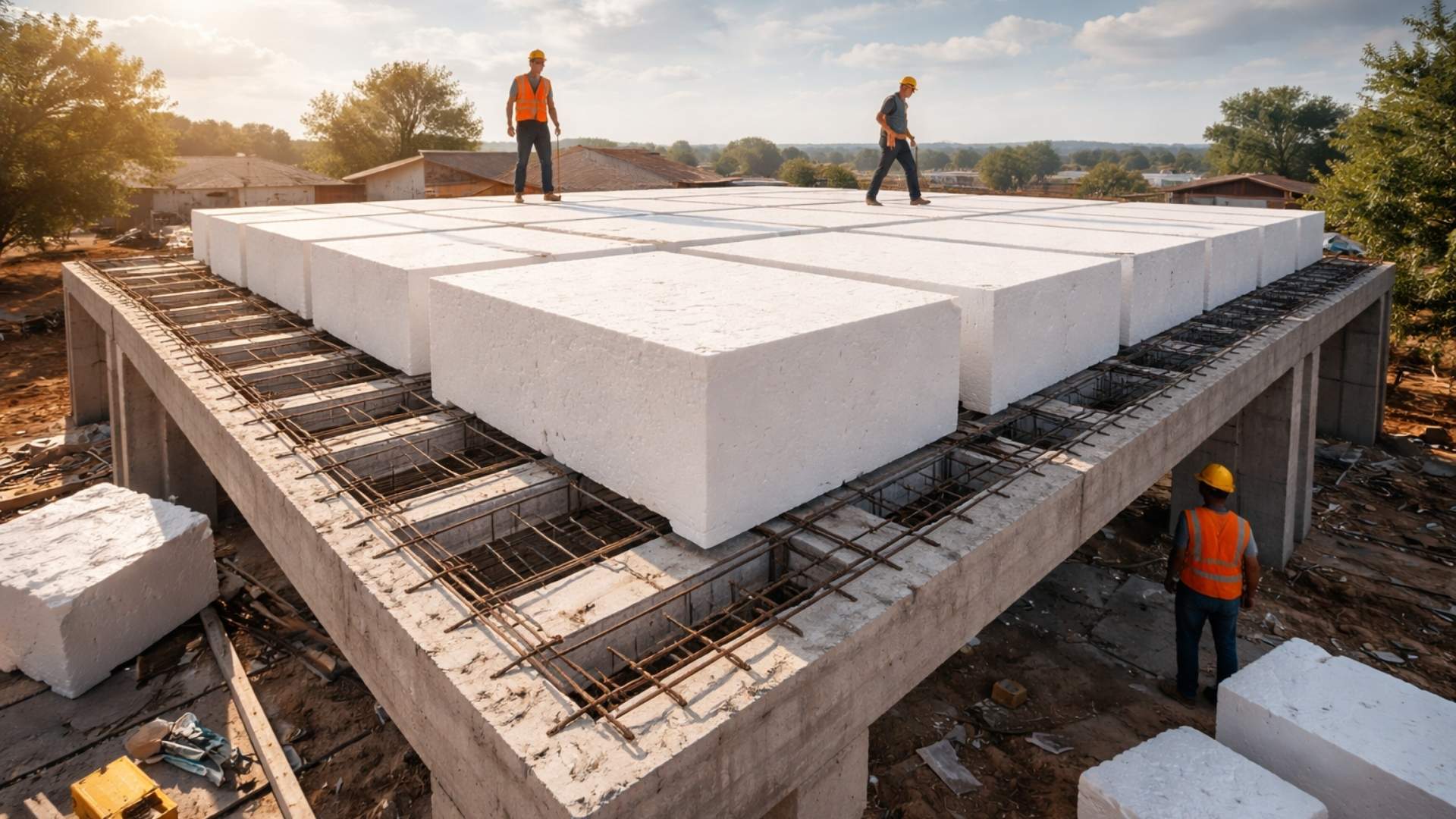
Forget concrete: architects are replacing tons of concrete with giant blocks of expanded polystyrene to build the roofs of houses and reduce structural weight by up to 50%, cut costs, improve thermal insulation, and speed up construction.
-
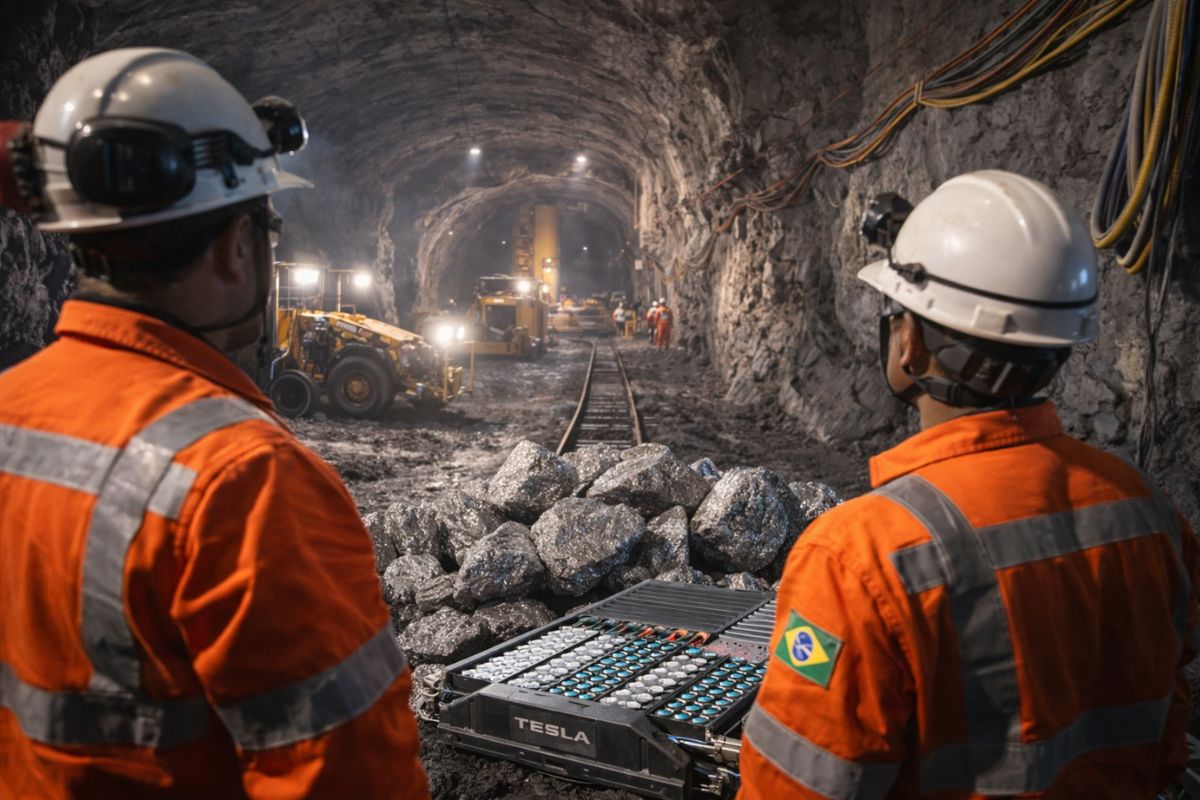
The Brazilian state enters the center of the global race for critical minerals by starting the construction of the largest underground nickel mine in Latin America, a mineral essential for electric car batteries that the entire world is competing for at this moment.
-
New CCR concrete paving technology promises roads up to 3x more durable, less maintenance, and cost reduction in Brazil.

Ten years ago, while trying to build his own house in Cundinamarca, Fernando Llanos realized that dependence on Bogotá made the project more complicated than it needed to be.
The decision to seek an alternative material came after reflection and a period of trials and errors.
When Llanos met architect Óscar Méndez, the two began to align practice and research and founded Conceptos Plásticos in 2011.
The turning point was converting improvisation into method: patenting recycled plastic bricks and interlocking pillars so that assembly would cease to be a construction site improvisation and become a reproducible system.
How Discarded Plastic Becomes A Three-Kilo Brick

The choice of discarded plastic carries an objective reason: on average, plastic takes 300 years to fully degrade.
The company avoided new plastic and took on a technical challenge: used plastic requires more experimentation, as it varies by origin, composition, and usage history, unlike raw materials with more stable parameters.
The raw material comes from recyclers and factories that discard tons of plastic daily.
In the described process, the material undergoes extrusion: the plastic is melted and poured into a final mold, forming a three-kilo brick, with dimensions similar to those of clay bricks.
The piece gains significance when it joins the assembly: recycled plastic bricks and pillars slot together like Lego pieces to quickly raise walls.
Thermal, Acoustic, And Fire Performance Under A Seismic Country

The company describes that, when assembled under pressure, the bricks insulate heat and have additives that slow down combustion.
The combination of thermal insulation and acoustic behavior is part of the technical argument: the pieces are thermoacoustic and aim to reduce discomfort in emergency shelter and housing scenarios.
There is also a critical point for Colombia: earthquake resistance.
The system is presented as meeting the standards required by the country, which faces high levels of seismic activity.
When the purpose is shelter and rapid housing, the question is not just “will it stand”, but “will it stand with technical predictability”.
The proposal tries to address this with interlocking, standardization, and resistance criteria aligned with local requirements.
Five Days, Four People, And What Goes Into The Final Cost
The most direct example of speed and cost comes from a unit built in five days with four people, using recycled plastic bricks to erect a 40-square-meter house.
The project includes two bedrooms, a living room, a dining room, a bathroom, and a kitchen.
The reported final cost is 20 million Colombian pesos, about US$ 6,800 per unit.
This figure alone does not resolve the housing discussion, but shifts the framing: it puts price and time as explicit variables, without romanticizing construction.
When the house is borne of interlocking, the bottleneck shifts from “laying bricks” to “organizing production, logistics of pieces, and team”.
Rapid construction becomes an exercise in flow, not just strength.
Guapi, 42 Families, And The Showcase For Temporary Shelter
The most socially significant test came in Guapi, in southwestern Colombia, with the construction of a set of temporary shelters for 42 families displaced by armed conflicts.
The milestone for the company was winning the tender from the Norwegian Refugee Council (NRC) and completing the project in 28 days with the collaboration of 15 people, recycling over 200 tons of plastic.
The NRC described the shelters as having a design adapted to the need for mobility and climatic conditions, in addition to a roof configuration that improves ventilation and lighting, allowing suitable conditions in a warm climate.
The community set includes electrical installations, bathrooms, and three community kitchens.
Here, recycled plastic bricks cease to be “alternative material” and become emergency infrastructure, with genuine requirements for comfort and functionality.
Scale, Small Team, And International Ambition
Even with fewer than 15 employees, the company began to target the international market.
A boost for this phase came from winning US$ 300,000 in the latest edition of The Chivas Venture, after surpassing 26 other international initiatives with social impact, with the intention of scaling production globally.
The transition from prototype to scale is the point that determines whether the model becomes a shelter policy, a market solution, or just a showcase.
If the system relies on interlocking, it depends on continuous production and constant quality of the pieces, because every failure in standardization becomes a failure in assembly.
The debate, then, shifts from the allure of speed to the engineering of repetition.
The house assembled in five days with recycled plastic bricks, coupled with the Guapi project for 42 families, illustrates why rapid construction becomes a topic of emergency housing: it is not just about “raising walls”, it is about cutting steps, organizing interlocking, reducing uncertainty, and delivering shelter with ventilation, lighting, electrical installations, and community areas in a short timeframe.
If an emergency shelter needs to be raised near where you live, what would make you trust a solution with recycled plastic bricks: earthquake resistance, fire behavior, or thermal and acoustic comfort? And, looking at your city, what construction stages do you think most hinder rapid construction when time becomes a priority?









Me parece muy interesante y más económico, teniendo un lote se puede hacer a una vivienda fácilmente
Excelente, están ayudando a reducir la contaminación ambiental y darle una segunda utilidad al plástico que cada día se acumulan en los vertederos sanitarios
Estos son los empresarios que hay que apoyar, felicitaciones 👏 por su idea, beneficio para el medio ambiente y el ser humano. 🤗