





 Portuguese
  English
  Spanish
  6 min of reading
  0 comments


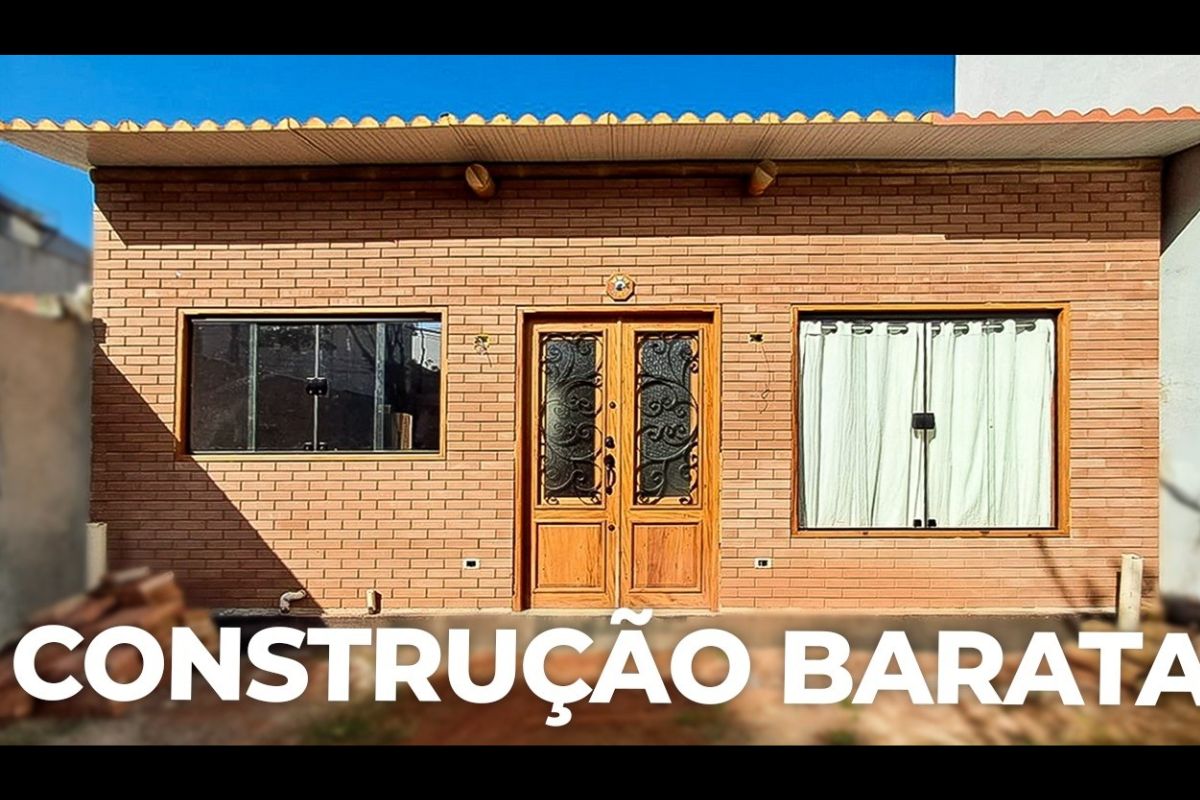
The Sustainable House Raised in São Paulo Achieved Savings Close to 60% by Combining Polished Concrete Slab, Ecological Brick, Bamboo Structure, and Solar Panels, with Accelerated Execution and Focus on Thermal Comfort and Low Impact
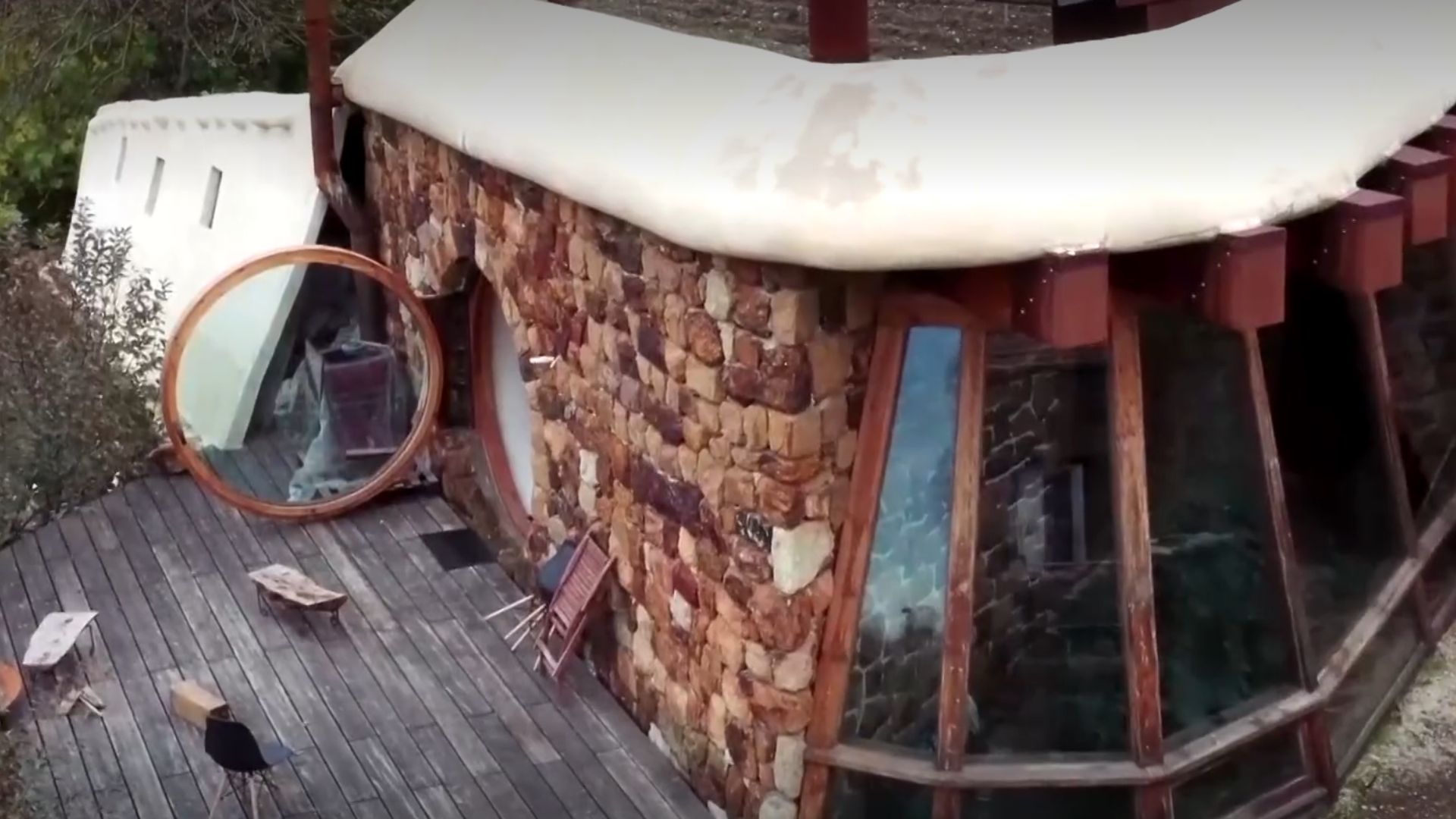
The Sustainable House of 1160 ft² built by Sabrina and Rafael in the heart of São Paulo proves that technical planning and assertive choices of construction systems cut costs without compromising performance. The conventional budget projected something around 400 thousand reais for the area. The final result came to approximately 210 thousand reais, already including indirect costs and the purchase of photovoltaic panels, which elevated the savings to levels close to 60%.
The project was designed to be quick and clean. The polished concrete slab was executed in one day, the masonry in 45 days, and the roofing in four days, shortening deadlines and site expenses. The project prioritizes thermal comfort, cross-ventilation, and controlled sunlight, keeping the house warm in the cold and cool in the heat, with continuous air circulation and openings positioned for the southeast wind.
Slab Foundation: Ready Floor and Simplified Site
The slab replaced deep foundations, excavations, and intensive use of forms, which is particularly advantageous in village lots with close neighbors. The same concrete pouring delivered foundation, subfloor, and final floor, with only polishing and controlled curing through light irrigation needed. By avoiding piles, excavations, and heavy machinery, the team reduced timeline, debris transport, and interference with adjacent properties.
-
While restoring a historic mansion from 1910, a brick structure with an old turbine that generated energy from the Rio do Testo emerged, along with a hidden door and a rare floor concealed under layers of wax.
-
Italian researchers have detected what appears to be a second Sphinx buried under the sands of Egypt, and satellite scans reveal a gigantic underground megastructure hidden beneath the Giza Plateau for over 3,000 years.

-
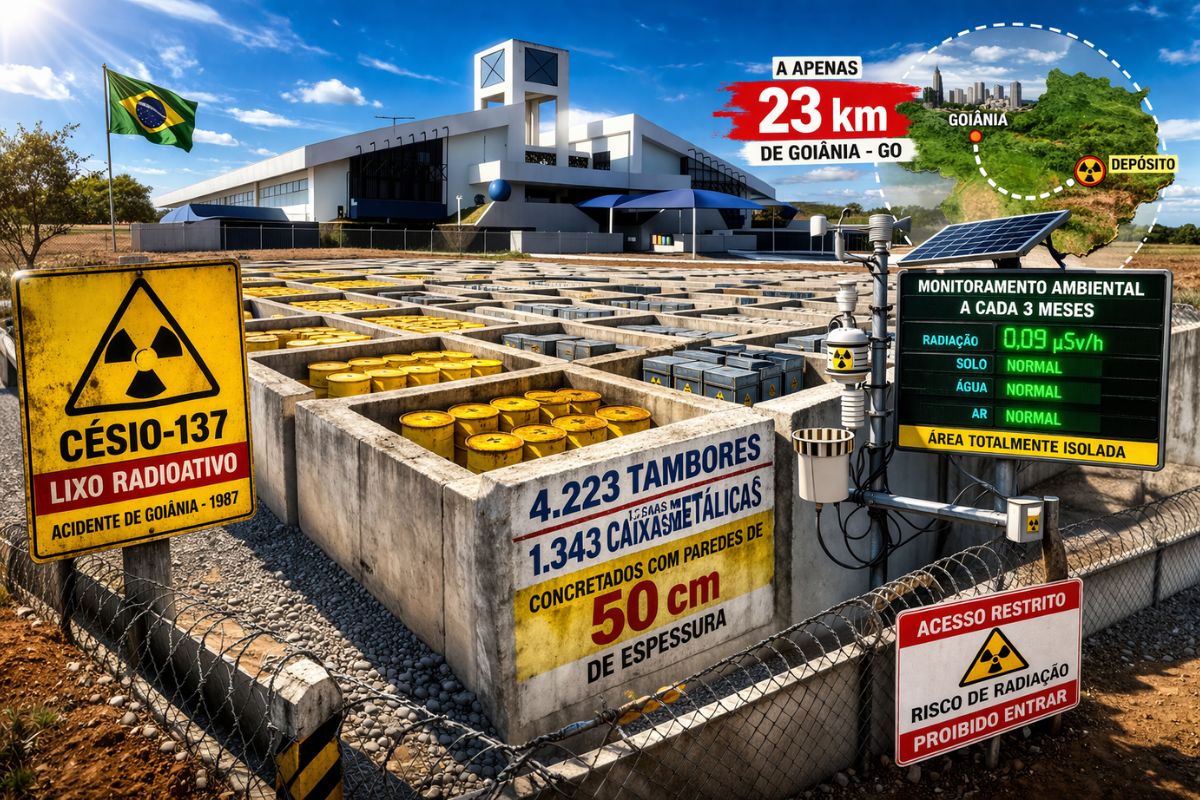
There are 4,223 drums and 1,343 metal boxes concreted with 50-centimeter walls that store the radioactive waste from Cesium-137 in the worst radiological accident in Brazil, just 23 kilometers from Goiânia, with environmental monitoring every three months.
-
Giant Roman treasure found at the bottom of Lake Neuchâtel in Switzerland reveals an advanced trade system, circulation of goods, and armed escort in the Roman Empire about two thousand years ago.


In addition to the time gain, the slab cuts expensive steps from the traditional method. Less labor, less wood, and less logistics mean fewer daily indirect costs. In urban scenarios, where every day of work counts, time savings translate directly into monetary savings.
Ecological Brick: Thermal Performance and Lower Total Cost
The ecological brick has a higher unit price than common ceramic, but the entire system is lighter on the wallet when you sum everything up.
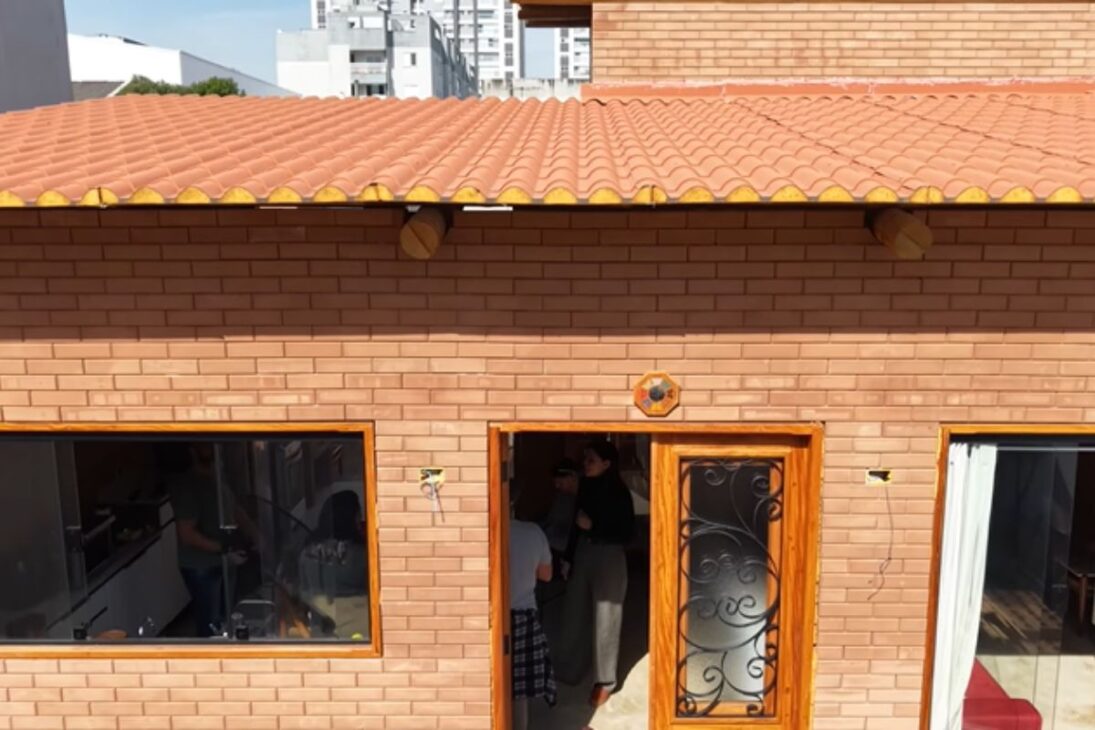
Placement without roughcast and plaster, integrated lintels, counter-lintels, and embedded conduits reduce materials, steps, and rework. The apparent finish eliminates costs of mass and painting in large internal areas.
The result is a wall that regulates humidity and temperature, ensuring sensitive comfort in daily use. No breaking for installations and simple joints applied even with a piping bag make the process educational for partial self-construction.
The final aesthetics add value with little intervention, maintaining technical and visual coherence of the set.
Bamboo Structure: Lightness, Aesthetics, and Convincing Numbers
The roofing underwent three budget scenarios: wood for around 30 thousand reais, metal for 20 thousand, and bamboo for about 10 thousand, maintaining rigidity and durability with a light and integrative design. The bamboo solution delivered the best overall cost, with agile assembly and visual impact that resonates with the house’s concept.
Bamboo also aligns with the logic of low weight in closures and the employed tiles, allowing well-distributed supports and quick execution from Tuesday to Friday.
The effect on the environment is immediate: well-modulated shade, organized free span, and architectural language that reinforces the project’s sustainable character.
Sunlight, Ventilation, and Ceiling Height: Designed Comfort
The implementation takes advantage of morning sun in the bedrooms and shading of social areas in the afternoon, which enhances garden use and reduces thermal load at the end of the day. Higher ceiling height and upper windows accelerate the exhaustion of hot air, while ventilation corridors and opposite openings maximize cross-ventilation.
The use of cobogós in technical areas and the powder room ensures permanent natural lighting and ventilation, dispensing with mechanical solutions for extended periods of the year.
The whole keeps the house airy and bright, with diffused light and ensured privacy, reducing future costs with air conditioning.
Smart Frames and Carpentry: Performance at Low Cost
The simple tempered glass frames received reclaimed wood frames, a solution that provides a fine sawmill appearance for a fraction of the price. Anti-vandal film replaced external grilles, preserving the clean look and open relationship with the garden and street.
Doors and frames were custom manufactured by local carpentry using repurposed wood. The strategy cut costs versus industrialized pieces and created identity for the set.
The low window in the living room and bedrooms ensures views of greenery while sitting or lying down, enhancing perceptive comfort with zero energy cost.
Integrated Kitchen and Unique Gourmet Area: Less Work, More Use
The house adopts one enlarged kitchen, integrated with the outdoor area, avoiding the mistake of splitting investment into “two half kitchens.” The brick stove and barbecue are close together, facilitating preparation and maintaining natural exhaust for frying and grilling.
The L-shaped layout multiplies countertops and circulation, while the three-leaf door opens 66% of the span and integrates the living room, dining room, and backyard. Fewer walls, more integration, and better exhaust result in environments that are truly utilized, reducing duplicate purchases of cabinets and equipment.
Bathrooms, Accessibility, and Rational Finishes
The bathrooms prioritize finishing only in wet areas, with large-format porcelain tile to reduce joints and maintenance. The functional sink and wide windows ensure easy hygiene and abundant lighting. Overall, it is a sincere, durable, and economical finish.
Accessibility was addressed from the project, with wide doors and comfortable circulation, considering the elderly mother living with the family. This decision avoids future renovations and adds immediate value of use, maintaining coherence of the house proposal for a lifetime.
Deadlines, Team, and Indirect Costs Under Control
The construction cadence was direct: 1 day for the slab, 45 days to raise the walls, and 4 days for the roofing. The central team, with one builder and one assistant plus occasional reinforcements in the grouts, reduced daily costs and logistical complexity, sensitive points in the real budget.
By shortening the schedule, the family moved out of rent sooner and decreased expenses with transportation, meals, and material storage. In urban construction, time is a financial variable. Each saved day returns cash and enables improvements, such as early purchase of solar panels.
Doors Open to the Garden: Environmental Comfort and Natural Surveillance
The narrow lot, with 26 feet of frontage, was converted into an advantage with openings to the garden and ventilation corridors, keeping the house illuminated from end to end. The active backyard fulfills a microclimatic and social role, extending the living room outside.
The presence of close neighbors and active facades creates a natural surveillance of the surroundings. With reinforced film on the frames and low gates in the neighborhood, the house maintains transparency, use of the sidewalk, and a sense of belonging, avoiding more expensive and heavy defensive solutions.
What Explains the Savings Close to 60%
The difference did not come from a single item, but from a coherent package. The slab cut steps and wood. The ecological brick eliminated roughcast, plaster, and part of the painting.
The bamboo structure cost a third of the estimated wood. Simple frames with reclaimed carpentry delivered high-end aesthetics at popular prices.
Add to this the short schedule, the reduction of indirect costs, and the early purchase of photovoltaic panels without inflating the total.
The final result dropped to about 210 thousand reais against a conventional scenario of 400 thousand, already living in the finished house before and enjoying thermal comfort from day one.
Among the solutions of this Sustainable House, which one convinced you the most to apply to your project now: slab that becomes a floor, apparent ecological brick, bamboo structure, or total integration with the garden?








-

-

-

3 pessoas reagiram a isso.