





 Portuguese
  English
  Spanish
  4 min of reading
  3 comments


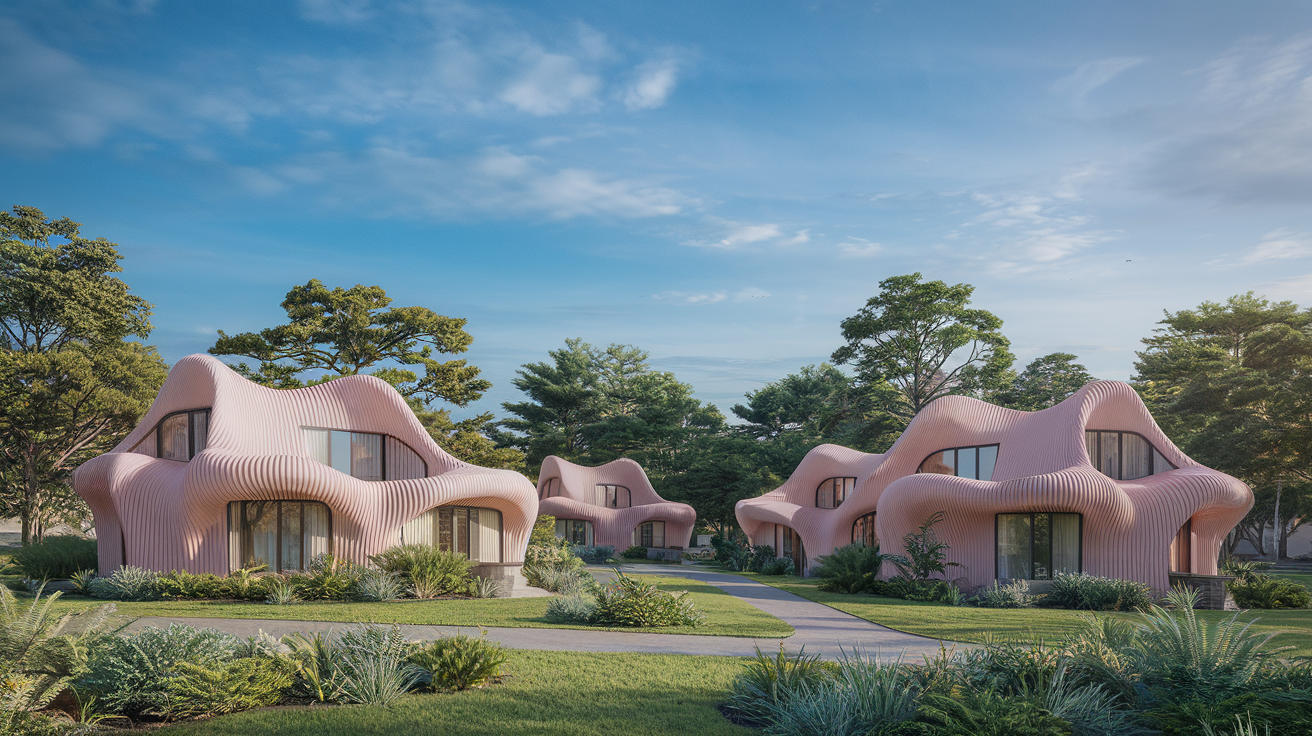


In The US, A Neighborhood Made With 3D Printing Promises To Transform The Lives Of 1,800 Homeless People. Discover How This Technology Is Revolutionizing The Future Of Housing!
Neighborhood Made With 3D Printing: Have you ever imagined living in a house built by a 3D printer? Well, this is becoming a reality in the US, where the city of Austin, Texas, has been chosen to house the first community made with 3D printing technology to assist homeless people. The innovative project is led by the company ICON, a global reference in advanced construction, in partnership with the Lennar Foundation and the Christian ministry Mobile Loaves & Fishes.
This movement is changing not only the way we build but also how we tackle social issues like homelessness. The idea is simple: use technology to provide dignified, fast, and affordable housing for those who need it most.
How Does The 3D Printed Neighborhood Work In The US?
The project, named Community First! Village, plans to build 100 houses made with 3D printing. Each one is being constructed with the help of the Vulcan printer, developed by ICON, which uses a special high-strength concrete. This material is applied in layers, quickly and efficiently forming the basic structure of the houses.
-
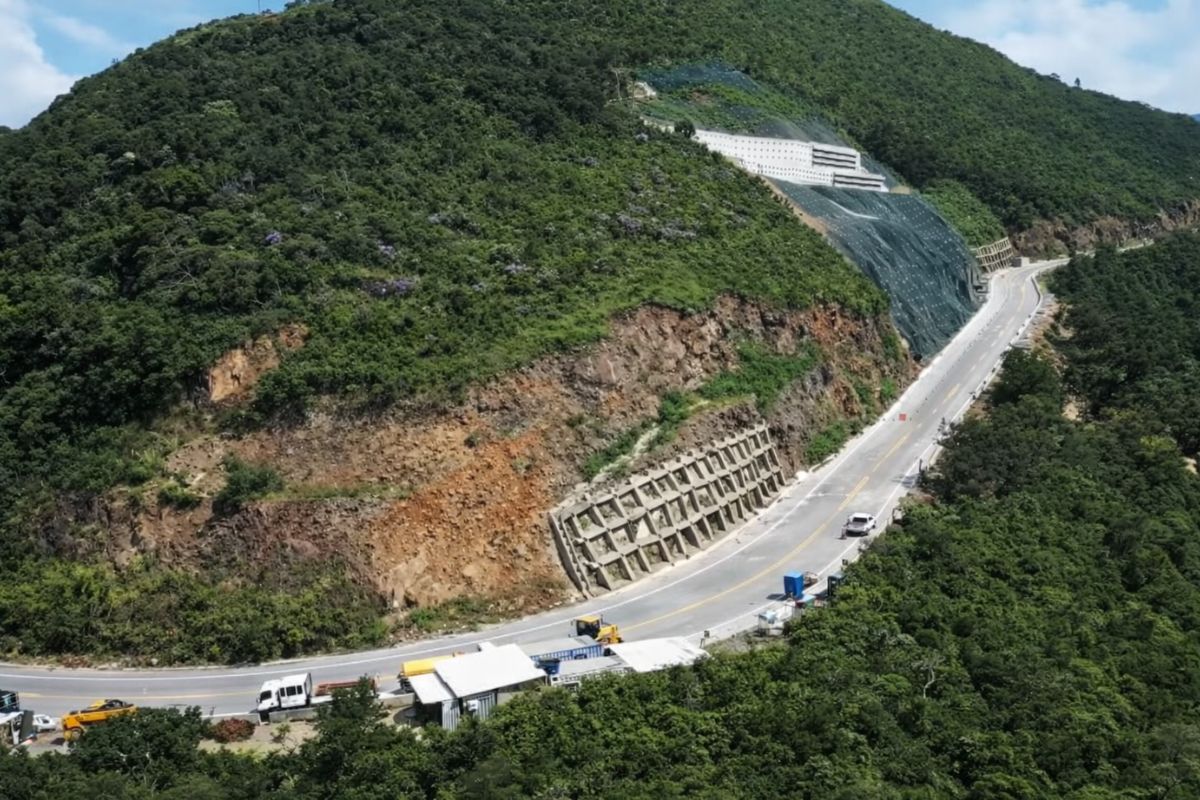
The section of Serra da Rocinha on BR-285 is now open in Timbé do Sul: 50 m tensioned curtains and top-down technique stabilize the slope, with a stairway duct controlling the water.
-
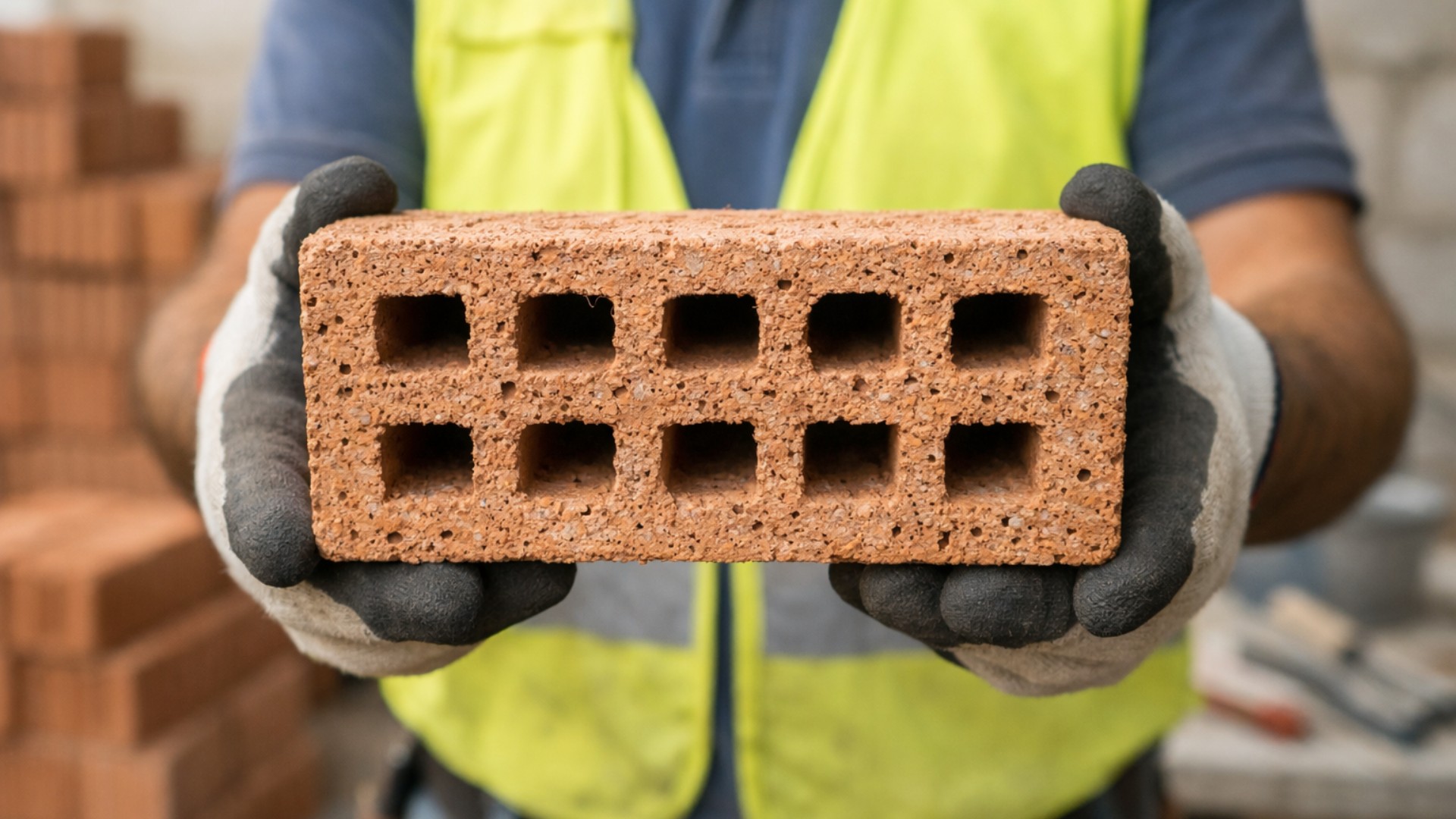
Scientists use sawdust mixed with clay to create a lighter brick, promising efficient thermal insulation and impressing by transforming waste into a solution for construction.
-
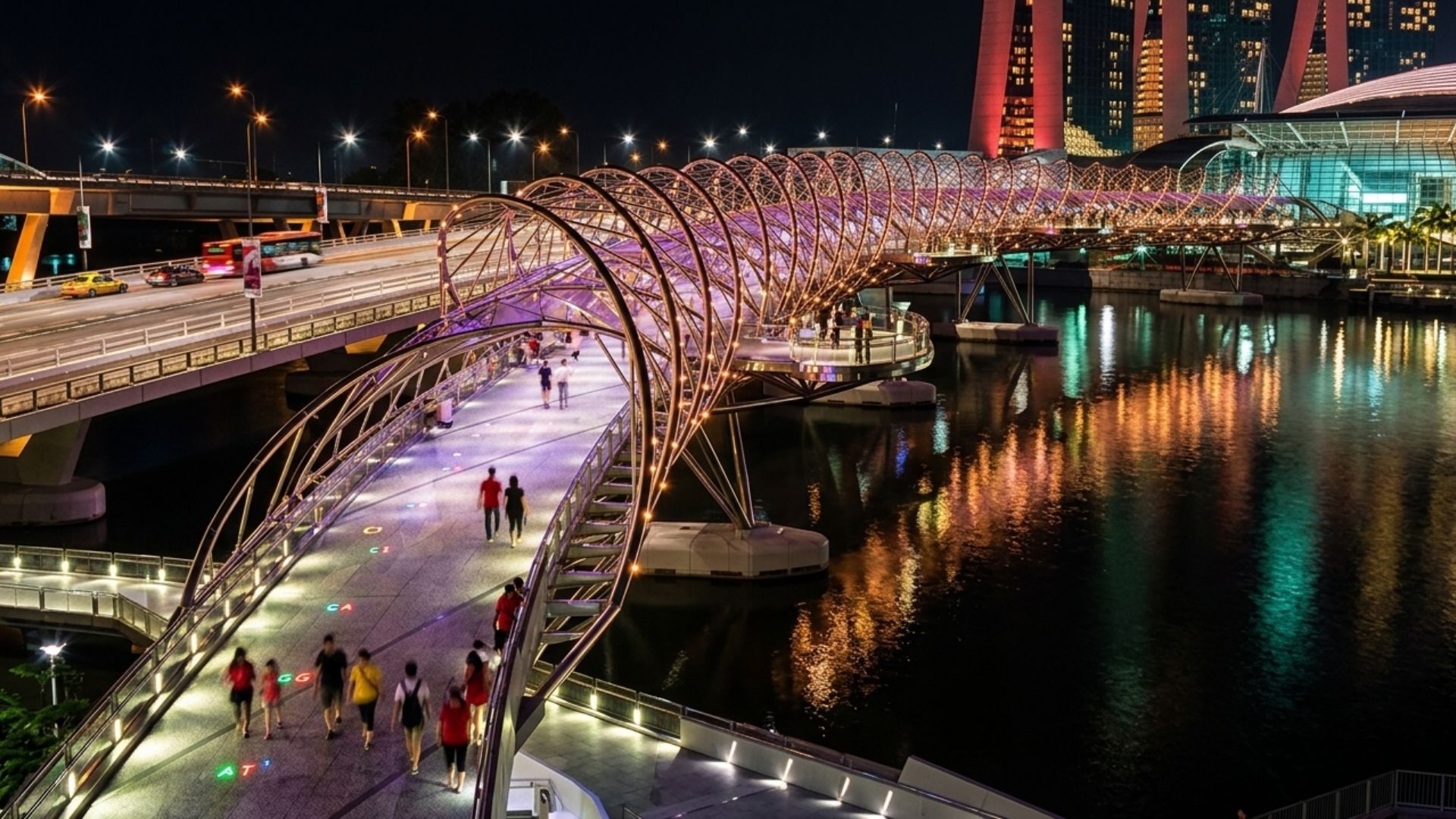
With a DNA shape, this bridge in Singapore draws attention in modern architecture and surprises tourists by transforming a simple crossing into an unforgettable visual experience in the urban heart.
-
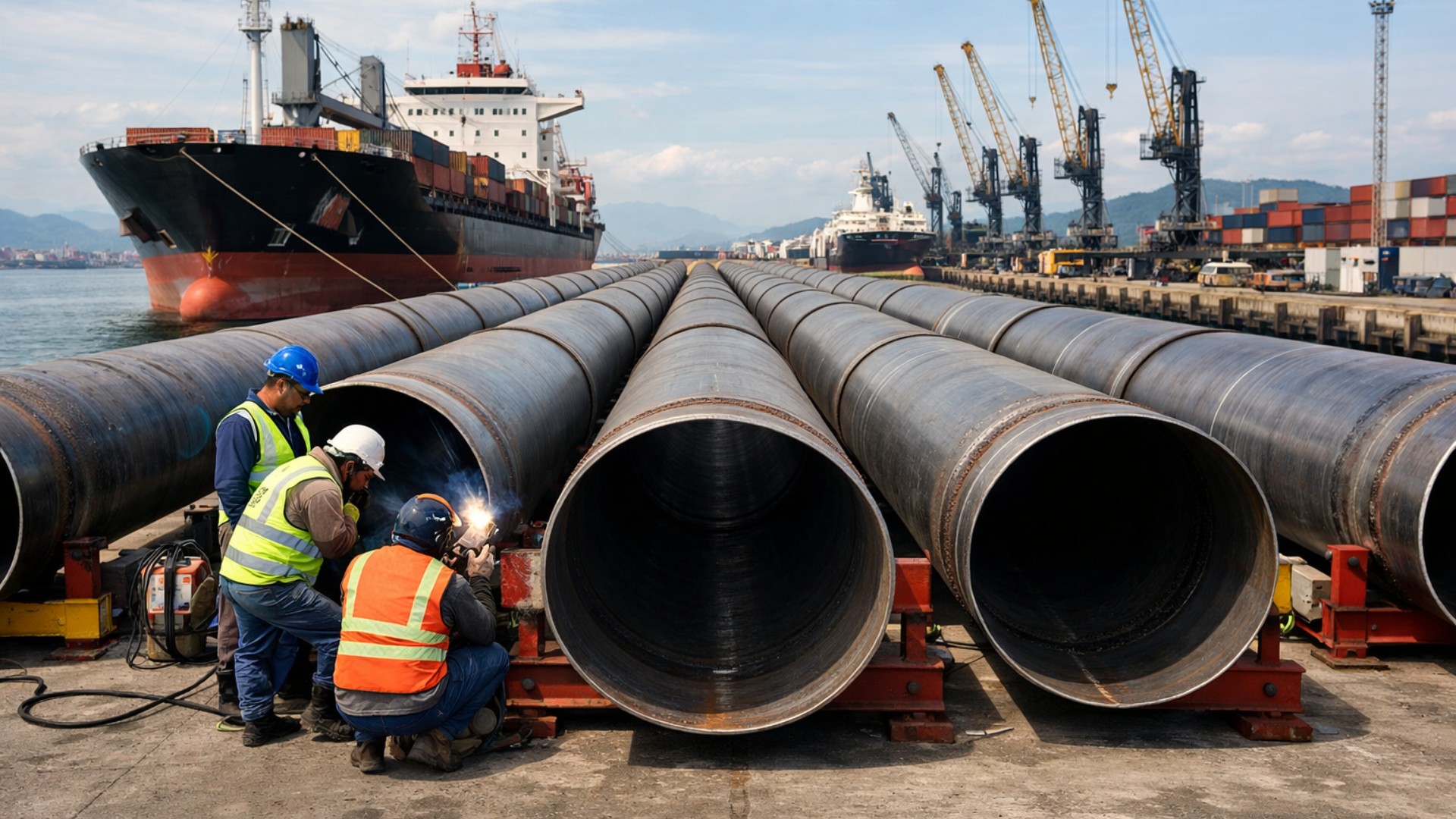
Giant underwater pipeline begins to take shape with a R$ 134.7 million project at the Port of Santos: the 1.7 km structure uses 12-meter and 700 mm pipes to supply water to 450,000 people in Guarujá.

According to ICON, the technology allows for the construction of more durable homes, with less material waste and greater design freedom when compared to traditional methods. Additionally, the houses will be one story and will range in size from 35 to 96 square meters, adapting to the needs of future residents.
An Innovative Solution For Homelessness
The city of Austin is known for its innovative approach to tackling social issues, and the Community First! Village is an example of this.
This community already has another 17 houses built four years ago, but this new phase promises to be even more transformative, aiming to assist up to 1,800 people currently experiencing homelessness.
For Alan Graham, founder of Mobile Loaves & Fishes, the project goes beyond providing a roof. “We are bringing dignity and hope to our neighbors who need it most,” he states. The idea is to create a welcoming environment where residents can rebuild their lives with the support of a united community.
Why Use 3D Printing In House Construction?
3D printing is revolutionizing the construction industry by allowing houses to be built more quickly and sustainably. In the case of the project in Austin, the Vulcan printer is being used to raise structures that withstand the elements, which is essential for ensuring the safety of residents.
The technology reduces material waste, which is a positive point from both an environmental and financial perspective. The freedom in design also allows for personalized projects, adapting homes to the specific needs of each community.
Another important benefit is the reduced cost. As the houses are built with less labor and in less time, the project’s budget is optimized, allowing for more residences to be delivered with the same investment.
More Than 1,400 Houses On The Way
The partnership between ICON, Lennar Foundation, and Mobile Loaves & Fishes doesn’t stop here. In the coming years, the plan is to expand the project, with the construction of more than 1,400 standard homes, benefiting thousands of people in vulnerable situations.
In addition to Austin, a similar project is underway in Wolf Ranch, in Georgetown, Washington D.C., where another 100 houses are being built with the same 3D printing technology.
This expansion reinforces the commitment of the companies involved to bring innovation and dignity to those who need it most, transforming not only the way we build but also how we see the possibilities of solving complex social problems.
Social Impact And Promising Future
The impact of this 3D printed neighborhood goes far beyond the houses. It represents a significant advancement in the fight against homelessness in the US and serves as an example for other countries. By combining cutting-edge technology with a human approach, the project is creating a model that can be replicated in various parts of the world.
This initiative highlights the potential of 3D printing as a powerful tool for construction, especially in social projects. It offers a practical, sustainable, and affordable solution, paving the way for a future where dignified housing is a reality for all.
The 3D printed neighborhood in Austin is much more than a technological innovation; it is a statement that creative solutions can transform lives. With 100 new houses on the way and ambitious plans for the future, the project is redefining what it means to address homelessness with dignity and compassion.








Até que enfim um projeto que pensa nos excluídos ,tem muita gente morando nas ruas não por ser **** drogado ou desinteressado em procurar uma mudança de vida ,muitos não souberam onde procurar oportunidades e o tempo foi passando e essas. Pessoas acabam vivendo uma vida inteira por não conseguir ajuda e não saber onde conseguir,tem muitos que gostariam de poder trabalhar o problema é que muitos não acreditam nisso , parabéns a quem teve essa idéia de moradia agora só falta programa pra colocar essas pessoas para trabalharem também.
Imagem não reflete a realidade, postam uma imagem fantasiosa ao invés de mostrar a imagem real das casas
ESTILO ARQUITETÔNICO SMURFS.