





 English
  Francês
  Alemão
  Italiano
  Japonês
  Norueguês
  Portuguese
  Spanish
  4 min of reading
  0 comments


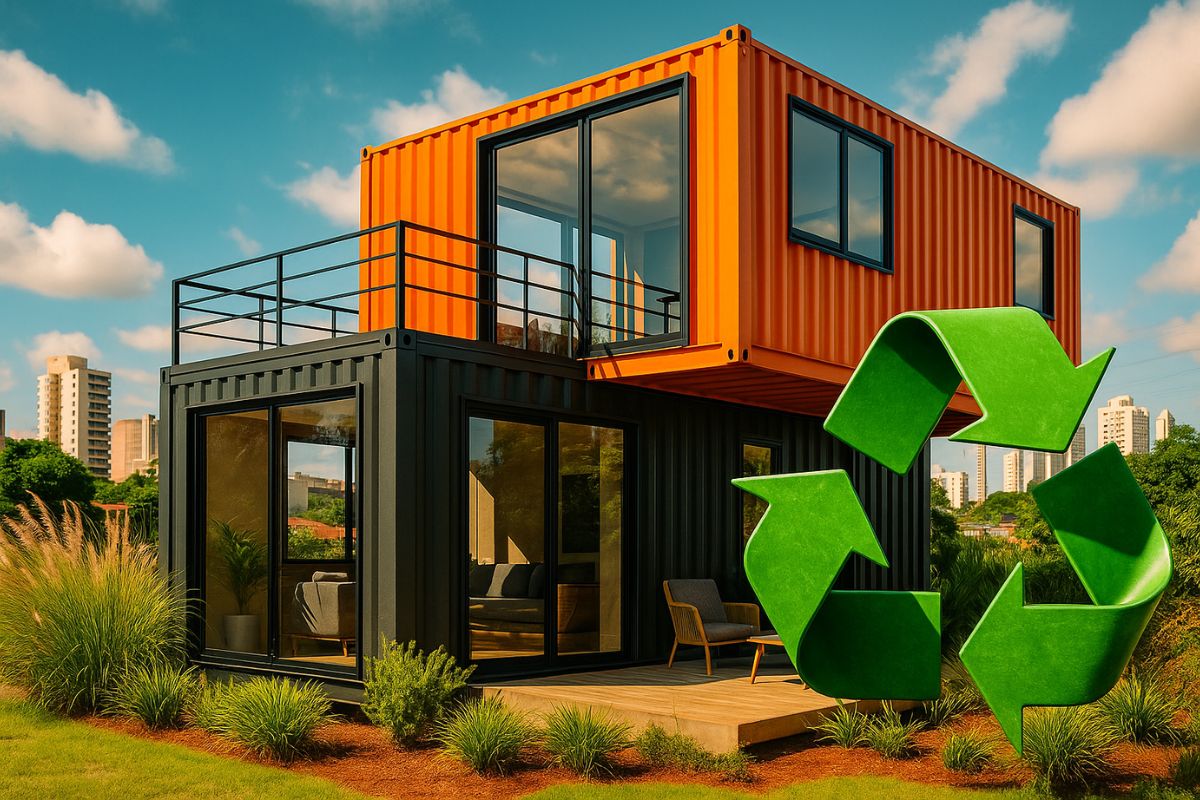
From Compact Solution to High-End Architecture, Container Homes Combine Recycled Steel, Quick Construction, and Controlled Costs, Gaining Traction in Brazil and Worldwide
Container homes have moved from an alternative niche to compete with traditional construction in 2025. The reason is clear: short timelines, predictable pricing, and low waste generation, without sacrificing aesthetics and performance.
More than a trend, the container converted into a residence is a manifesto of applied sustainability. The logic is to reuse high-strength marine steel, modularize spaces, and boost thermal and acoustic comfort with modern solutions.
What Changed in 2025: Standards, Purpose, and Perception
This year’s turning point revolves around three factors. First, standardization: the market has matured processes for structural reinforcement, cutting, and sealing, which reduces improvisation and shortens timelines.
-
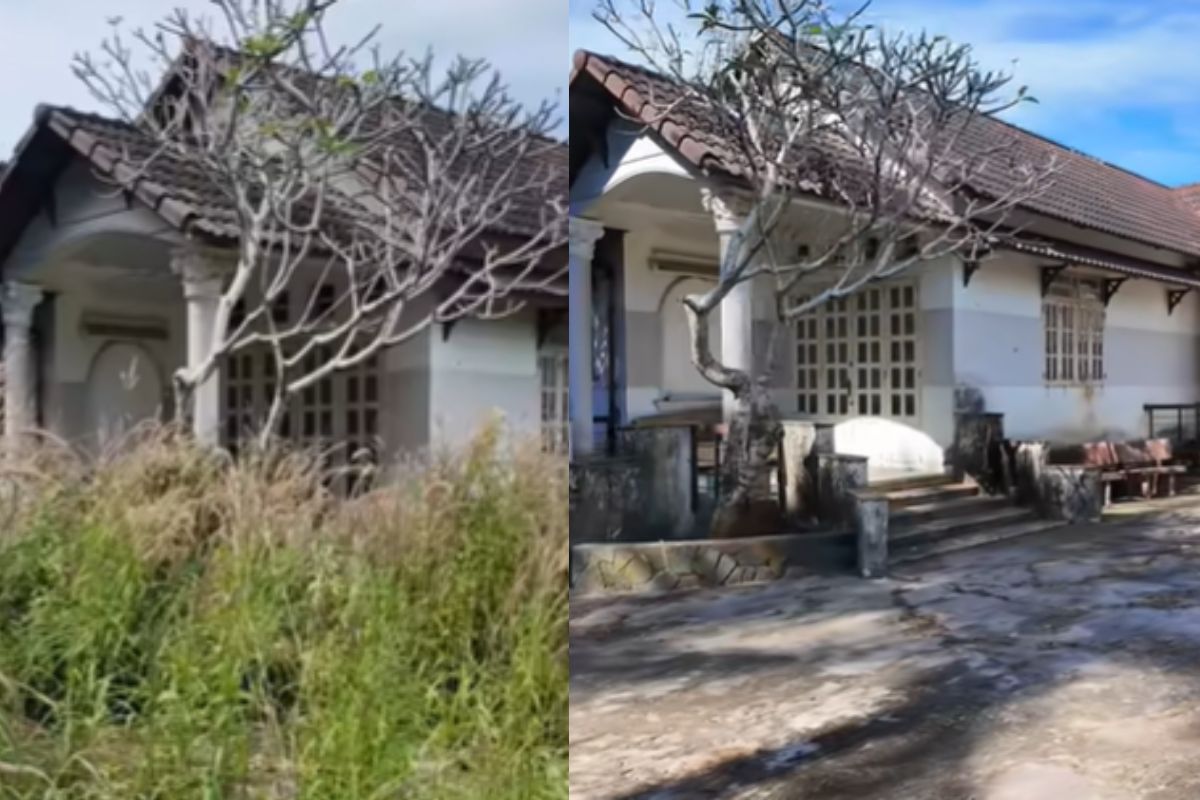
Abandoned house for 15 years disappears in the woods, shocks owner with unrecognizable scenery and is reborn in an intense transformation after almost 90 hours of work in just 10 days.
-
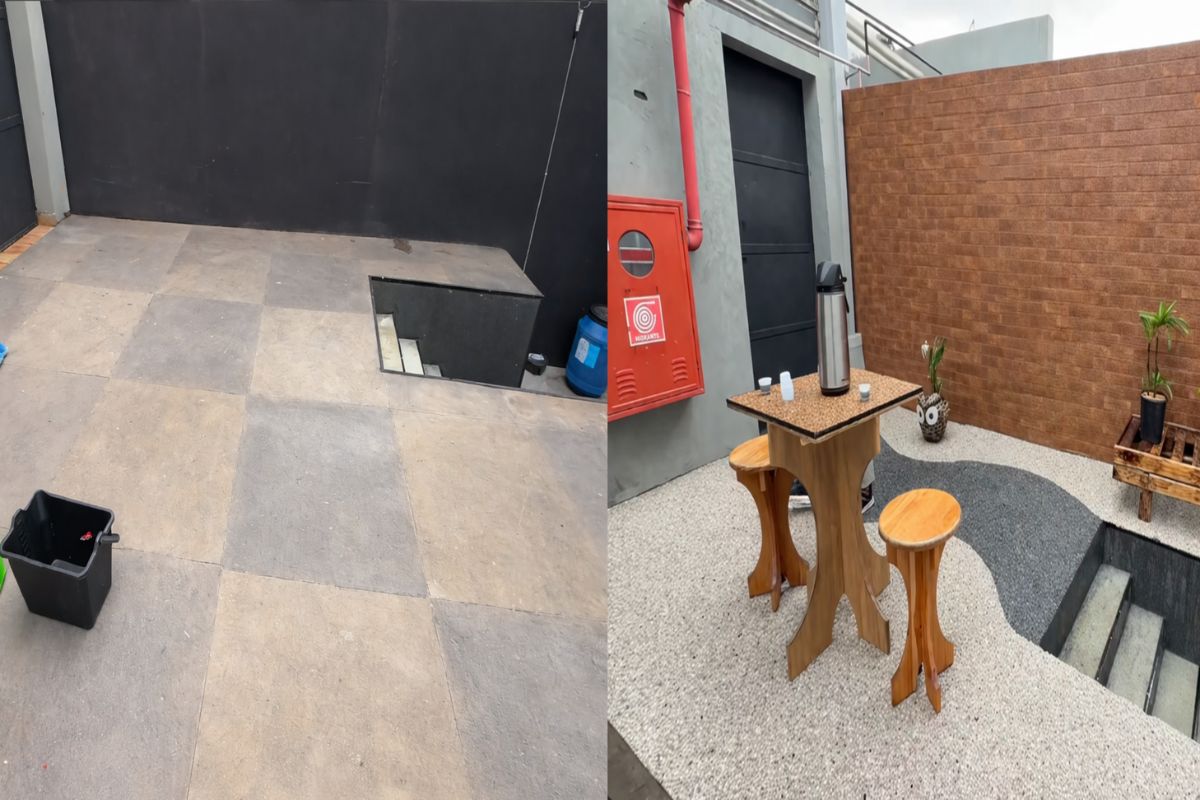
In just three hours, a natural stone floor transforms the entrance of the house with an organic effect, immediate drainage, and a sophisticated non-slip finish that doesn’t puddle water, dries quickly, and impresses with the final result.
-
‘Interlocking brick’ made of earth arrives in the construction industry with cost reductions of up to 40% on the project.

-
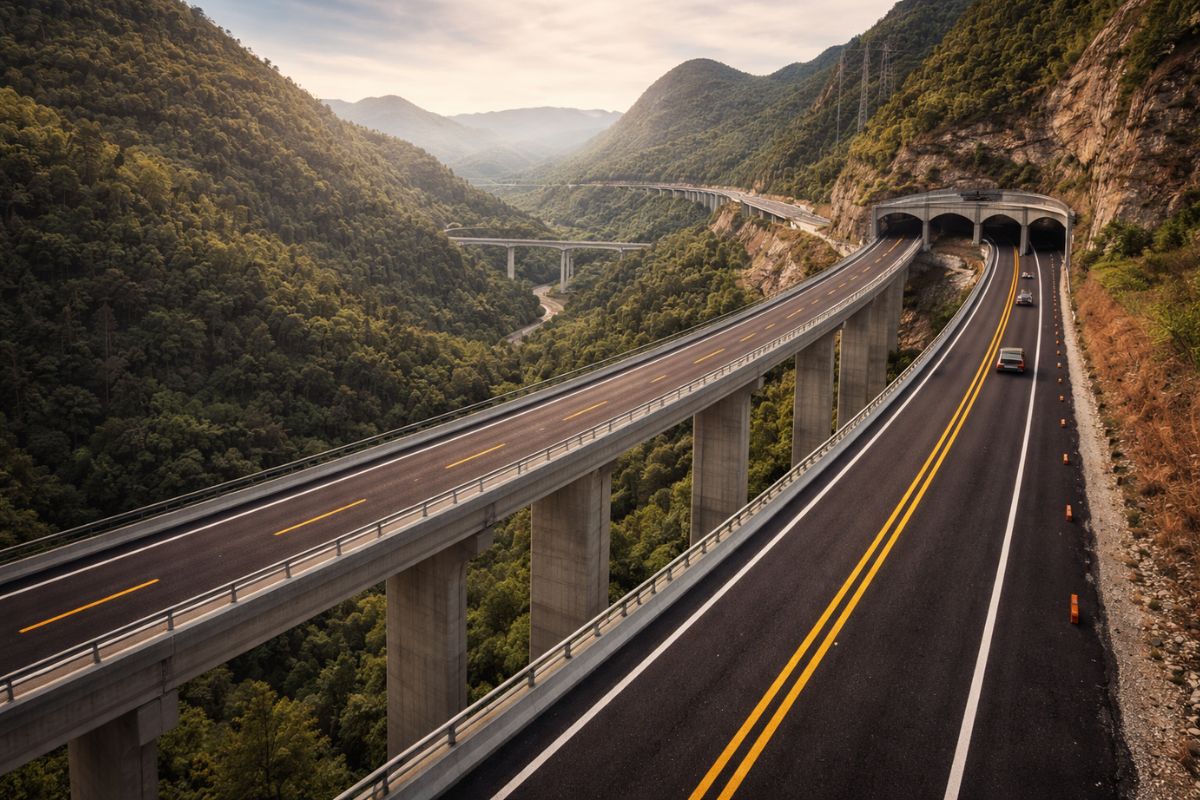
Espírito Santo will receive the largest engineering project in its history with the duplication of BR 262, which will have 50 viaducts, 28 bridges, and 2-kilometer tunnels cutting through the most challenging mountainous region of the entire state.

Second, purpose: families and investors seek a smaller environmental footprint, clean construction, and the possibility of future expansion. Third, perception: coverage shows that the container has shed its image of a “temporary solution” to establish itself as authorial and replicable architecture.
This repositioning also aligns with the city: small lots, stricter urban rules, and labor cost demand predictability.
Modularity meets these scenarios well: planning now and expanding later, with less disruption and more control.
How Much It Costs, How Long It Takes, and Who Is Buying
The average cost ranges between R$ 2,000 and R$ 3,500/m², a savings of up to 30% compared to masonry, depending on the finishing standards.
Construction timeline? From 60 to 90 days, compared to up to a year for conventional construction—a decisive advantage for those financing or needing quick occupancy.
Who buys? Young couples and seasonal rental investors, in addition to families seeking modular second homes.
Specialized companies, such as those mentioned by Revista Casa e Jardim (Sette Casas), highlight that the “fixed price, turnkey” model reduces surprises and includes guarantees, which weighs in the final comparison.
From Port to Backyard: How a Container Home Is Born
The process begins with selecting the module (new or reused), goes through inspection and testing according to NR-18 (to avoid contamination and risks), and continues with structural reinforcements, openings for doors/windows, and anti-corrosion protection. Light foundation (footings, slab, or blocks) supports and separates the steel from the ground, reducing moisture.
For comfort, the combination includes PET, fiberglass, or rock wool, as well as solar positioning, eaves, and cross ventilation.
Electrical and plumbing systems follow the logic of a conventional house, and everything goes through municipal licensing—a point emphasized by Revista Casa e Jardim when showing the behind-the-scenes of constructions in Costa Rica, São Paulo, and the Brazilian countryside.
Compact Luxury: Design That Elevates the Experience
Published projects reveal integration between modules, strategic ceiling heights in social areas, and custom cabinetry to maximize space.
Authorial landscaping and shaded patios control microclimate, while additional roofs and brise-soleils protect the metal envelope.
When the briefing calls for high standards, features like thermal-acoustic panels, high-performance frames, solar energy, and automation come into play.
The steel becomes structure-scenario: industrial aesthetics on the outside, boutique hotel interior on the inside—a duality that the audience has embraced.
Advantages and Challenges: Decision-Making with Data at Hand
Among the advantages, notable features include dry construction (less water and debris), modularity (stacking, joining in L, U, or independent volumes), and mobility (relocating when necessary).
For seasonal rentals, the formula has proven particularly profitable: access the land, install, operate — and expand according to demand.
Among the challenges, the main one is thermal insulation (steel enhances heat and cold). This requires a serious thermal project: correct insulation, vapor barriers, shading, and ventilation.
There is also the fixed width of 2.44 m of the modules addressed with joints and integrated spans, and the uneven legislation between municipalities. Revista Casa e Jardim suggests architects with specific experience to navigate regulations and optimize cost/benefit.
Where This Is Already Working and Why It Will Scale
Mapping shows successful cases in Costa Rica, the USA, Europe, and Brazil: from social housing to country homes and student complexes.
In Brazil, firms such as SuperLimão, Andrade Morettin, and Jorge Siemsen have already demonstrated scalability, contemporary language, and climate adaptation.
The adoption curve is expected to accelerate because municipalities are advancing in regulation, the sector gains specialized labor, and consumers value predictability.
When timelines and prices are clear, the decision becomes objective, and the container is likely to win.
Quick Guide to Decide Without Missteps
Plan for comfort: simulate thermal loads and define insulation before cutting the steel. Water is a priority: extra roofs, gutters, and elevated footings extend the lifespan. Legalize early: align land use, occupancy rate, and setbacks.
And think about the second phase: leave room for future expansions without demolition.
In the contract, prefer fixed scope (materials, timelines, guarantees, and assistance). And, as Revista Casa e Jardim has been emphasizing, integrated architecture is what separates the “okay” from the wow—especially when the goal is compact luxury.
Container homes proved in 2025 that luxury, comfort, and sustainability fit within recycled steel with controlled costs and agile construction.
When the project considers climate, regulations, and expansion, the result delivers real value for residents and for investors.
And you, would you consider living (or investing) in a container home? In which city? What would be your biggest concern: thermal comfort, legislation, or resale?
Share in the comments how you would use modularity to your advantage (home office, guest studio, seasonal rental, future expansion). We want to hear from those who live this in practice.









Seja o primeiro a reagir!