





 Portuguese
  English
  Spanish
  7 min of reading
  0 comments


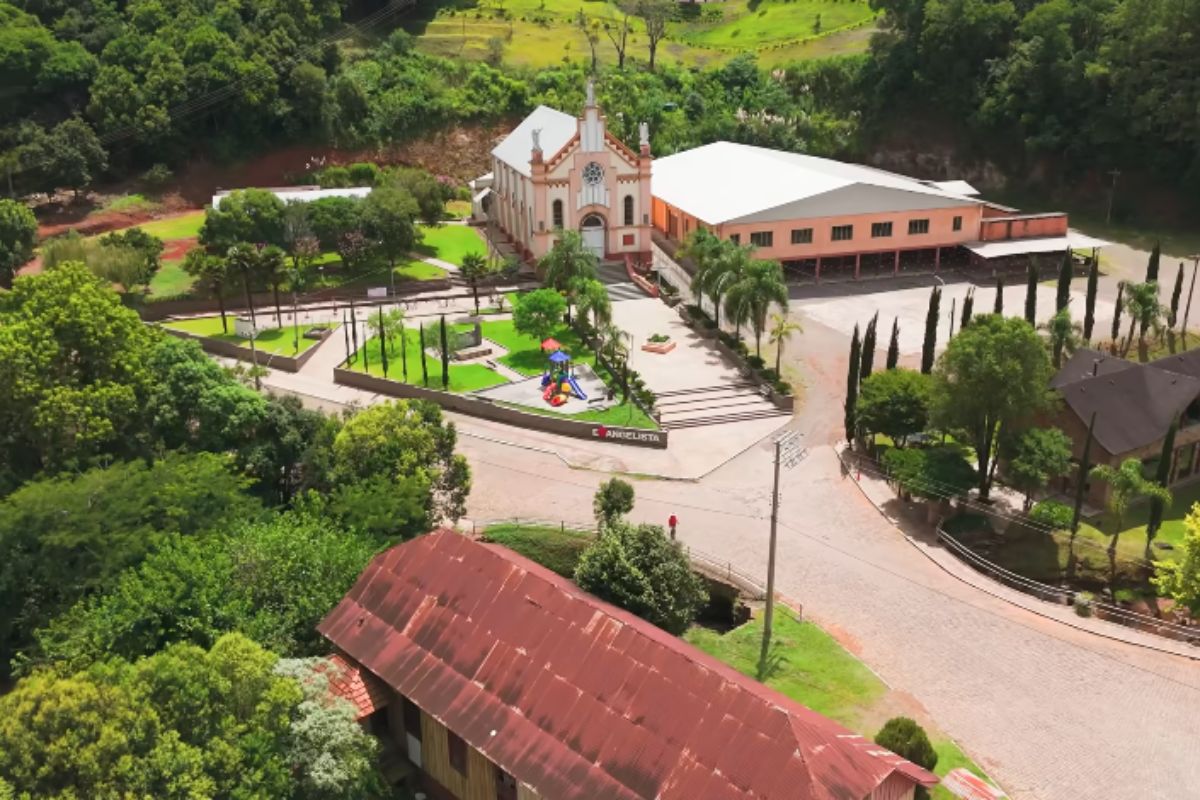
The Historic Villages of Casca Reveal Much More Than the Landscapes of the Gaúcho Interior: They Hold Memories of Immigration, Faith, Gastronomy, Strong Agriculture, and a Little-Remembered Connection with the Origin of the Brazilian Miura.
The historic villages of Casca help explain why the city goes far beyond the image of just another municipality in the interior of Rio Grande do Sul. At first glance, it seems to follow the typical rhythm of medium-sized Gaúcho towns, with an organized center, surrounding crops, and scattered communities. But it takes just a step off the beaten path to realize that the municipality holds deep layers of memory, tradition, and identity.
It is in this encounter between rural and urban, past and present, that Casca reveals itself. The historic villages, the Italian and Polish heritage, the strength of family farming, and even the connection to an important chapter of the Brazilian automotive industry show that the city encompasses much more than a visitor imagines when passing through its entrance.
Casca Reveals Itself When the Visitor Goes Beyond the Center
Casca is not presented as a large city, but it also doesn’t fit the simplified image of a small dot lost on the map.
-
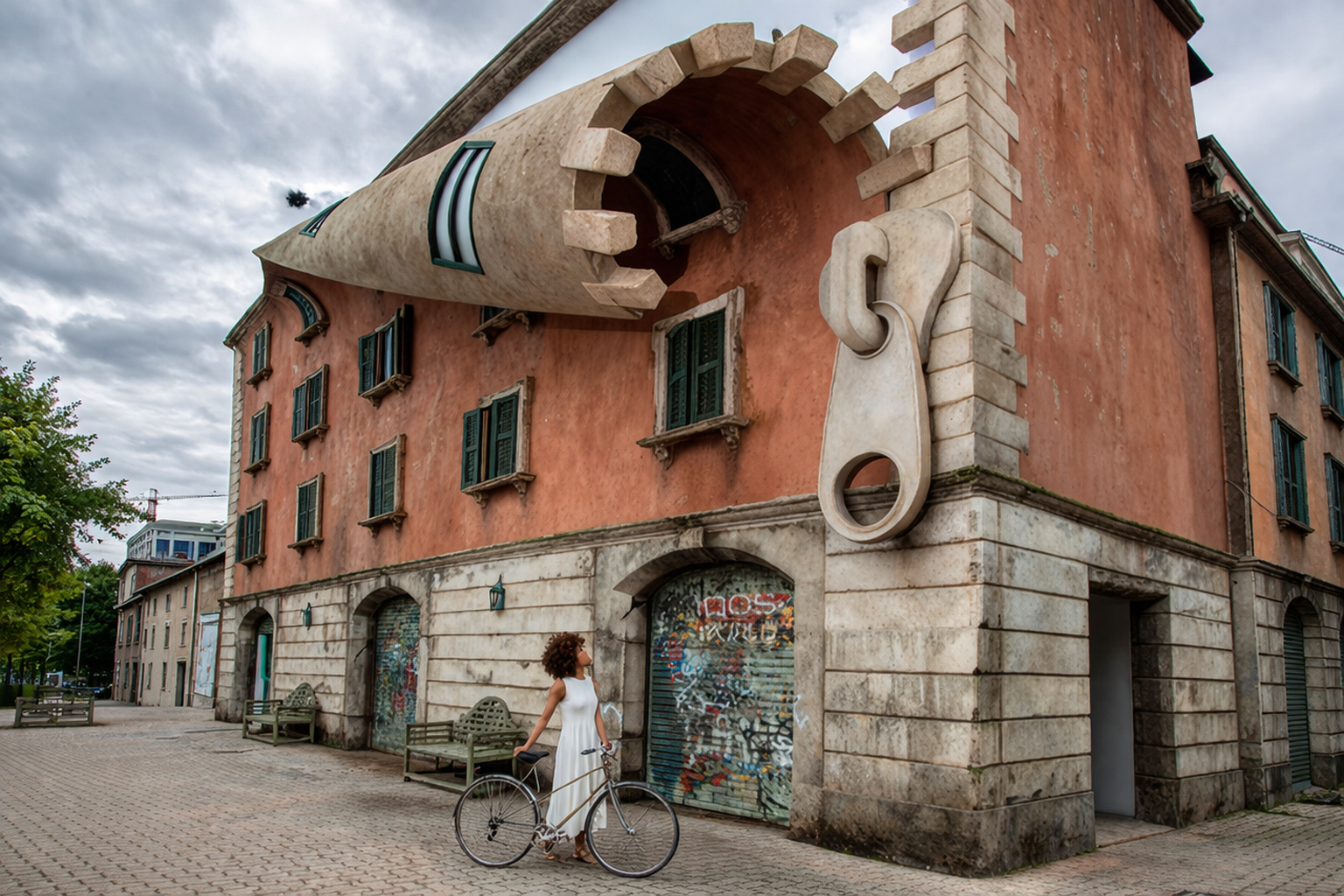
With a façade that resembles a giant zipper, the building in Milan creates a sense of strangeness, featuring lighting that transforms engineering and attracts the attention of residents and tourists.
-
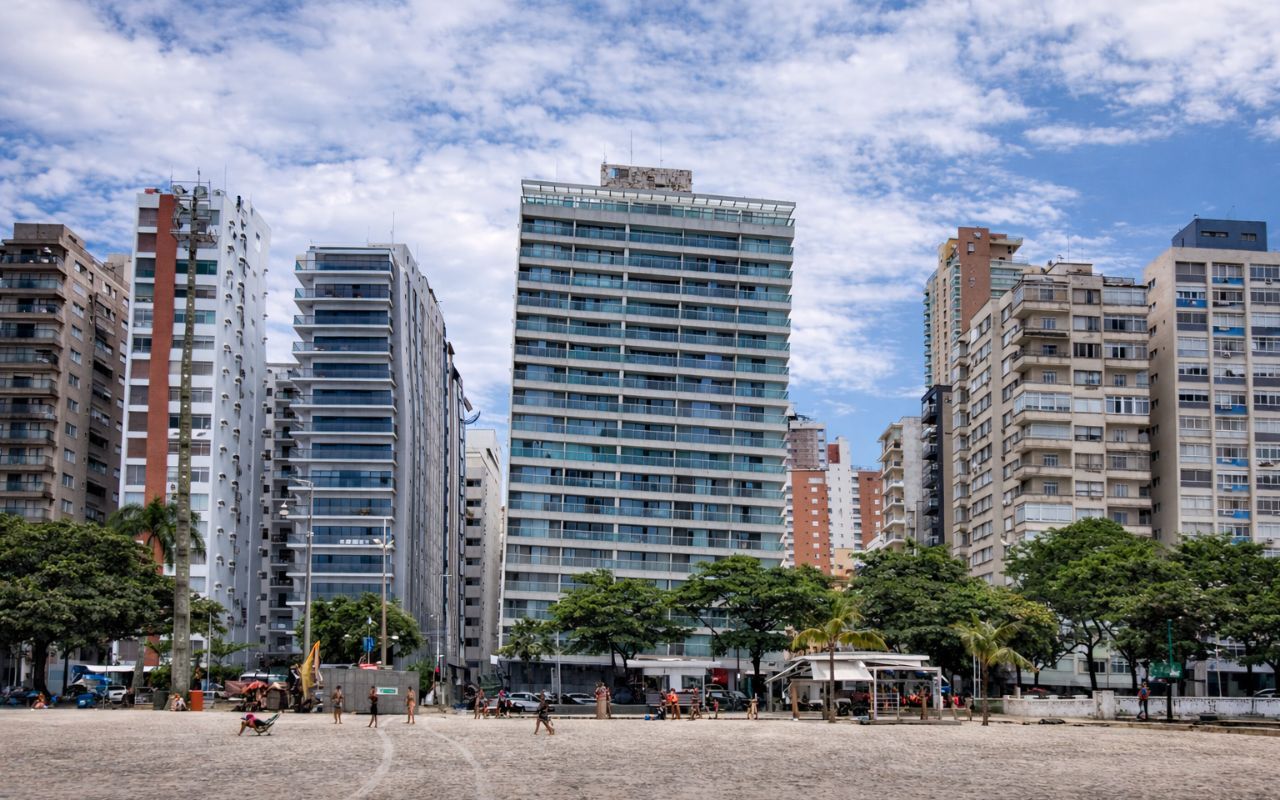
The Brazilian city has 319 crooked buildings built on sandy soil without proper deep foundations, houses the largest beach garden in the world, with over 5 km, and is still considered the birthplace of surfing — meet Santos, in São Paulo.
-
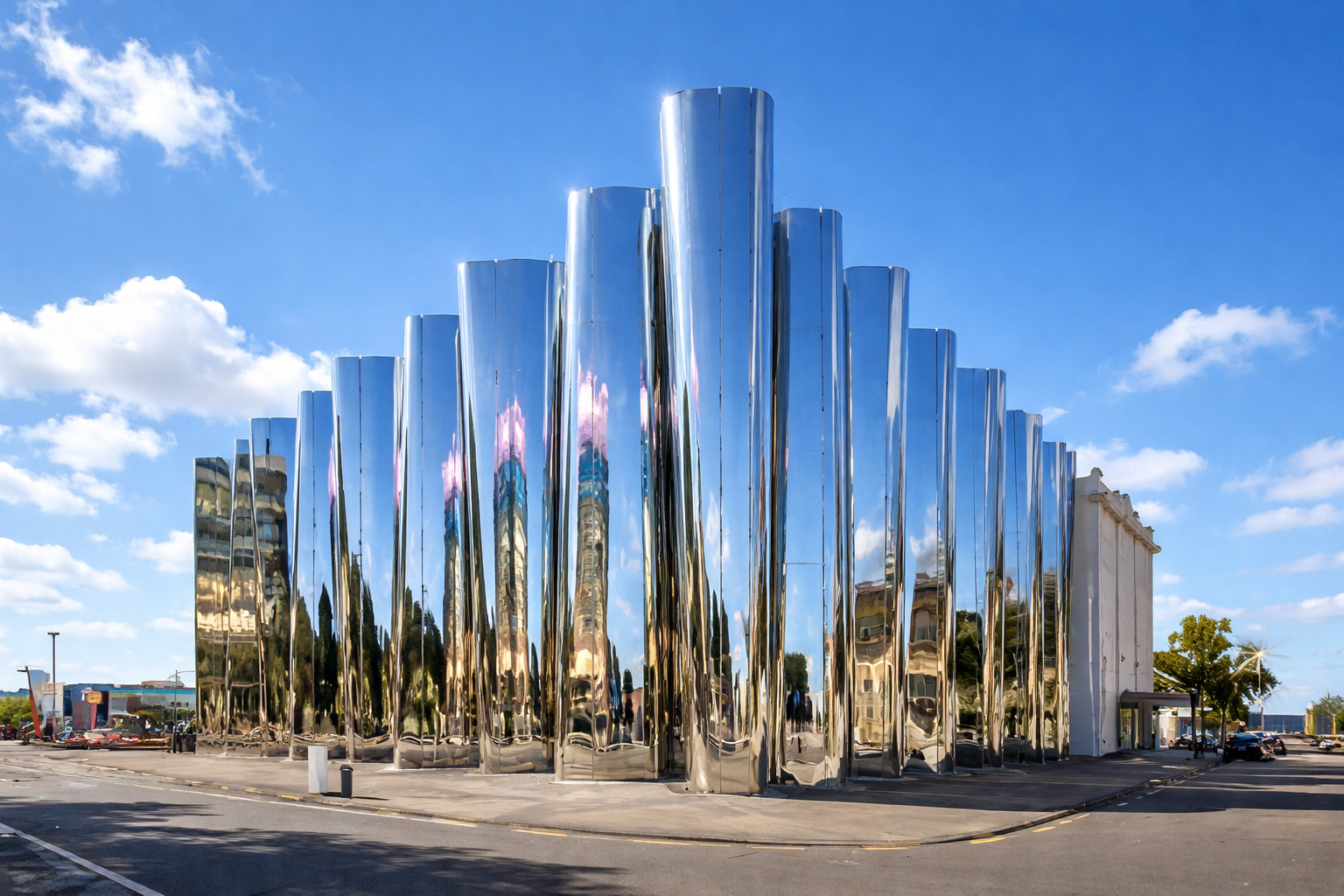
New Zealand builds a shimmering building that vibrates, featuring a 62-seat cinema, moving sculptures, and an environment where sound, light, and energy are felt in the body.
-
Two colored cubes of 2.5 m transform a public bathroom into a selfie spot in Western Australia, costing up to 75% less than traditional construction and helping to reduce vandalism in public spaces.

What the material shows is a municipality that well represents a significant portion of the medium-sized cities in Rio Grande do Sul, with organized urban life and a rural surrounding full of communities that preserve ways of living, dialects, and customs.
It is precisely in this surrounding area that the greatest charms appear. The center already draws attention for the care taken in the buildings and the memory preserved in the mansions, but it is when the road leaves the pavement and enters the paths of the countryside that Casca reveals what it has that is most unique.
Historic Villages Hold Faith, Memory, and Identity
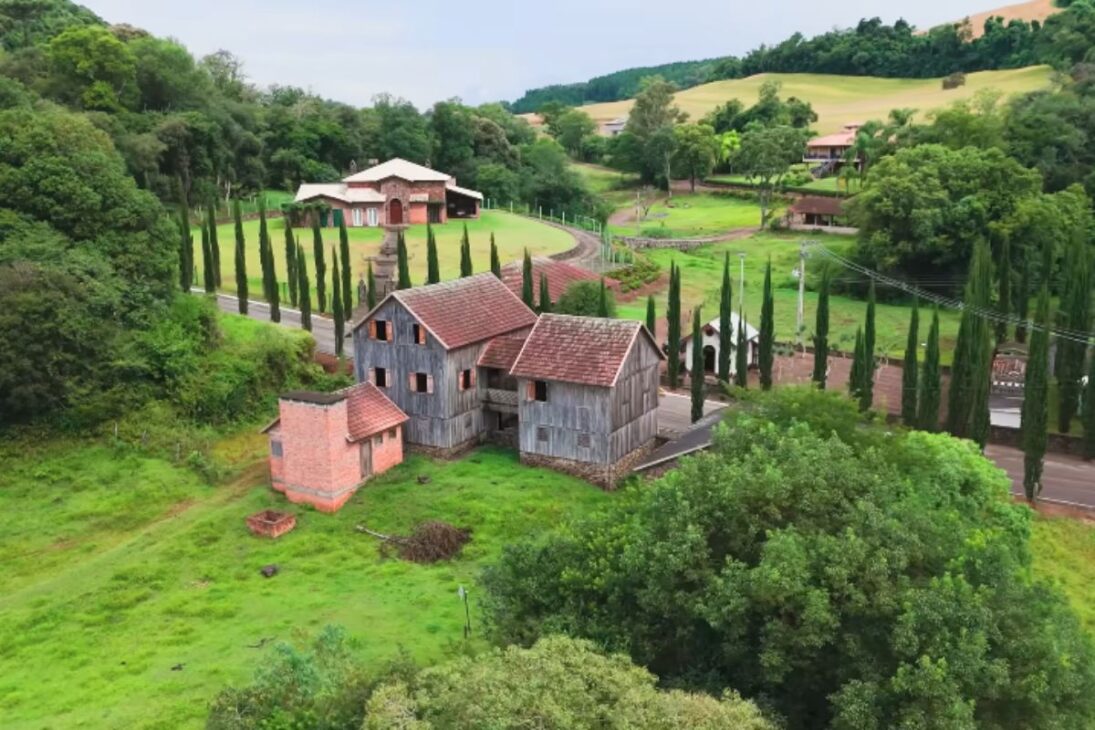
Among the most striking elements of the municipality are the historic villages, places where time seems to pass differently.
Amidst fields, dirt roads, and small communities, Casca preserves spaces where the sense of belonging is still very strong.
In Linha 30, for example, the Santo Antônio Chapel emerges in a small community, with few families, but with a strong sense of unity.
It is also a place linked to the memory of Frei Salvador Pinzetta, a revered figure associated with a devotion that remains alive among residents, devotees, and curious visitors.
More than just a beautiful setting, these historic villages function as guardians of the cultural soul of the municipality.
This perception reinforces something central to the city’s history. The symbolic foundation of Casca is not only in the urban center but also in this rural area that preserves faith, community routine, and a heritage passed down through generations.
Evangelista Shows How the Past Can Gain New Value
Among the historic villages of Casca, Evangelista occupies a special place. The material describes it as a locality with a serene rhythm, old houses, a stone bridge, a stream, and an environment that mixes tranquility and heritage value.
The origin of the name, according to the documentary, is not religious but rather a tribute to Irineu Evangelista de Souza, the Baron of Mauá.
For a long time, Evangelista represented prosperity and even had the potential to become the true urban center of Casca.
This did not happen due to the path taken by the road and events such as the great flood of 1956, which destroyed almost all the mansions in the village nucleus.
Even so, the story did not end in abandonment. Part of the community remained, rebuilt, and over time helped transform the place into a tourism hub for the municipality.
It is in this type of journey that the historic villages of Casca gain even more strength, as they show how memory and reinvention can walk together.
The Italian and Polish Presence Shaped the Way of Life

Casca strongly carries the mark of Italian immigration, but the material also highlights the Polish presence as an important part of local identity.
This mix appears in cuisine, religiosity, hospitality, and even in small details of everyday life.
The coexistence of these heritages created something unique. It is not just about repeating traditions of origin but about seeing the birth of a local culture that makes sense in that territory.
That is why Casca cannot be summed up by a single root. The municipality gathers different influences that, over time, came together to form a unique identity.
This aspect is clearly seen when the documentary shows the Polish custom of welcoming visitors with bread and salt, a symbol of abundance and hospitality, and also when it highlights how Italians and Poles helped to construct the imagery and practical life of the city.
Gastronomy Keeps the Memory of Families Alive
Cultural preservation in Casca also comes through the table. The documentary shows this by following the preparation of pierniki, the Polish honey cookie made from a family recipe that, according to the account, will celebrate its 100th anniversary in 2028.
More than just food, the sweet serves as a link between generations. It is proof that tradition is not only preserved in old buildings or documents but also in the hands of those who continue to make, repeat, and teach.
In Casca, this culinary memory coexists with the Italian presence and the abundance that has become a hallmark of the region.
This link between culture and production also appears in symbols such as the so-called land of cocanha, a reference to the imagery of abundance that accompanied many immigrants. The text makes it clear that abundance did not fall from the sky. It was built with work, persistence, and adaptation.
The Power of Agro Helps to Explain the City of Today
Casca is presented as a municipality strongly linked to agriculture and agribusiness. The documentary highlights the diversity of local production, including pigs, poultry, milk, beef, agriculture, and derivatives that have become the economic hallmarks of the city.
According to testimonies, family farming continues to be a local pillar, and the municipality is not dominated by a logic of large-scale corporate agriculture.
This gives the city a very particular profile, where production, community, and identity remain closely connected. Casca shows how agro can be an economic force without losing the ties to family life and the countryside.
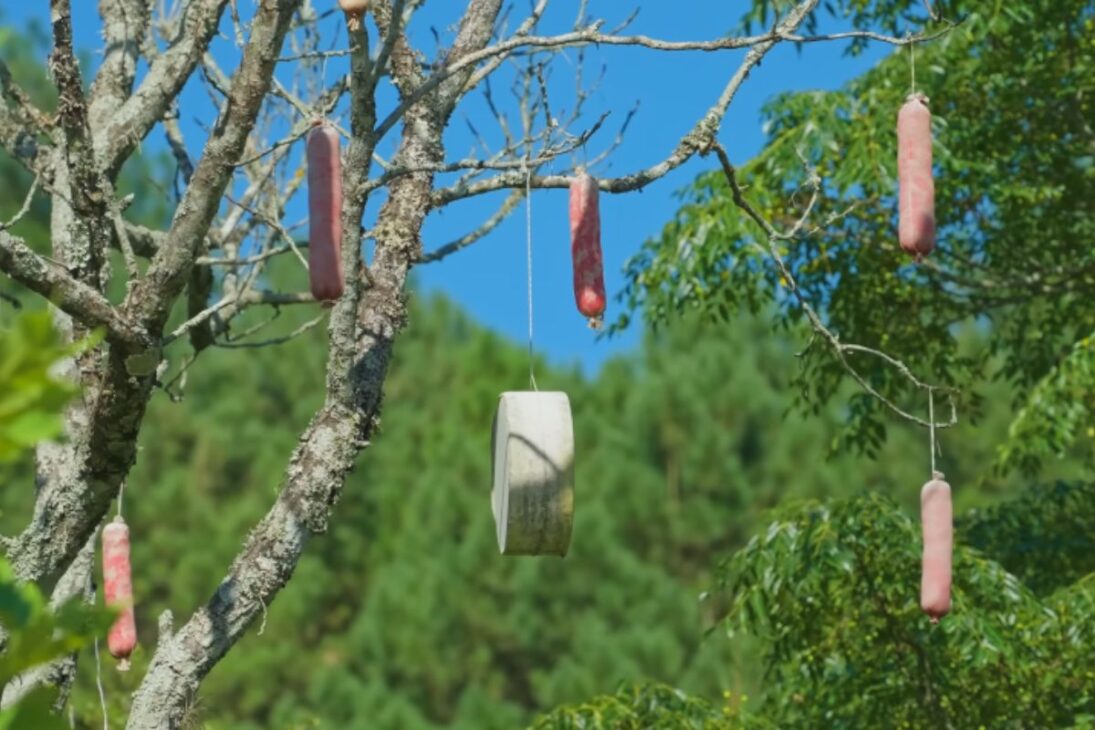
Salami, copa, cheese, wine, and other products reinforce this image of a city that has learned to turn the land into sustenance, value, and regional recognition.
Nature and Countryside Complete the Experience of Casca
Another strong trait of the municipality is the abundance of nature. Trails, rivers, waterfalls, forests, and dirt paths help make an experience that goes beyond built heritage.
The documentary insists on the idea that much of the charm is precisely in the unexpected, in detours, and in places that do not easily appear on maps.
This combination helps explain why Casca surprises so many who choose to look more closely. The historic villages, the rural landscape, and the surrounding nature create a type of tourism that relies more on attention than on spectacle. It is an invitation to slow down and discover what usually goes unnoticed.
Casca Also Holds a Little-Remembered Link with the Miura
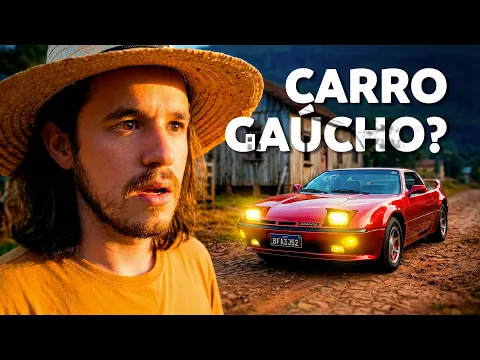
Perhaps one of the most curious surprises in the material is the connection between Casca and the Miura, one of the most emblematic names in the Brazilian automotive industry.
According to the documentary, Aldo Besson, one of the partners linked to the brand’s origin, was born in the interior of Casca before moving to Porto Alegre, where the project would take shape alongside Itelmar Gobbi.
From this union, a company was born that, in 1977, launched the first Miura and would continue for nearly two decades as a symbol of status and sophistication in the Brazilian market.
The text highlights that more than 3,500 units were sold in a period when car imports were prohibited, which helped consolidate the brand’s presence.
This excerpt further amplifies the symbolic reach of the city. Casca does not only appear as a guardian of rural memory and immigration, but also as the origin of a mind linked to an important chapter of the national industry. This gives the municipality a historical layer that many certainly do not imagine.
Casca Goes Far Beyond What It Seems
In the end, Casca shows itself as a place where tradition and reinvention coexist naturally.
The municipality holds faith, heritage, cuisine, strong agriculture, nature, and industrial memory in a rare combination for those who only glance by.
The historic villages help weave together all these elements. They show where the city preserves its essence, where immigration has left visible marks, and where visitors can feel that the countryside is still the foundation of local identity.
Casca does not impress with grandeur but with the density of stories that it manages to concentrate in silence.
And you, have you ever visited a city that seemed ordinary at first glance but revealed surprises as strong as the historic villages of Casca?






Seja o primeiro a reagir!