





 Portuguese
  English
  Spanish
 2 min of reading
  0 comments



With Intense Rains Causing Devastating Floods and a Major Tragedy, Experts Warn of the Need for Reconstruction and Preparedness for Future Climate Events
The state of Rio Grande do Sul is facing the worst climate disaster in its history. Intense rains raised river levels by more than 5 meters, flooding 92 thousand homes in 428 cities, covering about 85% of the state. Local infrastructure has suffered severe damage, with compromised mobility due to flooding, road obstructions, and flight cancellations at Salgado Filho International Airport in Porto Alegre.
The magnitude of the disaster is immense, with highways, homes, hospitals, and other structures destroyed. It is estimated that reconstruction will cost more than R$ 90 billion, according to experts. At this moment, the priority is to rescue and shelter victims, with the crisis still ongoing. However, preparation for the next phase must begin immediately.
Reconstruction and Prevention Efforts to Prevent More Climate Tragedies
Since the onset of events on April 27, the climate storms have claimed the lives of 147 people and affected around 2.1 million people. The National Water Agency reports that the number of affected individuals exceeds the annual average between 2016 and 2022. Recovery will require extensive effort, impacting agriculture, health, education, and transportation.
-
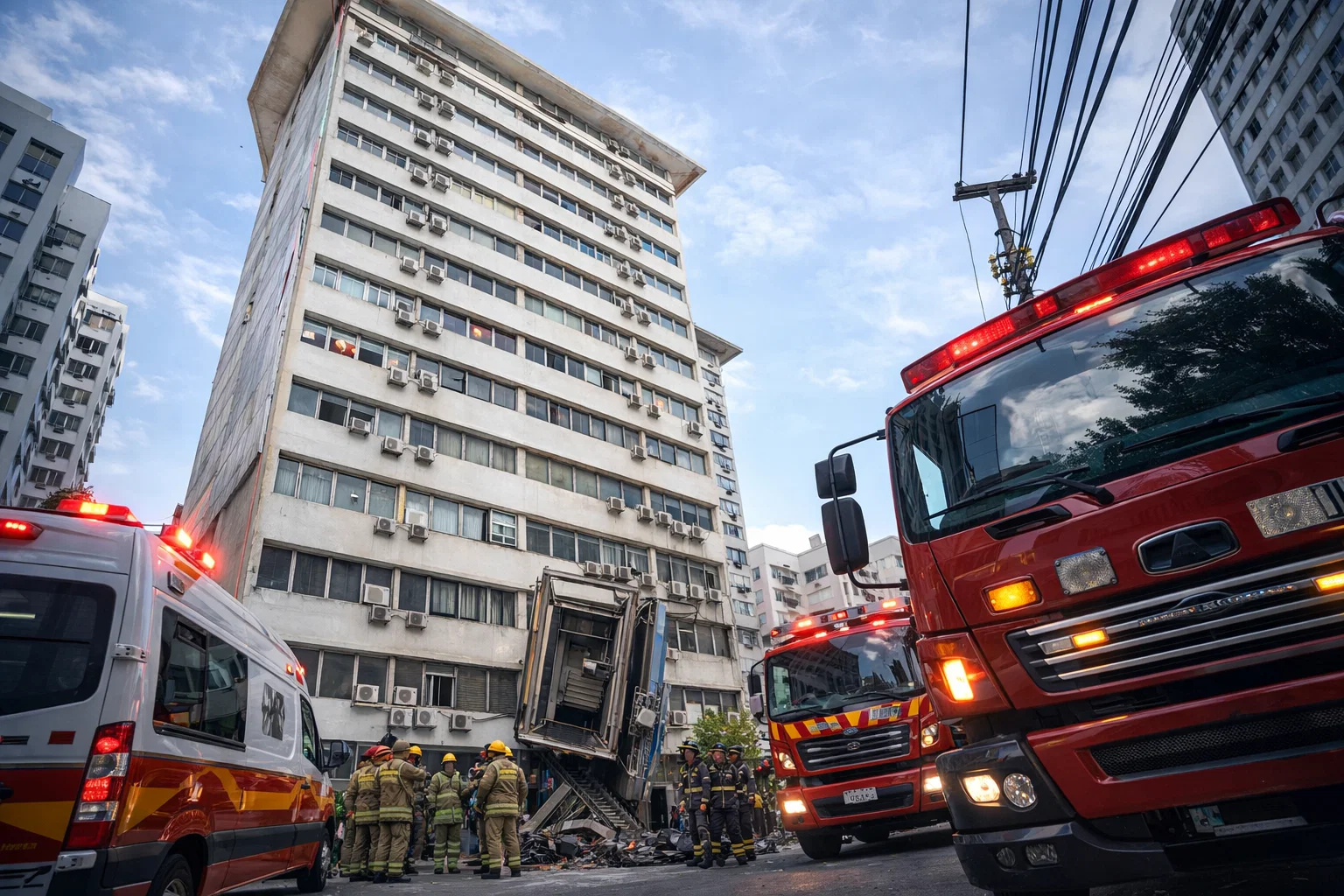
Elevator Plummets From Tenth Floor in Commercial Building in Recife, Raising Concerns About Safety and Engineering of Vertical Transport Systems Used Daily in Urban Buildings
-
Cyclist Hit by Car in Sobradinho, DF Is Rescued After Traffic Accident This Sunday

-
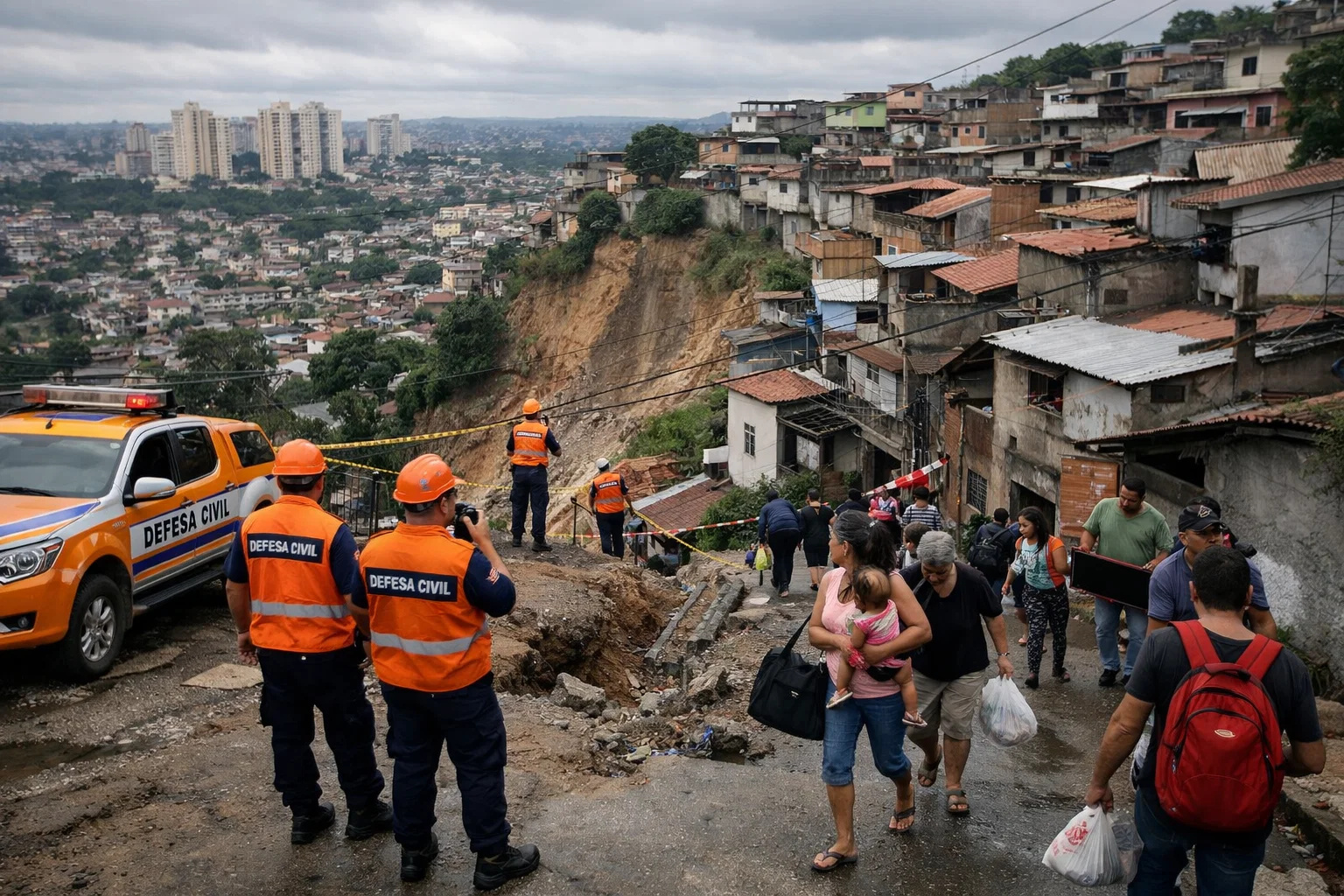
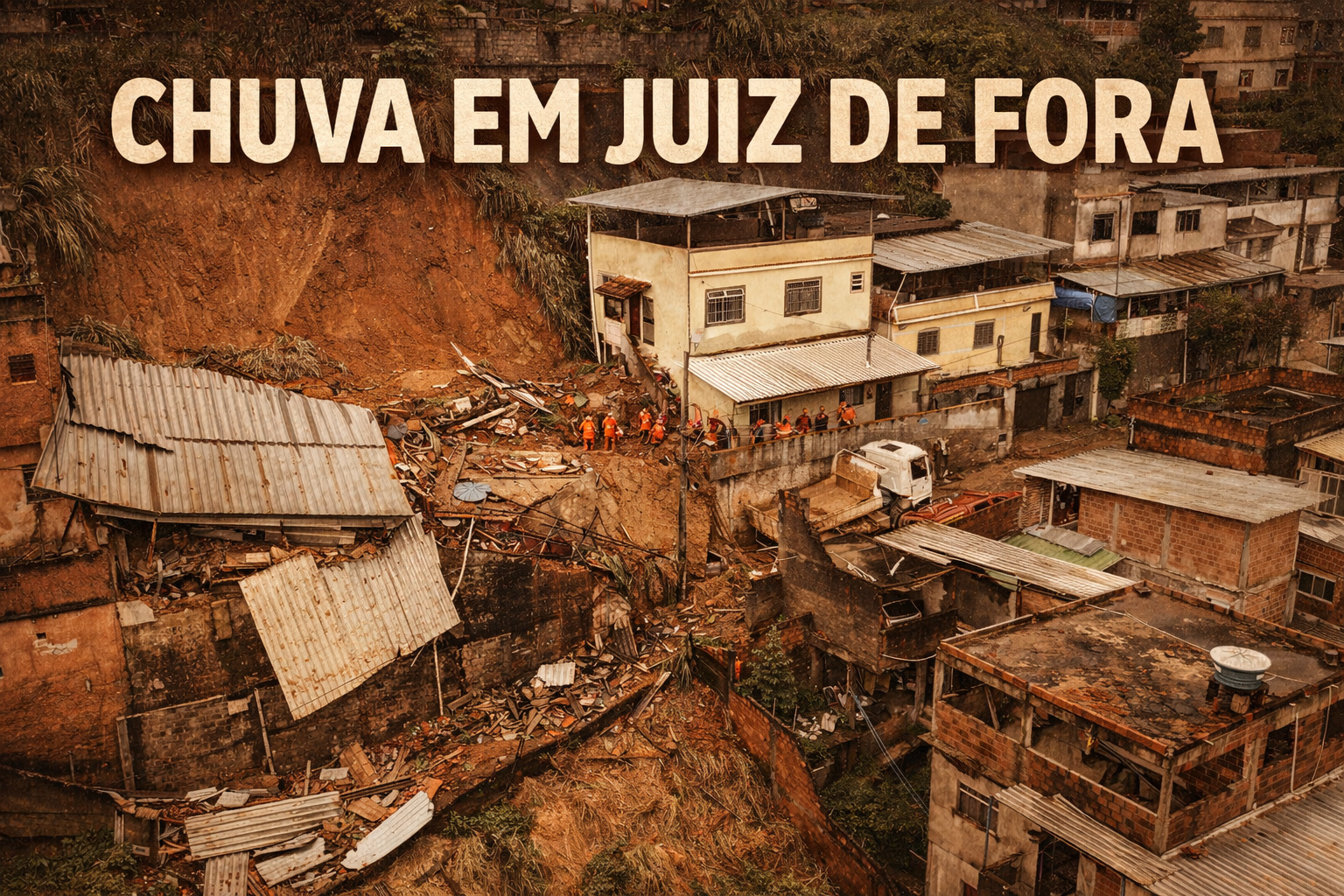
Civil Defense Issues Alert and Advises Evacuation in 51 Streets of Juiz de Fora After Risk of Instability; See the Complete List of Affected Neighborhoods
-
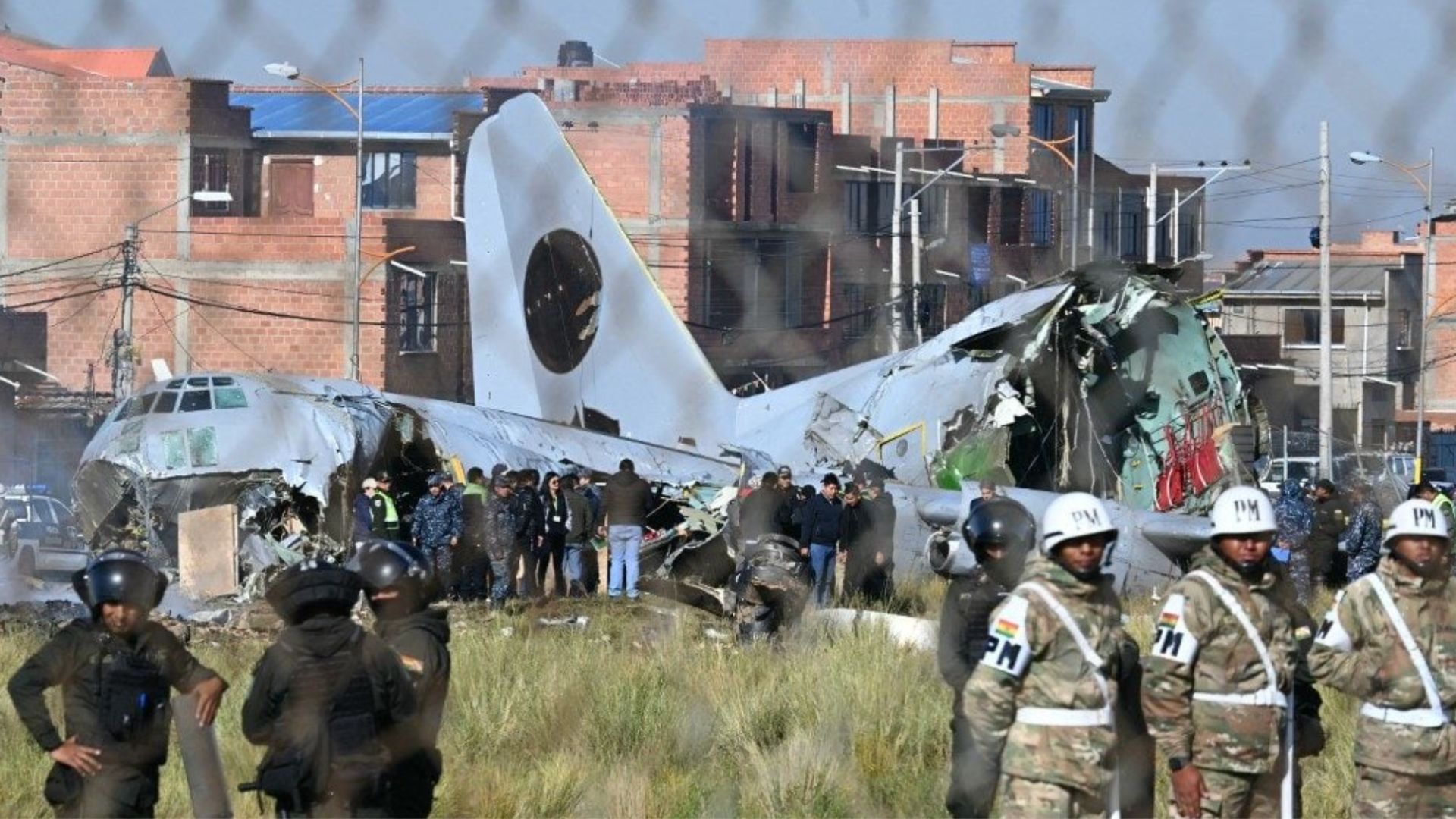
Military Plane With Money Crashes In Bolivia, Leaves 20 Dead And Leads Central Bank To Annul 10, 20, And 50 Bolivianos Notes After Chaos At Airport

The state government is actively working to clear roads and rebuild bridges, ensuring the continuity of transportation for donations and vital services. A temporary point for interstate travels has been set up in Porto Alegre, with only 5% of the routes operational. The Army has cleared about 20 km of highways in the metropolitan region and the Serra Gaúcha, strengthening bridge heads in Eldorado do Sul.
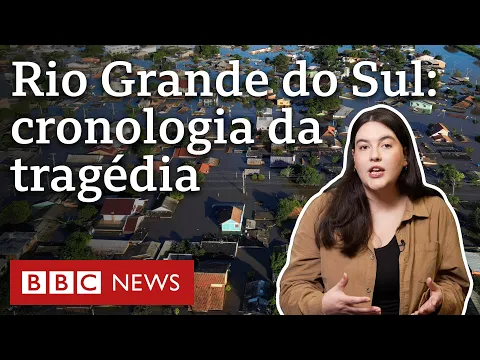
Understanding the Climate Tragedy That Devastated Rio Grande do Sul

Challenges in Agriculture and Education in Rio Grande do Sul After the Tragedy
Agriculture has suffered huge losses due to the climate tragedy, with over R$ 1.1 billion in damages, affecting rice, soy, and corn crops, as well as structures like chicken coops and pig farming buildings. Government technicians highlight that the damages go beyond lost harvests, deeply impacting the local economy. The implementation of more accessible rural insurance is crucial to mitigate these impacts.
In education, 358 thousand students, nearly 48% of the total statewide, are without classes due to damage to 1,028 schools. Remote classes have been authorized, replicating pandemic strategies, and volunteers are helping teach displaced children. The urgency in updating municipal master plans is emphasized, aiming to enlarge flood quotas in urban areas and reinforce preventive measures.





Seja o primeiro a reagir!