





 Portuguese
  English
  Spanish
  3 min of reading
  0 comments


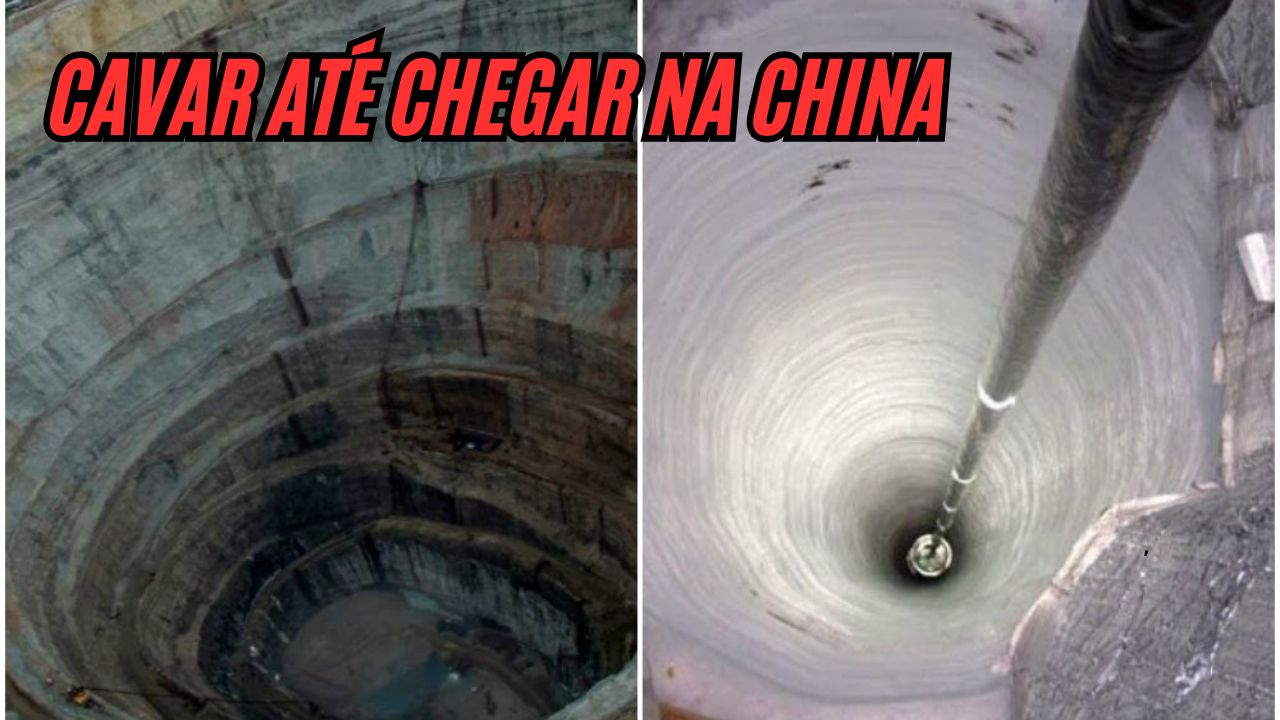
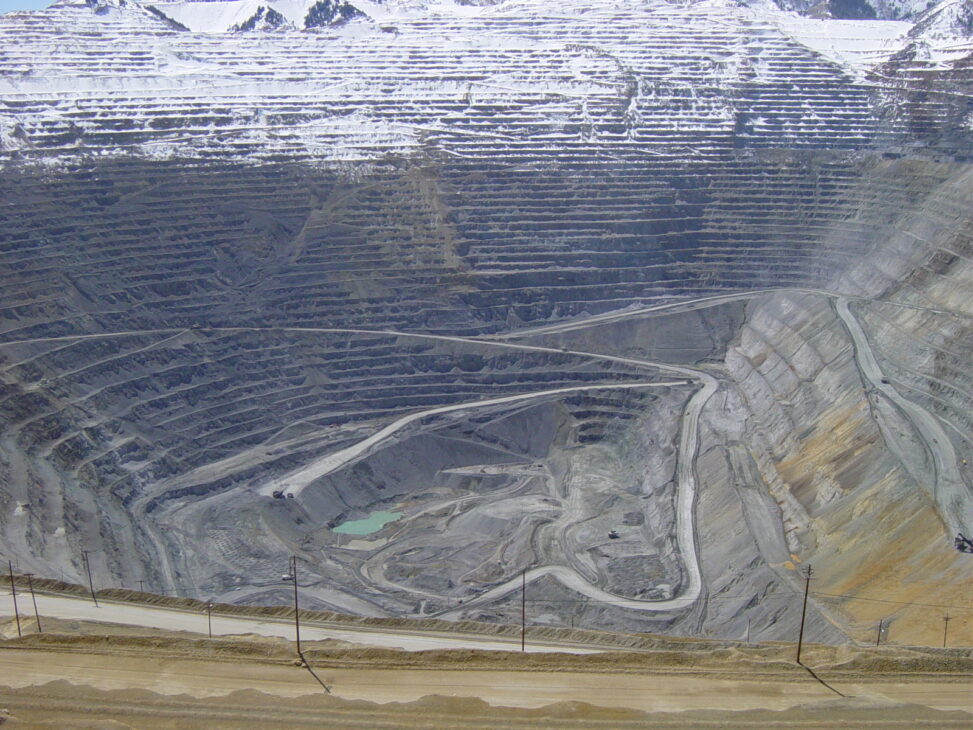
Even In The Face Of Impressive Feats, Such As The Kola Superdeep Borehole (12.2 Km) And The Gigantic Bingham Canyon Mine (1.2 Km), Digging To Reach China Would Require Crossing About 12,700 Km Of Earth, A Challenge That Surpasses Any Achievement Of Modern Engineering.
Who Hasn’t Heard, As A Child, That If They Kept Digging The Ground In The Backyard They’d Reach The Other Side Of The World? The Expression Digging To China Is Famous And Fuels The Childhood Imagination, But From A Scientific Perspective, Things Don’t Work That Way. Research On The Earth’s Internal Structure, Such As The Ones Analyzed By Geophysicist Andrew Gase From Boise State University, Indicates That Crossing The Planet From End To End Is Much More Complex Than It Seems.
Besides China, The Earth Is Divided Into Three Main Layers: Crust, Mantle, And Core. The Crust Is As Thin Compared To The Diameter Of The Planet As An Apple Skin Compared To The Fruit. Just Below Is The Mantle, Made Of Heavy And Dense Rocks, Slowly Moving, With Hot Material Rising And Cooler Material Descending, In A Continuous Cycle. At The Center, The Core, Part Liquid, Part Solid, Reaches Absurdly High Temperatures And Pressures, Impossible To Be Surmounted By Any Current Equipment.
The Deeper The Hole, The Greater The Pressure
Beyond The Earth’s Internal Composition, There Is Another Barrier To Reaching China: The Pressure Exerted By The Upper Layers On The Lower Ones. The Deeper The Hole, The Greater The Pressure On The Walls, Making It Practically Unviable To Form A Straight And Narrow Passage.
-
It seems simple, but it enriches: from R$ 500 to R$ 6,000 per piece and up to 10 days of handcrafted production, how is the couple from Praia Grande making a high income with hyper-realistic miniatures and turning a hobby into a money-making machine?

-
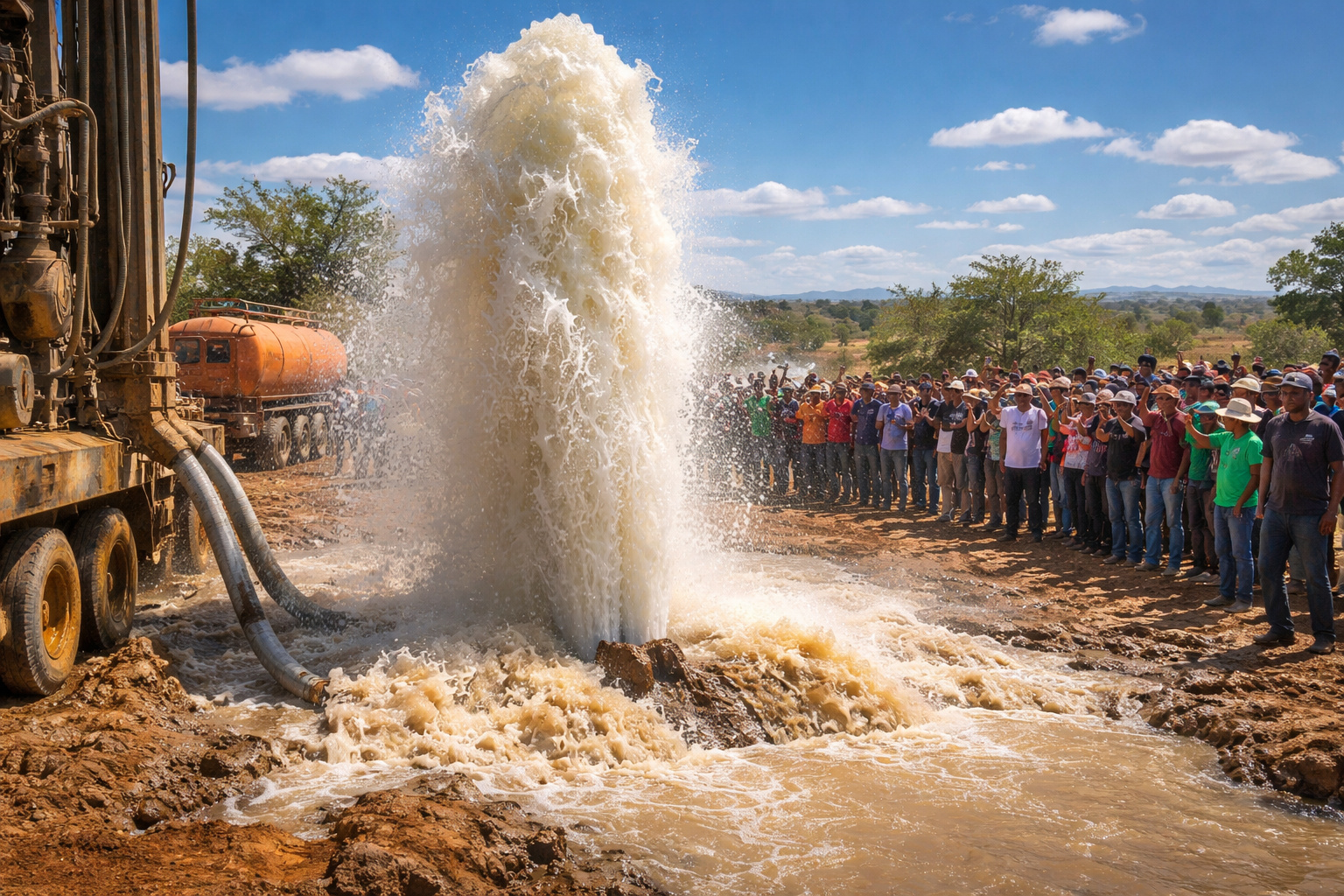
Artisanal well erupts with water in the sertão of Bahia, revealing a surprising flow with six active fissures underground and changing the landscape in the Bahian semi-arid region.
-
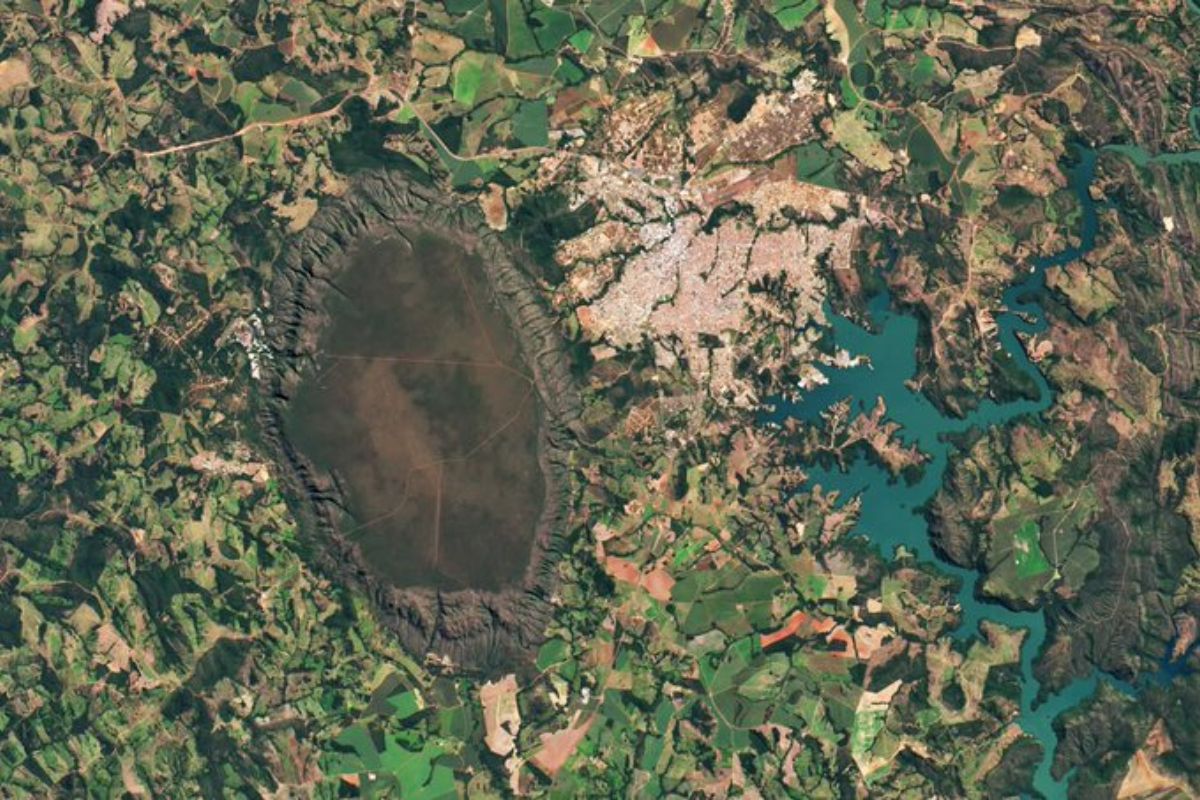
NASA published a photo taken from space of a mountain range in the interior of Goiás, and the whole world wanted to know what it was: beneath it lies the largest hot water spring on the planet, with temperatures reaching 70 degrees in the middle of the Cerrado.
-
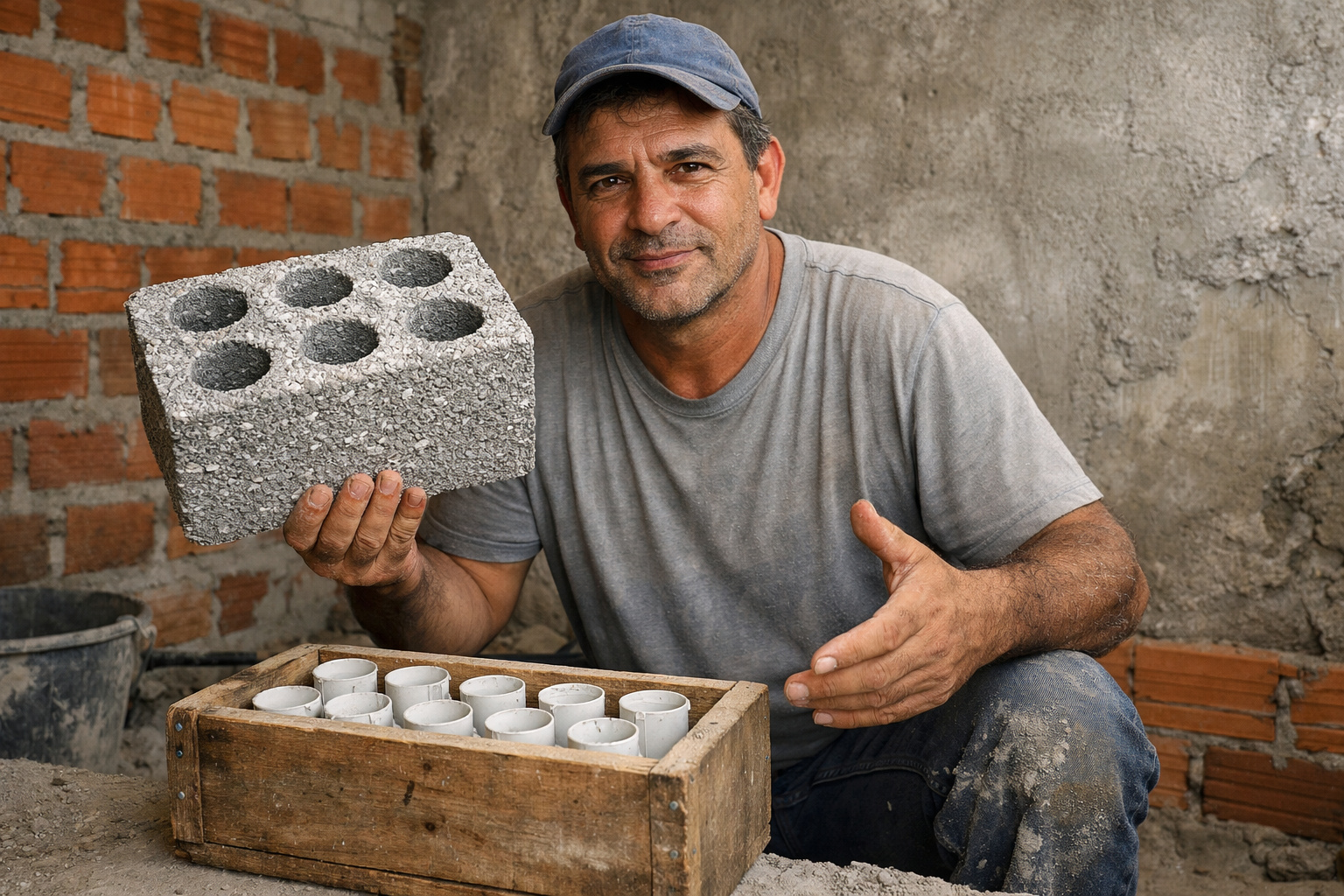
A thermal block costing only R$ 0.40 catches attention by reducing heat by up to 80% using recycled styrofoam, a common kitchen ingredient, and a manual technique capable of producing 50 blocks from a single bag of cement.

In Open-Pit Mines, Such As The Famous Bingham Canyon In The United States, The Ratio Between Depth And Width Needs To Be Carefully Calculated To Avoid Landslides, Even With All The Technology And Engineering Employed.
Digging To Reach China Is Practically Impossible
Now Imagine Trying To Dig To Reach China While Maintaining Stability: It Would Be Necessary To Create An Opening Several Times Larger Than The Actual Diameter Of The Earth, An Absurdity In Practice.
Drilling, On The Other Hand, Can Go Deeper Than Simple Excavation, But Also Faces Strict Limits. The Deepest Well Ever Made By Humans, The Kola Superdeep Borehole In Russia, Reached 12.2 Kilometers, Very Little When Considering The Nearly 12,700 Kilometers Of The Earth’s Diameter.
As It Advances Every Centimeter, Problems Such As High Temperatures, Melting Equipment, Gigantic Pressures, And Instability Of The Well Walls Accumulate, Making The Dream Of Digging To China Impossible With Current Techniques.
Even So, Scientific Advances And Overcome Challenges In Subsurface Exploration Allow Us To Learn More And More About The Earth. Although We Cannot Cross It From One Side To The Other, Studies And Deep Drilling, Such As In The Kola Superdeep Borehole, And Colossal Excavations, Such As In Bingham Canyon, Feed The Knowledge About The Planet And Its Inner Layers.







-

-

3 pessoas reagiram a isso.