





 English
  Francês
  Alemão
  Italiano
  Japonês
  Norueguês
  Portuguese
  Spanish
 3 min of reading


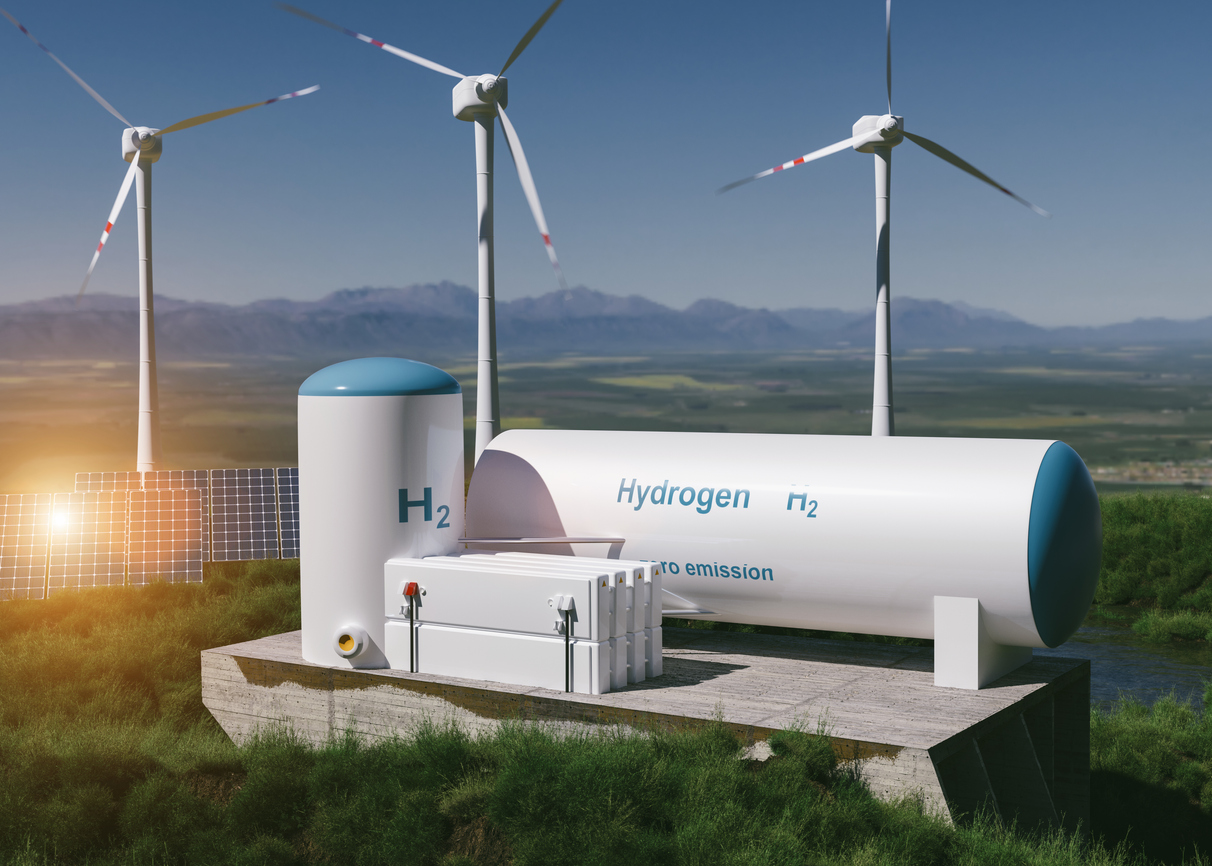
With Various Agreements Already Signed, The State of Ceará is Becoming One of The Possible Largest Producers of Green Hydrogen in The Future
The State government has already signed a memorandum of understanding with companies to make investments in green hydrogen production plants, which could result in investments of R$ 91.25 billion. The forecast is that only these plants will generate 5,000 jobs in the initial phases, not counting secondary or parallel operations. See also: A New Dairy Products Factory Will Be Built in The State of Ceará. R$ 50 Million Will Be Invested and New Jobs Will Be Created
- Chinese Vehicle Manufacturer Unveils Electric Car Capable of Cleaning Air Pollution While Driving The Streets
- After The Price of Gasoline, Ethanol, and Diesel Continues to Rise, Consumers Start Using Compressed Natural Gas (CNG)
- Toyota Surprises The Automotive Industry and Tests Corolla with 1.6 Turbo Engine Powered by Hydrogen
- Graphene in The Arms Market Grows in Brazil and Excites Bolsonaro
- Transport Company Seeks Professionals with High School, Technical, and Higher Education for Job Openings in São Paulo
Subsidiary of The Miner Fortescue Metals Group Will Invest in Green Hydrogen Plant in The State of Ceará
Fortescue Future Industries, a subsidiary of Fortescue Metals Group, a global leader in the iron ore mining industry, will invest US$ 6 billion to build a green hydrogen plant in the state of Ceará. This is due to the broad prospects of sustainable sources, with demand expected to reach 200 million tons by 2030.
According to the governor of the state of Ceará, Camilo Santana, the project is expected to be important for increasing job generation for Cearans. This new green hydrogen hub will also have a plan for tax incentives until 2050, according to the head of the Executive of the state of Ceará. The goal is to facilitate the initiative and accelerate negotiations.
-
Renewable energy advances over protected areas in Brazil, and a survey by the Energy Transition Observatory reveals silent impacts that challenge environmental conservation and pressure sensitive traditional territories.

-
Rio Grande do Sul accelerates energy transition: State invests in renewable technologies and consolidates decarbonization strategies and pathways to attract billions in new industrial investments.

-
With 160,000 m² of collectors, an area larger than 20 football fields, Silkeborg, in Denmark, hosts a solar thermal plant that heats 19,500 homes and could become the largest solar heating plant in the world.

-
A study reveals the expansion of renewable energy procurement in Brazil and shows how companies are taking advantage of opportunities to reduce expenses, ensure energy efficiency, and strengthen strategic environmental commitments.


Qair Brasil Announced A New Hydrogen Plant in The State
Qair Brasil announced at the end of June that it will build a new green hydrogen plant in the state of Ceará. The company, part of the French group Qair, states that the project construction is expected to be carried out in four phases, from 2023 to 2030. The green hydrogen project could receive investments of nearly R$ 4 billion.
Gustavo Silva, operations director of Qair Brasil, says that a large part of the energy needed for green hydrogen production will be supplied by wind and solar parks owned by the company installed in the state of Ceará.
The Largest Green Hydrogen Plant in The World Will Be Built in The State of Ceará
Ceará Will Receive US$ 5.4 Billion in Investments from The Australian Multinational Enegix Energy. The green hydrogen project will be built in cooperation with the government of the state of Ceará, which will construct the largest green hydrogen plant in the world and create thousands of jobs in the region.
According to the company’s statement, Base One will create thousands of jobs during the construction period and will hire hundreds of full-time operators to manage its facilities, bringing positive and far-reaching social benefits to the local community and the country. The new plant could reduce carbon dioxide emissions by 10 million tons per year and will become the largest carbon reduction project in the world.






Seja o primeiro a reagir!