





 Portuguese
  English
  Spanish
 4 min of reading


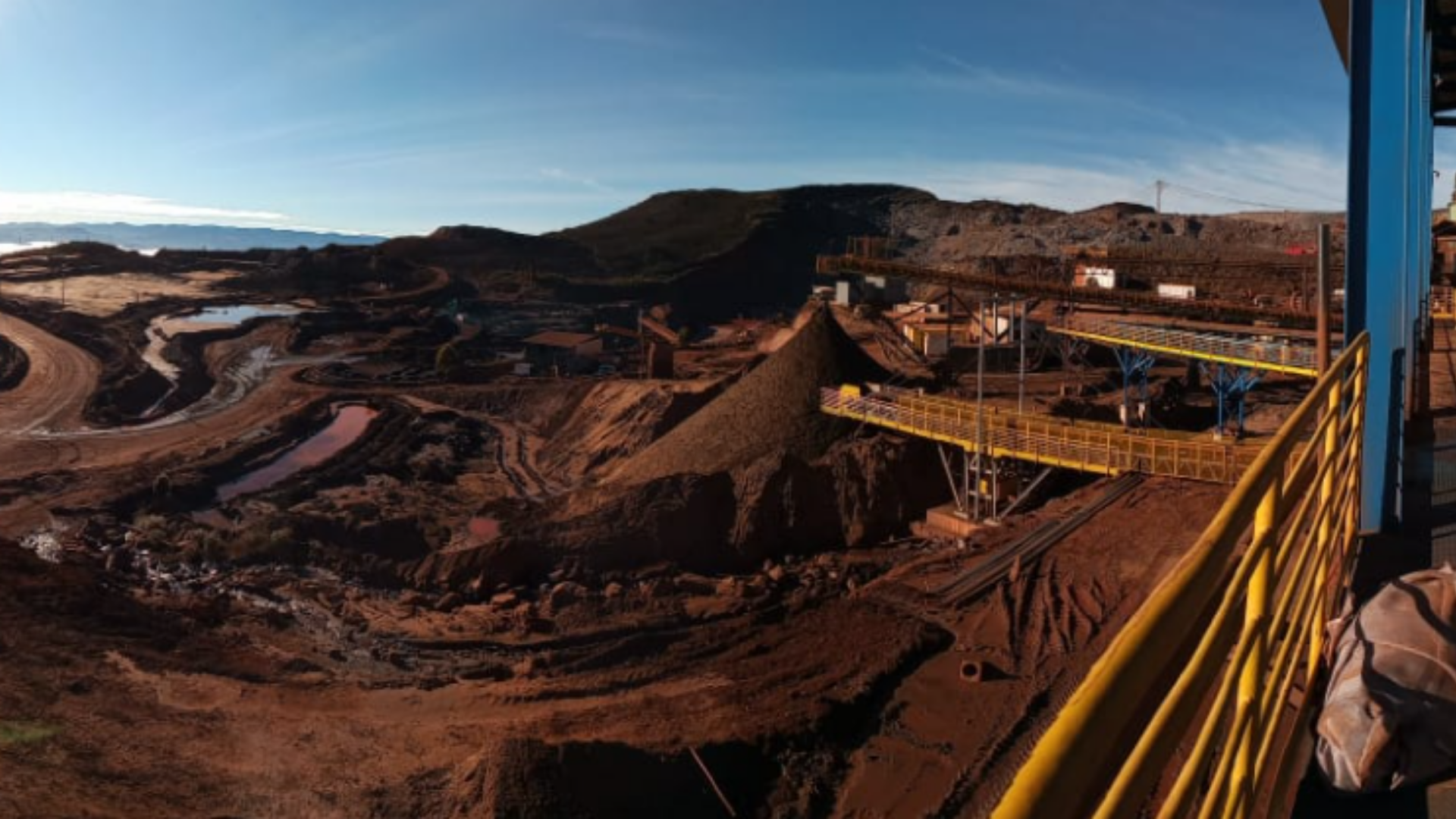
The Cedro Group, owner of the Cedro Mining Company, plans to invest in real estate, agriculture, and solar energy in Minas Gerais
Cedro Mining, a company belonging to the Cedro Group, plans to invest over R$ 1 billion in the next three years in the state of Minas Gerais. Most of the investments will not only be in the business of the Gama Mine in Nova Lima (RMBH), but also in new iron ore assets in the state and the company’s entry into other areas. There are plans for projects in the real estate, agro-industrial, and solar sectors. Also, see this news: Minas Gerais will receive investments of R$ 32.7 billion in the coming years in the sectors of mining, industry, beverages, and others. Thousands of jobs will be created
- In partnership with Senai, Suzano opens 250 vacancies for professional qualification courses in Mato Grosso do Sul
- Chamber approves bill to make solar energy more accessible. The approval will bring more investments to the sector
- Mercedes-Benz’s armored truck is the first to use photovoltaic solar energy technology in Brazil
- Due to a lack of natural gas to supply thermoelectric plants, the government starts using diesel oil in power plants across the country
- Maersk guarantees green fuel for the world’s first carbon-neutral ship
Projects in the Mining Sector in Minas Gerais
The mining sector is set to include five more assets that will allow Cedro Mining to increase from nearly 4 million tons/year to 15 million tons/year by 2026. The projects are in licensing processes with the relevant agencies, and it is expected that the first one will start operating in the coming months.
Other business details have not been disclosed; however, the strength of the initiatives suggests that the company plans to create around 8,000 direct and indirect jobs in the coming years in the state of Minas Gerais. Currently, there are approximately 1,800 employees – including contractors – working only at Cedro Mining, which is expected to close 2021 with revenue exceeding R$ 2 billion.
-
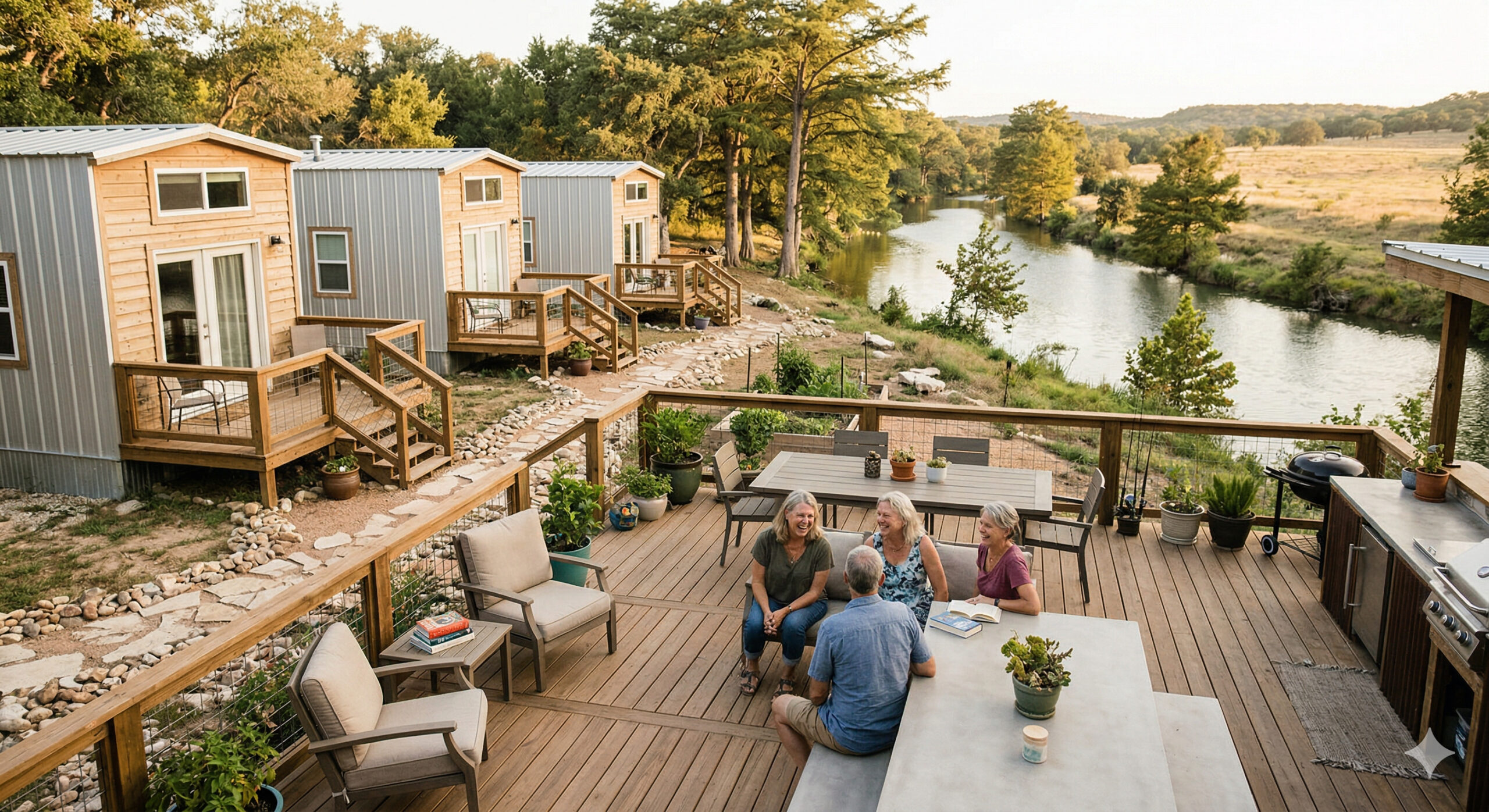
Four friends with over 30 years of friendship built a “mini village” by the banks of a river in Texas to grow old together, with houses of just 32 m² and a shared common space. The Bestie Row project has become a model of alternative living that is starting to spread around the world.
-
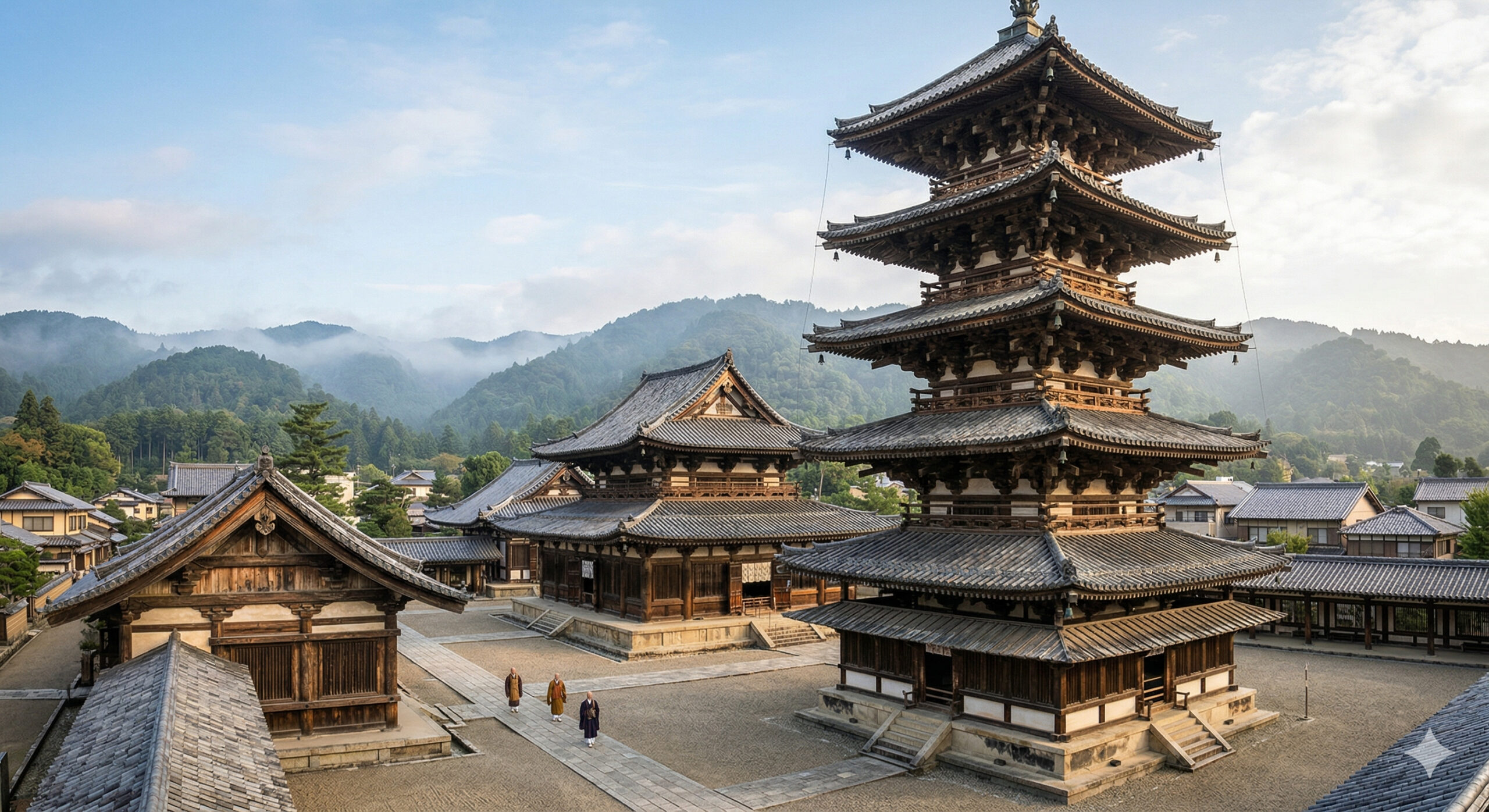
The ancient Japanese capital, planned over 1,200 years ago, still withstands earthquakes with colossal wooden temples and palaces, built without concrete or modern steel, by masters who created engineering capable of enduring centuries.
-
With 74% of companies facing difficulties in hiring, technicians and engineers in renewable energy are becoming scarce in Brazil and are essential to support the expansion of solar, wind, and green hydrogen projects.

-
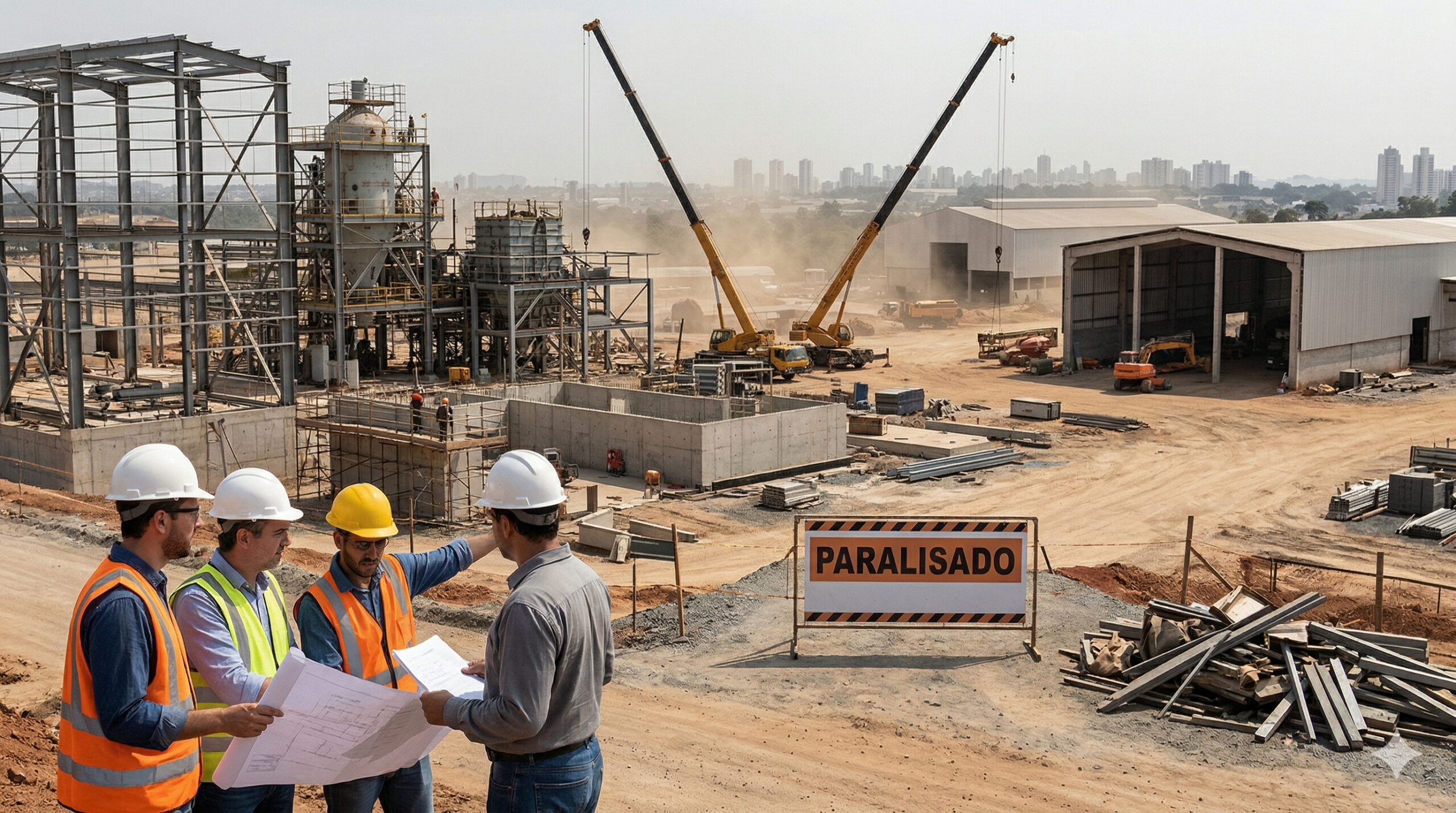
The lack of welders, electricians, and operators becomes a structural threat in 2025, with the construction industry and manufacturing already suffering from delays, cost pressures, and labor shortages in Brazil.

According to the group’s CEO, Lucas Kallas, mining is the foundation of the holding company and supports the new investments. “It is important to distribute risk. Mining is good, but good prices are not eternal. We are betting on renewable energy, which is a sector that has taken off in the state; in agriculture, a powerhouse in our country whose demand will only continue to grow; and in real estate, because an opportunity for an ambitious and high-level project arose in the region,” he summarizes.
New Equipment with High Levels of Technology
Complementarily, the Director of Sustainability at the Cedro Group, Guilherme França, explains that the results have been made possible by Cedro’s investments in the Gama Mine, which has been operational since the 1990s and was operated by the mining company starting in 2018. In total, R$ 200 million has been invested in technology, research, and development to make the unit fully sustainable.
The amount includes about R$ 30 million in equipment for tailings filtration, making the mine the first in the region and one of the few in the state of Minas Gerais with 100% filtered waste material. The process involves separating solids and liquids so that the tailings are filtered through a plate pressing process. The mining waste is stacked dry, eliminating the need for wet material dams, allowing the recovered water from the process to be reused.
Also Read This News: Yara Announces the Sale of Phosphate Mining Project in Minas Gerais for US$ 410 Million
Yara signed a share purchase agreement with EuroChem to sell its phosphate mining project Salitre in Minas Gerais. The deal is valued at US$ 410 million and fits the company’s strategy to focus on food solutions, premium products, and also to enable the hydrogen sector.
According to Yara, Salitre is still an attractive mining project for investors, but the progression of the phosphate project has been impacted by the worsening of Covid-19, and the construction timeline and capital expenses, which are still significant, need to be completed. The divestment from the phosphate project in Minas Gerais supports the company’s transition, reallocating capital and risk appetite in the coming years to the company’s strategic focus areas.




Seja o primeiro a reagir!