





 Portuguese
  English
  Spanish
  4 min of reading
  0 comments


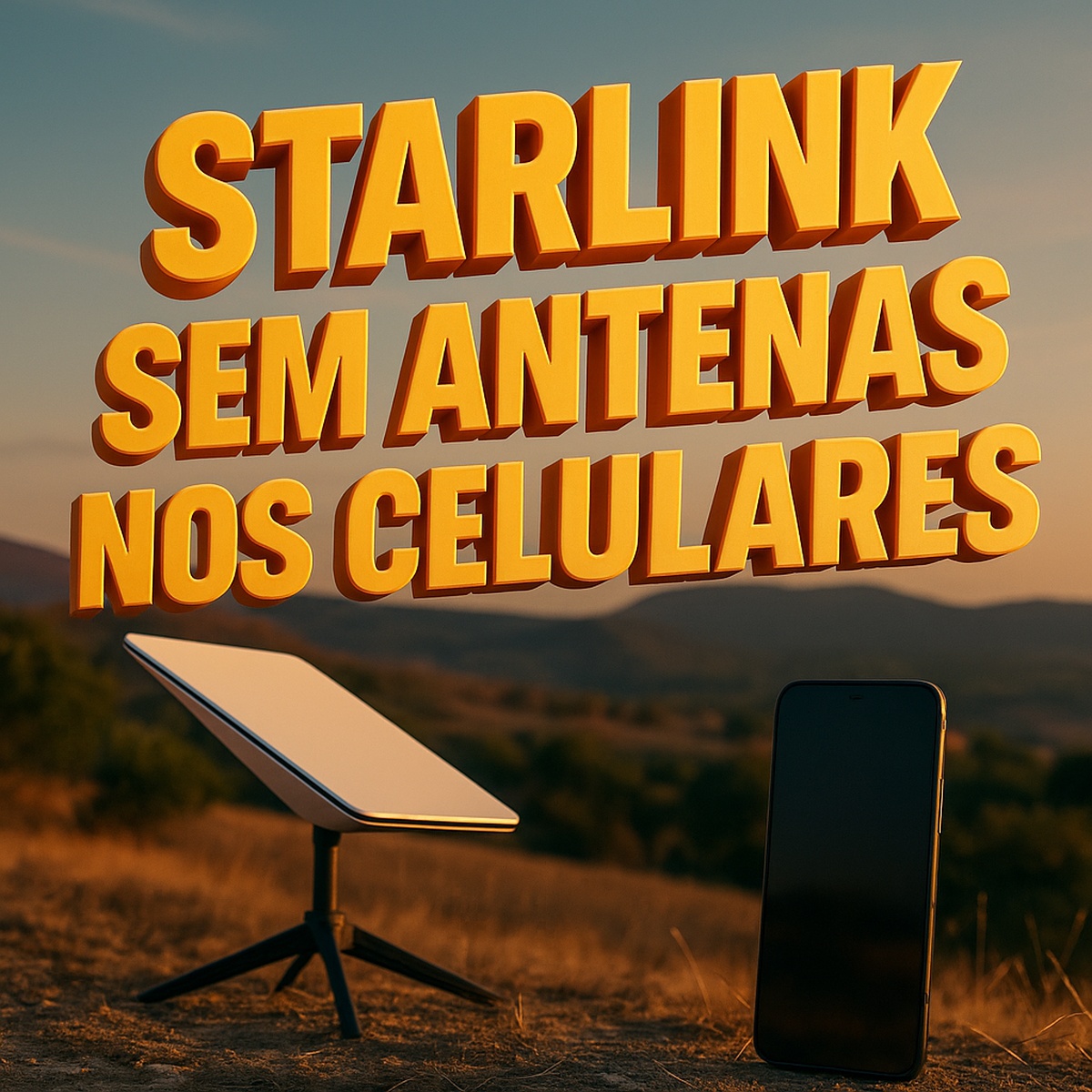
SpaceX News Ensures Satellite Connectivity for Selected Devices Without Extra Antennas, Strengthening Connectivity in Remote Areas
Satellite connectivity, which has always been a desire for isolated regions, is about to revolutionize access to the internet. Starting in July 2025, smartphones from brands like Apple, Samsung, Google, and Motorola will be able to connect directly to the Starlink network, according to an official statement from SpaceX, published in early June 2025. Additionally, the announcement, led by Elon Musk, whose fortune exceeds US$ 400 billion (data from Forbes, May 2025), reinforces the company’s strategy to democratize global signal. Thus, millions of users will be able to communicate even outside traditional coverage, bringing more security.
Direct Connection Promises Immediate Basic Access
The technology Direct to Cell will allow compatible smartphones to establish satellite connectivity without external antennas or additional accessories. When mobile signal fails, the device automatically activates the search for Starlink satellites. Once found, the display shows “T-Mobile SpaceX”, confirming the network. According to SpaceX, in this initial phase, the free connection will only offer three essential functions, which are crucial for those who rely on communication in distant places: sending and receiving SMS, location sharing via GPS, and access to emergency calls (911). Thus, travelers, residents of rural areas, or regions without telecommunications infrastructure will be able to stay in touch when they need it the most.
Approved Smartphone Models in 2025
The official list, released by SpaceX, reveals that only recent models will be able to use the feature. To do so, it is mandatory to keep the operating system updated. Here are the main approved devices, which vary by manufacturer: Apple: iPhone 14 (all versions) and above, ensuring greater coverage. Samsung: Galaxy A series (A14 to A54) and main lines since S21, expanding options. Google: Pixel 9 and Pro variants, which already come with optimized support. Motorola: Devices launched after January 2024, according to a technical note from the brand. Additionally, the company highlights that iPhone 14 and Galaxy S21 will have priority in initial activation, as they present full compatibility.
-
10 million robots per year in unprecedented industrial scale place China at the forefront of automated production and raise the question of how far machines can manufacture other machines.

-
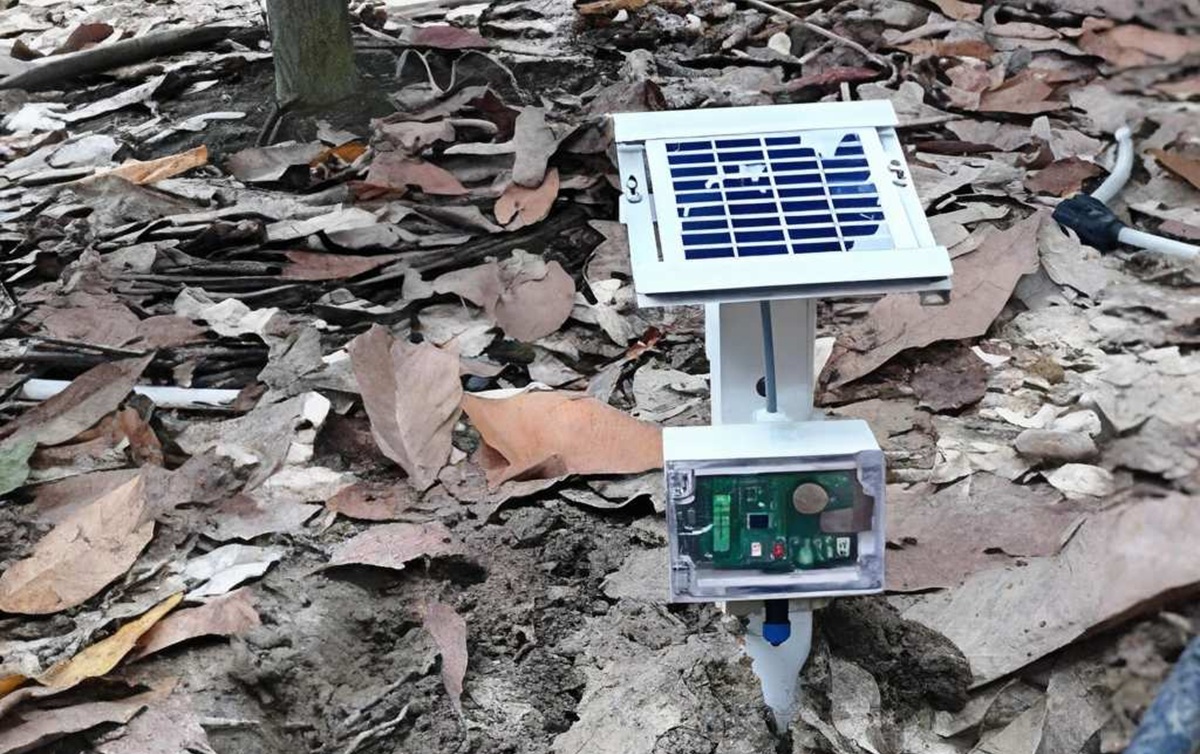
Researchers in Malaysia buried sensors at 15 and 30 cm and can now predict soil moisture with 95.49% accuracy, helping the field to irrigate only at the right time and reduce water waste.
-
Technology developed to protect military communications in the 1940s scrambled voices and today gives rise to the robotic sound that dominates current music.

-
If you look at the sky this Wednesday, you will see the Pink Moon shining at its peak at 10:11 PM, but before you get disappointed, know that the name has nothing to do with the color and instead refers to flowers that bloom at this time in the United States.


Immediate Use Rules and Restrictions
For those who intend to use the service, it will be necessary to be in a Starlink coverage area, as well as to keep the software updated and have an approved model. However, some restrictions remain in place to prevent overload. For example, SpaceX clarified that the connection will not allow free web browsing or high-demand streaming, which guarantees stability for basic functions. Moreover, conventional voice calls are still not permitted at this stage, although a gradual expansion is scheduled for December 2025, according to official reports from SpaceX itself.
Starlink Mini Installation Expands Fixed Connectivity
In addition to direct access via mobile phone, users can invest in the Starlink Mini, which is a portable antenna ideal for fixed internet in hard-to-reach locations. According to a technical manual published on the official Starlink website in May 2025, the compact kit includes support, power supply, cables, and adapters. Therefore, the installation process is simple and autonomous.
Main Installation Steps include: downloading the Starlink app, available for Android and iOS, and using the QR Code included in the kit; choosing a location without barriers, avoiding trees or buildings that block the signal; assembling the support and connecting everything, plugging the power cable to the antenna and the power supply; configuring Wi-Fi, searching for the “Starlink” network and renaming if necessary; adjusting the antenna position, using the app’s instructions for better alignment; and checking alerts, as the light indicator and app notifications help in resolving any failures. For those who want to use an external router, just activate bridging mode, always following the guidance of the official manual.
Impact on Hard-to-Reach Areas
The expansion of Direct to Cell, therefore, is considered strategic for fields, villages, and travel routes where terrestrial network coverage is lacking. Thus, SpaceX, as stated in a press conference in June, plans to cover over 60% of rural areas in the United States by 2026, replicating the model in other continents that face similar infrastructure challenges.
Precautions and Environmental Responsibility
Experts emphasize that large-scale operation does not replace mobile networks, but acts as a contingency plan when there is no local alternative. Additionally, SpaceX argues that, even with the potential for digital inclusion, conscious usage is essential to avoid overloading the system. Thus, telecommunications regulatory authorities, such as the FCC in the U.S., have been monitoring the project since April 2025, requiring transparency and reports on environmental and technical impact.
The Future of Internet Without Borders
For those who believe in a global connection without physical barriers, Starlink shows that technology is advancing rapidly, while still expanding basic access. The expectation, according to SpaceX, is that in the coming years, coverage will become even more extensive, allowing for gradual improvements. In the meantime, users in isolated areas will be able to test this pioneering innovation, which symbolizes a new phase of connectivity for remote communities.
What do you consider more important: to expand the network rapidly, even in extreme areas, or to evolve in a sustainable way, ensuring stability and digital inclusion? Share your opinion in the comments!







Seja o primeiro a reagir!