





 Portuguese
  English
  Spanish
 2 min of reading


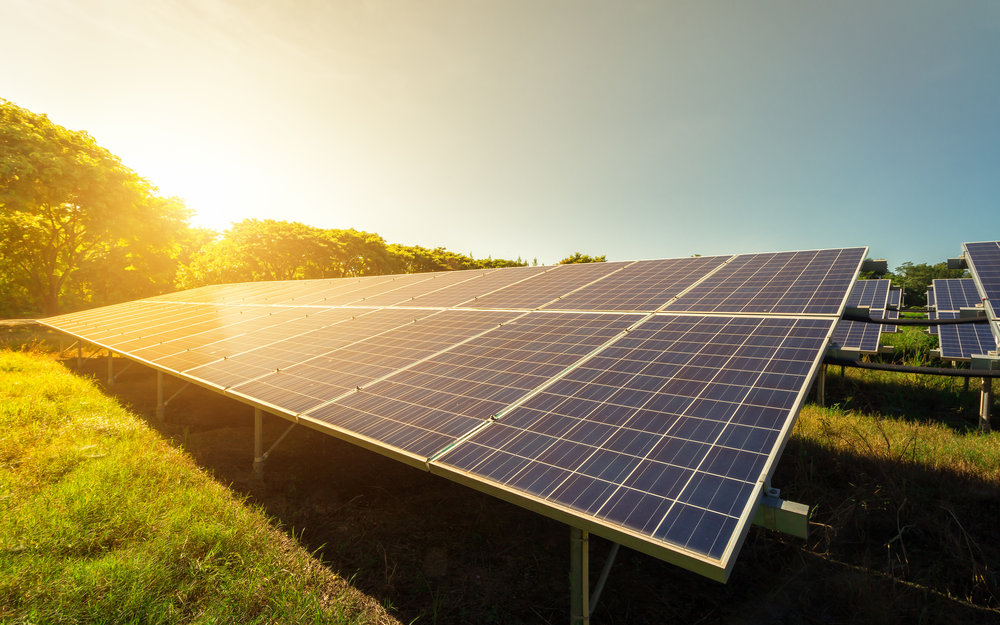
Last Friday, on the 27th, Cemig, through its subsidiary, Cemig Intelligent Solutions in Energy, acquired around 49% of the seven plants dedicated to solar energy generation, through photovoltaic solar sources.
The Cemig group, founded in 1952, contains hundreds of solar energy companies and stakes in more than 20 plants spread across the states of Brazil. The purchase of the plants is in favor of the Distributed Generation and Solar Energy market, totaling an installed capacity of 29.45Wp, with an investment of over R$ 50 million.
Read Also
Cemig Receives International Recognition Award
The Emborcação Plant, located in Minas Gerais, in the municipality of Araguari, received certification through the “International Renewable Energy Certificate Standard” (I-REC). This is a certificate that states that the energy produced by Cemig’s plant comes from a renewable source.
Cemig SIM, a unit of the state-owned company Cemig that is focused on solar energy generation and distribution, plans to double its generation capacity by 2020, expanding its clientele, according to Cemig’s president in a statement to Reuters.
-
Renewable energy advances over protected areas in Brazil, and a survey by the Energy Transition Observatory reveals silent impacts that challenge environmental conservation and pressure sensitive traditional territories.

-
Rio Grande do Sul accelerates energy transition: State invests in renewable technologies and consolidates decarbonization strategies and pathways to attract billions in new industrial investments.

-
With 160,000 m² of collectors, an area larger than 20 football fields, Silkeborg, in Denmark, hosts a solar thermal plant that heats 19,500 homes and could become the largest solar heating plant in the world.

-
A study reveals the expansion of renewable energy procurement in Brazil and shows how companies are taking advantage of opportunities to reduce expenses, ensure energy efficiency, and strengthen strategic environmental commitments.


The growth will come from the acquisition of equity in operational ventures of the technology known as GD, which involves small-scale power plants. Cemig aims to double its energy generation capacity by 2020.
In Brazil, Solar Energy Production Mode Has Grown Rapidly Since 2015
The mode of solar energy production has seen significant growth in the country since 2015, supported by regulatory incentives that make power plant systems, especially solar energy, an attractive option for investment, not only for companies but also for consumers.
The subsidiary’s CEO, Danilo Gusmão Araújo, stated that the company is expected to end 2020 with participation in plants that will amount to around 52 MW in capacity, compared to 30 MW currently.







Seja o primeiro a reagir!