





 Portuguese
  English
  Spanish
 3 min of reading
  0 comments


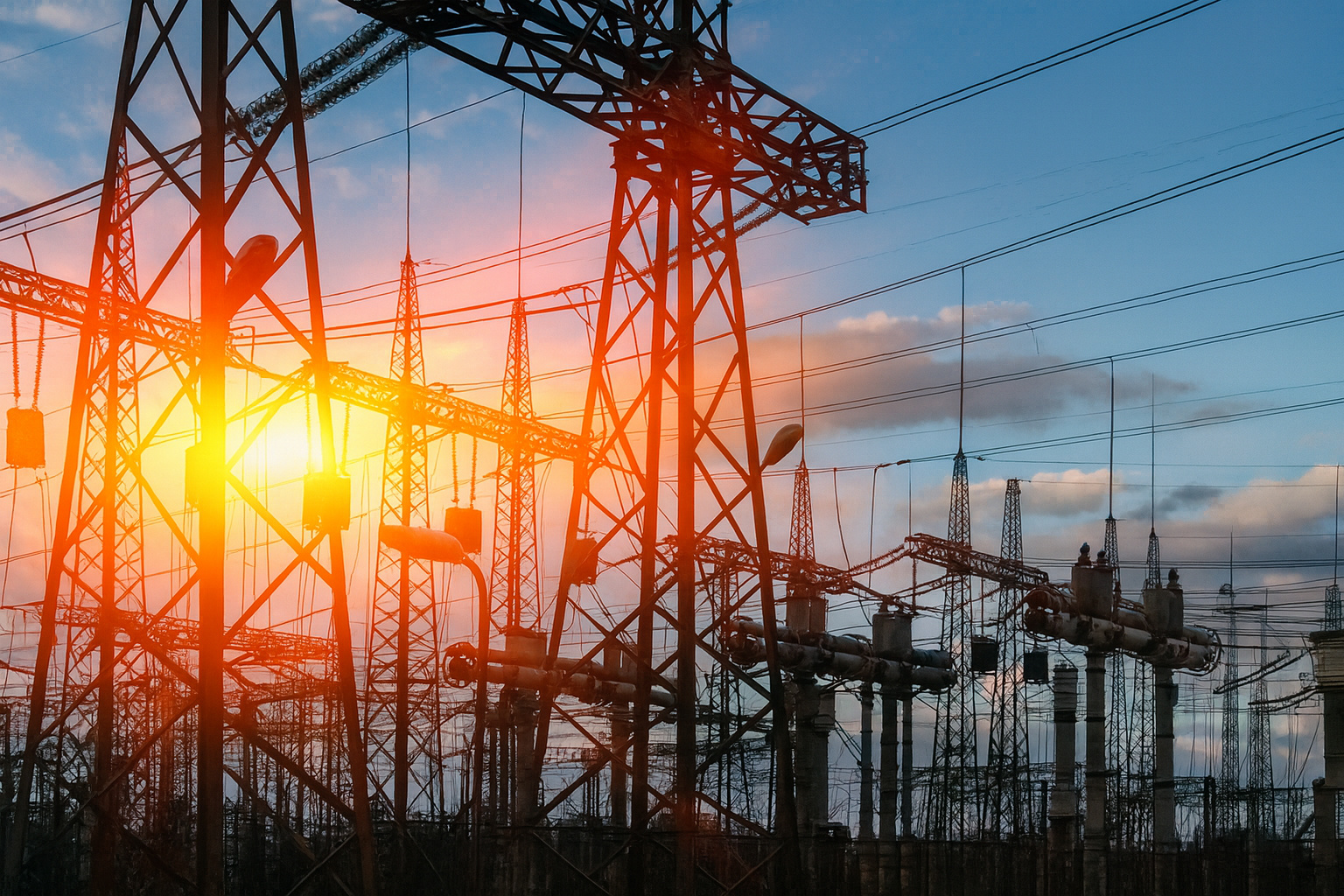
Judicial Decision Reignites Debate on Quality, Continuity and Supervision of Electricity Service
The case involving the Electric Utility Company of Minas Gerais (Cemig) reignited the discussion about responsibility of concessionaires, provision of essential service and prolonged instability, after a consumer faced a series of interruptions in 2022. The analysis was conducted by the 1st Civil Chamber of the Court of Justice of Minas Gerais (TJ-MG), which overturned the decision of the Caldas (MG) District Court and recognized the right to compensation for moral damages.
What Triggered the Legal Dispute
The consumer reported constant loss of electricity supply throughout the entire year of 2022. According to the records attached by the concessionaire itself, there were 14 interruptions during that period. Additionally, there were almost nine hours without power on December 31, 2022, which worsened the impact. Moreover, two days prior, the residence had already been without electricity for three hours, reinforcing the repeated pattern of failures.
The problem, according to the consumer, also affected neighbors on the same street, demonstrating collective instability and not isolated episodes.
-
Sustainable progress in the Southeast: ARSESP opens public consultation for biomethane and accelerates decarbonization projects of the energy matrix in São Paulo.

-
The end of an era? Brazil and global powers accelerate investments in technology and infrastructure to solidify the transition away from fossil fuels.
-
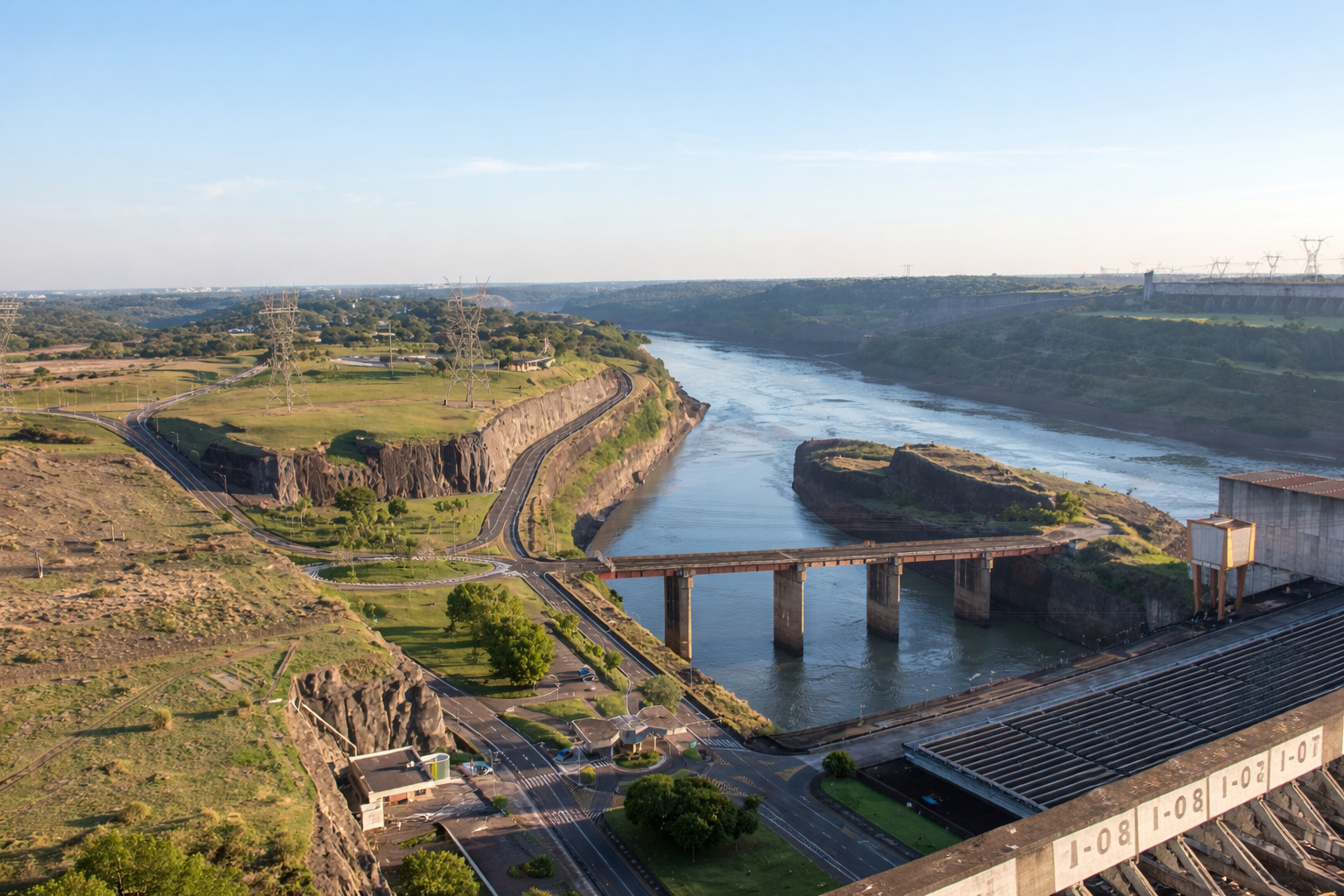
Brazilians paid R$ 18 billion more for energy from the Itaipu plant, reflecting a direct impact on tariffs and generating discussions about costs, transparency, and balance in the national electricity sector.
-
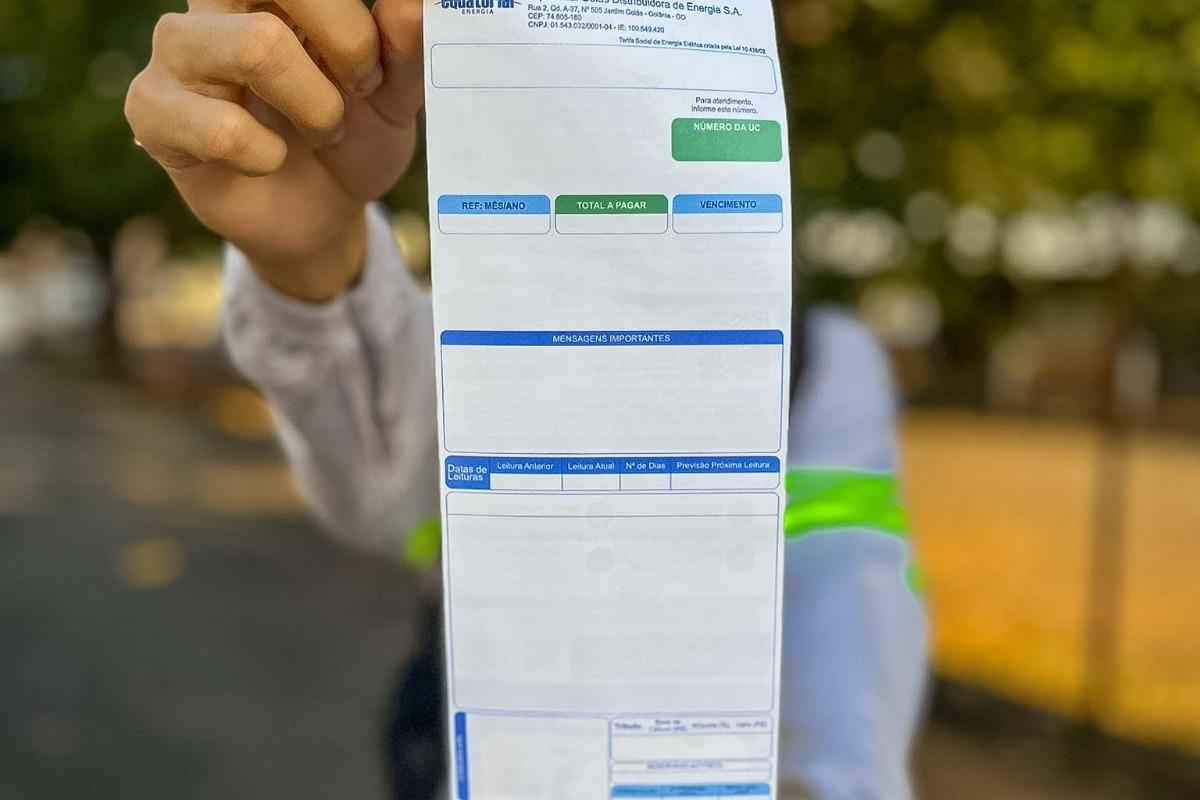
Equatorial adopts new national number for consumer units on electricity bills starting in April, following ANEEL standards and modernizing energy bills in several states.
The Court’s Analysis in First Instance
Despite the recorded interruptions, the initial judgment of the Caldas District Court denied the claims for moral and material damages. The decision concluded that there was insufficient evidence of material damage and did not assign direct responsibility to the concessionaire.
Therefore, the consumer appealed. In her appeal, she argued that the decision ignored the continuous violation of the legal duty of the concessionaire, which must ensure quality and continuity of electricity supply, as mandated by sector legislation.
How the TJ-MG Reevaluated the Case
The appeal was reported by Judge Manoel dos Reis Morais. In his ruling, the magistrate emphasized that the undue suspension of electricity constitutes grounds for moral damages, especially when it occurs without convincing justification and in a repeated manner.
Although Cemig claimed that the interruptions were due to falling trees and lightning strikes, the rapporteur noted that the company did not technically prove these events. Therefore, the concessionaire provided only internal records, without external evidence that validated the claims.
Furthermore, the Court pointed out that there was no demonstration that Cemig restored the service within the regulatory deadlines for all reported occurrences.
What Determined the Final Decision
In light of this set of failures, the 1st Civil Chamber decided to sentence Cemig to pay R$ 5,000 for moral damages. This understanding was supported by judges Alberto Vilas Boas and Márcio Idalmo Santos Miranda, according to a statement from the Press Office of TJ-MG.
However, the request for material damages was again denied, due to the absence of evidence in the records, since the consumer did not present documents proving direct financial losses.
Debate on Continuity of Essential Service
The decision highlights that, as it is an essential service, the electricity supply requires minimum stability, and the lack of technical proof about natural causes does not exempt the concessionaire from responsibility. The case therefore reinforces the debate on quality, supervision and transparency of the recorded interruptions.
Consequences and Future Reflections
The process strengthens the argument that consumers can seek compensation in situations with repeated and prolonged failures, especially when there is no adequate technical proof. In light of this, the question remains: how to ensure that constant interruptions do not harm other consumers in the future?







Seja o primeiro a reagir!