





 Portuguese
  English
  Spanish
  3 min of reading
  0 comments


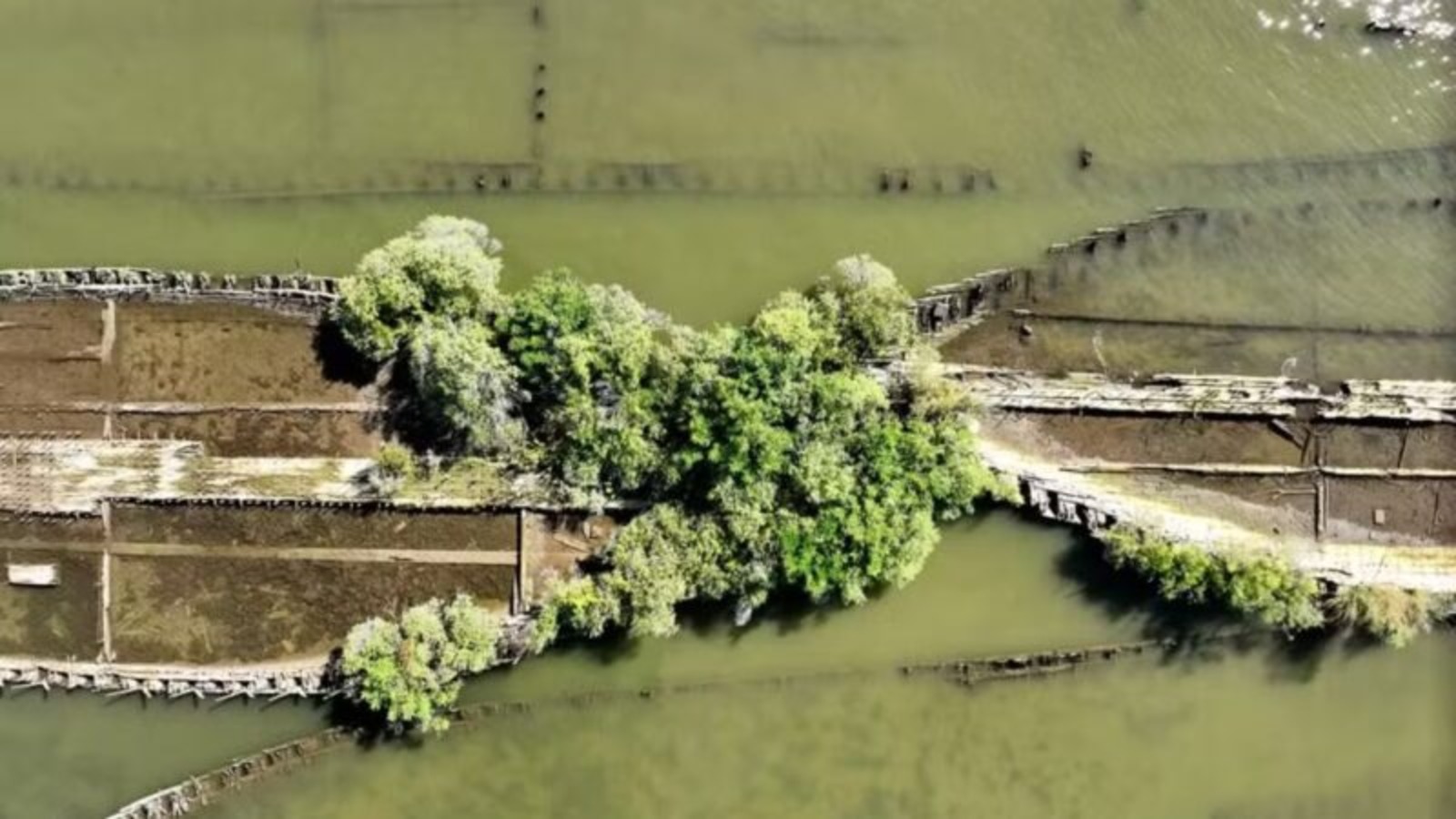
Abandoned And Burned Ships In Mallows Bay On The Potomac River Became A Unique Ecological Refuge That Today Houses Trees, Birds And Marine Life
In 1929, the American company Western Marine & Salvage carried out an operation that would forever change the landscape of Mallows Bay, a cove on the Potomac River. The company transported 169 ships hastily built during World War I, with the mission of dismantling the so-called “Emergency Fleet.”
A Drastic Operation
To salvage metals and other materials, the ships were burned down to the waterline. The fire facilitated the removal of valuable parts, but left behind a scene of destruction.
Many vessels sank in pieces, while others were swallowed by sediments. At the time, it seemed like an irreversible environmental disaster.
-
A 68-year-old pizza delivery driver went off route to buy a soda that was missing from a visually impaired customer’s order, refused an extra tip, and now Dan Simpson has over R$ 546,000 in donations from people around the world who want to ensure he can retire peacefully on April 30.

-
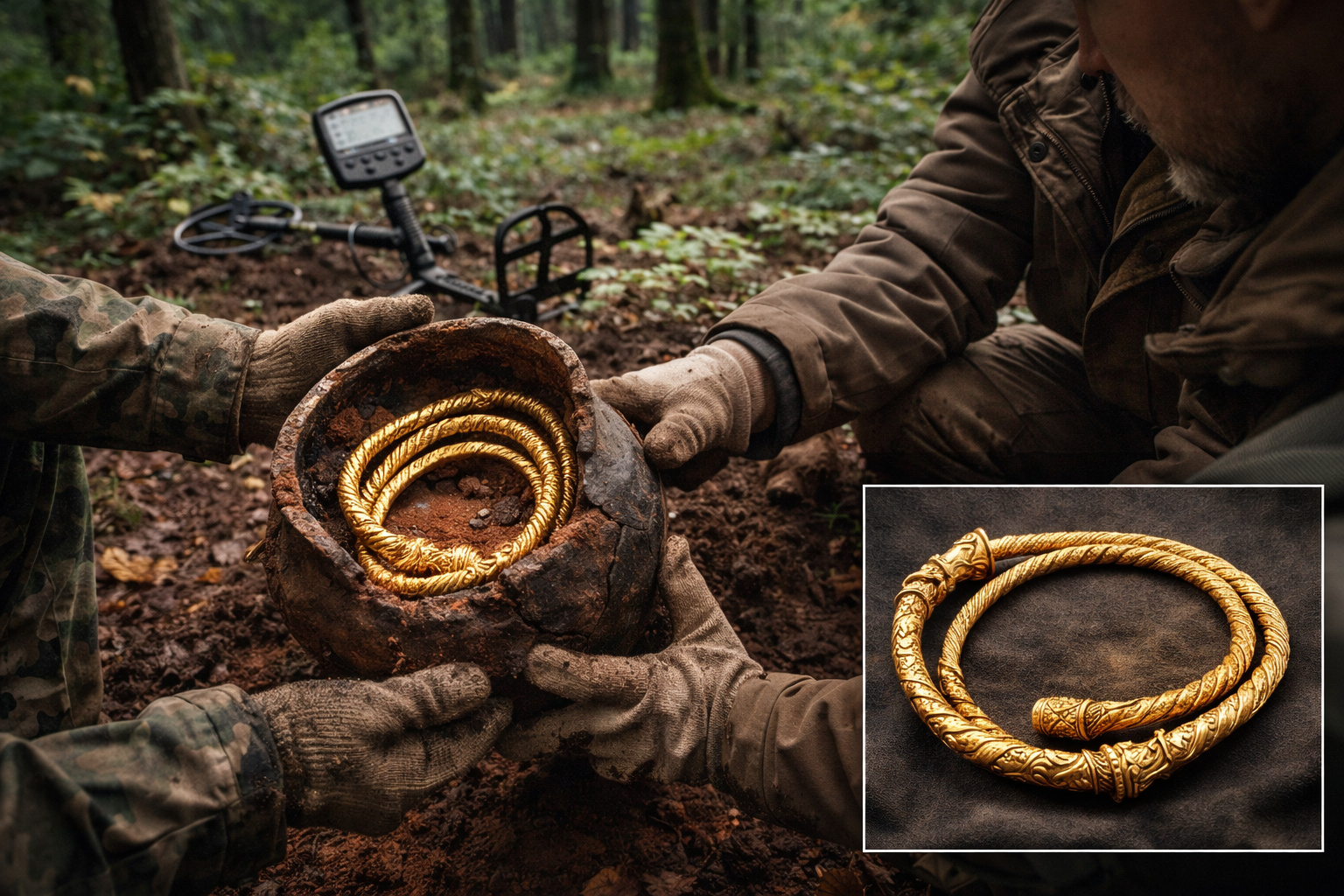
Amateur archaeologists were searching a forest in Poland with metal detectors when they found a ceramic pot buried for over 1,500 years. Inside was a pure gold necklace weighing 222 grams, folded to fit in the vessel, and when experts examined the piece, they discovered it was the first Gothic torque ever found in Polish territory.
-
Millions of people have been eating pomegranates for centuries without knowing that this ancient fruit contains punicalagins, which scientists are studying for their possible effects on memory and vascular health.

-
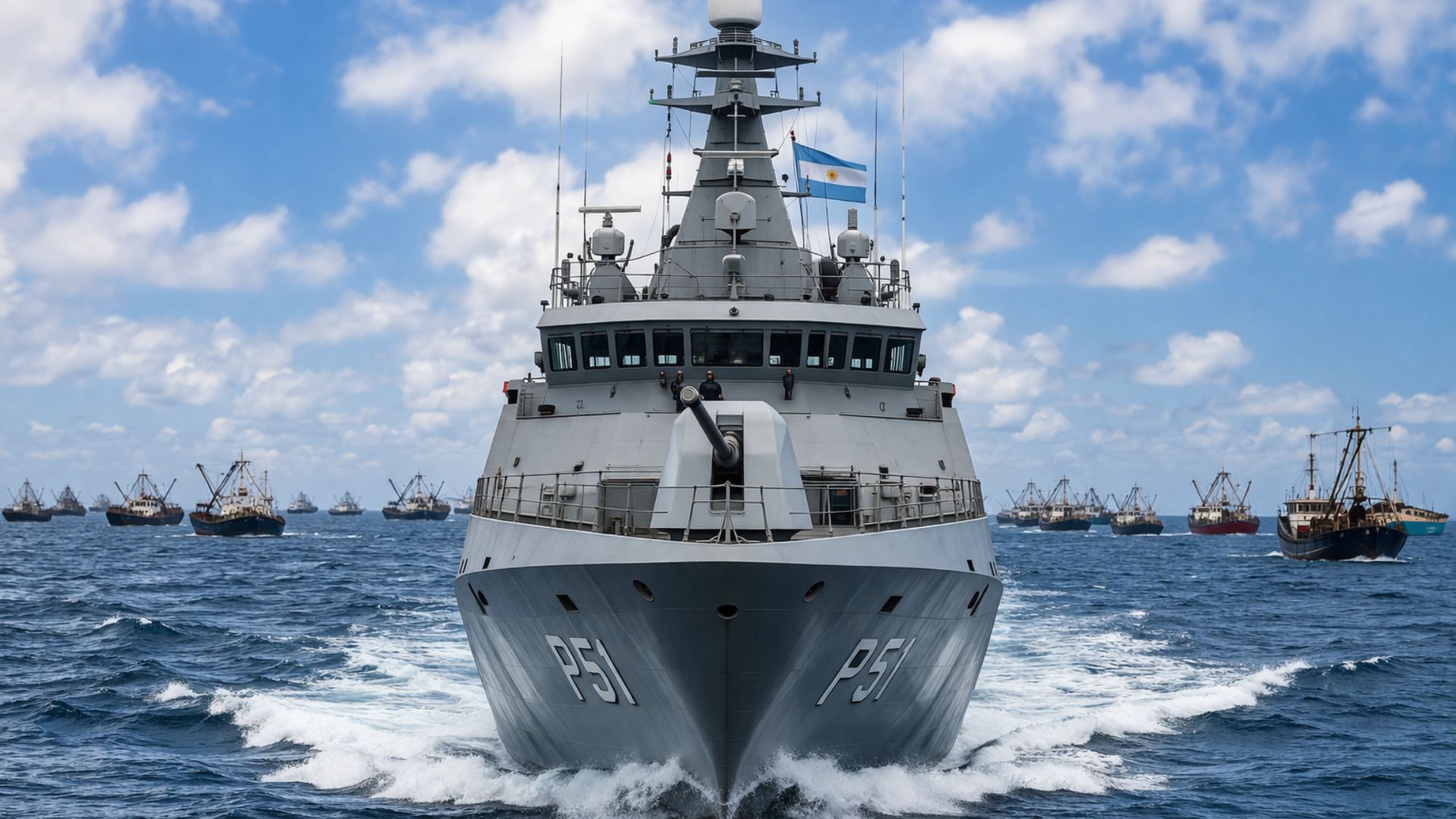
Argentina patrols the South Atlantic with ships built in France and monitors over 1.1 million km² with 87 m OPVs, a range of 7,500 miles, 360° radar, and a 30 mm cannon against illegal fishing in the 200-mile zone.
Over time, however, the wreckage transformed into something unexpected.
The Ghost Fleet Takes Shape
Today, 147 hulls can still be identified, forming the so-called “Ghost Fleet of Mallows Bay.” The site hosts a peculiar ecosystem that has grown directly on the wreckage.
Marine species found refuge in the structures, taking advantage of hard and stable surfaces that serve as shelter.
Biologist David Johnston from Duke University summarized it well: “In many ways, this event was catastrophic. But life is so strong that it takes something like this and turns it into its own habitat.”
How Life Established Itself In The Ship Graveyard
The tides played a decisive role. They carried silt and particles that accumulated on the hulls over the decades.
This process allowed seeds carried by animals to germinate on the iron carcasses.
The result is curious. Trees emerged atop rusted ships, algae spread across submerged beams, and birds like osprey turned masts into nests.
Johnston describes the phenomenon as a “positive spiral”: structures attract animals, which bring seeds, generating even more life.
The Discovery By Accident
The ecological value of the cove only gained recognition in recent times. In 2016, Johnston’s team was looking for areas to test drones.
While observing images from Google Earth, they noticed shapes resembling hulls scattered across the Potomac. Their curiosity led them to investigate.
Three drone models were used: one mapping the entire fleet, another focusing on specific wrecks, and a third capturing high-definition videos.
The resulting material produced detailed orthomosaics that recorded both the extent of the wreckage and the evolution of the ecosystem.
From Graveyard To Sanctuary
The evidence collected caught the attention of the National Oceanic and Atmospheric Administration (NOAA) and the Maryland Department of Natural Resources. In 2019, the site was officially designated as a National Marine Sanctuary.
The decision recognized not only the historical value of the shipwrecks but also the environmental importance of the area, now considered a true living laboratory.
A Future Of Discoveries
Johnston states that mapping is a starting point for future studies. Researchers believe that what is visible on the surface represents only part of the existing biodiversity.
New underwater images are expected to reveal an even greater variety of organisms living in the remains of the fleet.
Mallows Bay shows how destruction and life can intertwine. The burned iron of the past has become a support for a vibrant ecosystem, reminding us that nature finds ways even in the most unlikely places.
With information from Aventuras na História.






-

-

-

4 pessoas reagiram a isso.