





 Portuguese
  English
  Spanish
  5 min of reading
  52 comments


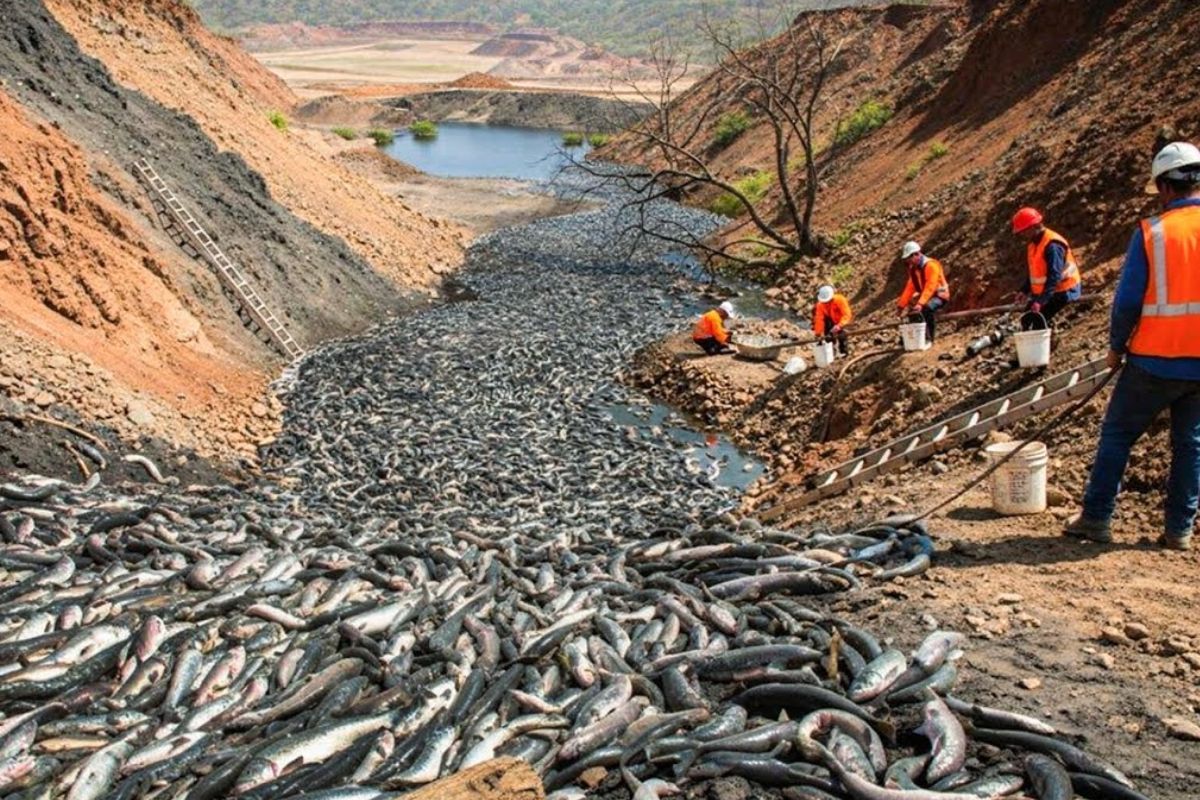


After Almost A Century Of Blockage, Fish And Salmon Return To Swim Up The Elwha River: Two Hydroelectric Dams, Completed In 1913 And 1927, Were Removed. Migration Fell From Over 400 Thousand To Few Thousand Per Year. Dismantling Began In 2011 And Is Still Debated Over Sediments And Governance.
At The Beginning Of The 20th Century, Two Hydroelectric Dams Built In 1913 And 1927 On The Elwha River Did Not Provide Passage For Fish And Helped Disrupt A Natural Cycle That Sustained The Return Of Salmon In Mass. Decades Later, The Decision To Dismantle The Structures, Initiated In 2011, Became A Real Test Of River Restoration.
The Most Visible Result Now Is The Advancement Of Migration: Where There Once Returned Hundreds Of Thousands Of Salmon Per Year, The Flow Had Fallen To Just A Few Thousand By The End Of The 20th Century. With The Reopening Of The Corridor, Previously Inaccessible Sections Have Returned To Use, Reigniting An Inevitable Debate: How Far Is It Worth Going To Restore A River To Its Natural Flow.
How Dams Changed The Lives Of Fish And Salmon
The Two Dams Were Designed To Provide Electricity In An Era Of Industrialization, Supporting Factories And A Growing City.
-
Something is happening around the Earth: Inside the huge explosion of fireballs in 2026

-
A hot air bubble coming from Argentina expands over Brazil, causing thermometers to exceed 38 degrees with a thermal sensation of 40 degrees in late March, affecting 6 states at once.

-
The radish leaf that almost everyone throws away has more polyphenols, flavonoids, and fiber than the consumed root, and a 2025 study showed that the leaf contains compounds that protect the intestine, combat inflammation, and may inhibit the growth of cancer cells.

-
A planet that seemed to defy the laws of physics has intrigued scientists for decades, until the James Webb revealed what is really affecting Saturn’s rotation.


The Critical Point, However, Is That Neither Included Fish Passage, And The Very Geography Of A Narrow And Steep Canyon Made The Installation Of Fish Ladders Practically Unfeasible With Early 20th Century Technology.
Even Later, When The State Of Washington Passed Laws Requiring Fish Ladders, The Dams Remained And Were Granted Exemptions.
In Just A Few Years Of Operation, Over 70 Miles Of Upstream Habitat Became Isolated From The Salmon Cycle, Right Where Many Natural Spawning Sites Were Located.
From Hundreds Of Thousands To A Few Thousand Per Year
The Material Describes The Elwha River As One Of The Most Robust Salmon Ecosystems On The West Coast Of The U.S. Before The Dams.
Every Year, Over 400 Thousand Pacific Salmon Migrated Upstream To Spawn, Including Species Listed As Chinook, Coho, Sockeye, Pink, And Chum.
After The Blockage, This Dynamic Collapsed: The Runs That Once Returned In Hundreds Of Thousands Stopped Reaching Spawning Areas, And The Number Of Fish Fell To Only A Few Thousand Per Year By The End Of The 20th Century.
The Impact Was Not Just “Less Fish”, It Was The Breakdown Of An Entire Ecological Engine.
Ecological Cascade When Fish Disappear
The Decline Of Salmon Did Not Mean Just Less Food Available.
A Sequence Of Effects: Marine-Derived Nutrients Stopped Being Transported Back To The Riparian Forests, The Riverbed Became Simpler, Lacking Large Woody Debris And Natural Sediment Disturbance.
Insects Decreased, Birds And Mammalian Predators Became Rarer, And A System Once Synchronized With The Rhythm Of Salmon Began To Drift Away From Its Own Balance.
This Relationship Becomes Even More Detailed When The Material Explains That Salmon Carcasses After Spawning Returned Nitrogen And Phosphorus From The Ocean To The River And Surrounding Forests.
There Are References To Studies Indicating That In Rivers Like The Elwha, Up To 20% To 25% Of The Nitrogen Found In Riparian Vegetation Could Have Originated From Salmon.
Why Removal Became A “Last Resort” And Also Controversy
In The 20th Century, The United States Built Over 90 Thousand Dams, And In The Elwha, For A Long Time, Restoration Was Treated As A Lost Cause.
The Turning Point Came When The Benefits Of The Dams Began To Appear Smaller Than What They Took Away From The River, Leading To The Central Question: Remove Or Preserve.
The Complete Removal Is Described As A Rare Decision And Therefore Controversial: It Exchanges The Predictability Of A Structure For A Long Process Of Natural Rebalancing, With Short-Term Ecological Costs And Disputes Over How To Manage The River’s New Phase.
What Happened After Dismantling Began In 2011
Just A Few Years After Dismantling, Something Considered Extraordinary Happened: Salmon Started To Reappear In Sections Of The River Where They Had Been Absent For Generations.
The Return Of The Fish Was Not Instantaneous, But It Was Quick Enough To Surprise.
The Recovery Is Also Described As Something That “Overflows” The Riverbed. The Material States That Mammals Such As River Otters And Black Bears Began To Appear More Frequently Along The Banks, Benefiting From The Seasonal Supply Linked To Salmon, And Scientists Detected Nitrogen Derived From Salmon Reappearing In Riparian Trees, A Sign Of Reconnection Between River And Forest.
The Challenges: Sediment, Turbidity, And Fish Management
The Restoration, However, Is Not Portrayed As An “Automatic Happy Ending.” With The Return Of Salmon In Large Numbers, The Ecosystem Had To Adjust To Sudden Increases Of Nutrients After Each Spawning Season.
In Some Sections, This Stimulated Strong Growth Of Algae And Microorganisms, Seasonally Reducing Dissolved Oxygen.
At The Same Time, The Removal Released Large Amounts Of Sediments Retained For A Long Time, Making The River Murkier In The Early Years And Reshaping The Mouth.
And Beyond Natural Processes, Management Concerns Arose: Fishermen Fearing More Dispersed Migrations And Managers Weighing The Balance Between Conserving Wild Salmon And Maintaining The Role Of Hatchery Programs.
What This Case Could Mean For River Restoration
The Elwha Case Appears In The Material As An Example That Restoration Is Not A Destination, But A Complex Process, That Does Not Immediately Return An Ecosystem To An “Idealized State.”
The Message Is Clear: Freeing A River After Decades Of Control Requires Time For Adjustment And To Find A New Balance.
And It’s Here That The Topic Becomes Public Discussion: Removing Dams Without Fish Passage Affects Energy, Local Economy, Landscape, Fishing, Tourism, Biodiversity And How A Society Decides What To Prioritize When Infrastructure And Nature Clash.
Are You In Favor Of Removing Dams Without Fish Passage To Accelerate The Return Of Salmon And Recover Rivers, Even With Turbidity, Sediments, And Years Of Adaptation Ahead?






A FAVOR DA REMOÇÃO DE BARRAGENS.
CONSTRUAM BARRAGENS ONDE NÃO SEJA O CAMINHO DOS SALMOES.
Todo está perfectamente diseñado. El humano es el que trastorna todo el equilibrio. Ahora que dejaron las cosas como eran antes, dejen que la naturaleza sola se regenere y poco tiempo esa región volverá a ser lo que alguna vez fue…solo no intervengan más!
Nos dias de hoje que se preza tanto a natureza, fica difícil entender a discussão se deve manter algo que foi evidentemente prejudicial a natureza com os peixes. Parece haver um confronto com ações mesmo que estas visem restaurar um ambiente natural.