





 Portuguese
  English
  Spanish
  2 min of reading
  0 comments



Despite The Recent Slowdown In E-Commerce, Logistics Through Distribution Centers Maintains Its Firm Impact On The Economic Landscape.
With the boom of online shopping, logistics has been the focal point for many companies, transforming distribution centers into robust pillars of the Brazilian economy. Whether in industry or retail, the efficient storage and shipping of products have proven vital, especially in traditional marketplaces.
E-Commerce And The Vital Role Of Distribution
Although 2022 witnessed a more modest growth in e-commerce, with an increase of only 1.6% compared to the splendid 41% in 2020, according to reports from Nielsen|Ebit, virtual retail still keeps a flame alive in the hearts of Brazilian consumers. The role of distribution centers in this scenario cannot be underestimated. They are the backbone that ensures products arrive promptly and in perfect condition to customers’ hands.
“These centers have become synonymous with customer satisfaction. Thanks to their strategic location, delivery is faster, ensuring that consumers receive their products as and when expected,” points out Robson Rizzotto, leader at FoccoERP, a management platform that assists multiple industry segments.
-
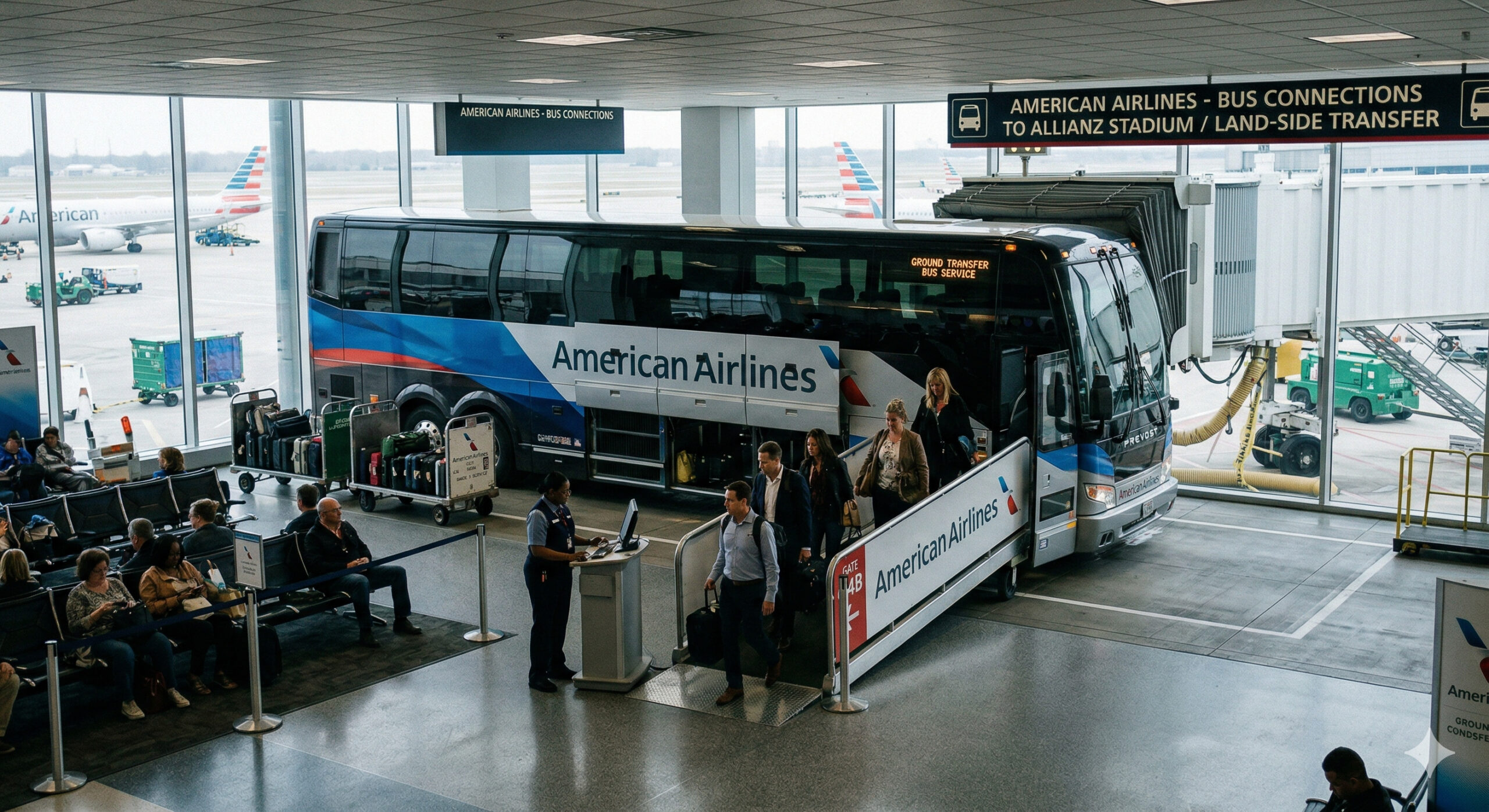
American Airlines starts selling trips as if they were flights, with check-in and baggage check at the airport, but on short routes, passengers board luxury buses connecting cities to major hubs in the U.S.
-
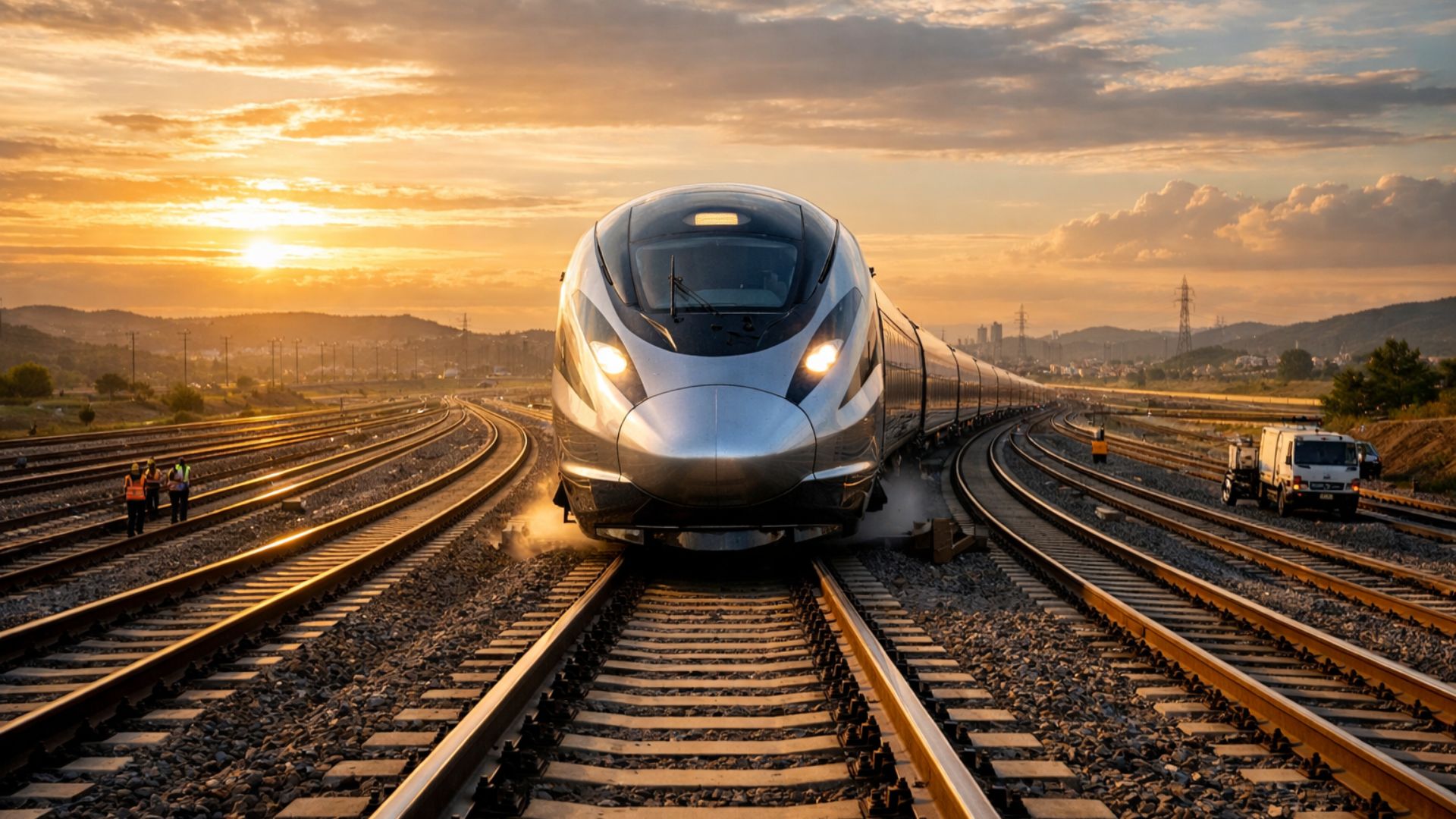
São Paulo surprises the world with a colossal railway network project that promises over 1,000 km of tracks, R$ 194 billion in investments, and 40 projects connecting the capital to the interior with fast and sustainable trains.
-
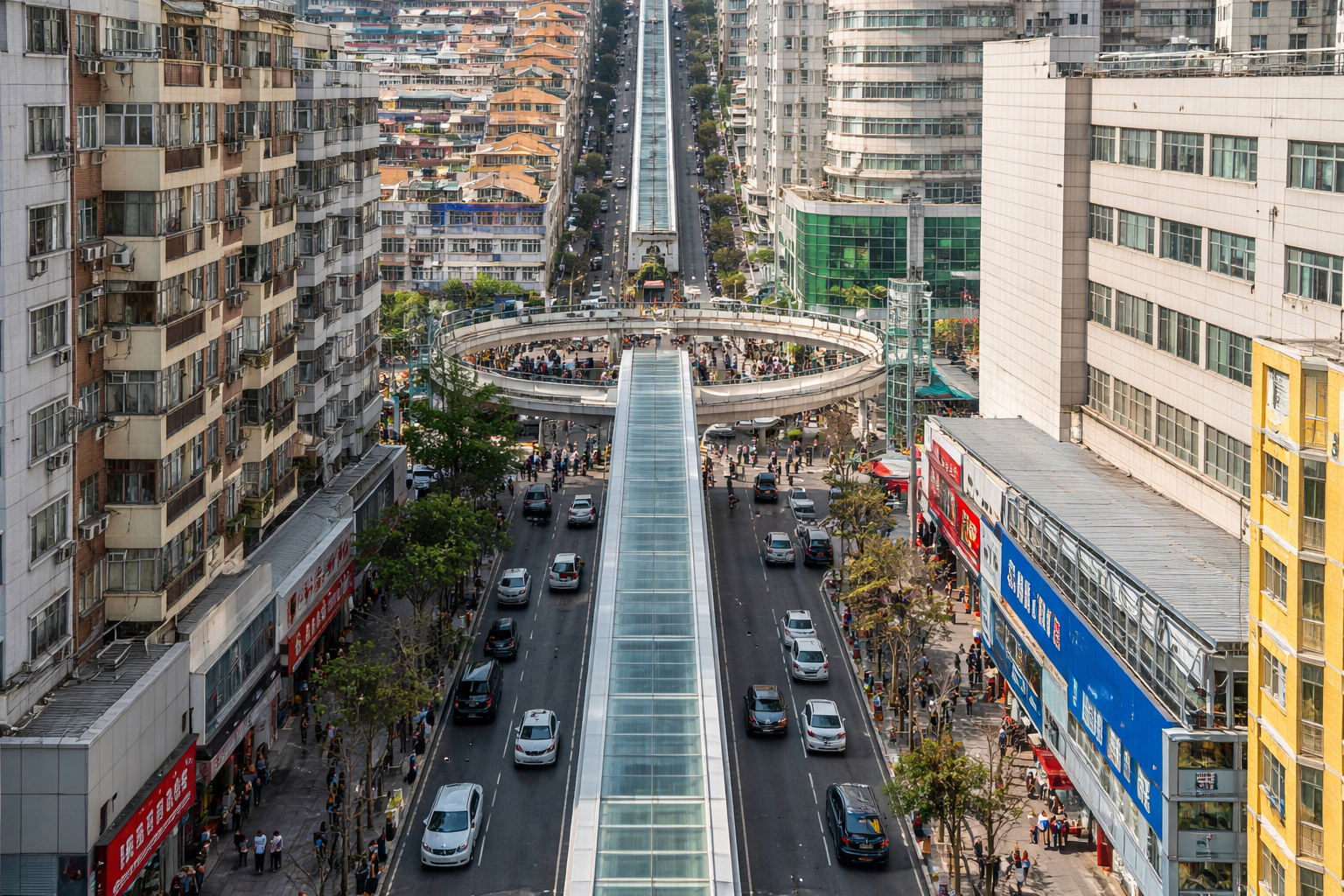
The world’s largest escalator, measuring 905 meters in China, reduces urban travel time from 1 hour to about 20 minutes and transforms mobility in mountainous regions with an engineering solution adapted to the terrain.
-
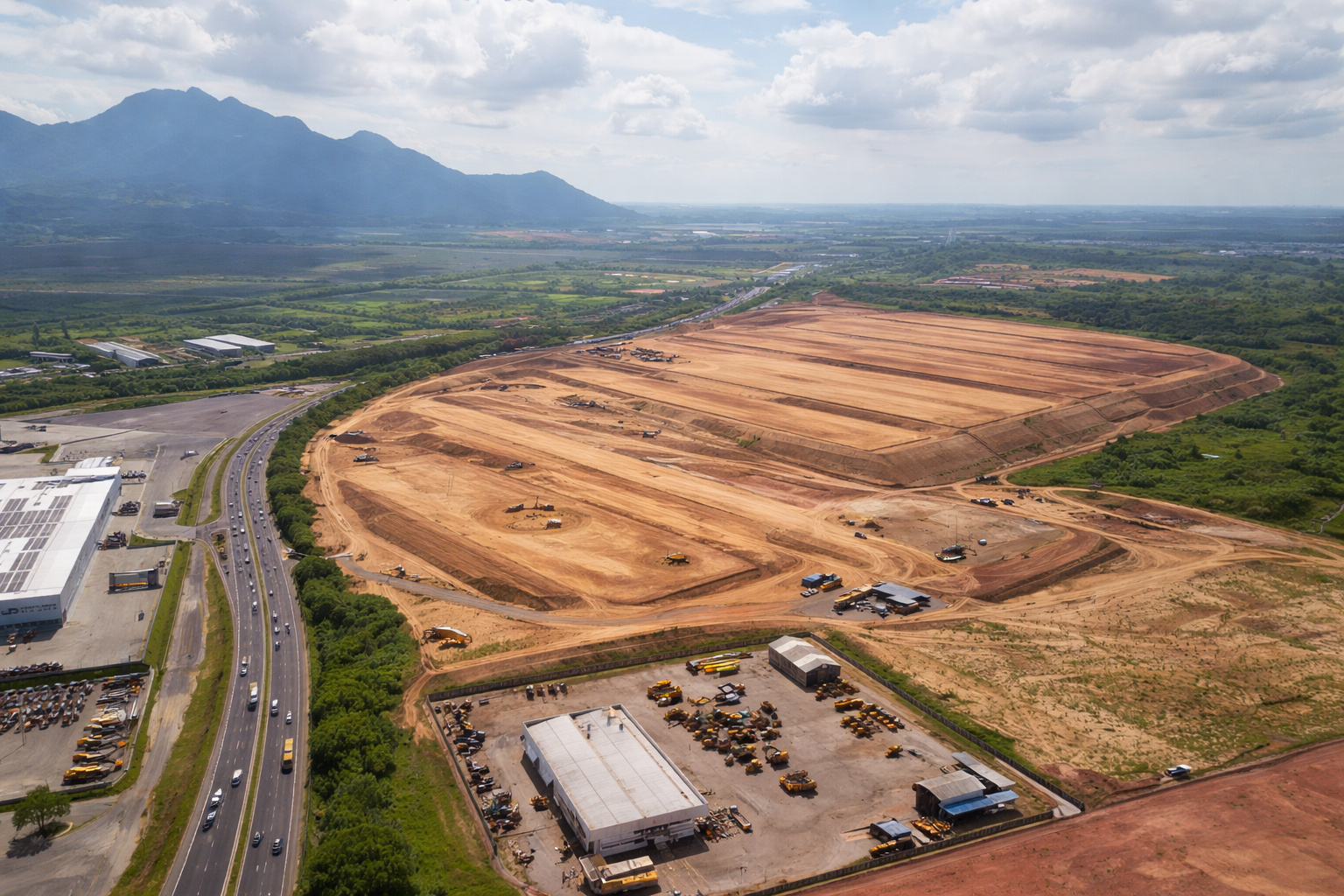
A R$ 300 million logistics giant is taking shape in Serra with over 100,000 m² and raises a question: how can this transform e-commerce and distribution in the state?

Cities Emerge As Logistical Nuclei
Recently, we have seen cities of various sizes catapulted to fame as strategic distribution points, primarily to meet the growing demand of e-commerce. Guarulhos, Cajamar, Jundiaí (SP), and Extrema (MG) are just a few examples. These places, besides being delivery hubs, are shaping themselves into true economic centers due to the intense flow of goods.
These bases not only benefit the cities themselves but also optimize all aspects of logistics, from receiving to shipping products. “These points are the real heroes behind the agile and efficient delivery of products so coveted by consumers and businesses,” reiterates Robson.
The Challenges: Costs And Competition For Warehouses
Orchestrating sales, whether for companies or consumers, requires strategy. It is imperative that logistics costs do not overshadow the projected profit of a product. A critical variable in this equation is the price of warehouses, which has seen fierce competition. Surprisingly, since 2019, top-class warehouses in São Paulo have seen a jump of 41% in their value.
“In any segment, the goal is growth and profitability. Retail and industrial companies need to be in tune with all operational costs to find the balance between expenses and earnings,” concludes the commercial director.
Source: Vitor Gabriel – focco soluções de Gestão.










Seja o primeiro a reagir!