





 Portuguese
  English
  Spanish
  4 min of reading



Technology Ensures Rational and Sustainable Use of Natural Resources, Both to Save Electricity and to Reduce Water Consumption in Factories
Electricity consumption in Brazil hit a record in July, reaching 39,950 gigawatt-hours (GWh), a 5.7% increase compared to the same month last year, according to data from the Monthly Review of the Energy Research Company (EPE), published on August 31. The industry was the biggest culprit, causing the country to record, during the worst water crisis in history, the highest electricity consumption for the month of July since 2014, an increase of 9.8% compared to the previous year.
Read Also
- ANP Publishes Authorizations That Could Increase Ethanol and Biomethane Production, Helping Brazil Advance Towards a Cleaner and Renewable Energy Matrix
- World Leader in Aluminum Cans for Beverages Invests US$ 65.8 Million in Factory and Will Generate Many Jobs in Pará
- Global Leader in Digital Transformation and Recognized as One of the Best Companies to Work For, Opens 270 Remote and Hybrid Job Positions Across Brazil
- WEG, One of the World’s Largest Manufacturers of Electric Motors, Calls for Job Openings for Professionals With and Without Experience in Production Operator, Technician, Welder, and Much More
It is clear that heavy machinery, essential for the production, modeling, and casting of materials, and all manufacturing processes, depend on energy supplied by motors, mostly electric, which require a large amount of energy to operate.
Technology Helps the Industry Save Electricity and Reduce Water Consumption
To reverse this scenario, many factories are investing in the Intelligent Motor Control Center (CCM), which – thanks to its intelligent integrated starting devices, protection, and operation of machine and equipment motors – is a solution that promotes the rational and sustainable use of natural resources, helping the industry save electricity and reduce water consumption.
-
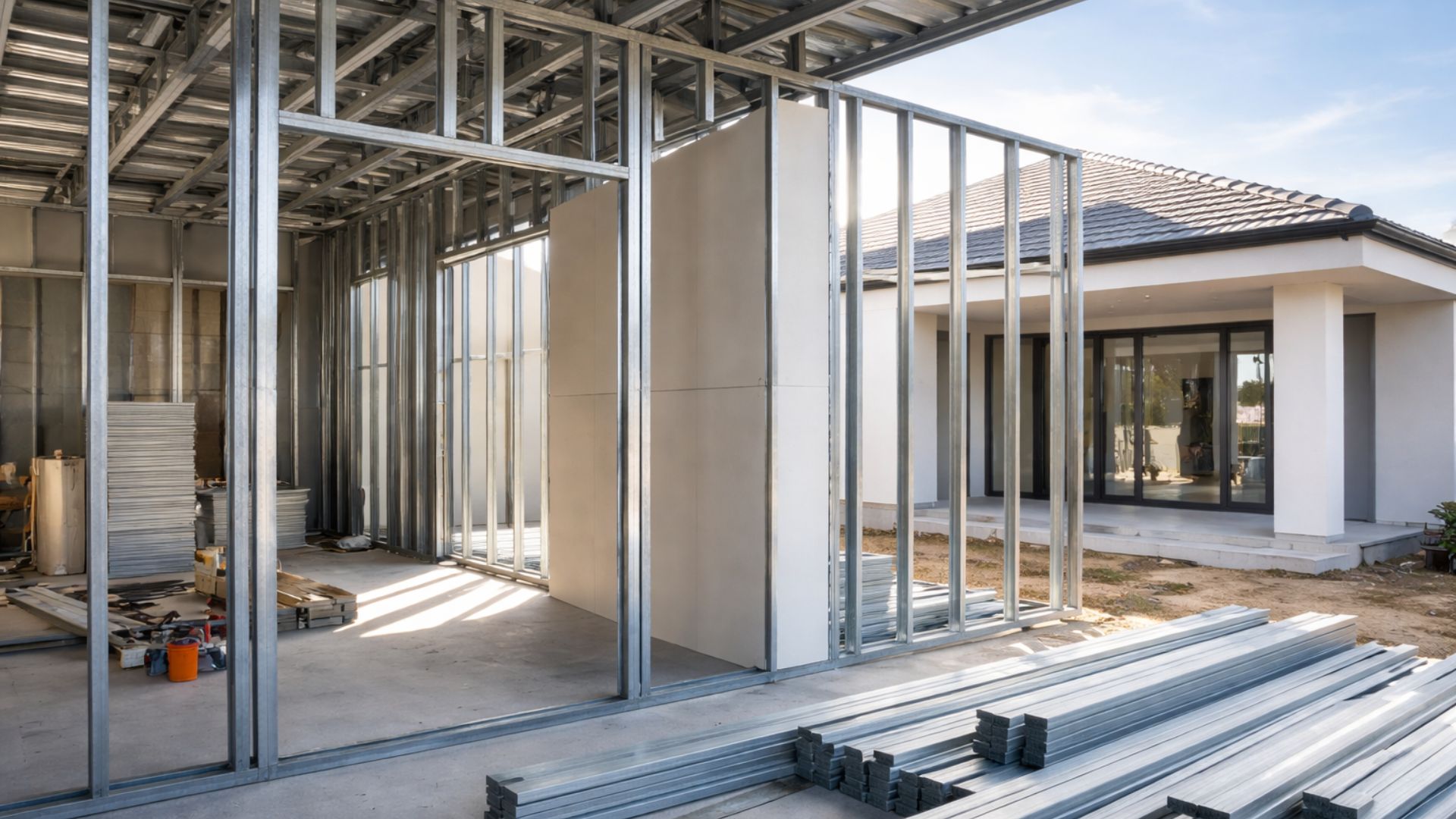
The new era of civil construction features “dry construction” and boosts a company that accelerates expansion with 48 stores and steel frame.
-
Woman enters abandoned houses for 16 years that no one dared to visit: beautiful project and logical layout, interior mold-free, possible resort; after exploring, decides to buy everything for €32,000 and surprises the entire village.

-
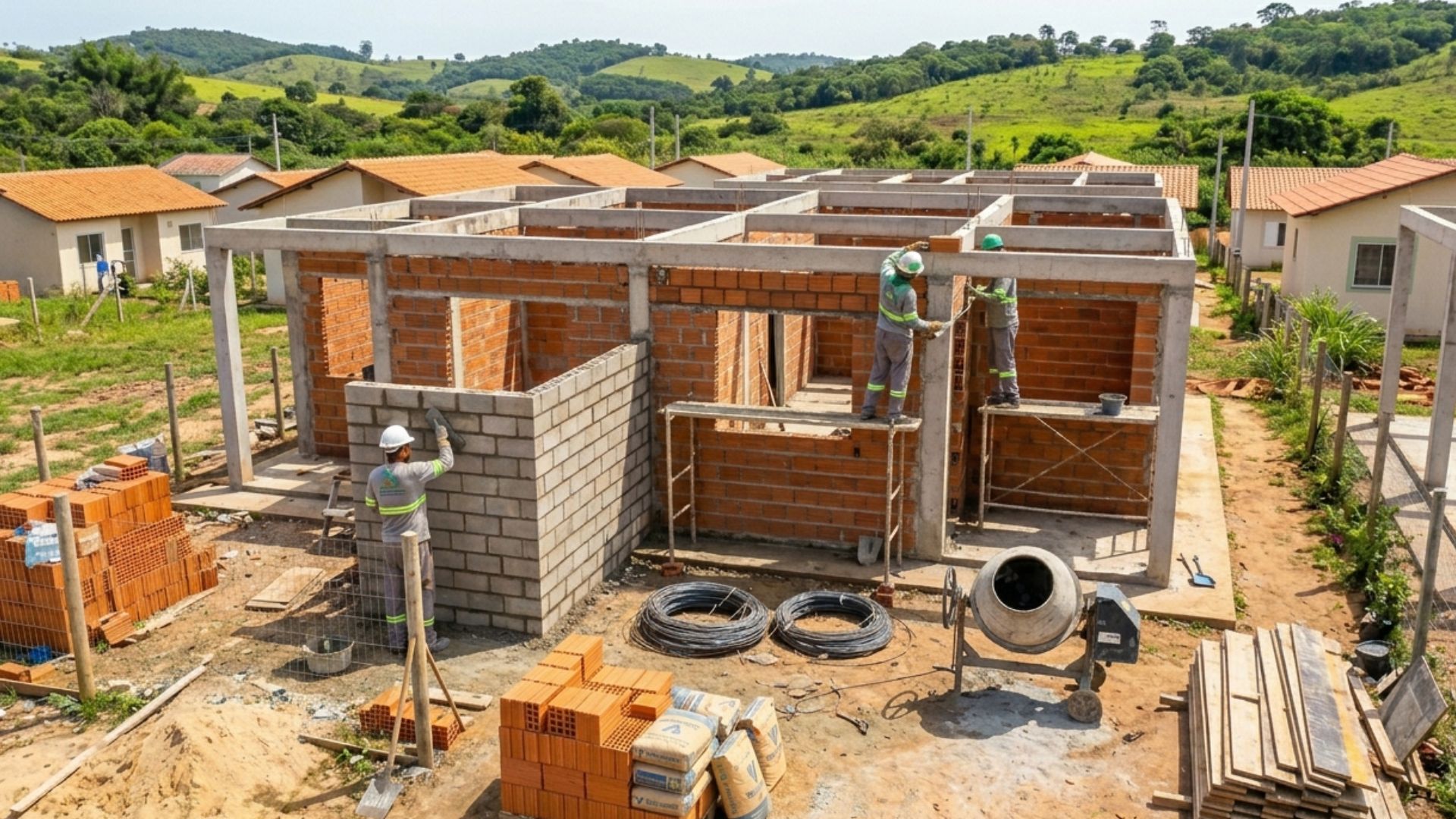
Simple 2-bedroom house: a study of the construction sector reveals the real cost that few expect and shows how strategic decisions can prevent losses and ensure significant savings in the dream of homeownership.
-
Danish company creates the world’s first door made from fungi that grows in just two weeks, is fire-resistant, and promises to replace traditional wood in construction with nearly zero environmental impact.

Through the CCM, the set of gears and other parts is controlled through an intelligent balance of data and external information that can be fed into the systems.
This process includes the frequency inverter, useful for speed control; the soft starter, which intervenes in the starting voltage and causes less impact at the beginning of operation; the smart relays, motor management systems with high network and cloud communication capacity, also useful for safe motor shutdowns; and the circuit breakers, related to energization, making it possible to eliminate unnecessary shutdowns, receive early alarms about potential problems, reduce downtime, isolate mode failures, and distribute or equalize loads while the problem is being resolved.
It Is Up to Factories to Achieve a New Level of Automation and Operate More Autonomously
According to Renato T. C. Gonçalves, an electrical engineer at Schneider Electric, the CCMs, indicated in places with a large number of loads that must be controlled, are electrical panels that have equipment for protection, disconnection, and handling of loads where the cables from the loads are connected. “As each component is microprocessed, accepting digital data as input, output, and processing, according to the instructions stored in its memory, it brings more innovation within itself compared to what an entire company did three decades ago,” he explains.
It is worth noting that in the first industrial revolution, the steam engine invented by James Watt in 1769 became the protagonist. More than two centuries later, the fourth industrial revolution is advancing upon the previous one with even more robustness. According to Klaus Schwab, founder of the World Economic Forum, Industry 4.0, as it is also known, “generates a world where virtual and physical manufacturing systems cooperate with each other in a flexible manner on a global scale.”
So today, thanks to the technological disruption of the CCM, it is up to factories to achieve or not a new level of automation and operate more autonomously.
Another advantage of the CCM is that, due to the process being digitized, the need for human intervention is reduced. As a result, risks to employees are also lower.
It is important to highlight that, according to data from the Digital Observatory of Health and Safety in the Workplace, between 2012 and 2018, Brazil recorded 16,455 deaths and 4.5 million accidents. During the same period, social security spending on accident benefits amounted to R$ 79 billion. “With the sensors and mechanisms of the CCM, it is possible to avoid all types of accidents, increasing employee safety,” concludes Meneghetto Pio Alberti, commercial manager of Engerey Electric Panels.









Seja o primeiro a reagir!