





 Portuguese
  English
  Spanish
  4 min of reading
  1 comment





Ford CEO Jim Farley’s Statement Exposes Shift in Global Automotive Industry Balance, With Chinese Automakers Advancing in Design, Electrification, and Technology, While Highlighting the Growing Role of Software and the Transformation in Vehicle Use Concept
Ford CEO Jim Farley stated that Chinese manufacturers have quickly moved from a position of lagging to leadership in certain aspects of the automotive industry. The statement comes amid the increasing presence of these brands in Europe and the structural changes in the sector.
Farley’s assessment of the advancement of Chinese automakers was made while commenting on the current landscape of the global automotive industry. According to the Ford executive, the phenomenon has gained visibility recently, but has been building for many years within the sector.
Farley emphasized that Ford’s operations are primarily focused in the United States and Europe, two markets that have quite distinct characteristics. In addition to differences in the types of vehicles sold, there is also a difference in the presence of Chinese manufacturers.
-
5 cheapest used cars than a Honda CG 160 Titan 0 km, with options starting at R$ 13,000 for those who want to trade their motorcycle for a car and escape the rain, sun, and risks of riding.

-
Around R$ 24,000: 4 used Ford SUVs with up to 253 hp, V6 engine, all-wheel drive, 7 airbags, panoramic sunroof, and a complete package that surprises with its price and performance in Brazil.
-
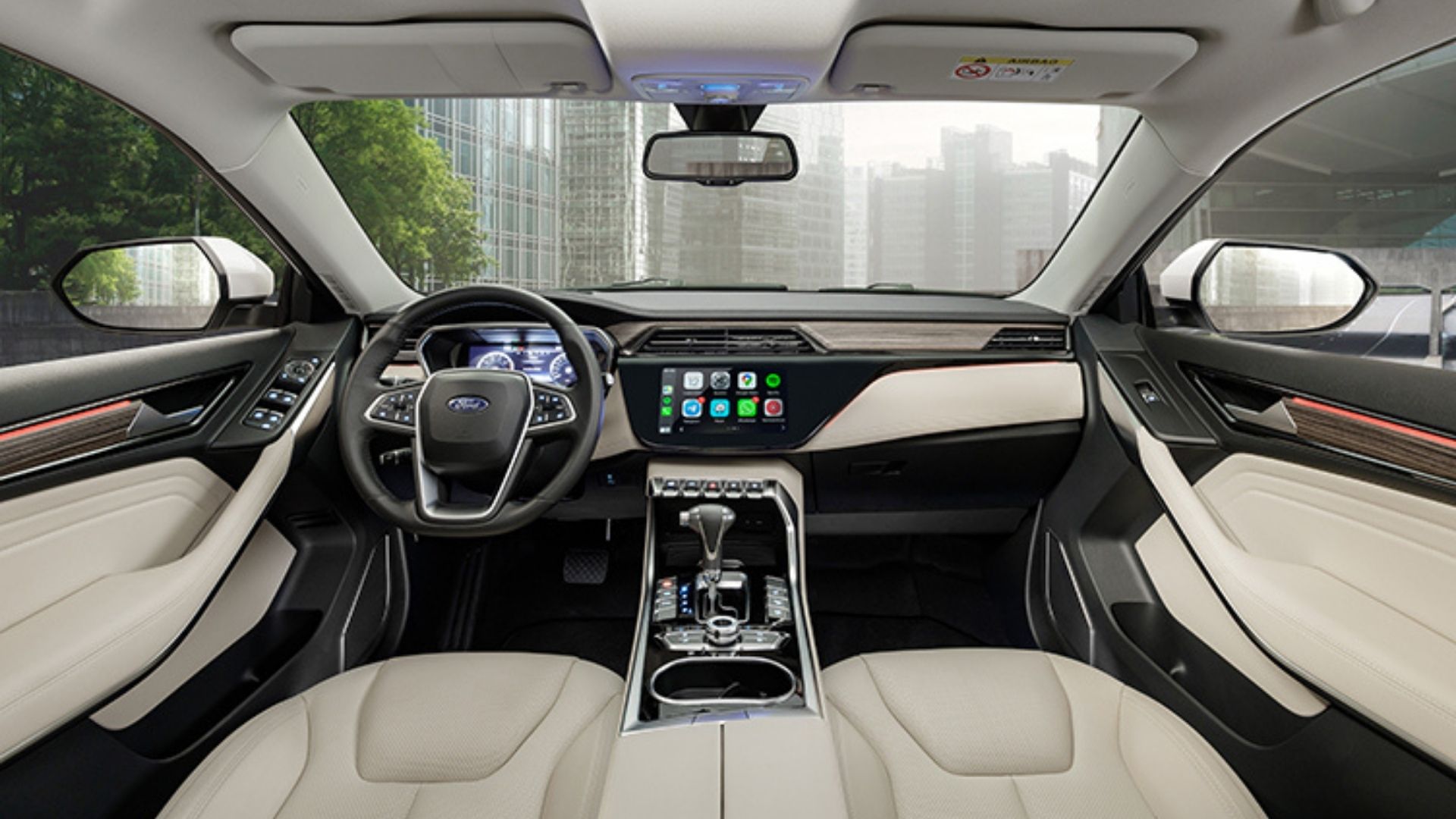
A brand new car starts at around R$ 75,000 in Brazil, but what stands out the most is seeing streets filled with SUVs and expensive sedans in a country where millions remain in debt.

-
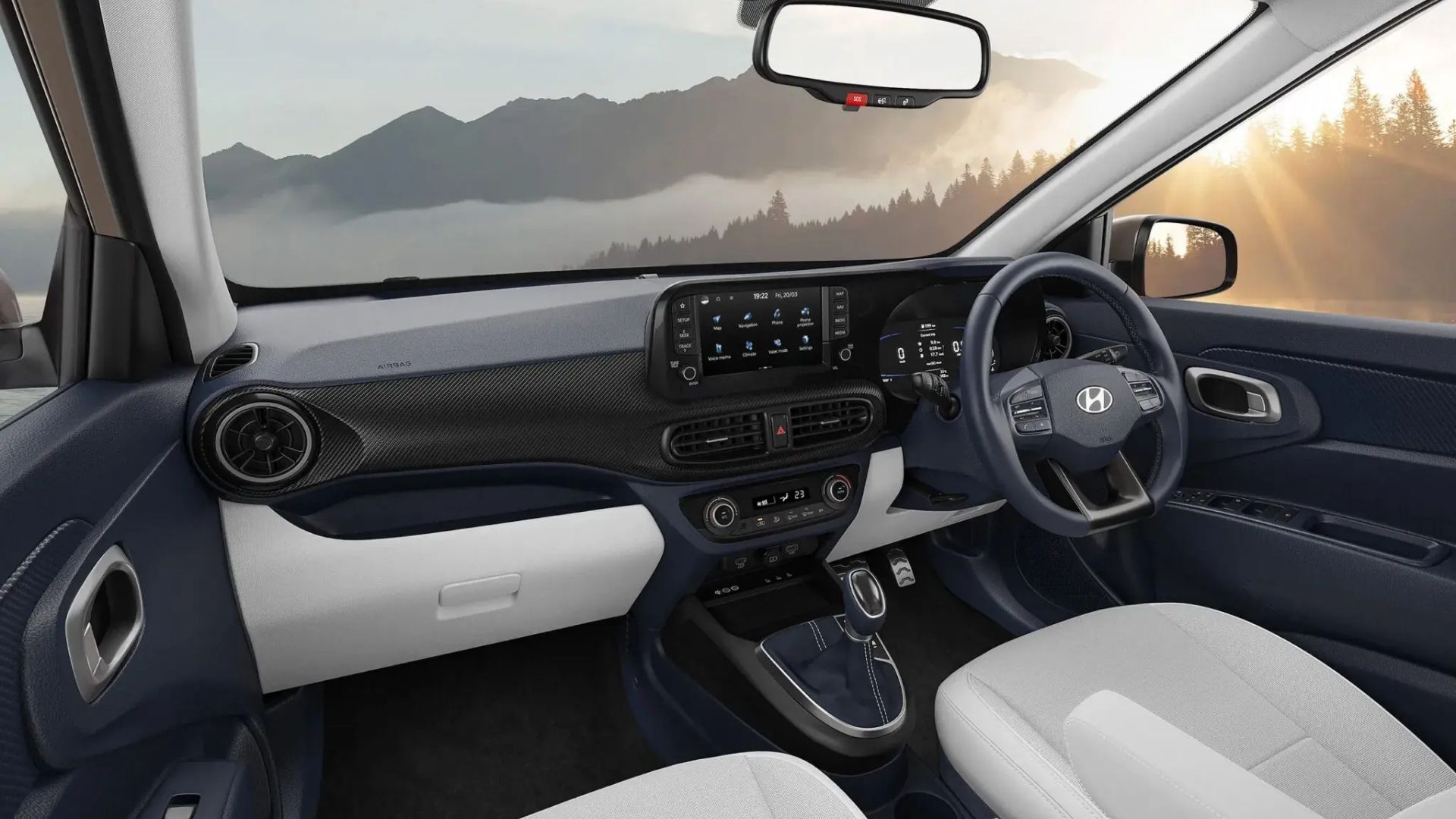
For R$ 32,000, a brand new Hyundai car is a rival to the Kwid with a 1.2 engine producing 82 hp, 6 airbags as standard, multimedia with wireless Android Auto, up to 391 liters in the trunk, and a refreshed look for 2026 in India.

While the North American market remains largely protected from these brands, in Europe they are starting to appear as direct competitors to traditional automakers. This scenario has increased competition for companies like Ford.
Ford CEO Recognizes Rapid Advancement of Chinese Automakers
Jim Farley stated that the growth of the Chinese automotive industry has been recognized by part of the sector for years. According to him, many industry professionals believed something significant would happen in the country, although they did not envision the speed of this evolution.
The Ford CEO declared that those who did not notice this movement five years ago were likely mistaken. Nonetheless, he highlighted that the level of advancement achieved by Chinese companies has surpassed the industry’s expectations.
According to Farley, local brands have rapidly evolved and begun to develop vehicles with characteristics that surprised industry executives. He stated that Chinese cars are no longer behind Western automakers and now present advantages in various aspects.
Ford Reports Surprise After Visiting China Post-Pandemic
Farley explained that the perception of the advancement of the Chinese industry was affected by travel restrictions during the COVID pandemic. Executives from foreign companies, including Ford, spent long periods without visiting the country.
According to the Ford CEO, the first visit after that period revealed a landscape different from what many had imagined. He reported that upon arriving in China with the company’s Vice President, John Lawler, he quickly realized the extent of the changes.
According to Farley, after about an hour observing the local market, both wondered what had happened to the Chinese industry. The executive stated that the vehicles found exhibited designs considered very advanced.
Moreover, he highlighted that many of these cars were already fully electric and included specific technologies. An example he cited was the battery swapping system developed by the manufacturer Nio.
Ford Points to Global Underestimation of the Chinese Automotive Industry
For the Ford CEO, part of the problem is related to how the rest of the world perceived the development of the automotive sector in China. According to him, the global industry underestimated the capabilities of local companies.
Farley stated that Chinese manufacturers received significant government support, which contributed to the consolidation of these brands in the market. This process allowed them to become relevant competitors in a short period.
He also mentioned the example of BYD to illustrate this trajectory. Although many consider the company’s current success something recent, Farley emphasized that the manufacturer has been producing electric vehicles for about 20 years.
Ford Sees Transformation in the Sector with Electrification and Autonomy
In addition to the rise of Chinese brands, Farley stated that the automotive industry is facing other significant structural changes. Among them are the electrification of vehicles and the development of autonomous driving technologies.
The Ford executive asserted that the very concept of vehicle use is undergoing transformation. According to him, in the past, the consumer experience was centered solely on getting into the car and driving.
Farley compared this change to what happened with cell phones. Just as smartphones began to be used for various functions beyond calls, vehicles can also gain new uses.
Ford Highlights Growing Role of Software in Vehicles
According to the Ford CEO, cars can become a third space for users, in addition to home and work. In this environment, occupants could engage in activities like consuming content or participating in video conferences during commutes.
Farley stated that highway trips can offer time periods available for these activities. This, according to him, raises new questions about how vehicles should be designed in the future.
In concluding his analysis, the Ford executive emphasized that many people associate three major themes of the current industry: China, software, and electric vehicles. However, for him, these factors are not equivalent.
According to Farley, software represents the most important element for the future of the automotive industry. He stated that, in his view, this technology is ten times more relevant than the other factors mentioned.









Enquanto as empresas mundiais ,só correm atrás do lucro da ganância ! A China correu atrás de um carro popular e acessível de ponta ! Assim futuramente vão vender para todos e com preço justo e acessível, atingindo as camadas mais perto do povo.