





 Portuguese
  English
  Spanish
  3 min of reading
  6 comments


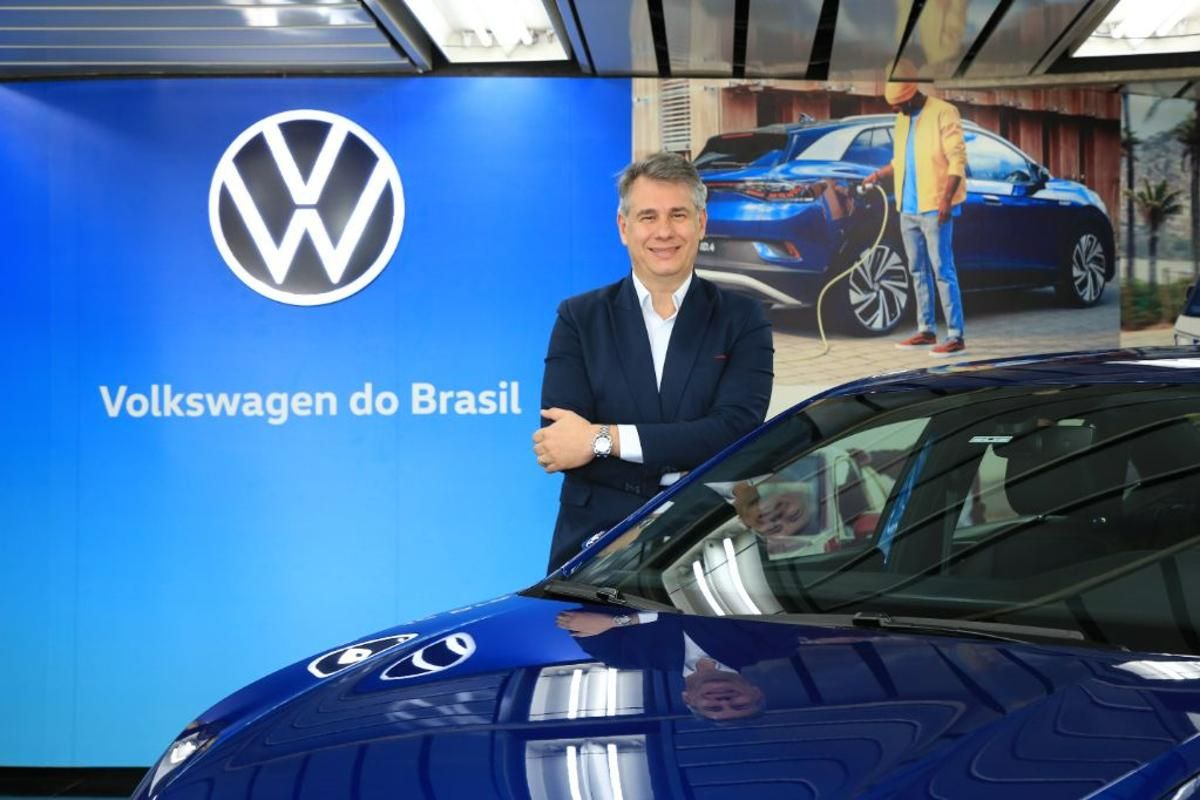


Ciro Possobom Says Bringing Cars From China “Would Be Easier,” But Creating Jobs And Investing In Brazil Is A Priority
Amid discussions about import tariffs and the Chinese offensive in the Brazilian automotive sector, Volkswagen do Brasil’s CEO, Ciro Possobom, made a strong defense of local production. In an interview with Brazil Journal, he stated that although the automaker has 39 factories in China, the company chose to continue manufacturing cars in Brazil, even with the possibility of importing ready or semi-knocked-down vehicles with tax exemption.
The statement comes after the federal government announced, at the end of July, the temporary granting of import quotas with a zero rate for ready electric vehicles or SKD (semi-knocked down), in response to a request from the automaker BYD. Although the original request for tariff reduction was partially denied, the gesture raised alarms among major manufacturers in the country, which fear a breakdown of the national production chain.
“Producing Here Is More Than Selling Cars”
Possobom, who signed a letter sent to President Lula along with other executives, argues that assembling cars in Brazil is part of an economic, technological, and social strategy. According to him, starting in 2025, Volkswagen is expected to spend R$ 26.3 billion on national automotive parts, generating thousands of direct and indirect jobs in various regions of the country.
-
Brazilian city bets on the business environment to generate jobs and attract investments in the energy sector — secretary reveals strategy at Macaé Energy 2026.

-
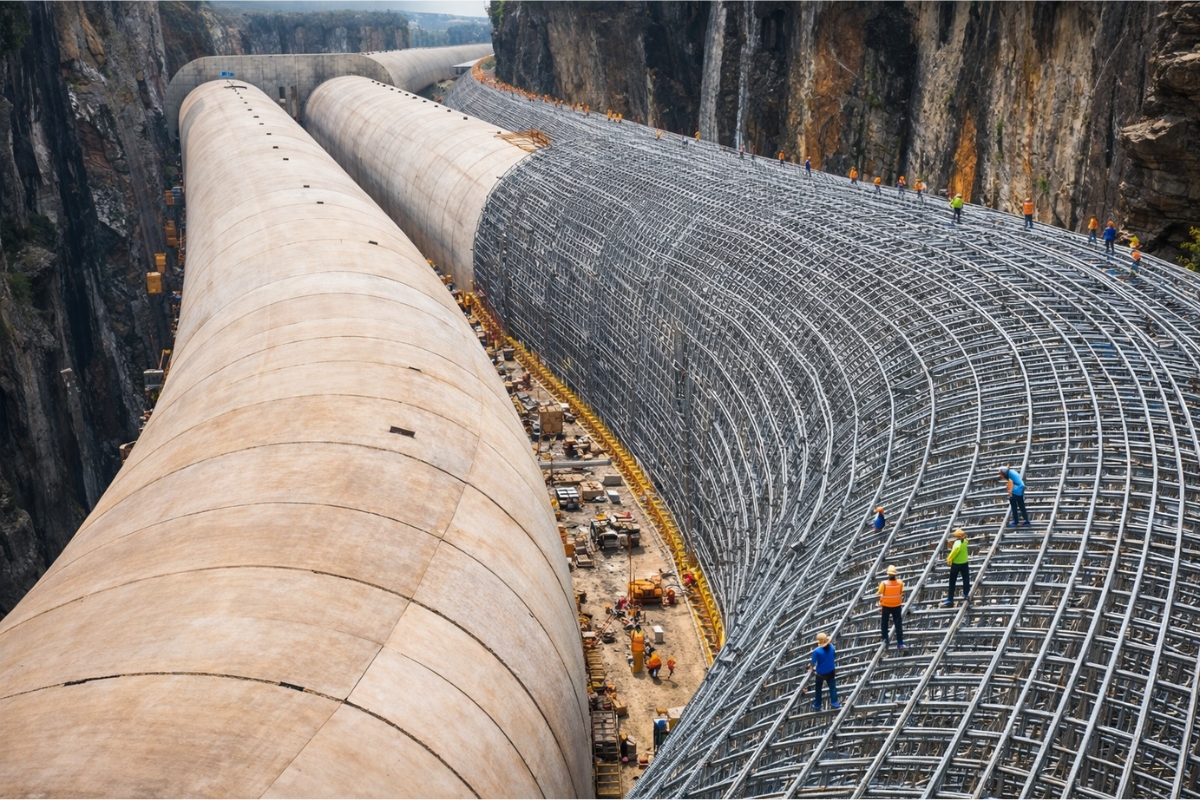
50 viaducts, 4 tunnels, 28 bridges, and 40 kilometers of bike paths: BR-262 in Espírito Santo will receive 8.6 billion reais for the largest engineering project in the state’s history, inspired by the Immigrant Highway in São Paulo.

-
Brazil produces too much clean energy and doesn’t know what to do with it: over 20% of solar and wind capacity was wasted in 2025 while investors flee and 509 renewable generation projects were abandoned in the last year.

-
Piauí will produce a new fuel that replaces diesel without needing to change anything in the truck’s engine and reduces pollutant gas emissions by half: truck drivers from all over the Northeast are already celebrating the news that will arrive later this decade.


“A car is made up of, on average, more than 3,000 components. When we produce here, we generate wealth here,” said the executive.
The new Volkswagen Tera, recently launched, exemplifies this logic: it has an 85% localization rate and generated 2,860 jobs (260 direct and 2,600 indirect) at the Taubaté (SP) factory. Possobom warns that by only encouraging the assembly of imported vehicles with foreign parts, Brazil risks disrupting an entire value chain built over decades.
Impacts on Investments and Predictability
Volkswagen is investing R$ 20 billion in South America by 2028, with R$ 16 billion earmarked exclusively for Brazil. For the CEO, unilateral measures that favor importers and alter the regulatory landscape without dialogue create legal insecurity and hinder negotiations with the German headquarters.
“It is difficult to explain to headquarters that the rules changed in the middle of the game,” he stated.
In his view, competition is welcome, as long as there is equity. The criticism of BYD and other Chinese automakers is not due to technological or commercial advancements, but rather to the asymmetry of incentives.
“We Have 39 Factories in China But We Want to Make It In Brazil”
Possobom admitted that it would be “cheaper, more advantageous, and simpler” to import Chinese cars and resell them in Brazil. However, he argues that Volkswagen’s mission is to boost the local economy, create skilled jobs, and promote innovation within the country.
“It is not just about a trade war. It is about deciding where we really want to create value.
Volkswagen do Brasil accounts for 11% of the group’s global production and is the third largest global market by sales volume for the company. The decision to continue investing locally, even amid international pressure, is seen as strategic for the company and, according to Possobom, also for the future of Brazil as an automotive industrial hub.
The incentive for local production strengthens the industry or makes vehicles more expensive? Is the entry of Chinese cars with exemption an opportunity or a threat? Share your opinion in the comments; we want to hear from those who truly live in the sector.







O cara não fica nem vermelho. Bem capaz que fomentar o desenvolvimento local faz parte de uma empresa com capital aberto. Eles produzem aqui porque conseguem economizar na estrutura e acabamentos, sacrificando segurança e conforto. Olhem os testes de segurança dos carros produzidos aqui. Latin NCap.
Eu Chei que ele iria reagir fabricando carros melhores, mais bem acabados, com plasticos de qualidade e menor preço…
Correto a fala do CEO essa coisa da China significa que o Brasil será o depósito de lixo de baixa tecnologia com viés político de ideologia. FORA CHINA, aqui não.
Certo. Bom mesmo é o Onix bateu morreu.